








History isn’t just confined to the pages of a textbook. For Indigenous communities, history is preserved in storytelling, kept alive through the celebration of identity, family, and a profound connection to the land. These ten books explore the intricacies of Indigenous life, showcasing how beauty and trauma coexist, preserving a legacy too often overlooked.
Trigger Warning: The themes of violence, grief, trauma, racism, sexual violence, substance use, and other difficult topics related to Indigenous histories and experiences may be triggering for some readers; please exercise personal care when reading.
Braiding Sweetgrass by Robin Wall Kimmerer
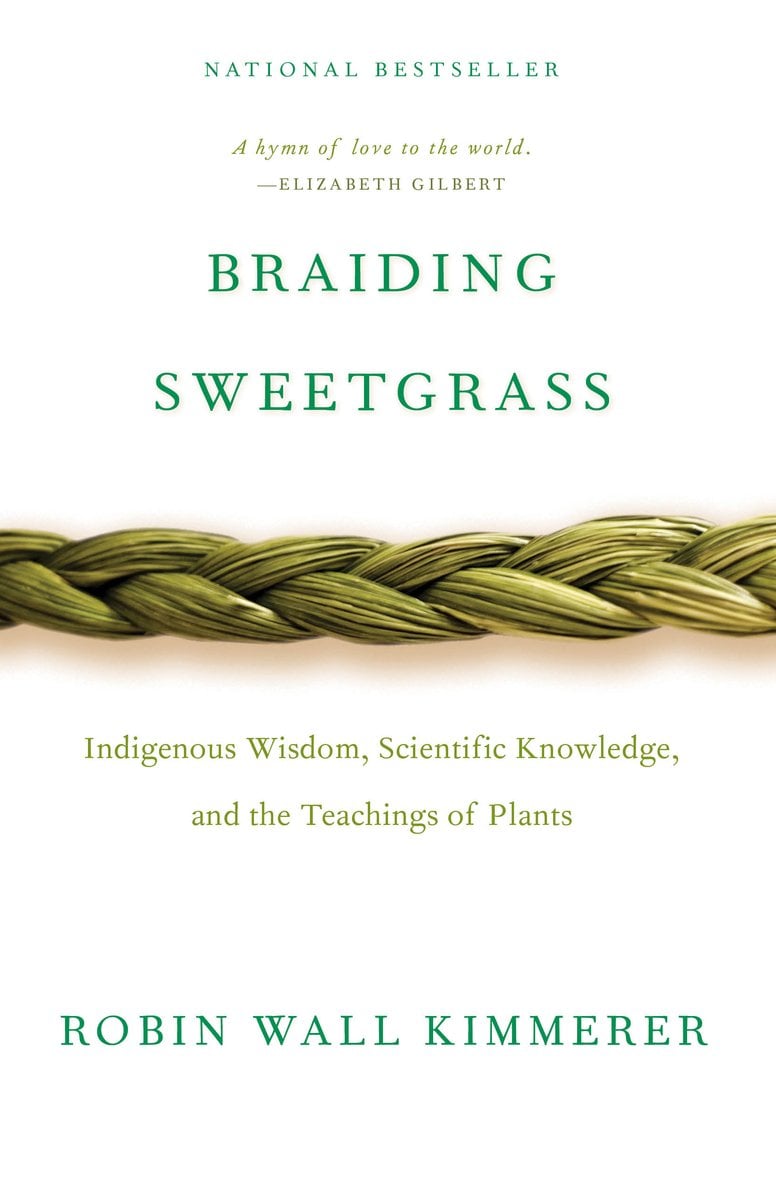
As a writer, botanist, and member of the Potawatomi Nation, Kimmerer brings a unique perspective on the cultural history of Indigenous peoples. Blending spiritual connection, earthly truths, and native knowledge, Braiding Sweetgrass is a must-read for anyone wanting to explore Indigenous ways of knowing and being. Fittingly, sweetgrass itself serves as a living metaphor for stories and memory: “our stories say that of all the plants, sweetgrass was the very first to grow on the earth … breathe in its scent and you start to remember things you didn’t know you’d forgotten.”
The Night Watchman by Louise Erdrich
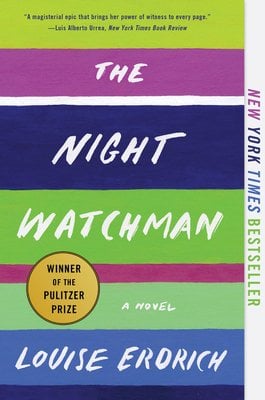
In this deeply moving book, Erdrich tells the stories of ordinary Native citizens who discover moments of joy in community and everyday life, even amidst political turmoil. Inspired by Erdrich’s own grandfather, who fought against the U.S. government’s 1950s termination policy, the book effortlessly balances the political and personal. If you’re looking for a book with characters so well-developed that you won’t want to put it down, this is the one for you.
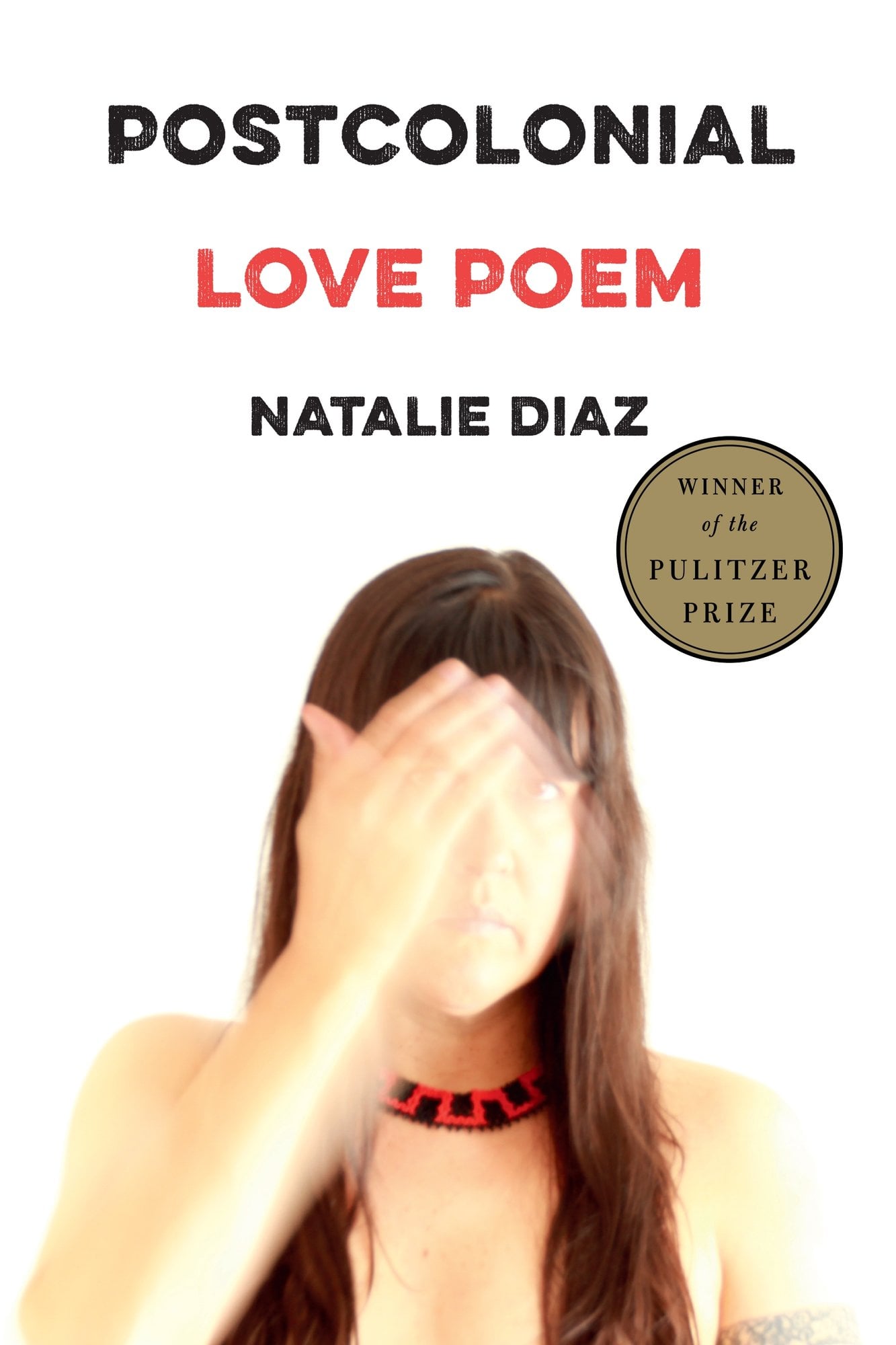
The Heartbeat of Wounded Knee by David Treuer
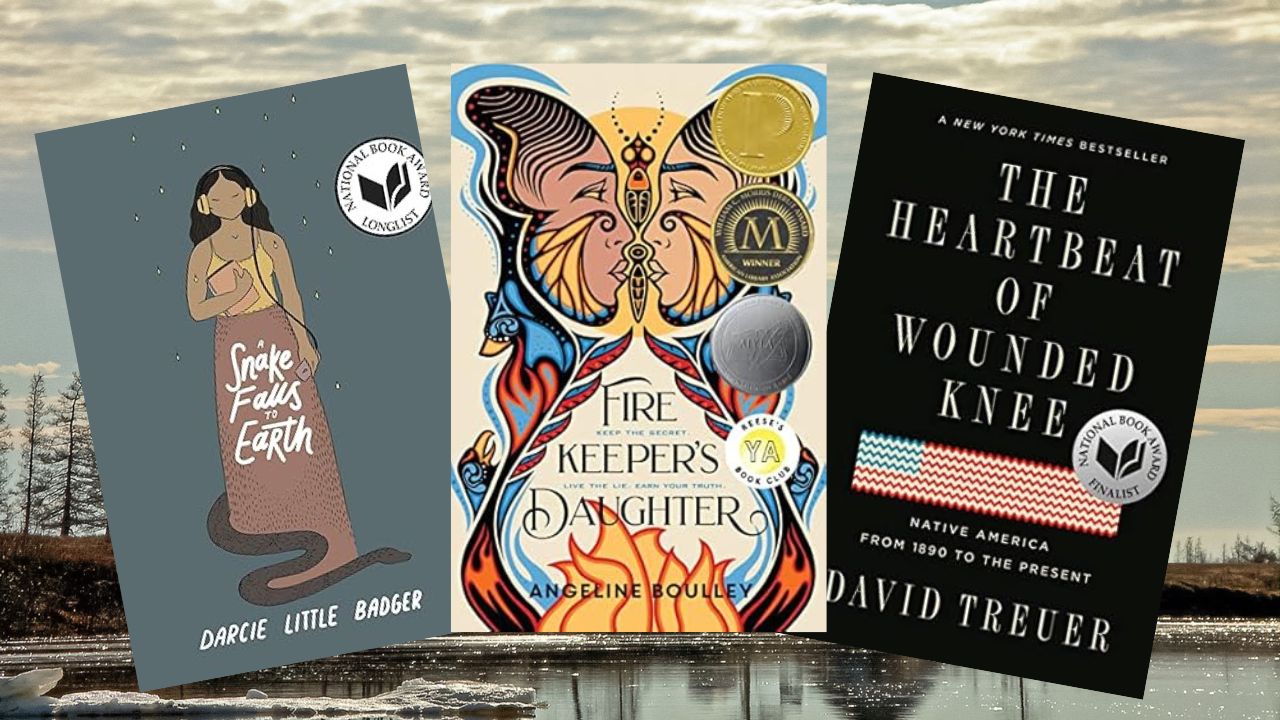
For those in search of a nonfiction companion, The Heartbeat of Wounded Knee is an essential read. Treuer brings to light the true plight of Indigenous Peoples, untangling more than a century of history while challenging the myth of the “vanishing Indian.” An Ojibwe writer and sociologist, he explores both the survival and legacy of Native communities, bridging the gap between a difficult past and an evolving future.
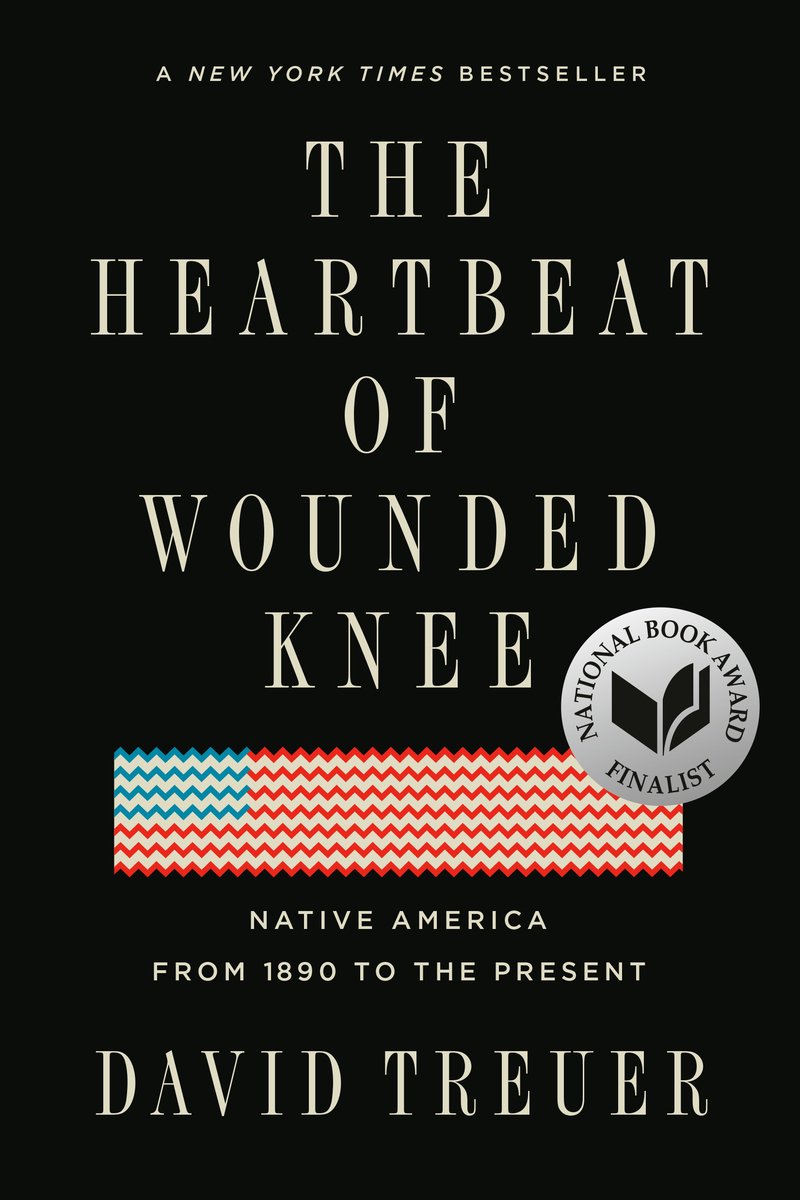
There There by Tommy Orange
Orange’s There There uncovers the impact of past displacement on present-day identity. Using dark humour and realism, Orange navigates the tension between cultural erasure and its lasting effect on contemporary Indigenous Peoples. The book is ideal for readers who enjoy compelling and realistic characters, as Orange tells the stories of multiple voices all affected by a legacy of intergenerational trauma. Together, these stories become a source of healing, helping to reclaim the lost voices of Native peoples.
In Mad Love and War by Joy Harjo
Joy Harjo, the first American Indian U.S. Poet Laureate and a member of the Muscogee (Creek) Nation, brings together poetry that is both intimate and political. With her rhythmic and lyrical touch, Harjo reflects on past adversity and contemporary struggles facing Native peoples. At the heart of this collection is her emphasis on protecting identity through storytelling. As she writes, “We are the memories we don’t remember, which live in us, which we feel, which make us sing and dance and pray the way we do, feelings from memories that flare and bloom unexpectedly in our lives.”
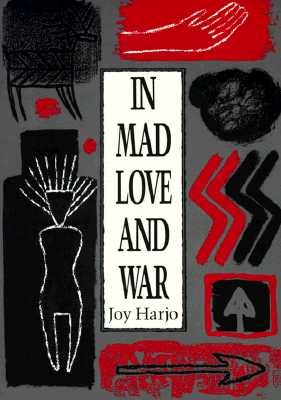
Postcolonial Love Poem by Natalie Diaz
We’re staying with poetry a little longer, with Diaz’s bold and sensual Postcolonial Love Poem. A member of the Mojave Nation, Diaz uses love, desire, and the body to explore the enduring legacy of colonization. Through Diaz’s striking style, the body becomes a symbol of homeland and ancestry. Her voice is unapologetic and lyrical, reclaiming space for Indigenous expression.
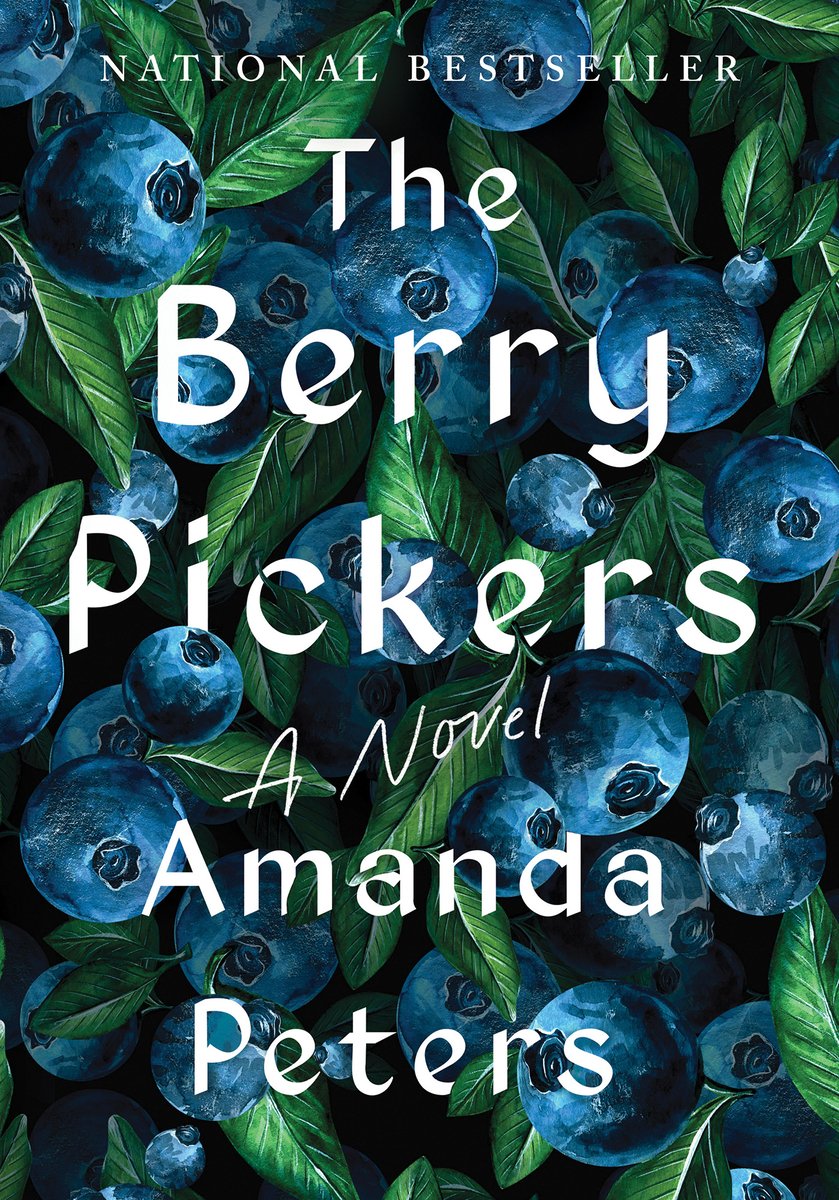
The Berry Pickers by Amanda Peters
Absence, both literal and metaphorical, lies at the center of Amanda Peters’ debut novel. In a delicate style, Peters traces the shadow of trauma following a Mi’kmaq family marked by the disappearance of a young girl in 1962. Blending literary realism with Indigenous storytelling traditions, the novel highlights how personal and collective histories overlap. The Berry Pickers reminds readers that “grief can be wide and feel bottomless sometimes, but eventually, it begins to subside, to grow into something useful.”
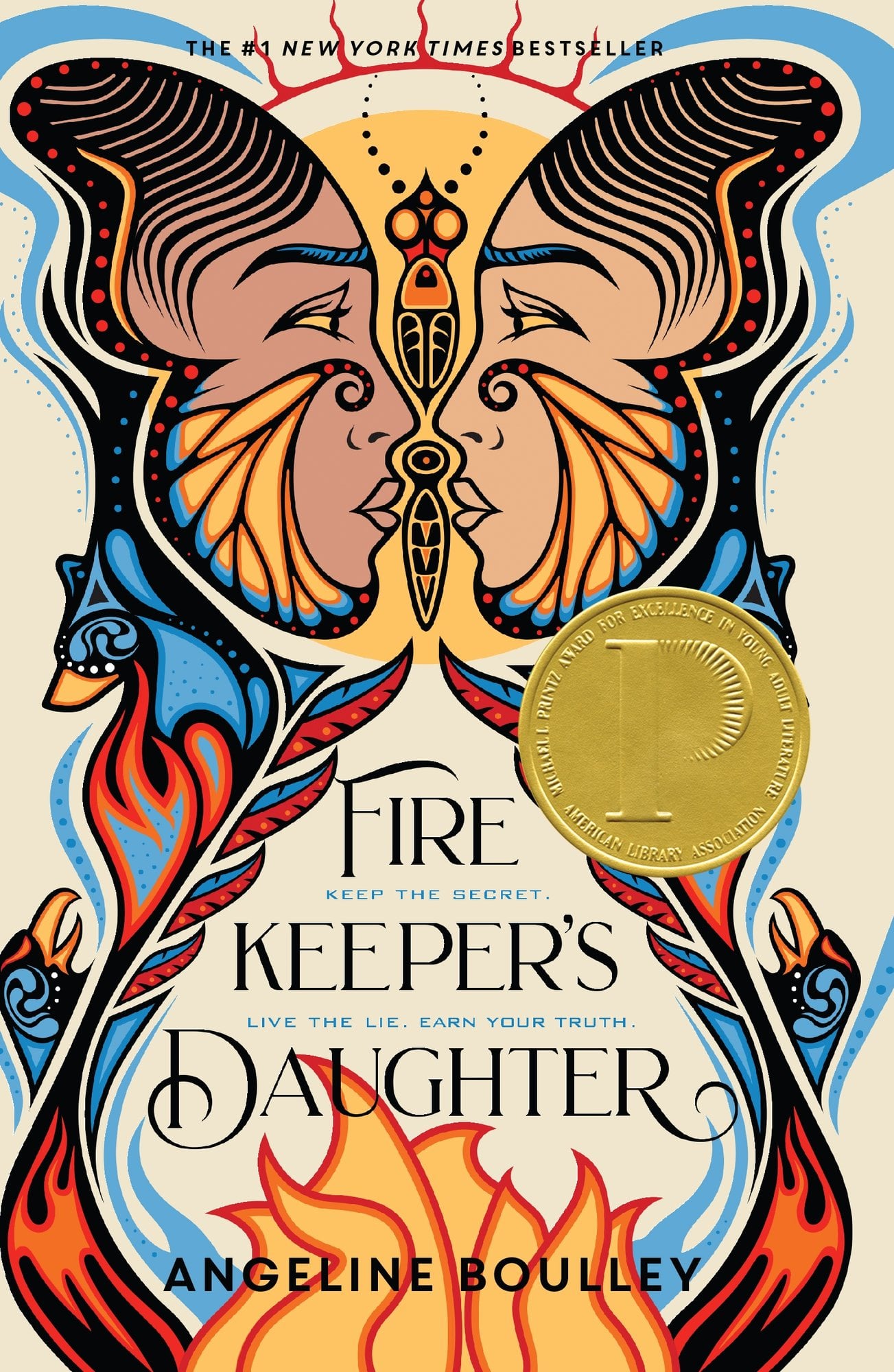
Firekeeper’s Daughter by Angeline Boulley
Intergenerational traditions meet coming-of-age in Angeline Boulley’s intricate and compelling novel. Through the story of Daunis Fontaine, a young Ojibwe woman living on a reservation in Michigan, readers are swept into a world of family loyalty, cultural identity, and moral duty. Boulley captures the complexities of modern Indigenous life while honoring traditions, sharing a story that is both deeply distinctive and universally relatable.
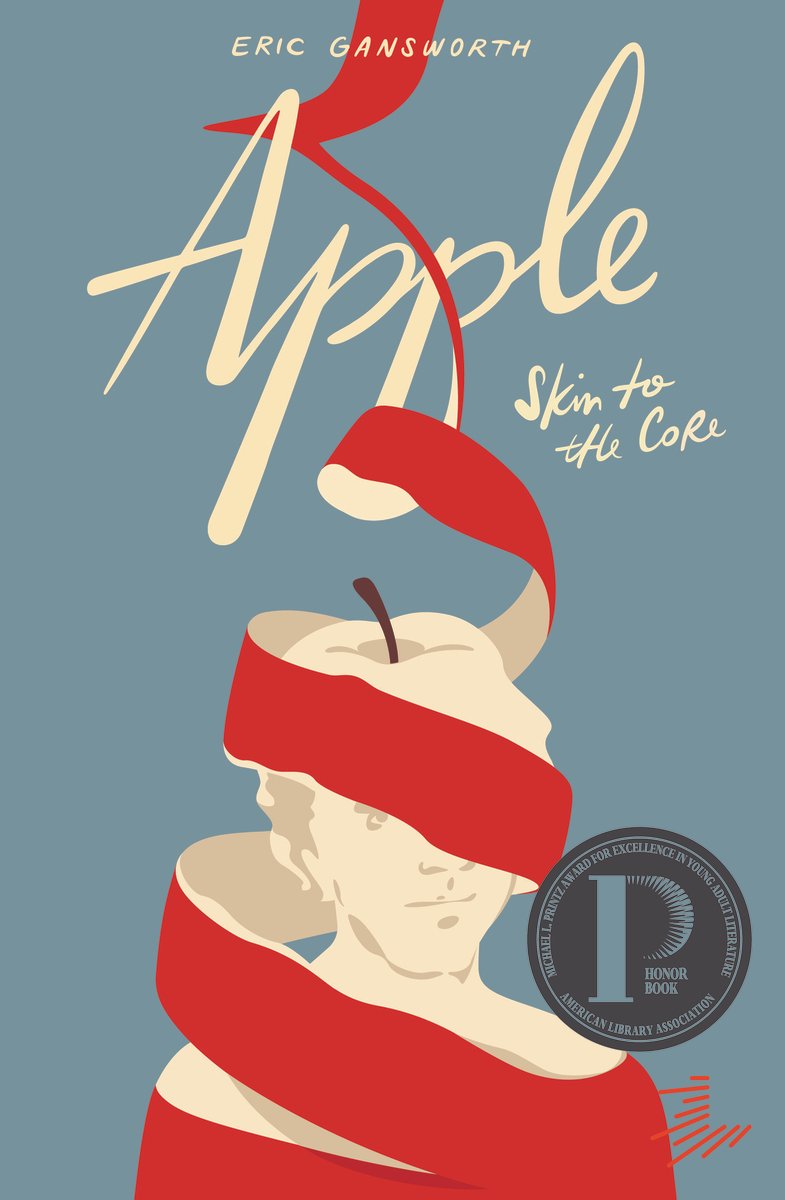
Apple (Skin to the Core) by Eric Gansworth
Through the powerful medium of poetry and prose, Gansworth’s memoir makes sure Indigenous voices are heard, and proudly so. As an Onondaga writer raised on the Tuscarora Reservation, Gansworth meditates on Native heritage and resilience with both humor and candor. While deeply personal, his memoir is also an accessible YA read, sure to leave a lasting impression long after you’ve closed the book.
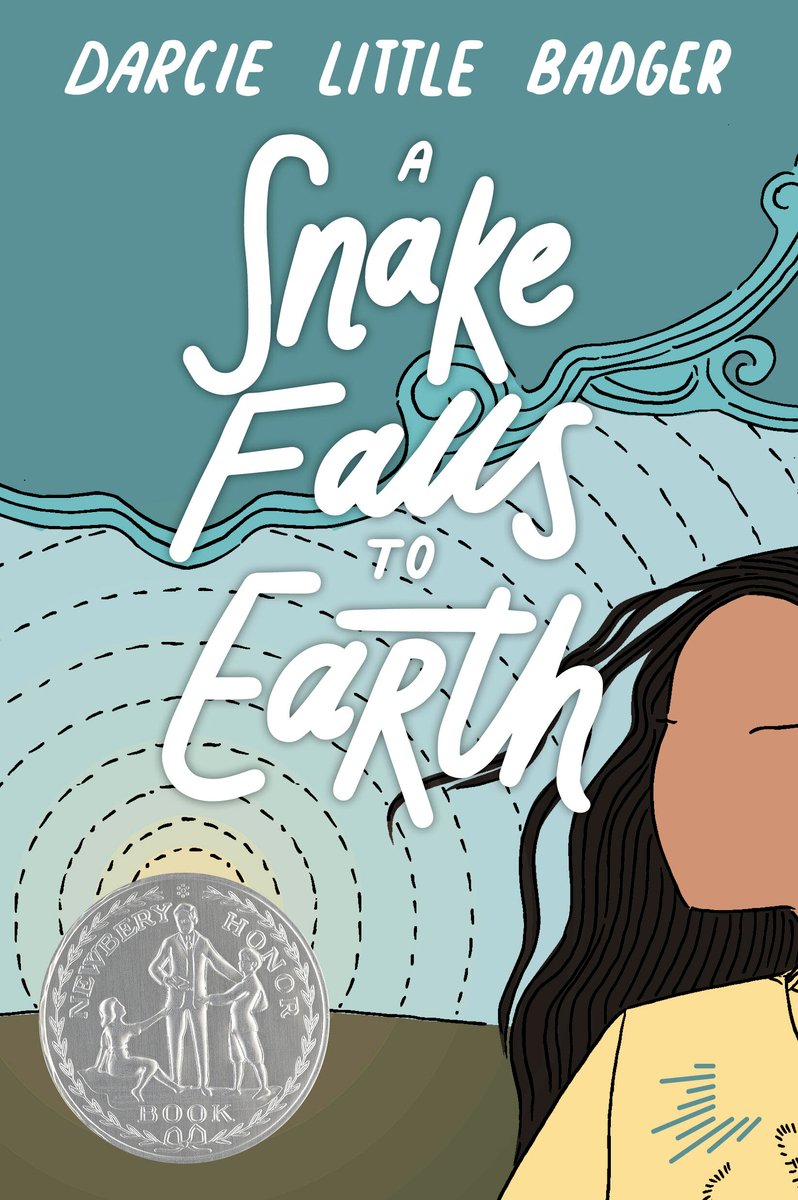
A Snake Falls to Earth by Darcie Little Badger
Darcie Little Badger, a Lipan Apache author, weaves together traditional storytelling and futuristic fantasy in A Snake Falls to Earth. The novel follows the protagonist, Nina, a young girl who discovers a connection between her world and the spiritual realm. Little Badger’s writing is “whimsical and hopeful”, effortlessly connecting Indigenous storytelling with modern-day environmental concerns. Perfect for YA and crossover readers, it’s a reminder of how myth and community remain intertwined.
Together, these ten books show us that Indigenous history is not just about what has been overlooked, but about what continues to endure. From poetry to memoir, YA to historical fiction, each title carries a piece of Native identity, weaving a tapestry that is complex and resilient.
Want to know more about Native representation in media? Click here.
Find these books and more on our Insightful Native American Reads to Widen Your Horizon bookshelf on Bookshop.org.