


It’s no secret that challenging and censoring books is extremely relevant and ever-increasing in today’s society. I read many banned books growing up in school and always enjoyed them, as well as their powerful messages, because their reflections of reality and humanity perpetually left me with a better understanding of both the past and the present. Honestly, my young mind could not understand the term “banned,” because I felt I had read so many. However, I later discovered that many are not nationwide; millions of students are denied them due to their controversy, being labeled “dangerous” for daring to tell the truth.
At the end of the day, everyone’s voice matters; everyone’s stories matter; and everyone’s message matters. They don’t deserve to be ignored and should not be shielded from us. Here are a few thought-provoking banned books that address important topics.
Trigger Warning: This article discusses books that contain racism, police brutality, oppression, sexual assault, and violence that may be emotionally heavy for some readers. Please prioritize your well-being as you read.
Fahrenheit 451 by Ray Bradbury
Published in 1953, Fahrenheit 451 is a futuristic dystopian novel set after 2022, with a heavy book-burning policy. Guy Montag is a firefighter, which also makes him a designated book burner. He tries to convince himself that he’s content with his life. He begins to question the book-burning law when he meets Clarisse McClellan, a teenage girl who breaks unspoken rules — thinking freely, observing the natural beauty of the world, and having meaningful conversations. Montag begins to question his life and society, secretly seeking truth in a world that demands order and ignorance. He is faced with having to choose between comfort and freedom.
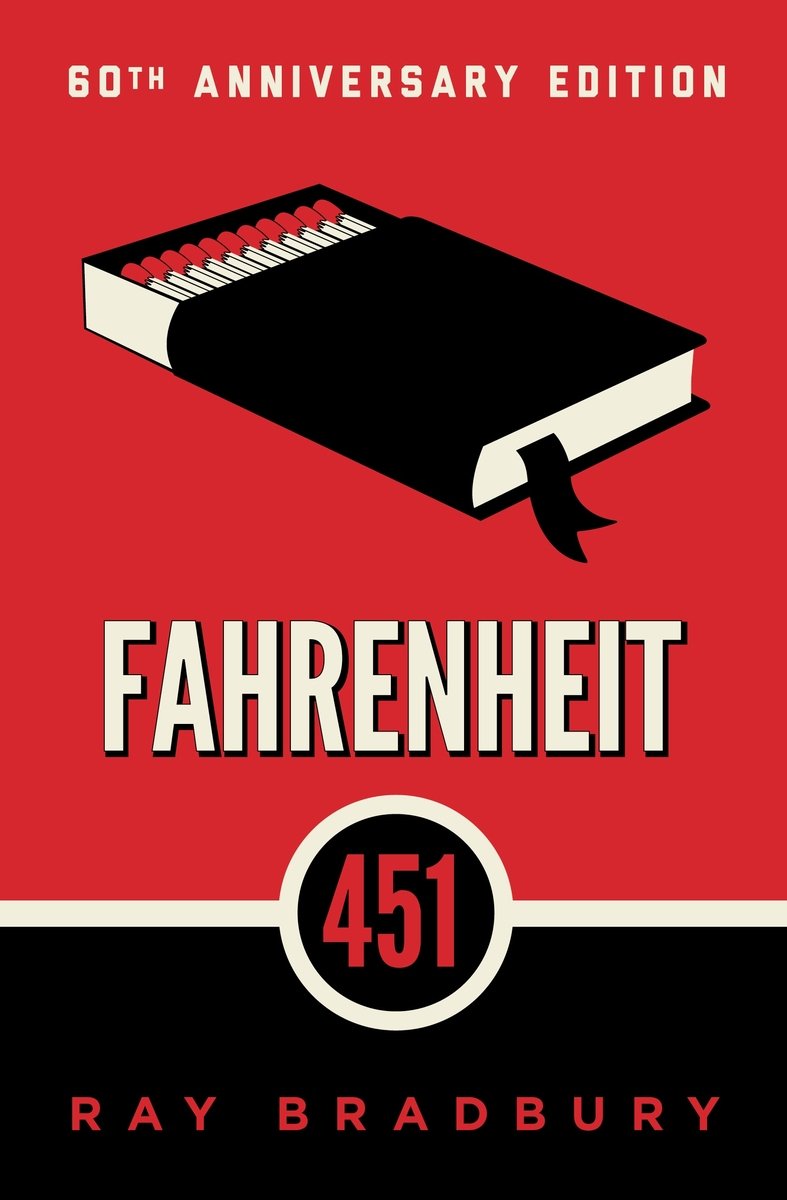
Fahrenheit 451 has faced censorship and numerous banning attempts due to its use of vulgar language, references to smoking and drug use, and content that challenges certain religious beliefs.
To Kill A Mockingbird by Harper Lee
Harper Lee’s novel, To Kill A Mockingbird, was the first banned book I read. Published in 1960, this novel remains an all-time classic, and I’m sure you’ve heard of it, if not already read it. It follows Jean Louise, a young girl who navigates life in racially segregated Southern Alabama in the 1930s. With Jean as the narrator, readers experience the story through the eyes of a child. The majority of the story focuses on her father, an attorney, who’s defending a Black man who’s been accused of raping a young woman. She discovers the undeniable prejudice and starts questioning everyone and everything because she couldn’t understand why Black people were inferior to White people. Throughout the story, Jean Louise learns about morality, life in poverty versus wealth, societal beliefs, and racism.

To Kill A Mockingbird by Harper Lee has faced constant censorship since its publication due to its use of vulgar language, difficult themes, and sexual content.
The Catcher in the Rye by J. D. Salinger
Set in the 1950s, The Catcher in the Rye is about a sixteen-year-old boy, Holden Caulfield, who was expelled from prep school and wanders through New York City as an escape and to search for meaning. He’s a complex and controversial character, with an exterior that is presented as both judgmental and introspective. Still, when taking a deeper look, it becomes understood to be his defense mechanism that’s deeply rooted in grief and isolation.

Salinger’s novel, which addresses the struggles of adolescence and grief, has suffered censorship due to its profanity, immoral behavior, and the subject matter of sex and mental health.
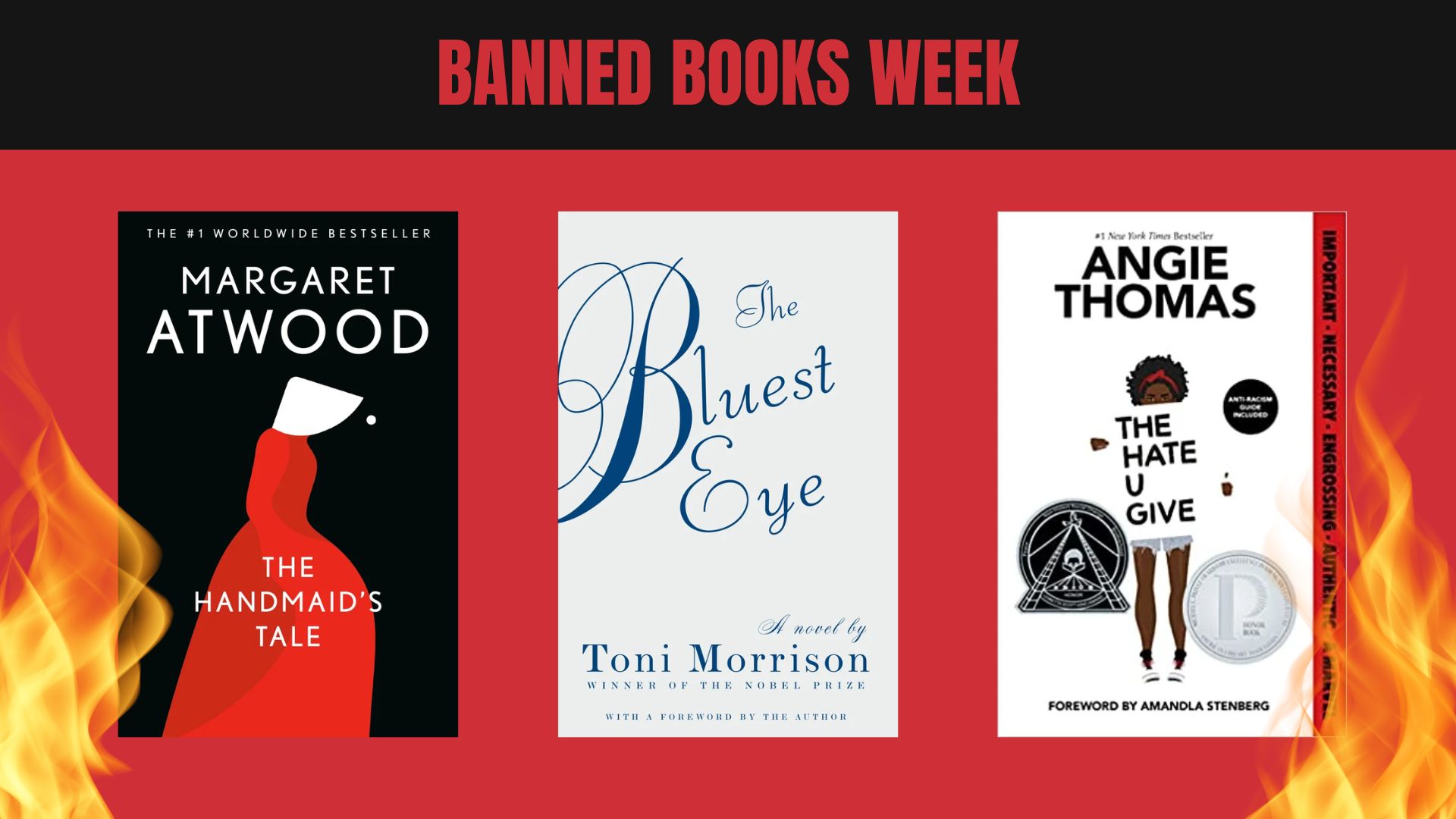
The Handmaid’s Tale by Margaret Atwood
Margaret Atwood’s novel, The Handmaid’s Tale, is a popular dystopian novel where religious and political order strip away women’s autonomy rights. It takes place in a totalitarian regime called Gilead, and follows Offred, a woman forced to be a “handmaid.” Her role solely involves reproducing for the ruling class, only valued for her fertility in a world where infertility is a national pandemic. Through Offred’s eyes, readers experience the fear and violence of a world where women become property of the state.

This novel has been censored for its profanity, sexual content, and political themes. However, it gives way to critical thinking about freedom, control, and women’s rights.
Speak by Laurie Halse Anderson
This is a powerful young adult novel published in 1999. It tells the story of Melinda, a high school student outcast with no friends, after she called the cops on a party. She begins to feel isolated and struggles with depression, trying to deal with what happened to her at that party. She was raped by an upperclassman, but no one will talk to her, let alone listen to her. So she decides to stay silent. With her rapist still a student at the school, Melinda has to try to find a way to fight back and heal. Speak contains themes of trauma, rape, and moving forward.
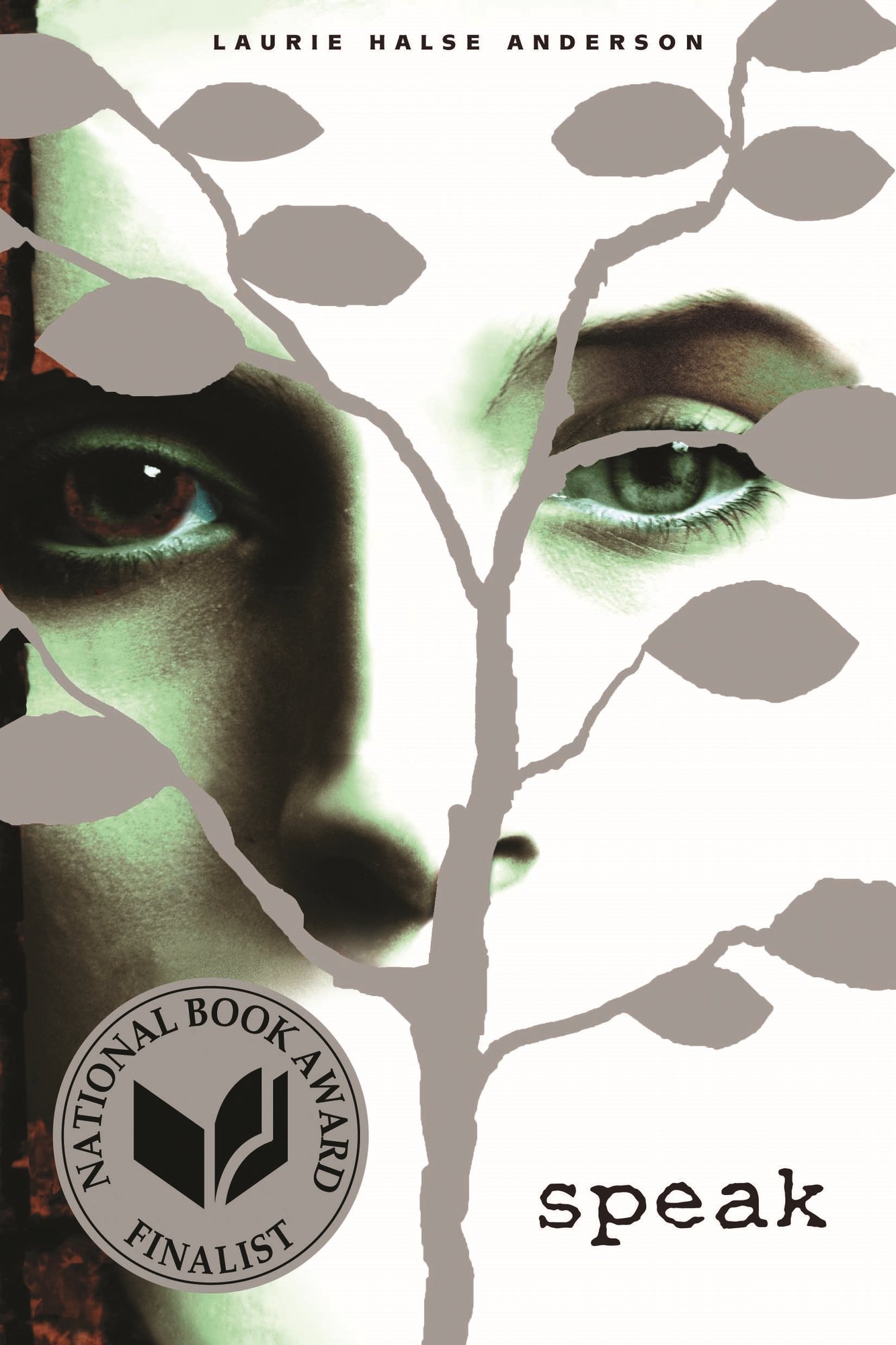
Speak dealt with challenges and bannings in schools for its difficult themes, though it raises awareness of rape and mental health, and why it’s important to speak up.
Shout by Laurie Halse Anderson
Another novel written by Laurie Halse Anderson is Shout, a poetry memoir discussing and advocating for survivors of sexual assault. It comprises reflections, calls to action, and personal stories from her life as a survivor of sexual assault. It addresses the need for justice and societal change, comforting rape culture and victim-blaming. Anderson not only speaks for herself, but also for the countless others who have not been believed or are too afraid to speak up for fear of that.
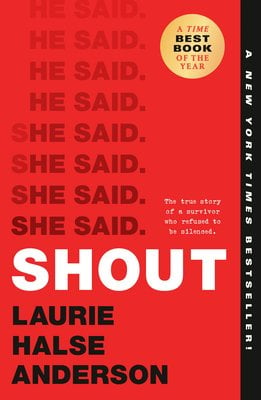
Due to its raw honesty and difficult topics, Shout by Laurie Halse Anderson has been viewed as highly controversial and censored. But her emotional strength and lyrical honesty could help teenagers navigate trauma, identity, and the power of their own voice.
The Hate U Give by Angie Thomas
Angie Thomas’ The Hate U Give is a bestselling novel that tells the story of Starr Carter, a sixteen-year-old Black girl who witnesses the fatal shooting of her unarmed friend, Khalil, by a cop. She crosses between two worlds, living in a mostly Black neighborhood and attending a wealthy, almost all White prep school. Khalil’s death becomes a national headline, and protesters start lining the streets. Nobody knows how the shooting went down, except Starr, and she becomes a powerful voice for justice.

This novel portrays themes of racism, police brutality, and identity. Still, it has been challenged in many libraries and schools across the United States, despite its raw and powerful message.
1984 by George Orwell
Published in 1949, George Orwell’s 1984 is another futuristic dystopian novel that explores themes of surveillance, loss of identity, and control by an all-powerful totalitarian government. The government is referred to as “the Party.” They monitor people’s “thoughtcrimes,” which is the act of expressing independent views that go against the strict ideology. It follows Winston Smith, a young man who despises the government and its leader, known as Big Brother.

This book has been censored for its topics of government, violence, and rebellion, but remains essential for promoting critical thinking and awareness of a totalitarian government.
The Bluest Eye by Toni Morrison
Toni Morrison’s debut novel, The Bluest Eye, addresses the American beauty standard and its damaging effects on young girls. The story follows an eleven-year-old Black girl named Pecola Breedlove who prays for blue eyes to feel beautiful, loved, and accepted. In a world where white skin, blonde hair, and blue eyes are the standard to be considered attractive, Pecola faces racism, poverty, and abuse.
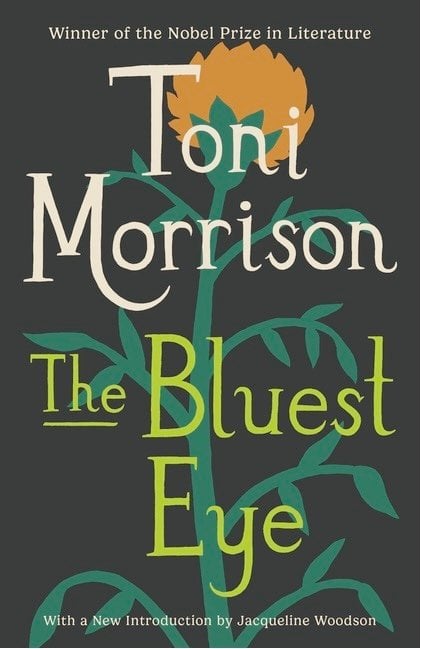
This novel contains themes of racism, sexual violence, and trauma, which have caused it to become one of the most frequently challenged books in the United States. However, The Bluest Eye acts as a voice to break the corrupt beauty standard and teaches readers that everyone is beautiful just the way they are and worthy of love.
All Boys Aren’t Blue by George M. Johnson
All Boys Aren’t Blue is an intensely raw, emotional memoir that shares the author’s experience growing up as a Black-queer boy in America. It is an honest, powerful, and moving story that represents the LGBTQ community, especially for those of color. Johnson discusses the challenges he faced and important topics surrounding sexual abuse, toxic masculinity, and harsh marginalization.
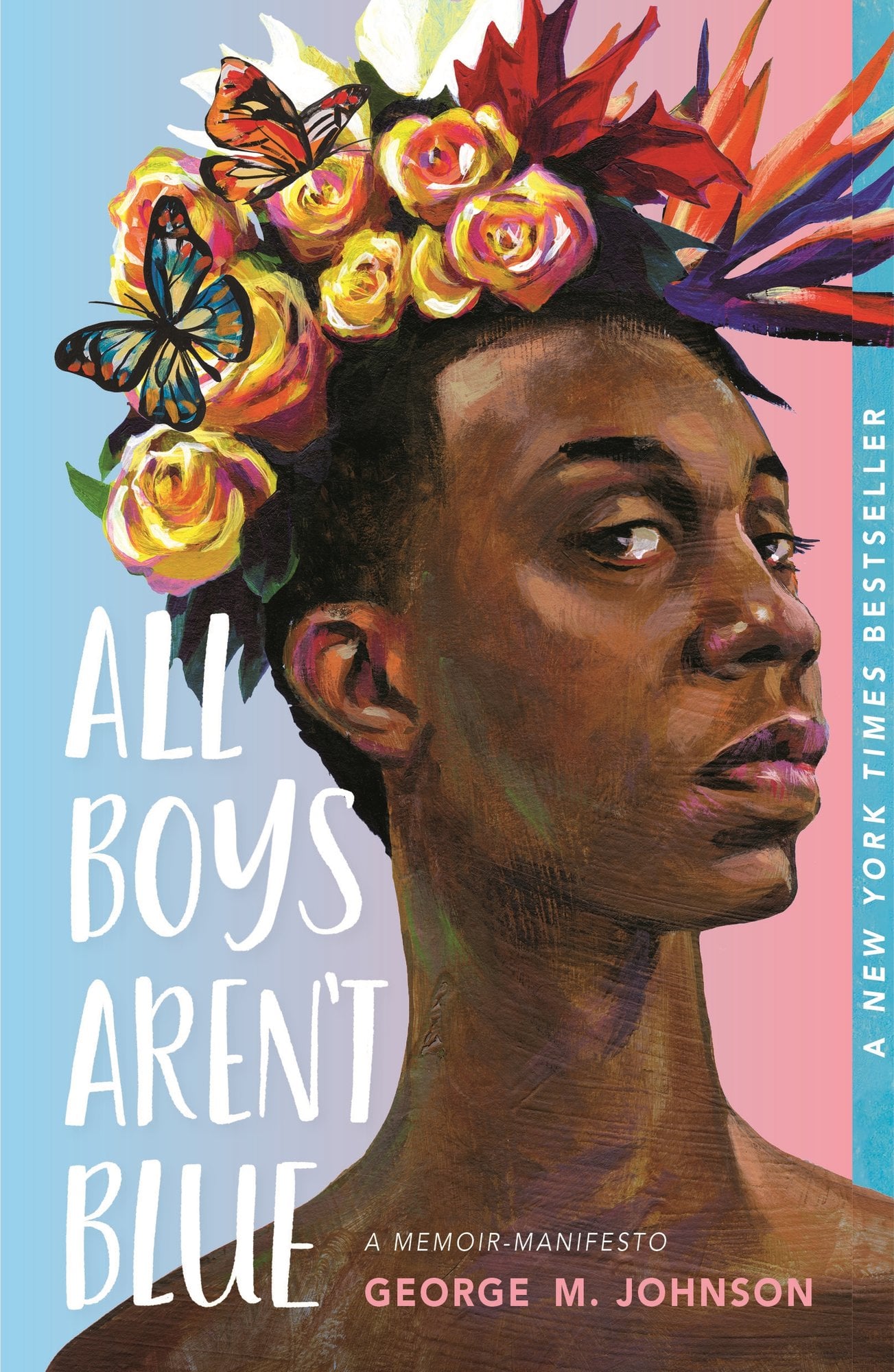
All Boys Aren’t Blue by George M. Johnson, a story about representation and self-worth, has been widely challenged for its sexual content and controversial themes.
I invite you to read for your rights; these books address difficult but essential and necessary themes with their stories and voices. Banning books silences their voices when they have the power to promote understanding, critical thinking, and empathy.
If you want to discover and learn more about banned books, check out our Book Bans page!
You can find these and many other banned books in one of our Bookshop shelves here!