














Ecology is the study of the relationship between organisms and their environment. It explores the interconnectedness of all living things, especially human beings. In focusing on human relationships, there is a particular emphasis on Indigenous perspectives. These directed studies shine a light on the preservation, perseverance, and reclaiming of Indigenous selfhood on stolen and destroyed land. This subset of ecology is essential. The books below comprise some of these studies told through Indigenous perspectives.
Trigger Warning: This article contains references to colonialism and racial violence against Indigenous peoples. Please exercise personal care while reading.
When the Pine Needles Fall: Indigenous Acts of Resistance by Katsi’tsakwas Ellen Gabriel
There have been many books and dissertations written about Canada’s violent siege of Kanehsatà ke and Kahnawà ke in the summer of 1990. None is as distinct as from the perspective of Katsi’tsakwas Ellen Gabriel, who acted as the Kanien’kehá ke (Mohawk) spokesperson during the standoff. When the Pine Needles Fall offers a look into Gabriel’s life leading up to the siege, as well as her work as an Indigenous land activist, feminist, and human rights activist. This memoir is not just about the life of an incredible individual, but also offers insights into Indigenous language, history, and philosophy, all while contemplating our relationship to the land.

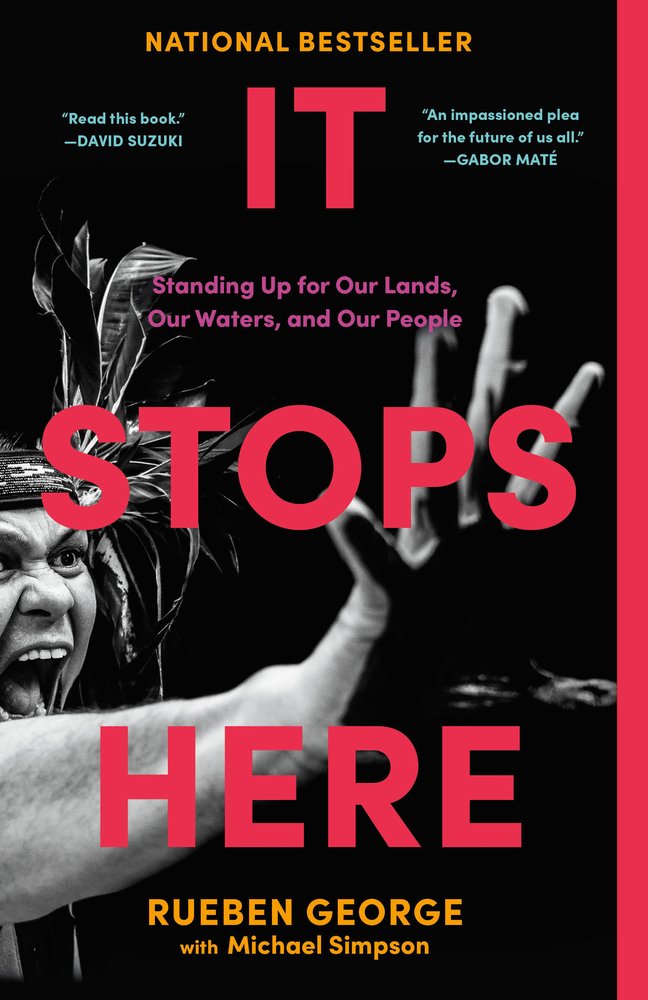
It Stops Here: Standing Up for Our Lands, Our Waters, and Our People by Rueben George and Michael Simpson
In this memoir, Rueben George, a leader of the Tsleil-Waututh Nation, recounts his reconnection to his culture, the importance of being a steward to the land, and the fight against the Trans Mountain Pipeline. Joining other Indigenous nations across Turtle Island, It Stops Here tells of this pivotal fight, as well as the intergenerational struggle of the Tsleil-Waututh Nation to overcome colonial harms. This book offers incredible insights from someone who dedicated most of his life to fighting against this project.
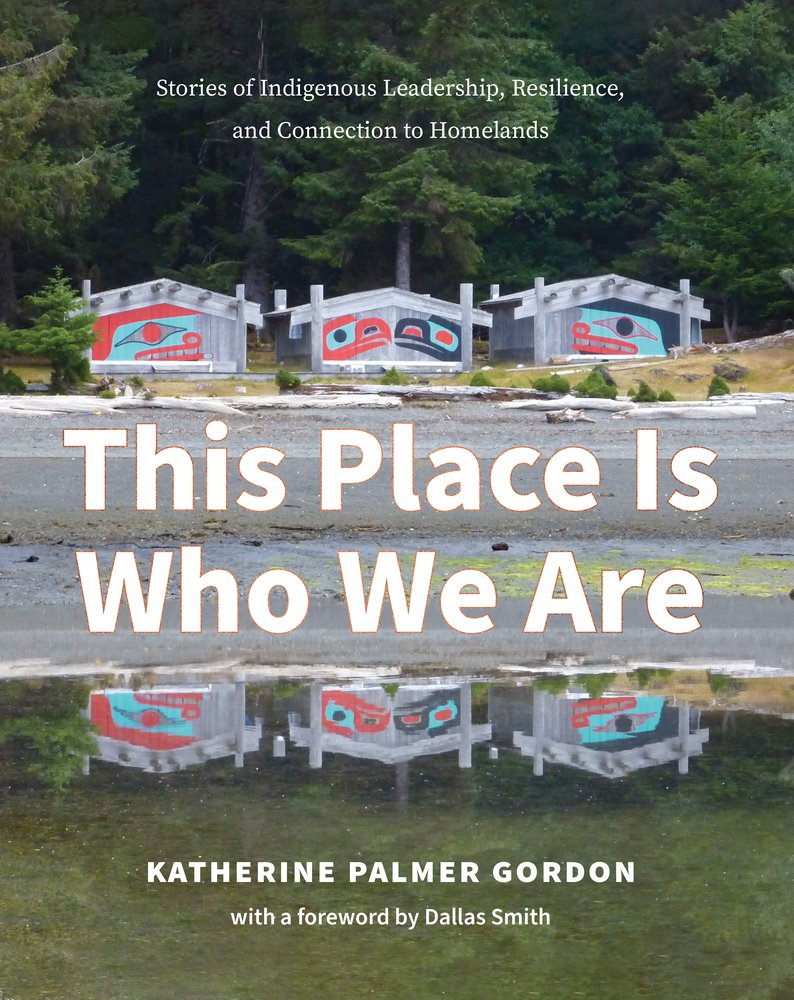
This Place Is Who We Are: Stories of Indigenous Leadership, Resilience, and Connection to Homelands by Katherine Palmer Gordon
Featuring ten stories from the First Nations communities within coastal British Columbia, This Place is Who We Are writes on the reclaiming of their lands, revitalizing of their cultures, and the building of sustainable economies. The community storytellers and knowledge holders describe how the First Nations kept their traditional values while reconnecting with the lands and strengthening their communities.
Braiding Sweetgrass: Indigenous Wisdom, Scientific Knowledge, and the Teachings of Plants by Robin Wall Kimmerer
Robin Wall Kimmerer combines Indigenous wisdom with scientific knowledge in this extraordinary collection of essays. A botanist and member of the Citizen Potawatomi First Nation, Kimmerer studies humanity’s relationship to the natural world and advocates for reciprocity and mutual respect. She calls on us all to act as responsible stewards of the earth.

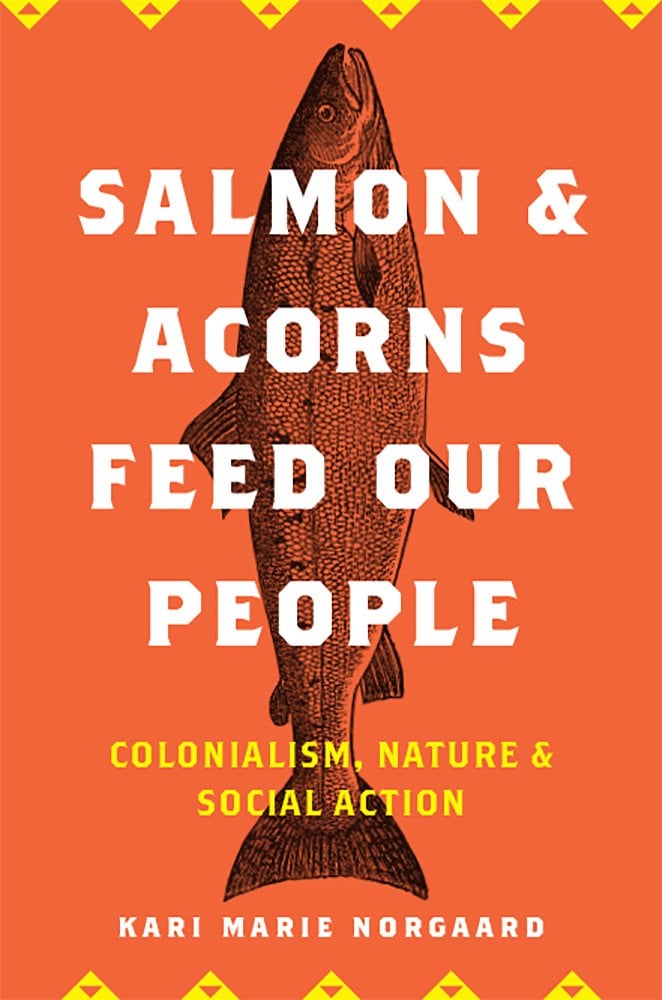
Salmon and Acorns Feed Our People: Colonialism, Nature, and Social Action by Kari Marie Norgaard
Indigenous management of the large salmon that made their way up the Klamath River enabled the ecological abundance that formed the basis of capitalist wealth across North America. These activities continue today, but are often the site of great political struggle. Not only is the magnitude of American Indian genocide hardly acknowledged, but it has also been coupled with the reorganization of the natural world to create a theological void. Norgaard examines nearly two decades of examples and lived experiences of the Karuk Nation on the Klamath River.
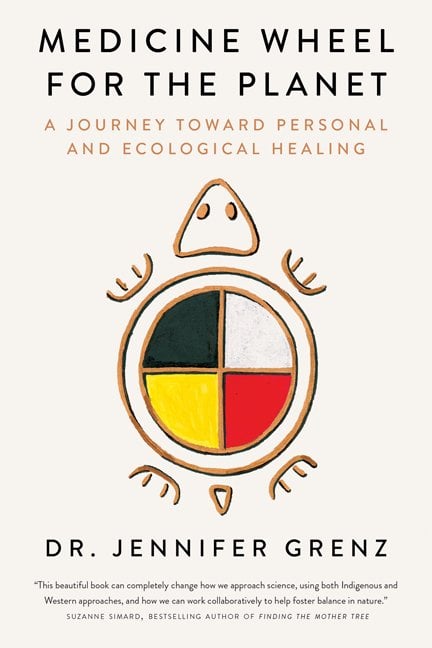
Medicine Wheel for the Planet: A Journey Toward Personal and Ecological Healing by Dr. Jennifer Grenz
Dr. Jennifer Grenz combines Western science with Indigenous ecology to transform our understanding of the role we play in healing our planet. A farm kid at heart and a Nlaka’pamux woman of mixed heritage, Dr. Grenz has always had a deep love for the land. After nearly two decades of working as a restoration ecologist in the Pacific Northwest, she has grown weary of the seemingly uphill environmental battle. In Medicine Wheel for the Planet, she draws on sacred stories, field observations, and her own journey to envision a West where land reconciliation is necessary and possible, offering the reader hope for the fight against a climate monster that is hard to overcome.
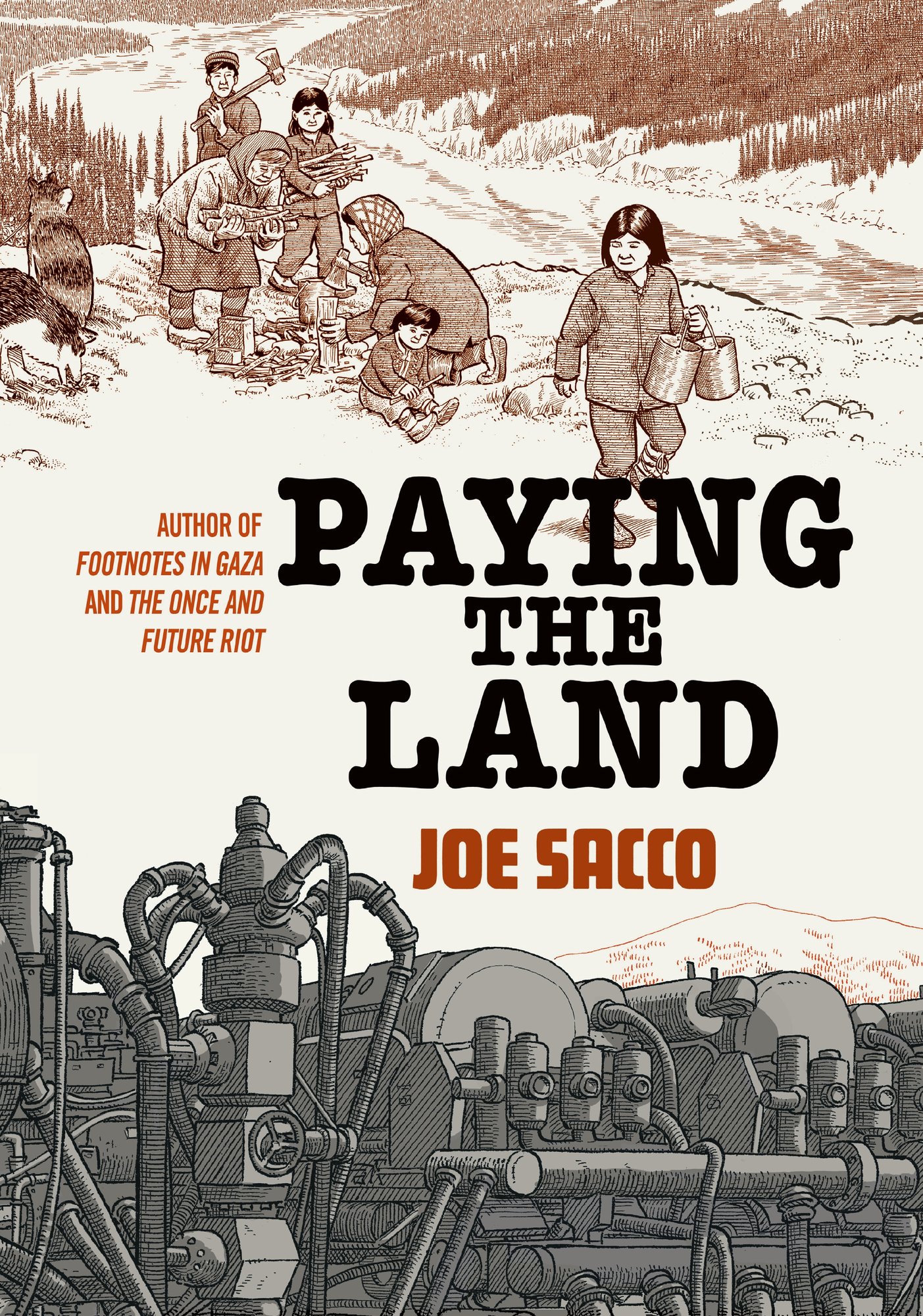
Paying the Land by Joe Sacco
In this graphic masterpiece, Joe Sacco uses interviews to illustrate the devastation of Indigenous lands caused by colonialism and resource extraction. Sacco delves further into the lives and culture of the Dene Nation within Canada’s Northwest, including exploring the trauma of residential schools and the ongoing struggle to navigate development projects such as mining and fracking.
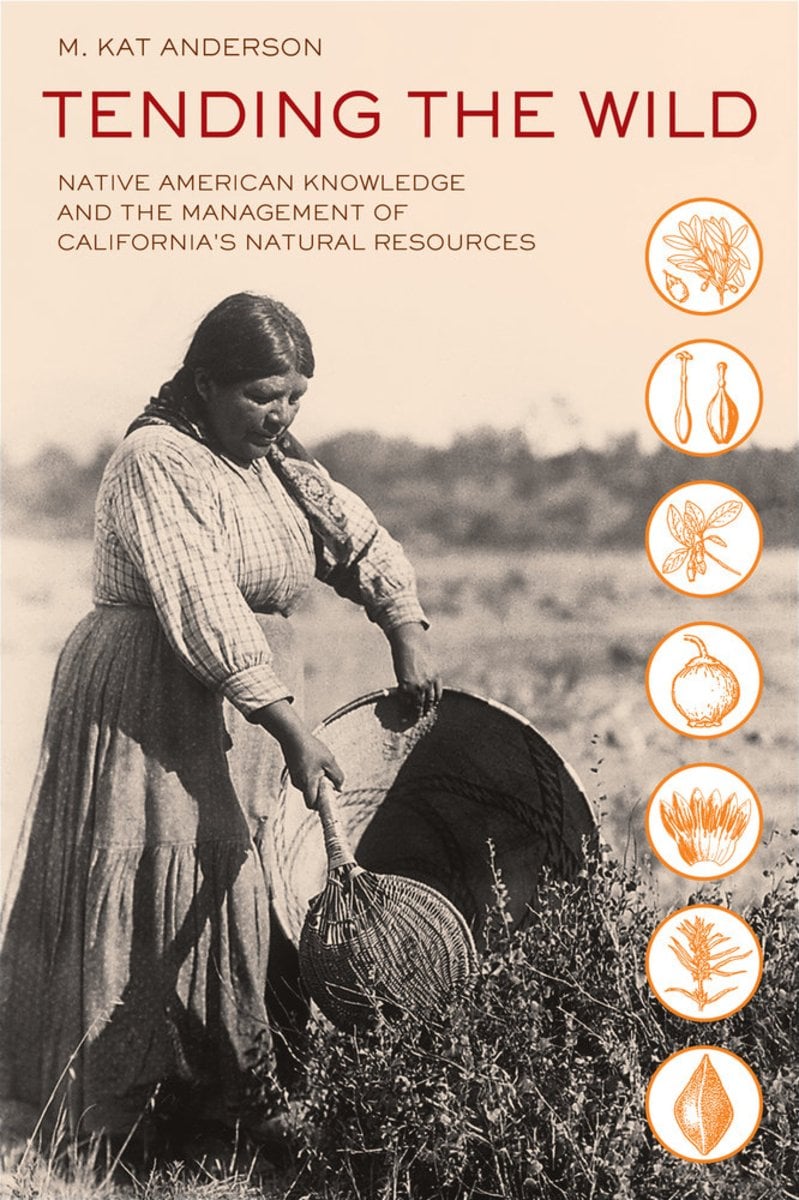
Tending the Wild: Native American Knowledge and the Management of California’s Natural Resources by M. Kat Anderson
M. Kat Anderson explores the traditional ecological knowledge of the American Indian peoples of California. John Muir was an early advocate for the idea that much of California was pristine, untouched wilderness before the Europeans arrived. But what John Muir really admired — grand vistas of Yosemite and purple flowers of the Central Valley — were really the fertile gardens of the Sierra Miwok and Valley Yokuts Nations, modified and protected through centuries of stewardship. Anderson investigates the long history of land management studied through interviews and correspondence with American Indians.
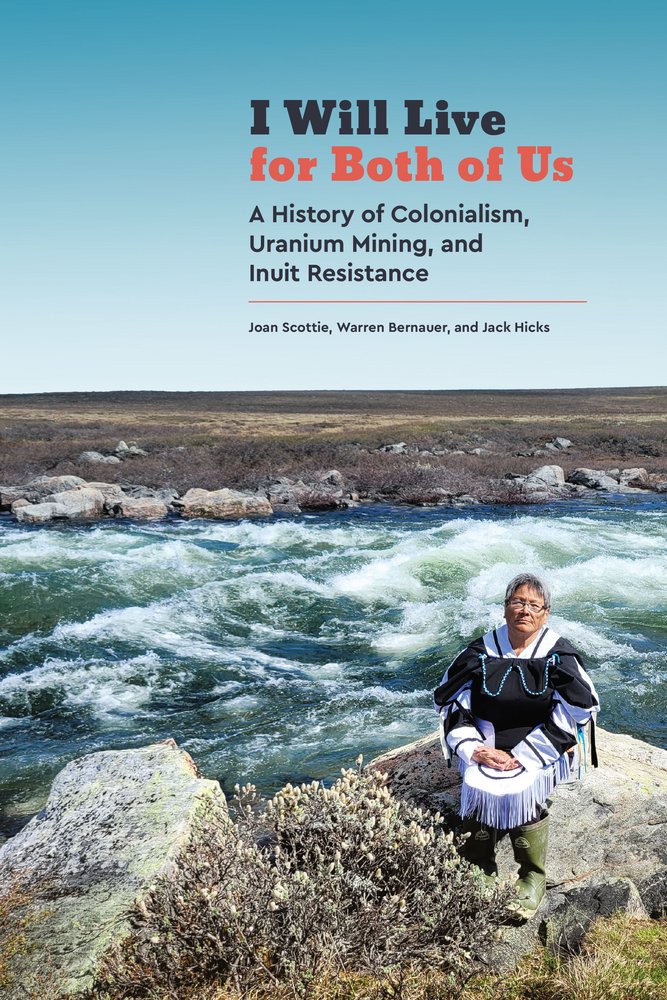
I Will Live for Both of Us: A History of Colonialism, Uranium Mining, and Inuit Resistance by Joan Scottie, Jack Hicks, and Warren Bernauer
Inuk activist Joan Scottie has spent decades protecting her culture and fighting against the various mining industries threatening the environment she calls home. Working with geographer Warren Bernauer and social scientist Jack Hicks, Scottie recounts life under colonialism in Nunavut. The historical recollections of battling the uranium industry and the Inuit cultural, social, and historical experiences stem from the trio’s shared conviction to promote healthier relationships between humans and the land.
Becoming Kin: An Indigenous Call to Unforgetting the Past and Reimagining Our Future by Patty Krawec
In this narrative call for unforgetting, Patty Krawec weaves the stories of her ancestors with broader themes of creation, replacement, and disappearance. Krawec takes the readers on a journey through the eyes of settler colonialism and the resilience of Anishinaabe peoples. She writes on to suggest ways in which we can better approach and appreciate the land wrought by colonialist destruction. Krawec retraces steps through a violent past, uncovering pieces lost along the way, as she calls for moving forward together.
Studying ecology is incredibly important, especially as we race headfirst towards a climate catastrophe. It is also important to study it through perspectives that often go unmarked, especially books told through Indigenous perspectives. Be sure to check these books out and add them to your TBR. Happy reading!
Interested in more books to add to that ever-expanding TBR? Check out some more recommendations here.
Find these titles and more on our Insightful Native American Reads to Widen Your Horizon shelf.