












There are a lot of steps when it comes to writing a novel, especially if it is a brand-new idea with original characters and a fresh plot. You have to think about conflict, worldbuilding, and subplots. If you write fantasy or sci-fi, then you have to create a magic system and possibly a god system. However, we will be focusing on writing and building characters in this article.
If you are anything like me, this is your favorite part of planning a novel. Characters come to life; they are almost like real people, and sometimes, they end up doing things that we, as writers, don’t intend to do. That’s what makes building them so much fun. I will be showing you all the different tips, tricks, and workshops you can do to help create strong, lovable, or hateable characters!
What is included in writing a character?
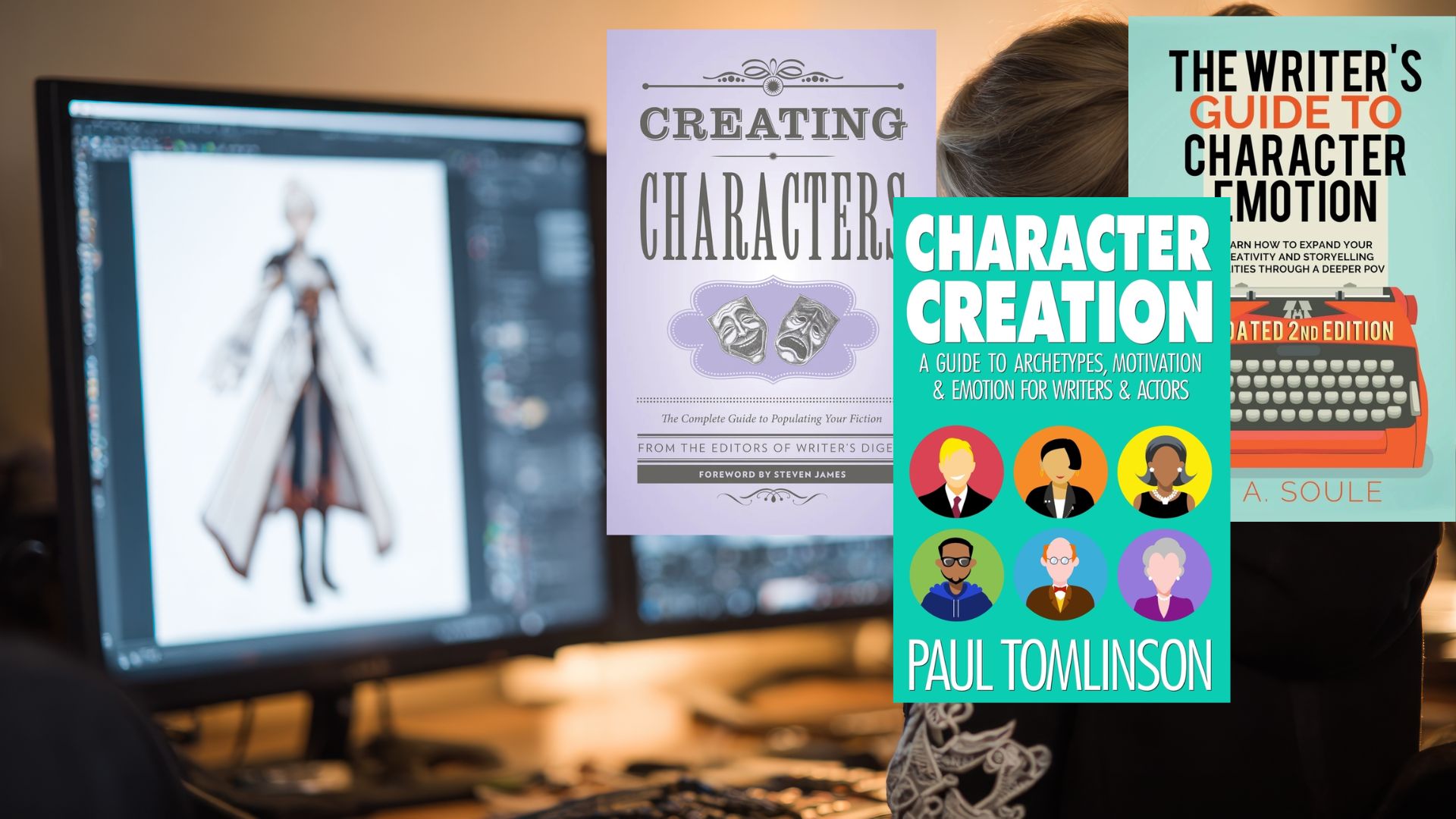
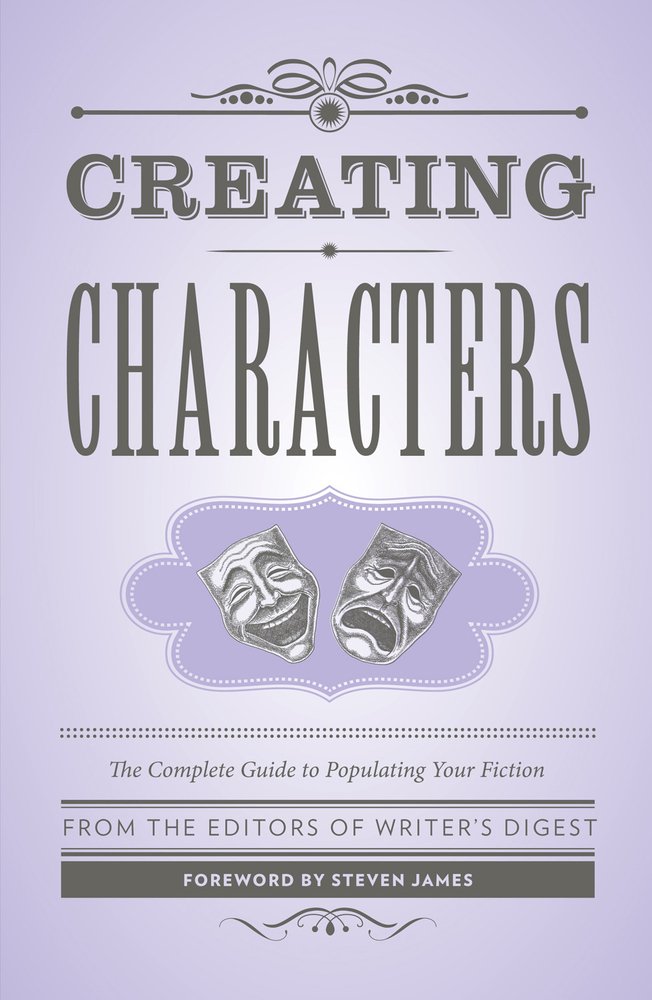
Writing a character isn’t just about what you see on the page. To create a character, you must build them up, even if most of what you come up with doesn’t get put into the book. Each part of the character is what makes them, them. They need profound backstories, as well as arcs. They need a voice, psychology, and GMC (goals, motivation, and conflict). They need an appearance and their own personality. To learn more about what is needed in writing a character, Writer’s Digest Books has the perfect guide: Creating Characters: The Complete Guide To Populating Your Fiction.
Characters are their own people, and just like how we might not see everything about a person when we first meet them, we learn about them over time. It also means that they may have their own path that wasn’t planned in the story but feels more authentic. Here are the steps when designing a character; however, you don’t have to follow this order.
Appearances and Voice
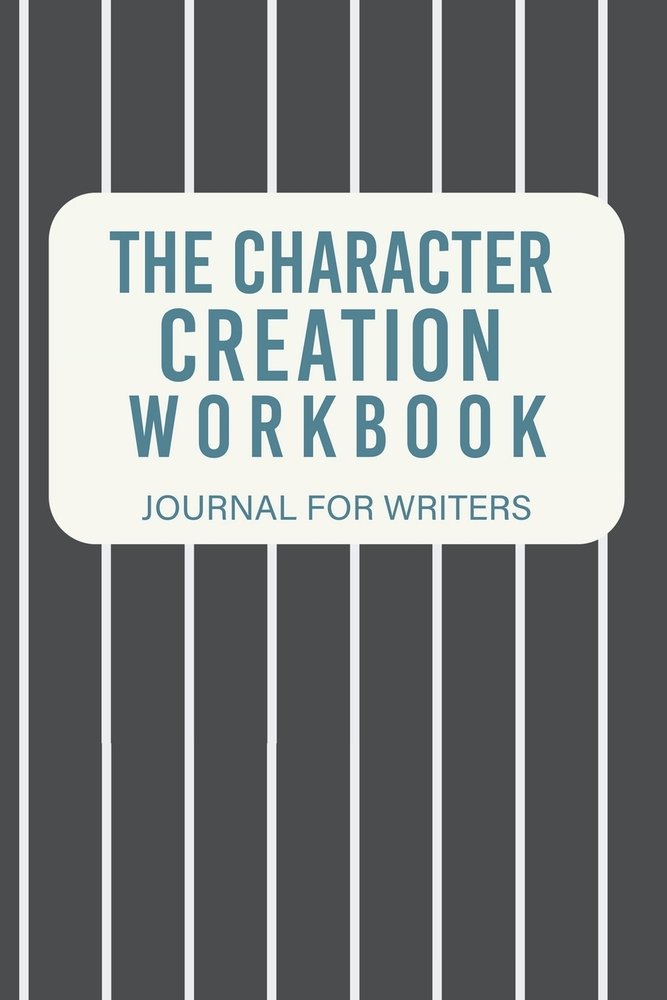
Appearance and voice are vital to your characters as they are the first factors of your character that readers will notice. Appearance is everything. It tells readers the type of life a character has. For example, take a gorgeous woman, dressed in the finest jewelry the realm can offer, and a rugged man, with callused hands and a scar down his cheek. They are very different people; we know they don’t live similar lives based on their descriptions. A great way to imagine a character is to create a visual board that includes pictures of people (real or illustrated), outfits, hair color, and aesthetics similar to your character’s appearance. It’s a fun way to create an appearance without burning out from writing too much. For more on appearance and voice, check out Chrstinia Escamilla’s book, The Character Creation Workbook.
Voice is another important piece of writing. Whether it be due to their accents, word choices, or age, voice is always different across the board and gives a character a sense of personality. Maybe one character swears more while the other talks with composure, or perhaps a character talks more emotionally and another is flat. One great exercise to build a character’s voice is to let them do it themselves. Put your character in a verbal fight with another character. Watch their language unfold and write whatever feels the most natural for their personality. The characters’ voices will build throughout the fight. This becomes a fun, creative activity rather than a boring planning session.
Friendships and Relationships
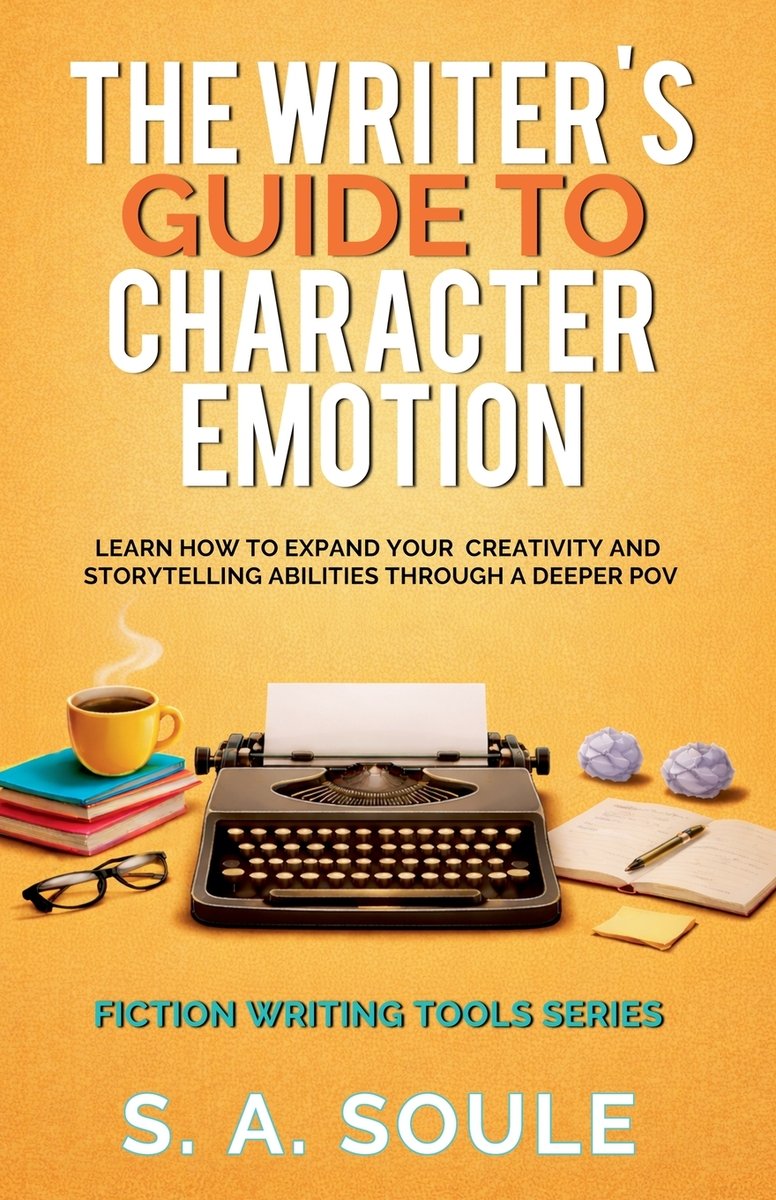
Friendships and relationships, or lack thereof, are significant factors to consider when building a character. This can be more tedious. Even if a character’s family/friend/partner is dead, they still have to express authentic grief (or joy, if that is the situation) to the dead individual(s). Your characters’ relationships and friendships are built on emotions. To develop them, you must formulate your character’s emotions towards everyone. To learn about writing emotions, check out S.A. Soule’s book, The Writer’s Guide to Character Emotion.
Establishing a character’s relationships requires asking many questions, such as how the character feels toward friends, whether they are a loner or more social, how they view relationships, whether they tend to be codependent or overly independent, how they feel about their family members, and whether their relationships are healthy or toxic. You also have to decide what conflicts come up between characters or what past incidents have shaped their relationship. Events that come up most often when looking into the past are betrayals, breakups, toxic behavior, and trauma.
Goals, Motivation, Conflict (GMC)
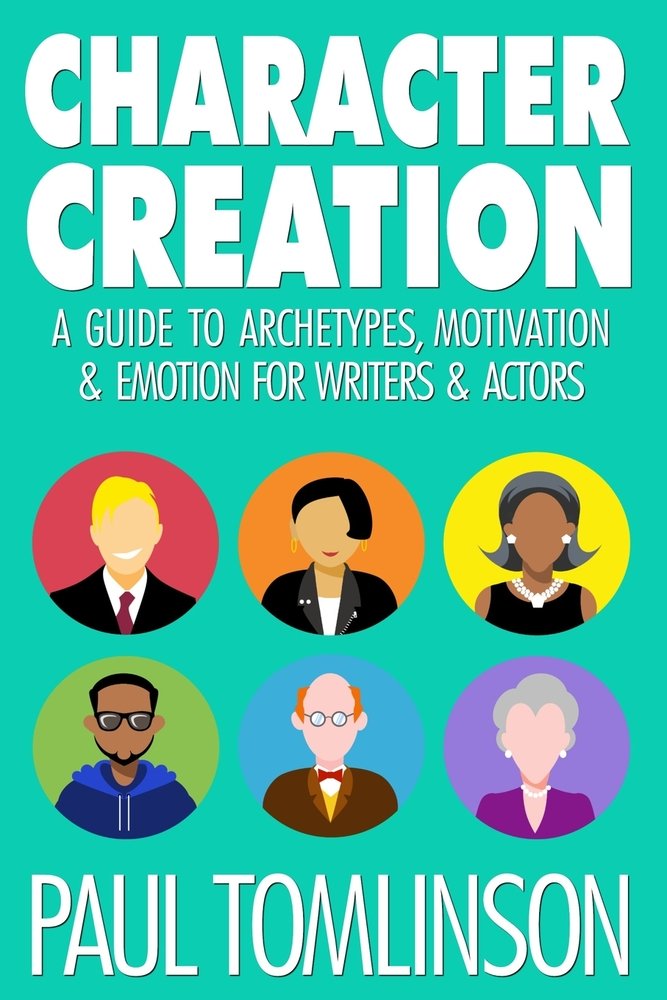
Goals, motivation, and conflict (GMC) are prevalent terms within the character-building side of writing fiction. This encompasses every aspect of the character’s depth in the story. GMCs are often established for the protagonist(s) and antagonist(s). They build the plot from each character’s side of the story, and this is significant because you can’t have a story without the characters progressing it. This includes determining important factors such as the characters’ motives and what incentivizes their goals and motivations. To learn more about GMC, read Paul Tomlinson’s Character Creation: A Guide to Archetypes, Motivations, and Emotions for Writers and Actors.
GMC is built similarly to friendships and relationships, as you have to ask many creative questions. This can include asking yourself about your character’s external and internal goals. An entertaining way to do this is to create an “investigation” board, where you list all the characters’ goals and motivations and see where they interact, whose goals need to fail for others to succeed, and how conflict builds from these interactions. For motivations, it’s essential to look deeper into the emotions you have built and figure out why your characters are the way they are. There are a lot of free worksheets out there that offer in-depth questions to help you build your characters’ GMC.
Backstory and Arc
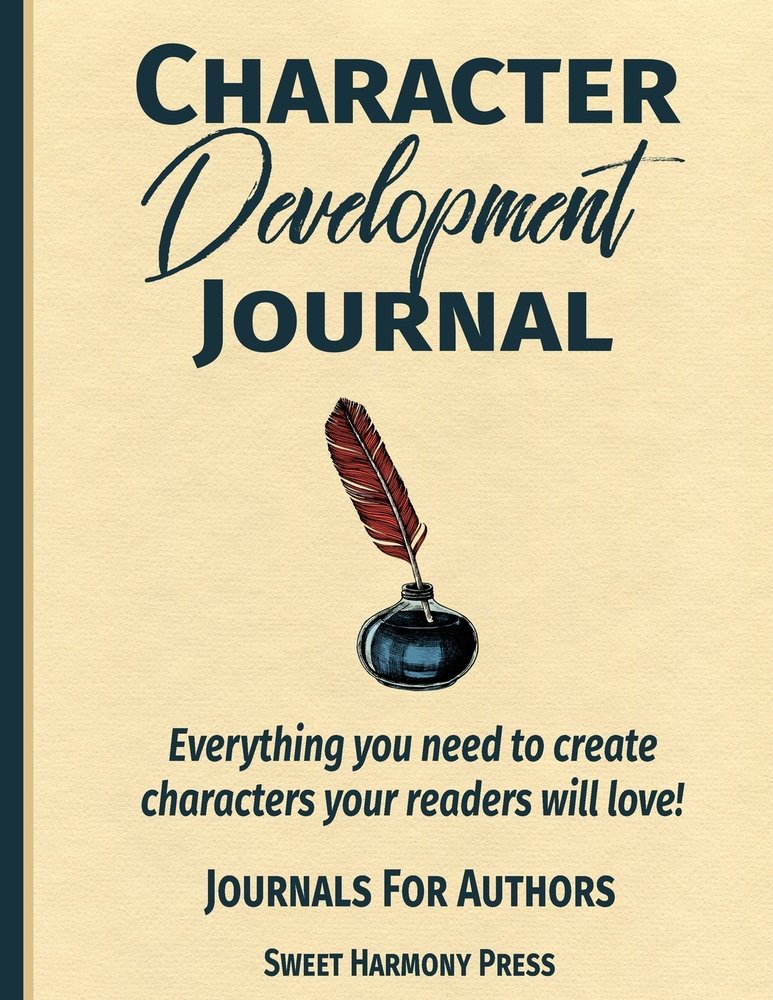
Backstory and arcs are two fundamental aspects to characters. Backstories are often not put into the story, but we may see glimpses. A backstory is necessary because it builds the emotions, relationships, and GMC, making your character unique and complete. It gives the reader a sense of mystery but also shows you have a strong character — one that won’t have plot holes or random characteristics and information. A great way to build a backstory is to simply write scenes from the past that won’t be read. This could include emotional moments, traumatic events, and happy memories, as well as important plot elements such as how they got magic or why they have sworn off love. Let it flow, and allow the character to take the lead. Check out Sweet Harmony Press’s Character Development Journal to learn more about backstories and arcs.
An arc, however, is seen in a story. Every character has to have flaws and be dynamic. You can have either a dynamic or a static character. The stronger the character is, the more dynamic they are. An arc is how they have developed after going through something difficult that forced them to change.
I personally love creating arcs for characters by giving them a diary and writing in it. No matter the genre, writing a diary in your character’s voice and describing how they have changed and what they have experienced is a fun and creative way to build an arc. It can also show you more about your character’s voice, emotion, GMC, and friendships, and is a fun tool to go back to as you write. It’s fun and easy: You only need a digital or physical notebook!
Personality and Psychology
Though this is last on the list, it is still a very important piece that writers often start with. I am sure you are sensing a pattern by now: All of these steps closely intertwine with one another, and as you build a personality, you will create every other aspect of your character as well. Similar to workshopping, I love creating a vision board with images that match them, such as their likes, their interest, the things they hate, the animals they love, the hobbies they do, their favorite color, their favorite place, and even a favorite real-life book and movie to add to their personality.
When you build friendships, GMC, and emotions, you will also build your character’s trauma, joys, failures, and successes, which are all a part of one’s personality. Darian Smith’s The Psychology Workbook for Writers: Tools for Creating Realistic Characters and Conflict in Fiction is the perfect book to understand what psychology in a character truly means.
If you have ever taken a psychology class, you know that there is a lot more to a person than simply their personality. There is cognitive dissonance, the id, ego, and superego, as well as their traits, coping mechanisms, beliefs, and chemical imbalances. These are all a part of someone’s psychology and what makes someone unique. Building psychology is complex as it is intense and often not shown, but it is still essential. Asking the right questions is precisely what you need here, such as whether they are arrogant or calm, whether they have a mental illness, and whether they can cope healthily. Maybe they are spiritual, or perhaps they don’t believe in anything.
There are also free worksheets and guides to help you build someone’s psychology, which I have often used!
I hope all writers can find peace and relief in this character-building guide! Writing is a very personal task, so these exercises might not work for everyone. But they are a great place to start, and the books offered above provide valuable insight that is sure to help any aspiring author. Who knows, maybe you will write the next best protagonist or antagonist! Happy writing!
Want more books about writing? Check out our Three To Read on writing books here.
For more books on writing tips and tricks, click here to see our recommendations on Bookshop!