

















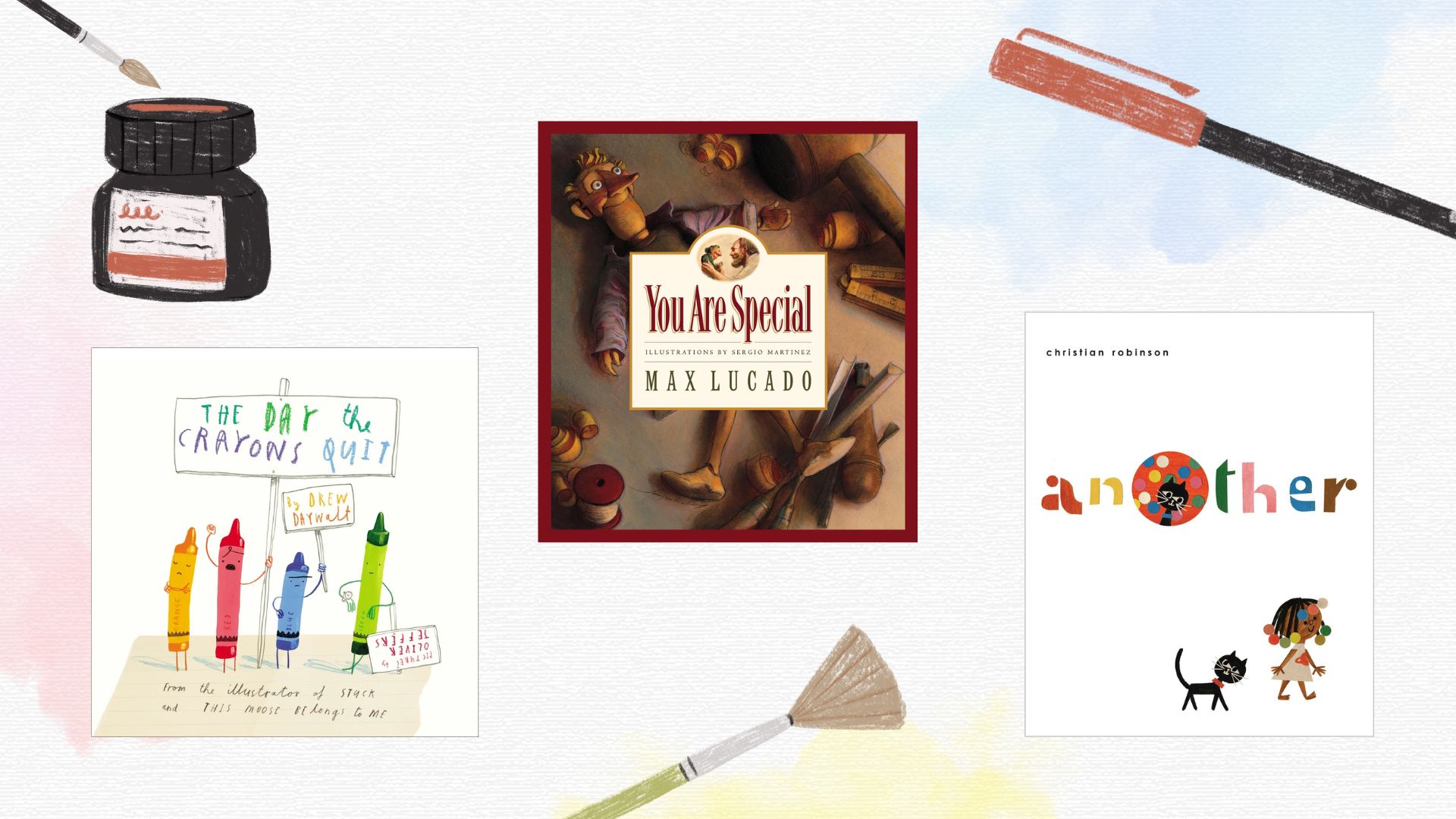
Picture books prove that storytelling doesn’t always need paragraphs to make an impact. Before young children can read words, they can “read” pictures — noticing expressions, colors, and patterns that suggest and add meaning. Picture books are often a child’s first introduction to storytelling, and in those early interactions, the illustrations surely do most of the talking.
In the best picture books, the art isn’t just decoration; it’s communication. Illustrators use colors, movement, and expressions to tell a story all on their own — one that beautifully complements the words on the page, while adding meaning that the text can’t always carry.
Finding the Balance
Award-winning picture books live in the balance between what’s written and what’s shown. The text gives the story its rhythm, while the illustrations bring warmth, humor, and heart. One without the other can still tell a story — but together, they create something that feels alive and complete. That balance is what can turn a seemingly simple picture into something truly unforgettable.

When done well, the words and images move in harmony, each knowing when to lead and when to step back. The text itself might hint at emotion, but the art delivers it — through a glance, a splash of color, or a quiet detail that says more than any length of sentence could. It’s a collaboration built on trust: The author trusts the illustrator to fill in the spaces between words, and the illustrator trusts the written story to give their art purpose. When the balance clicks, readers don’t just follow the story — they feel it.
The Illustrator as Storyteller
Illustrators are more than visual interpreters; they’re co-authors in every sense. Through a single raised eyebrow, a tilted head, or a carefully chosen color palette, they tell us things the author never writes. Their techniques reveal mood and personality, shaping the way we feel about the story long before the words catch up.
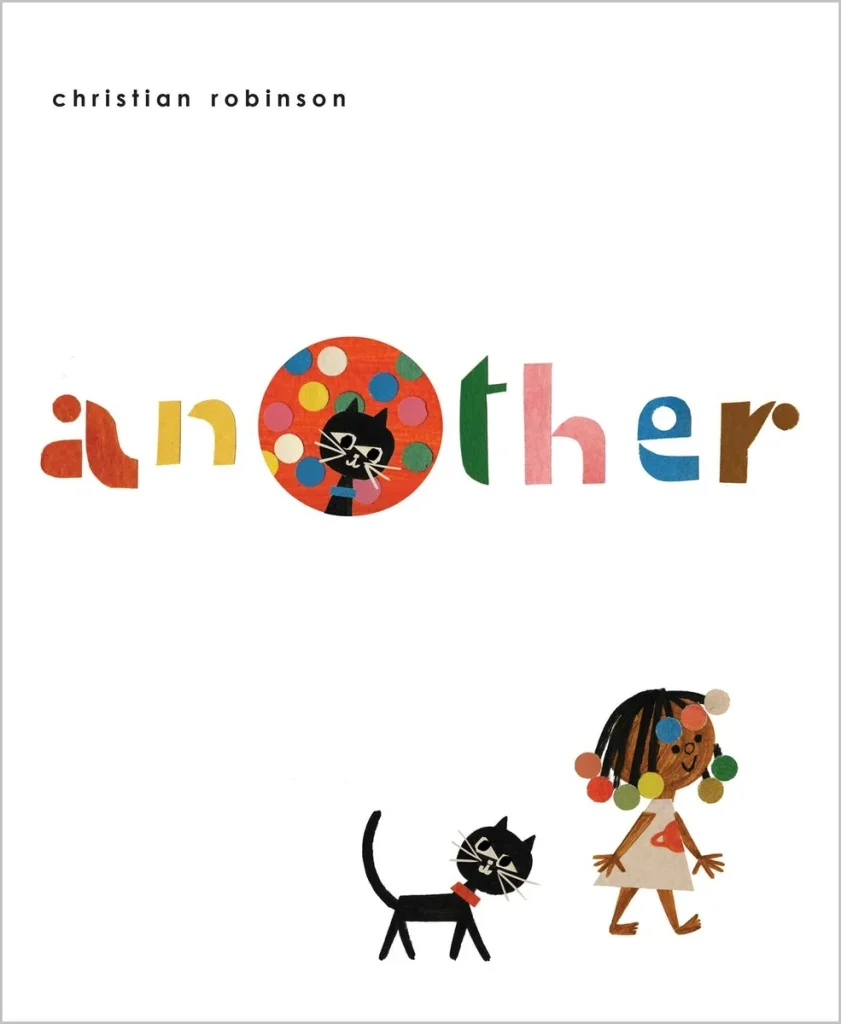
Christian Robinson’s Another is a perfect example of this kind of visual storytelling. The book contains almost no text at all — yet it speaks volumes. Through dreamlike imagery and shifting perspectives, Robinson takes readers on a journey through parallel worlds. His illustrations invite curiosity and interpretation, letting children “read” through observation and emotion. Every page turn is a small discovery — proof that pictures can hold narrative power all on their own.
When Pictures Teach Without Words
Illustrations can also teach concepts that words alone can’t quite capture. Think of the Crayon books by Drew Daywalt, illustrated by Oliver Jeffers, where colors become characters with voices, personalities, and feelings. Beyond their clever and witty humor, those books show what words can only describe. When we see the color “blue,” we learn blue — in oceans, in skies, in denim jeans.
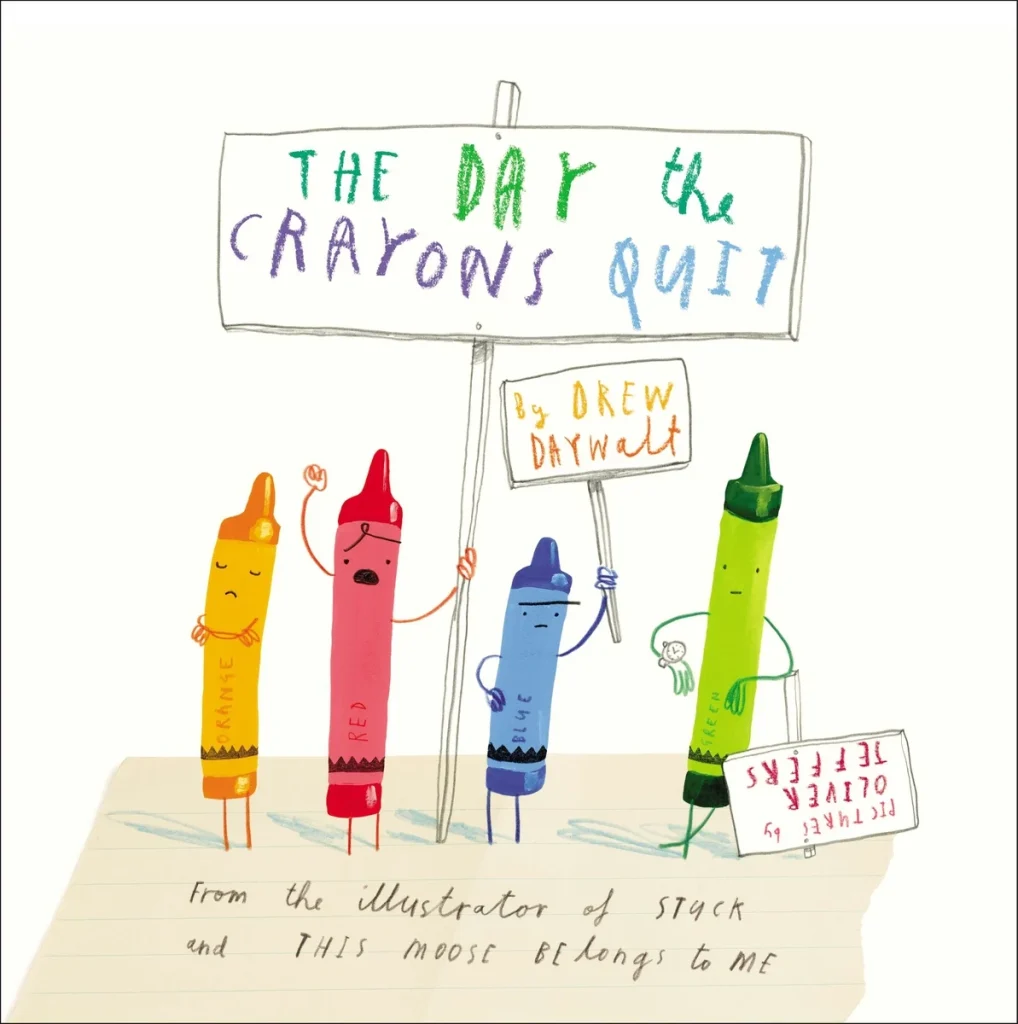
That is the quiet magic of illustration: It makes ideas visible. Children understand texture, shape, and even emotion before they can spell or read those words. Through images, they start connecting the abstract to the tangible — learning through sight and feeling rather than direct instruction.
Illustration as Emotion, Empathy, and Representation
Beyond storytelling, picture book art shapes how young readers understand the world. Illustrators bring empathy and inclusivity to the page, giving children a chance to see themselves — and others — reflected on the page, often for the very first time. Through choices in color, character design, and perspective, illustrators can bring warmth, humor, and empathy to subjects that might otherwise feel distant.
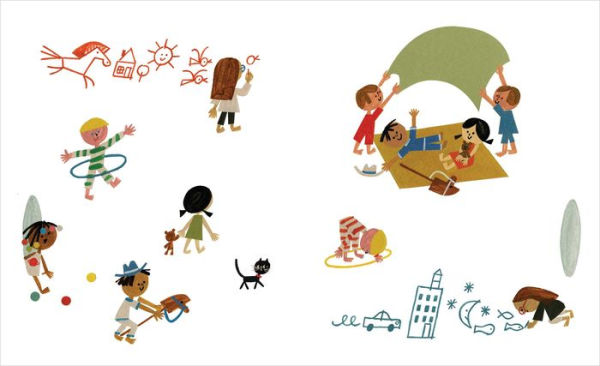
When an illustrator leans into representation and authenticity, the result resonates deeply. Picture books like Robinson’s Another remind us that storytelling is for everyone — that every child deserves to feel both seen and surprised by what they find in a book.
A Lasting Impression
The best picture books stay with us not because of what they said, but because of what they showed. Illustrations linger in our memories long after the story ends, shaping the way we remember those early moments of wonder and curiosity.
I barely remember the title of You Are Special by Max Lucado, and I couldn’t quote a single line from it if I tried. But I still think about Sergio Martinez’s picture of the sad wooden figure — Punchinello — with gray dots, surrounded by others covered in gold stars. That image alone carried the story’s message — about worth, acceptance, and belonging — in a way that words never could. And that’s stayed with me for decades.
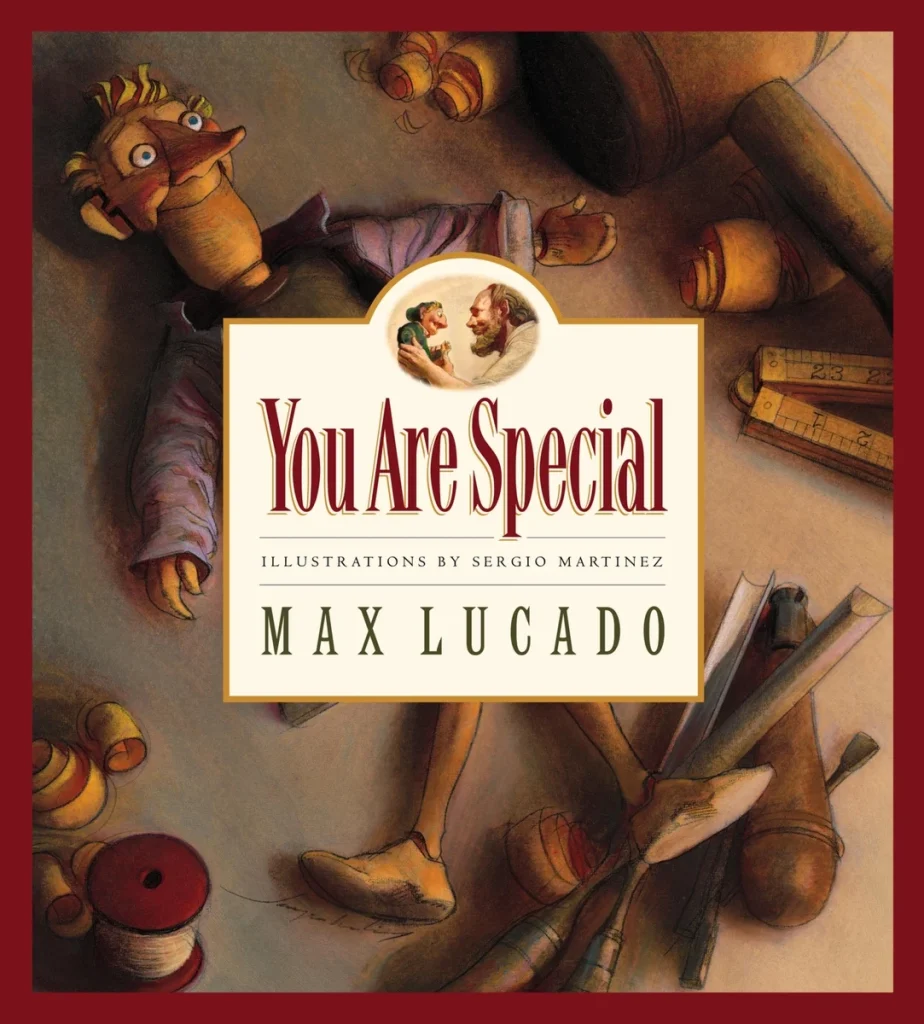
Illustration is more than visual support — it’s the heart of the storytelling experience. In the end, every picture book is a collaboration — a duet between writer and illustrator. And it’s within that partnership that stories truly come to life.
The story doesn’t just come to life — it stays alive.
Want to see how illustration has evolved over the centuries? Read From Chisels to iPads: The Fascinating History of Book Illustration next.
Keep the storytime magic going with our Rainy Day Children’s Books shelf on Bookshop — full of color, comfort, and imagination.
