
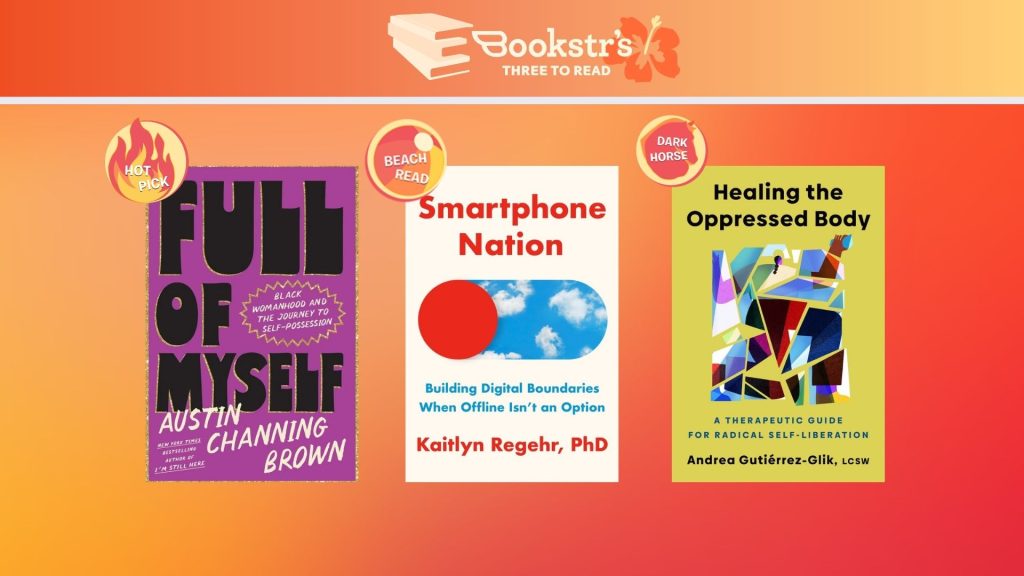

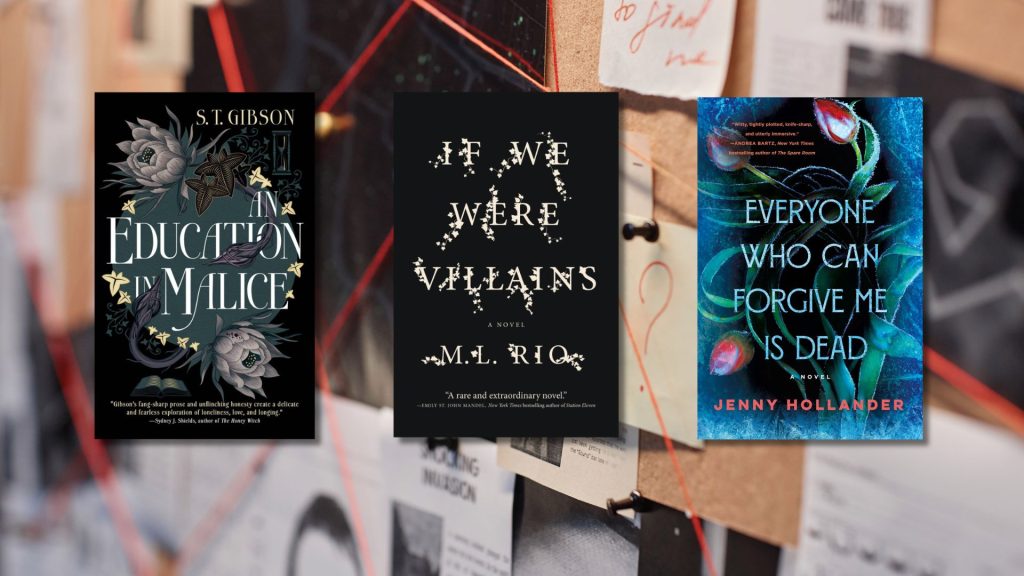
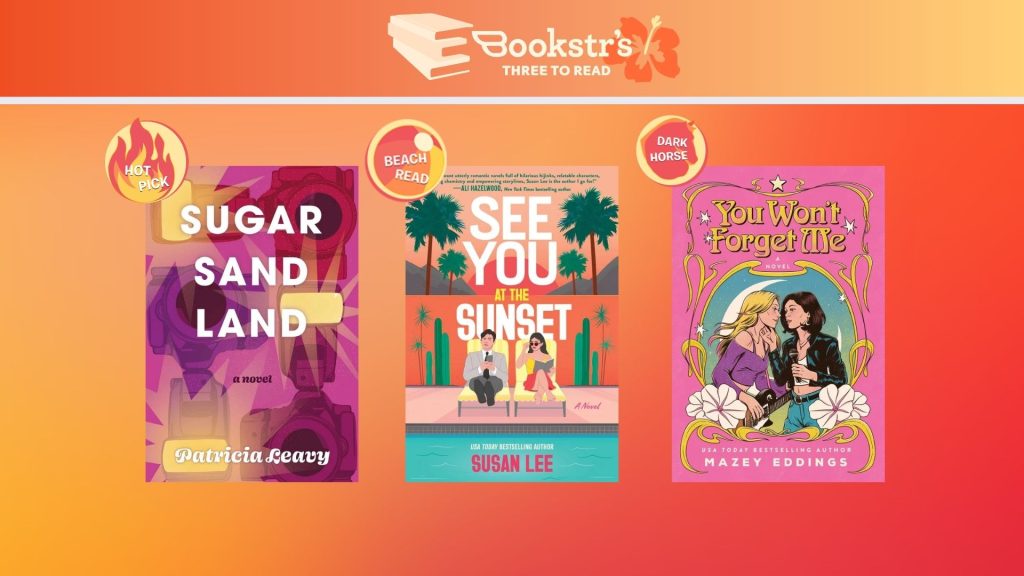


As summer’s warmth begins to wane and the crisp breath of autumn whispers its arrival, we find ourselves in a unique space between the tender embrace of Romance Month and the eerie allure of Halloween. It’s in this transition that we explore a compelling theme — love stories where hearts beat faster not just from passion, but also from fear. Stephanie Meyer’s famous line from Twilight, “And so the lion fell in love with the lamb,” perfectly encapsulates this blend of romance and danger, inviting us to dive deeper into the dark and thrilling emotion of falling in love with a monster.
From time immemorial, tales of forbidden love have captivated audiences. There’s something undeniably magnetic about lovers who shouldn’t be together, and this magnetism is amplified when one-half of the couple is a “monster.” The idea of the monstrous lover — whether a literal creature of the night or a metaphorical beast — taps into our deepest fears and desires. These stories allow us to explore the boundaries of love, testing its limits against the forces of darkness.
Gothic Romance: Where It All Began
To understand this fascination, we must travel back to the origins of Gothic romance, the genre that first intertwined love with horror. In classics like Dracula (1897) and Frankenstein (1818), monsters are not merely villains to be vanquished; they are complex beings capable of love, longing, and despair. These early works laid the foundation for modern horror romances, where the line between lover and monster is often blurred.
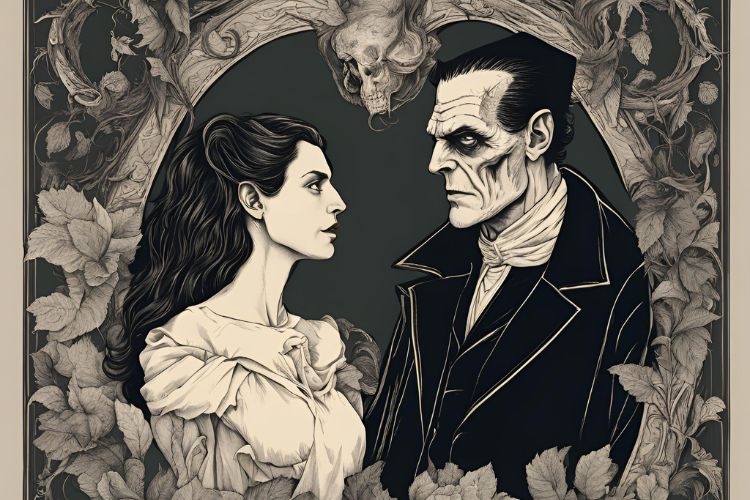
In Bram Stoker’s Dracula, for instance, the titular vampire’s seduction of Mina Harker is laced with both terror and an undeniable eroticism. Similarly, Mary Shelley’s Frankenstein presents the Creature as a tragic figure, whose monstrous exterior belies a soul capable of profound emotion. These tales invite us to question what it means to be human.
Romance Thrillers: Love on the Edge of Danger
In the world of romance thrillers, the stakes are raised even higher. Here, love and danger are inextricably linked, with the tension between attraction and fear driving the narrative forward. Take, for example, Gone Girl by Gillian Flynn. While not featuring a traditional “monster,” the psychological manipulation and dark undertones create a love story that is as chilling as it is compelling.
These stories thrive on the idea that love is a double-edged sword, capable of both saving and destroying us. The thrill comes from watching characters navigate this perilous terrain, where the wrong step could lead to heartbreak (or worse).
Horror Romance: Love in the Shadow of Fear
As we shift closer to Halloween, it’s only fitting to delve into horror romance — a genre where love blossoms amidst the macabre. In films like Crimson Peak (2015), directed by Guillermo del Toro, the romance is as haunting as the ghosts that inhabit the story. The love story is steeped in gothic imagery and supernatural elements, creating a narrative that is both beautiful and terrifying.
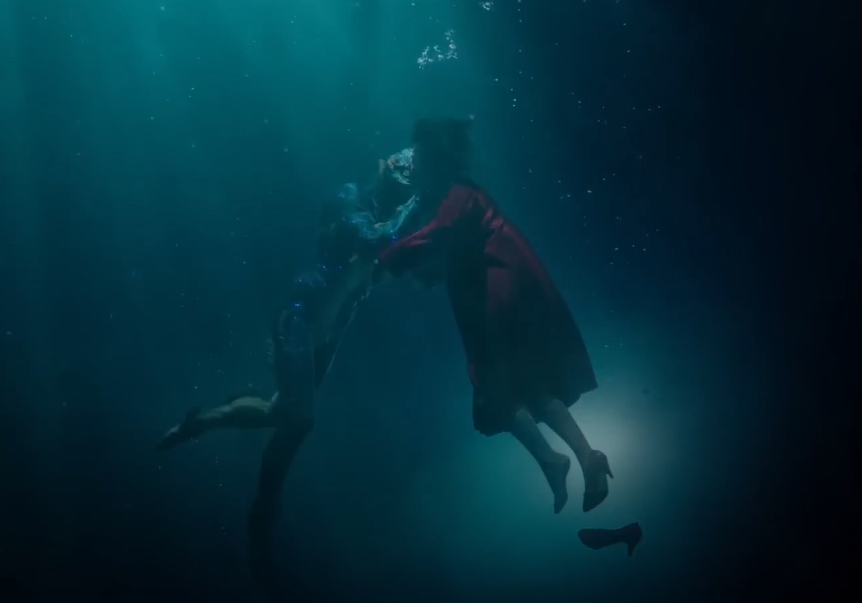
Similarly, del Toro’s The Shape of Water (2017) presents a love story between a mute woman and an amphibious creature. What makes this tale so poignant is how it turns the idea of the “monster” on its head, showing us that true monstrosity often lies in the hearts of those who cannot love or accept others.
Twilight: A Modern Monster Romance
No discussion of love and monsters would be complete without a nod to Twilight. Stephanie Meyer’s saga redefined the vampire-lover for a whole generation, transforming the once-feared predator into a brooding, love-struck hero. Edward Cullen’s relationship with Bella Swan is the epitome of the lion falling in love with the lamb — a dangerous and forbidden love that defies all odds.
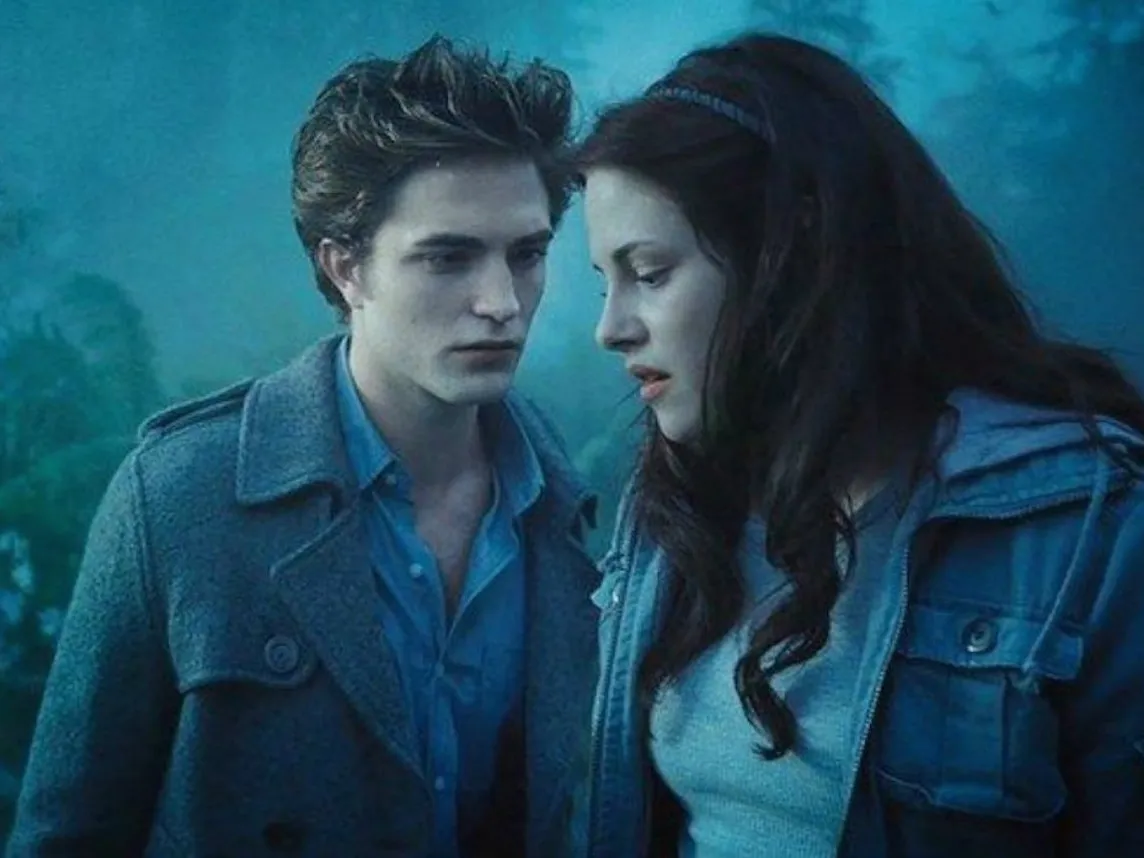
The appeal of Twilight lies in its ability to balance the tension between Edward’s vampiric nature and his deep love for Bella. It’s this constant push and pull between his desire to protect her and his fear of harming her that keeps readers hooked. Meyer’s work speaks to our longing for a love that transcends the ordinary — a love so powerful it can conquer even the darkest of natures.
Why Are We Drawn to Monster Lovers?
One of the main reasons we find ourselves so captivated by these stories is that they allow us to explore our own fears through the pages we turn so fervently. The monster lover represents the unknown, the dangerous, the forbidden — yet also the possibility of redemption and transformation.
There’s a psychological thrill in the idea of taming the beast, of finding the humanity within the monster. These stories tap into our deepest desires for connection and understanding, even with those who seem beyond redemption. They remind us that love is not just about finding someone who complements us, but about embracing the parts of ourselves that are wild, untamed, and maybe even a little bit dangerous.
In the end, the enduring appeal of falling in love with a monster lies in its ability to blend the best of both worlds — romance and horror. These stories offer a unique thrill, a heady mix of passion and peril that keeps us coming back for more. As we transition from the warmth of summer love to the chills of autumn, let’s embrace the monsters that lurk in our favorite tales; and perhaps in our own hearts as well.
Find out these 10 exciting fan theories about Twilight here!
For more book recommendations, check out our romance shelf on Bookshop.