















Haruki Murakami’s Kafka on the Shore is one of those novels that blurs the boundaries between reality and the surreal. It feels like a dream you can’t quite shake off, filled with bizarre events like talking cats, fish falling from the sky, and characters who seem to straddle both the physical and metaphysical worlds. This strange but captivating mix is what makes the novel a perfect example of magical realism. So, what exactly is magical realism, and how does Kafka on the Shore fit into this genre?
What is Magical Realism?
Magical realism is a literary genre where fantastical elements are treated as a normal part of the world. Unlike in fantasy, where magic is openly acknowledged as separate from reality, magical realism presents extraordinary events as though they belong naturally within the everyday. It creates a world where the line between the real and the unreal is blurred, leaving the reader suspended between wonder and the familiar.
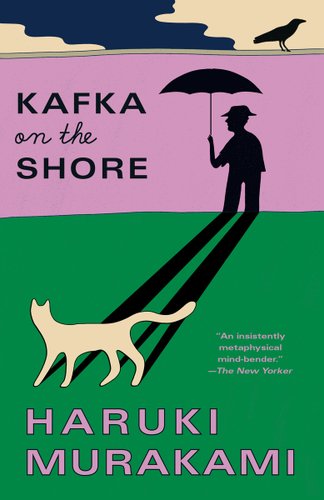
Murakami’s Kafka on the Shore (2002) fits neatly into this genre. The novel takes place in a world where, for the most part, everything seems like it’s grounded in reality — until it’s not. What makes this magical realism rather than outright fantasy is the way these surreal elements are presented. In Murakami’s world, talking to cats or seeing fish rain down from the sky isn’t treated as something shocking or even in need of explanation. The characters (and readers) are expected to accept these occurrences as part of the fabric of reality.
The Seamless Blend of the Ordinary and Extraordinary
One of the hallmarks of magical realism is its ability to blend the mundane with the fantastical in a way that feels seamless. In Kafka on the Shore, Kafka is a 15-year-old runaway, navigating real-world issues like family trauma and self-discovery, but alongside this, we see him experiencing bizarre events like a supernatural alter ego named Crow and eerie metaphysical interactions. These events are not presented with the wonder of a fantasy novel but as natural extensions of Kafka’s journey.
Take Nakata, for example, who lost his ability to read after a mysterious childhood accident but can now communicate with cats. To him and the people around him, this ability is accepted without much fanfare. The conversations with cats aren’t treated as something out of place; they’re just part of Nakata’s reality, blending the extraordinary into the ordinary.

This understated presentation of the surreal is where Kafka on the Shore finds its place in magical realism. The novel doesn’t try to explain why these events happen nor does it build elaborate rules around its supernatural elements. The magical is simply a part of life, no more remarkable than anything else.
How Kafka on the Shore Compares to One Hundred Years of Solitude
One of the best-known works in magical realism is One Hundred Years of Solitude (1967) by Gabriel García Márquez, which also weaves the fantastic into everyday life. In both novels, surreal events are central to the narrative, yet the characters and the story continue as though nothing is particularly unusual. Márquez’s story involves ghostly presences, extraordinary events like a rainstorm that lasts for years, and flying carpets, all treated as natural parts of the world.
In Kafka on the Shore, there’s a similar acceptance of the absurd. When Colonel Sanders appears as a metaphysical being or when Nakata talks to cats to help solve a murder, it’s all part of the narrative’s flow. The characters may wonder about these events internally, but they don’t disrupt the course of their lives just as the characters in One Hundred Years of Solitude accept the strange as part of their world.
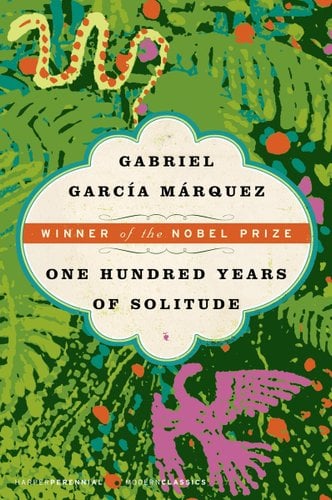
Both novels also share a theme of cyclical time and the idea that the past and present are intricately linked. In Kafka on the Shore, Kafka is haunted by an Oedipal prophecy, constantly battling the idea that his fate may already be sealed. Similarly, in One Hundred Years of Solitude, the Buendía family is caught in a cycle of repeated mistakes, hinting at the inevitability of fate. Both novels use their magical elements to explore this idea of fate versus free will, further cementing their place in the magical realism genre.
The Master and Margarita: The Absurd and the Philosophical
Another notable comparison can be made with Mikhail Bulgakov’s The Master and Margarita (1967), a classic of magical realism that, like Kafka on the Shore, juxtaposes the ordinary with the surreal. In The Master and Margarita, the devil comes to Soviet Moscow, causing chaos and surreal events, but the characters accept these fantastical occurrences as though they belong in everyday life.
In Kafka on the Shore, the fantastical is similarly introduced without much fuss. Just as Moscow residents continue their lives despite the absurdity of supernatural events, Kafka, Nakata, and the other characters in Murakami’s novel confront strange realities without losing their grounding in the ordinary.

Both novels use magical realism to delve into philosophical questions. Where The Master and Margarita explores the nature of good and evil, Murakami uses magical realism to explore deeper ideas of identity, memory, and the subconscious. The surreal moments in Kafka on the Shore often feel like they’re directly linked to the characters’ internal struggles, adding layers of meaning to otherwise inexplicable events.
Why Magical Realism Works for Kafka on the Shore
So why does magical realism work so well in Kafka on the Shore? It’s because Murakami uses it to reveal deeper truths about the human condition. The blending of real and unreal allows him to explore existential questions — what it means to be human, how we interact with our past, and whether we can ever truly know ourselves. The surreal moments in the novel feel like manifestations of the characters’ inner worlds, making the magical an integral part of the emotional and psychological journey rather than a separate “fantasy” element.

Murakami’s take on magical realism is also unique in how it reflects both Eastern and Western philosophies. While García Márquez and Bulgakov draw heavily from their cultural and political landscapes, Murakami weaves in Japanese folklore, philosophy, and Western pop culture to create a distinct version of magical realism that feels both global and deeply personal.
Kafka on the Shore is a novel where magical realism truly shines. By treating the surreal as part of the everyday, Murakami invites readers into a world where the strange is just another facet of reality. Like the works of García Márquez and Bulgakov, Murakami uses magical realism not just for spectacle, but to explore deeper themes of identity, fate, and memory. The result is a novel that feels both fantastical and profoundly real — exactly what magical realism is all about.
Intrigued by the magical realism of Kafka on the Shore? Discover more here!
Then, check out our fantasy shelf on Bookshop.org!