






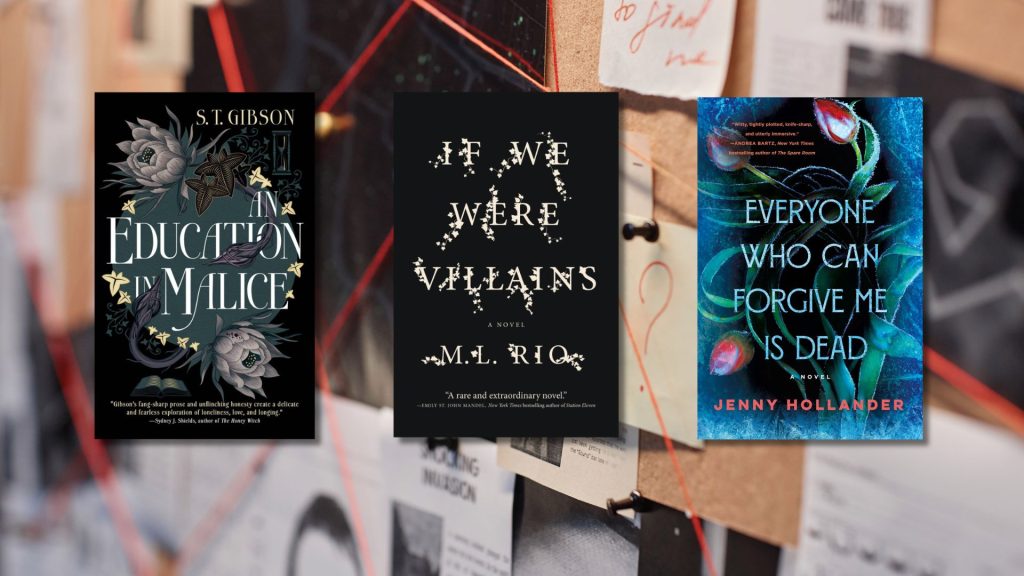



Us English majors are frequently met with courses and books we absolutely love. Whether it means rereading favorite books like Gold Diggers and The Glass Castle, or discussing book culture within particular genres, that sort of coursework sticks with us. But we’re also hyperaware of the courses we would absolutely love to cut from our curriculum and never have to take again. Here’s a list of outdated, dull classes we’ve had enough of.
Shakespeare-Overload Classes That Kill the Joy of English Lit
Now, don’t get me wrong, I understand that there’s value in learning about Shakespeare and the foundation of English literature. But most of the time, we’re exposed to his works as early as middle school, dedicating weeks to dissecting the language and themes of Romeo and Juliet and Macbeth. By the time we’re in college, focusing primarily on Shakespeare’s work becomes redundant, especially if there’s nothing new brought into the conversation.
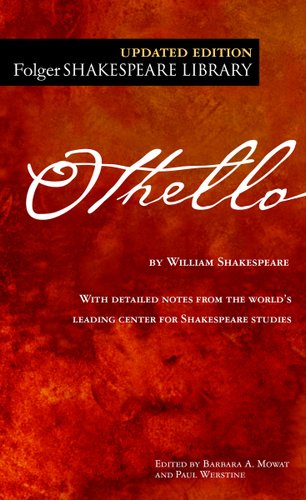
Creating courses that don’t solely focus on Shakespeare but puts his work in conversation with contemporary books would provide more of a refreshing look at those classics. For example, Americanah by Chimamanda Ngozi Adichie could provide a fruitful discussion if paired with Othello, since they include similar themes of race and an outsider’s experience. Looking at their similarities while also investigating the differences in cultural contexts could engage students more in the classroom.

Courses With Ancient Texts That Fail to Engage
Again, clearly there are benefits to reading older texts like Beowulf. However, these medieval works can be very dense and inaccessible to young college students. Current students struggle to connect with these texts due to their archaic language and distant cultural contexts, which can make the required reading feel irrelevant to contemporary issues and experiences.
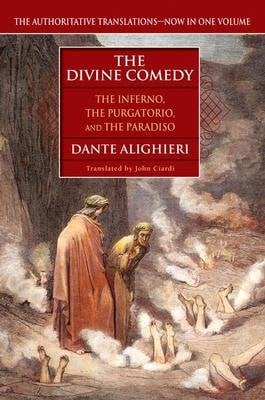
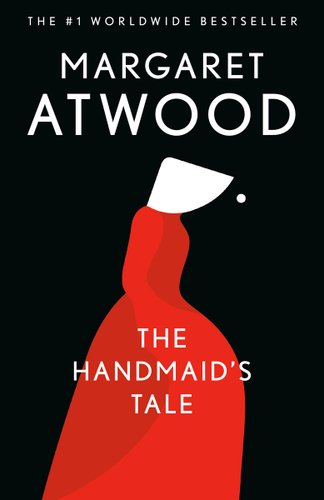
A way to modify these courses for more student engagement is to use these historical texts and connect them to current social issues. A study on The Divine Comedy by Dante Alighieri can be focused on the themes of social justice and morality issues as these are more relevant to students’ own experiences. Additionally, drawing comparisons to modern texts with similar topics, like The Handmaid’s Tale, would also be helpful for students in these courses.
Classes Centered on Straight White Male Authors
The contributions of straight white male authors to literature are undeniably significant, shaping much of the Western canon. However, courses that focus solely on these authors can feel restrictive and disconnected for today’s diverse student population. Many students struggle to relate to texts that don’t reflect their identities or the variety of voices that define the modern world. This lack of representation can make it difficult to engage with material that feels distant from their own experiences and the issues that matter most to them.
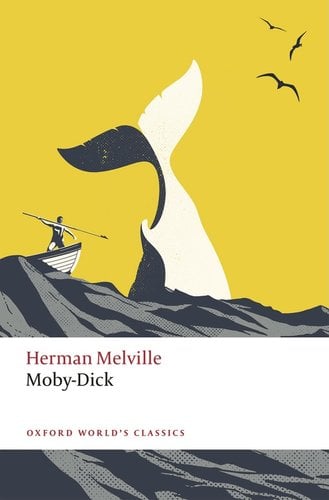
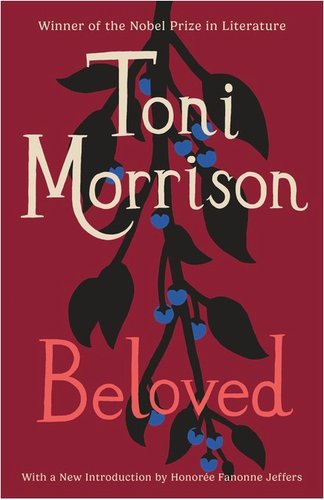
A simple solution for these classes is to create a more inclusive, diverse curriculum. Incorporating writers that represent different genders, races, ethnicities, and sexual identities can allow students to become more interested in what they’re reading while still gaining the skills and knowledge they would have received before, just from a modern lens. By studying both Moby-Dick and Beloved, students can explore the depth and complexity of the Western canon while understanding how diverse perspectives enrich and broaden the literary landscape.
Eurocentric-Focused Courses That Limit Perspectives
Similar to the section before, there are important takeaways from stories written in England and other countries in Europe. However, a curriculum that centers exclusively on European literature can leave students feeling disconnected from their own cultural backgrounds and the global context. By expanding the focus beyond Europe, students can gain a richer, more comprehensive understanding of literature and its diverse influences.
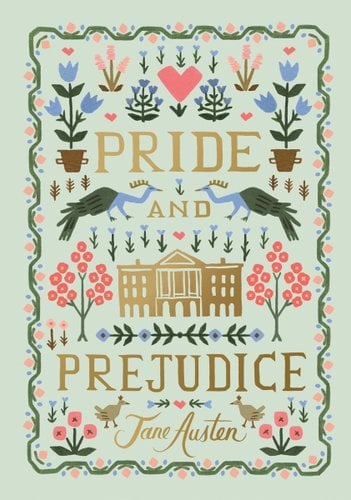
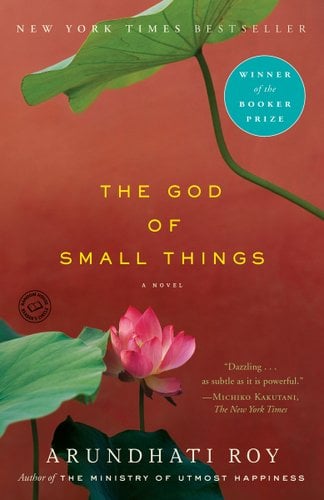
Students would prefer courses that offer a global perspective, including literature from non-Western cultures, such as books by Indigenous authors or works from the Global South. While we can still teach Pride and Prejudice by Jane Austen, it’s important to include other titles from different parts of the world like The God of Small Things by Arundhati Roy. This approach not only enriches the curriculum but also ensures that students are exposed to a broader range of voices and experiences, fostering a more inclusive and comprehensive understanding of literature.
Formal Structure-Only Poetry Classes That Stifle Creativity
For beginner poets, there is power in learning the traditional structures of poetry so you’re able to identify and use those forms as you please. Limiting student poets to strictly write in these forms may affect their interest in creating or reading poetry. Embracing a variety of poetic styles can help keep students engaged and inspired, allowing them to explore their own unique voices and creativity.
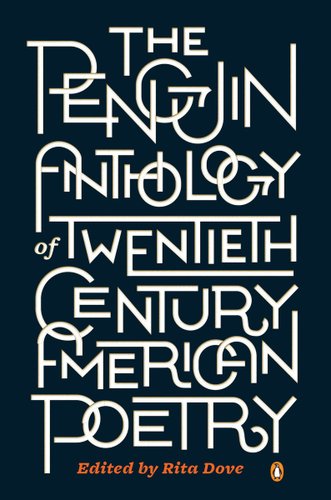
A class that embraces not just formal structures of poetry, but also free verse, spoken word, and other boundless forms can reach students more as they reflect contemporary and diverse poetic voices. The Penguin Anthology of Twentieth-Century American Poetry, edited by Rita Dove, features a combination of formal and informal structures, providing guidance on how to use both. By engaging with this wide array of styles, students can better appreciate the full spectrum of poetic expression and develop their own unique voices.
There are aspects of our curriculum that we’d be happy to see evolve, especially those that limit our exposure to diverse and contemporary perspectives. By embracing a broader spectrum of literary voices and formats, we not only enrich our academic journey but also ensure that our education remains vibrant and attuned to global literature. After all, there’s no reason our studies should feel like a monotonous replay of the same old plotlines — let’s add some new chapters to the story!
Wanna discover more women authors to add to your curriculum? Check out this article.
Be sure to browse our Back-to-School Recommendations for All Ages bookshelf on Bookshop.org for more novels for class!