















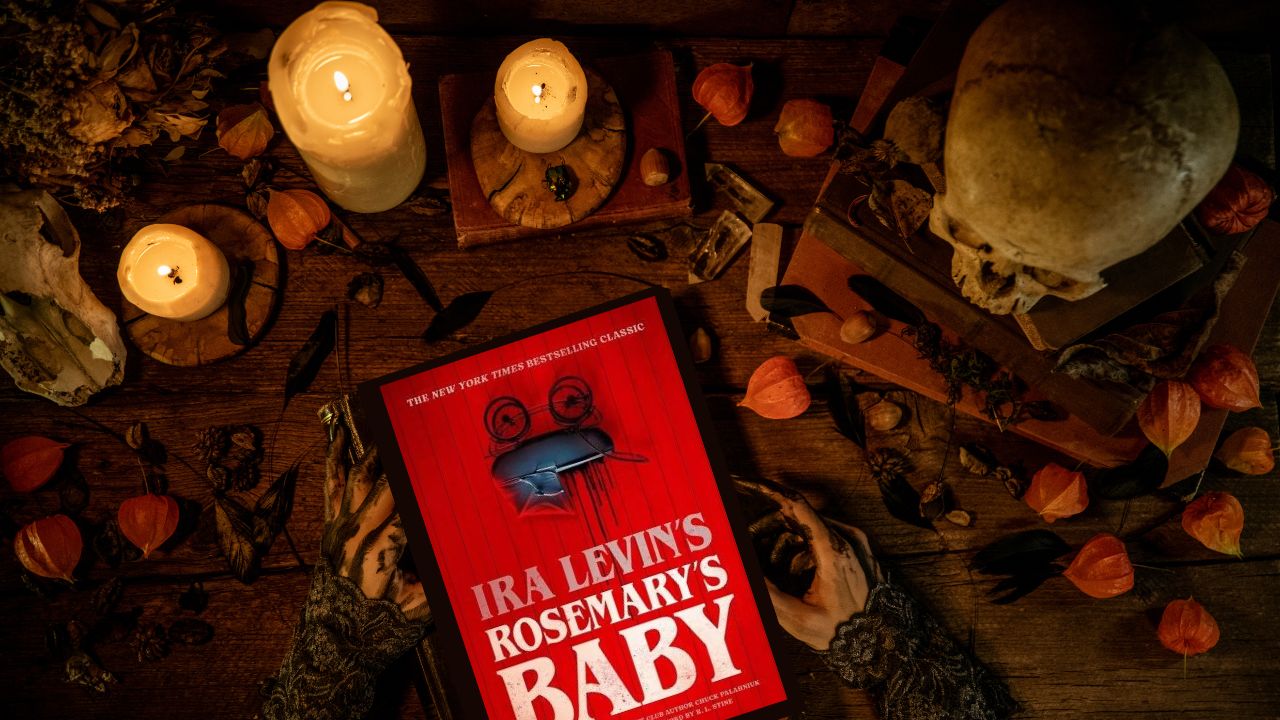
Even though Ira Levin’s Rosemary’s Baby was written in 1967, it still holds relevance in this day and age. While the narrative is worked as a horror, what happens to Rosemary can arguably be seen in many situations for women all over the world, from the issue of reproductive rights to continuous gaslighting. Levin’s novel explores themes of power dynamics within relationships, manipulation, and women’s feelings being dismissed. The frightening relevance of Levin’s Rosemary’s Baby leaves much to think about the treatment of women and whether change is truly being made.
Trigger Warning: This article makes mention of rape, domestic violence, and cult activity. Please proceed reading with your mental health in mind.
What is Rosemary’s Baby About?
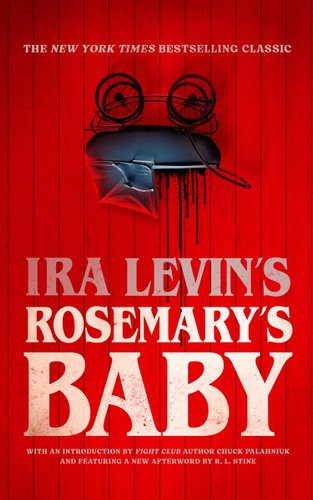
Ira Levin’s Rosemary’s Baby is a psychological horror that follows a young couple, Rosemary and Guy Woodhouse, an aspiring actor, as they move into their haunting apartment in New York City. Here, they meet their neighbours, Roman and Minnie Castevet, who, from the start, seems just a bit odd. Soon after, Rosemary finds herself pregnant, and the neighbours start to show a weird amount of interest in her. Rosemary begins to suspect satanic activity within their apartment as her neighbours and husband start to behave unusually as the story unfolds.
The Issue of Reproductive Rights
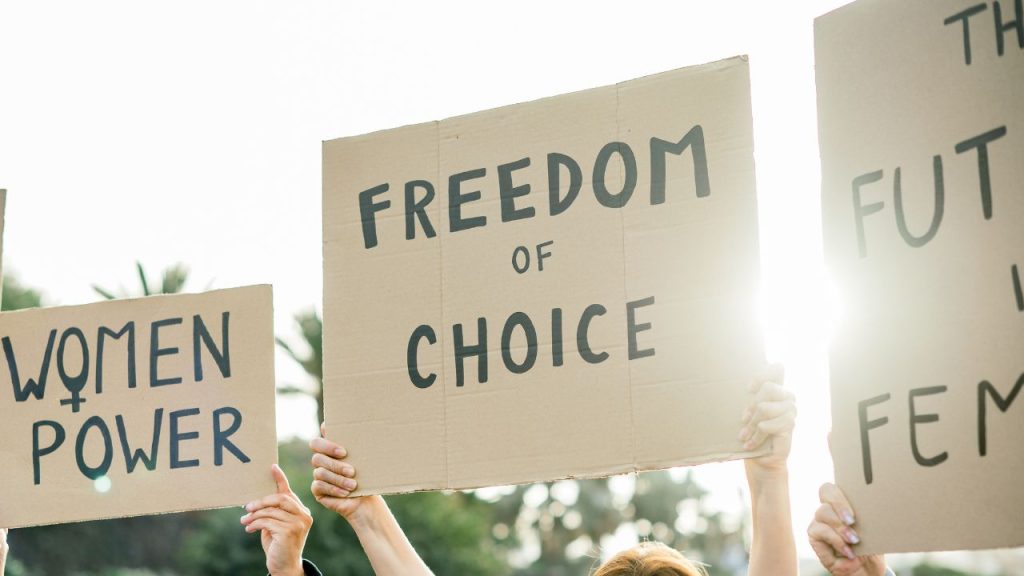
From the novel’s beginning, Levin clearly sets up a divide between the couple, Rosemary and Guy. Rosemary seems ready to settle down and have kids, while Guys is more concerned with stardom and becoming a successful actor. Guy’s needs and wants seem more important than Rosemary’s when Guy gets a Broadway role. While Rosemary seems to be ready and her body is going through pregnancy, Guy’s recent success with getting a Broadway role quickly shuts Rosemary’s idea down. As many women currently face barriers surrounding bodily autonomy due to government laws and toxic relationships, it goes to show that not much has changed since Levin’s novel was released.
Witchcraft and Control
Throughout the novel, we learn that Guy, Rosemary’s husband, made a deal with their demonic neighbours, the Castevets, to have a successful acting career, and in return, the Castevets would be able to use Rosemary’s body as a vessel to carry a satanic baby. All of this happens without Rosemary’s consent, and her husband, who is supposed to protect her, puts his selfish interests ahead of her own and uses her. This novel doesn’t shy away from witchcraft and satanic elements as we see the Castevets hold satanic rituals, provide Rosemary with odd herbal remedies that instead make her feel worse, and control her through their satanic cult.
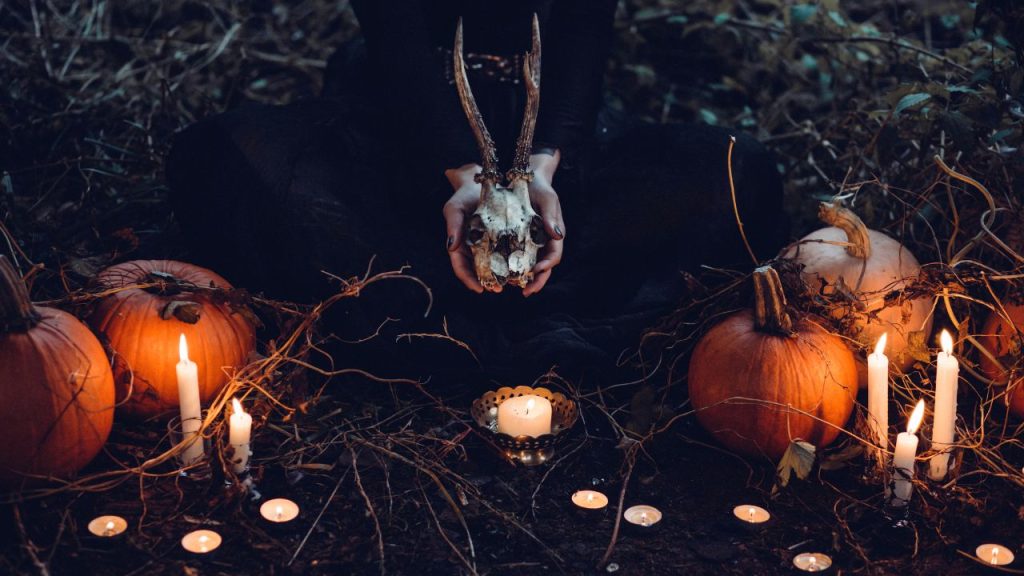
The power dynamic within this novel can be seen as a metaphor for the common power dynamics between men and women. In this instance, the satanic cult is those in positions of power, whereas Rosemary stands for the common woman.
Gaslighting Within This Novel
As Rosemary falls pregnant under non-conventional circumstances — a horrifying dream where a demon rapes her, her concerns and statements are immediately dismissed. Rosemary’s pregnancy continues to be painful and eerie. Everything seems to be out of control for her, the power dynamics made evident with her older and successful husband while Rosemary is left to become increasingly isolated due to her husband and neighbours unusual behaviour. Every part of Rosemary’s pregnancy seems to be out of her control. Even the doctor she visits is one recommended by the Castevets, who turns out to be a part of their demonic cult. The treatments recommended by her doctor only provide her with great discomfort. Whenever Rosemary would try to voice these concerns, she would be made out to feel silly and dramatic.
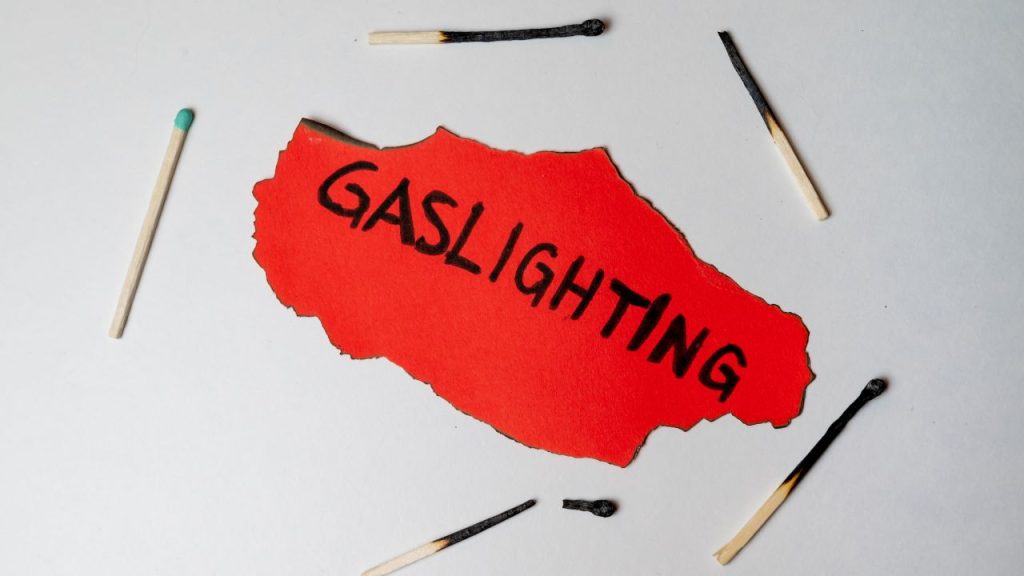
Levin’s novel really sets up the question of which is more terrifying, the demonic elements in this novel or the idea that a woman is made to feel insane by her husband and neighbours. At the same time, she is gaslit and has her bodily autonomy stripped from her.
Levin’s Rosemary’s Baby is a clear portrayal of the gaslighting and manipulation put towards women and uses witchcraft and satanic elements to highlight these issues. This psychological horror is, in many ways, still relevant in our society as power dynamics, bodily autonomy, and the manipulation of women are still common. The novel’s use of Rosemary’s voice guides readers through what she is going through and allows for a suspenseful and creepy read that will have you second-guessing yourself and allow you to think: What would you do in Rosemary’s situation?
Some serious topics were talked about in this article. If you or someone you know needs help surrounding issues of sexual assault, use this resource – National Sexual Assault Hotline: 1-800-656-4673
Want more book-ish opinion pieces? Click here.
Check out our Bookstr Bookshop for some more horror reads.