











The world of fiction is a fantastical place, helping us to take some reprieve from the real world. However, sometimes real life isn’t just stranger than art, it becomes shaped by it. Fiction makes its way to fact, and what was once fantasy becomes fixed firmly in reality. In honor of inventors everywhere and all the ways they find inspiration, here are 5 works of fiction that directly inspired real life inventions that have changed our lives and our world forever.
The Complete Stories of Arthur C. Clarke (specifically “Dial F for Frankenstein”) by Arthur C. Clarke / The World Wide Web invented by Tim Berners-Lee
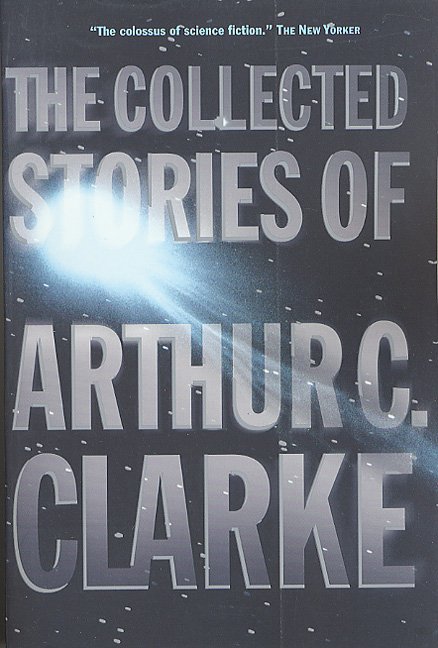
If you’ve read any science fiction, there’s a chance you’ve heard of Arthur C. Clarke. A prolific writer, explorer, and inventor, Arthur C. Clarke has been the source of inspiration in countless ways. One of his most influential works is the 2001: Space Odyssey, which he first co-developed as a screenplay with Stanley Kubrick, and wrote as a novel concurrently, which was published after the release of the film. While 2001: Space Odyssey changed film and science fiction forever, it’s one of his short stories that has had the most real life ramifications. In 1980, Tim Berners-Lee came up with software to keep track of “random connections and links,” leading directly to what we now know as the World Wide Web. Tim Berners-Lee credits reading Arthur C. Clarke’s short story “Dial F for Frankenstein” in his adolescence for the idea of a system “crossing the critical threshold of number of neurons” where “enough computers get connected together” to make crucial links our own consciousness can’t keep track of.
Twenty Thousand Leagues Under the Sea by Jules Verne / Open Water Submarine invented by Simon Lake
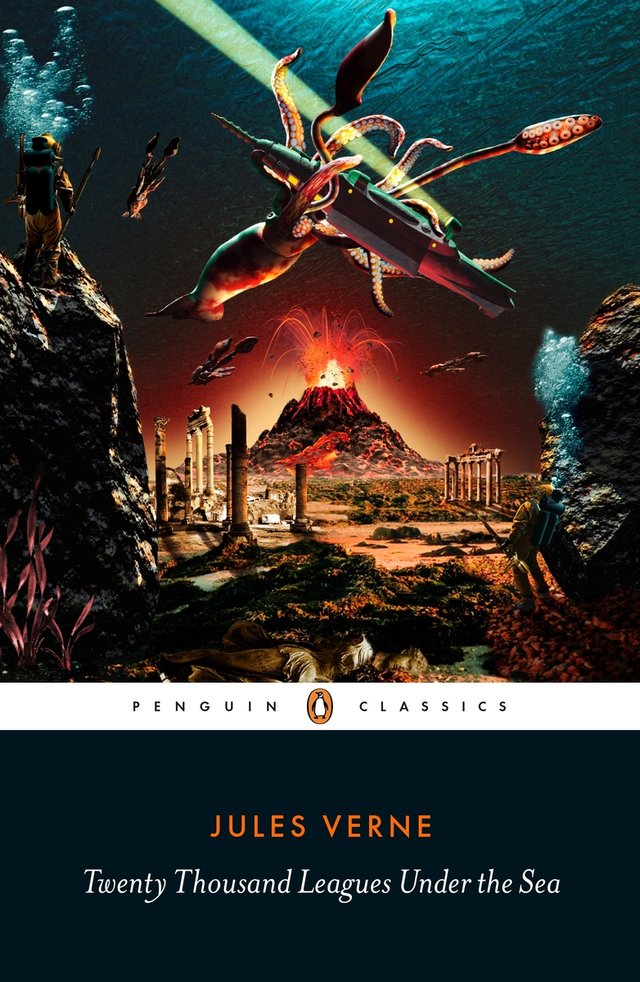
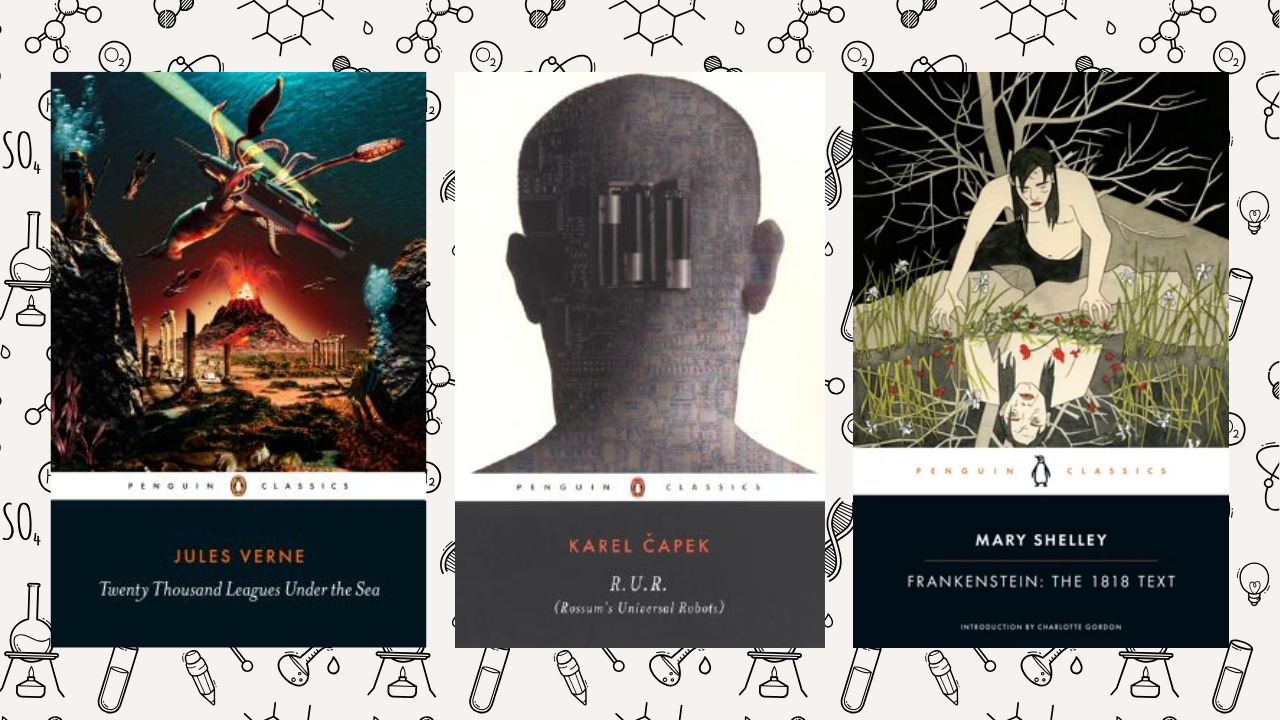
Let’s be clear — submarines existed long before Jules Verne and his iconic novel Twenty Thousand Leagues Under the Sea. But the submarine described in this story — the Nautilus — by Verne was truly “a masterpiece containing masterpieces.” The novel has countless detailed descriptions from its commander, Captain Nemo, about its speed, its design, and how electricity was circulated throughout the submarine. When inventor Simon Lake read the novel as a young boy, he “began to dream of making voyages under the waters, and of the vast stores of treasure and the superb adventures that awaited subaqueous pioneers”. Despite the fantastic descriptions he was enamored with, Lake found some small faults with the Nautilus, and began his own voyage of submarine design. Eventually, Lake crafted the Argonaut, the first submarine to operate in open sea successfully in 1898.
The War of the Worlds by H.G Wells / Liquid-Fueled Rocket invented by Robert H.Goddard
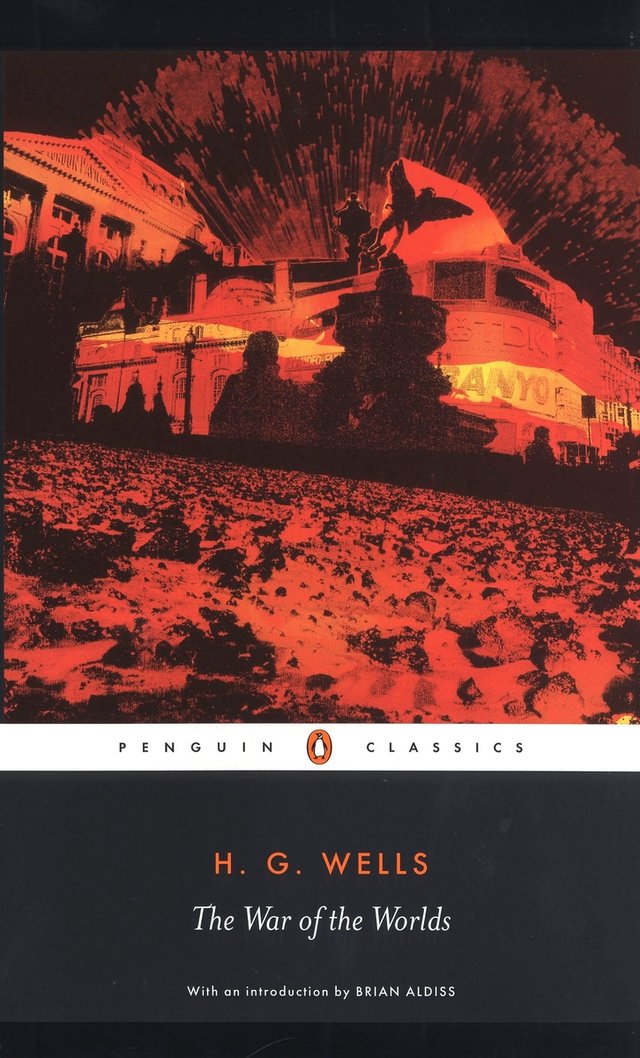
H.G Wells is a writer across many categories, but is best known for his science fiction with novels like The Time Machine, The Invisible Man, and of course War of the Worlds. A landmark work of science fiction, The War of the Worlds was one of the first stories to explore the idea of an extraterrestrial species intelligent enough to invade Earth and far more intelligent than the human race. Raising questions of humanity, the unknown, and how information is ordered and disseminated, The War of the Worlds created all sorts of lines of inquiry. For Robert Goddard, the father of modern rocketry, the most important question was that of space travel. As a young boy, Goddard was enamored with the then serialized story of The War of the Worlds, stylized as a real life account of a Martian invasion over time. 28 years later, he achieved the world’s first flight of a liquid-propelled rocket engine at his Aunt Effie’s farm in Auburn.
R.U.R (Rossum’s Universal Robots) by Karel Čapek / The Robot invented by William Grey Walter
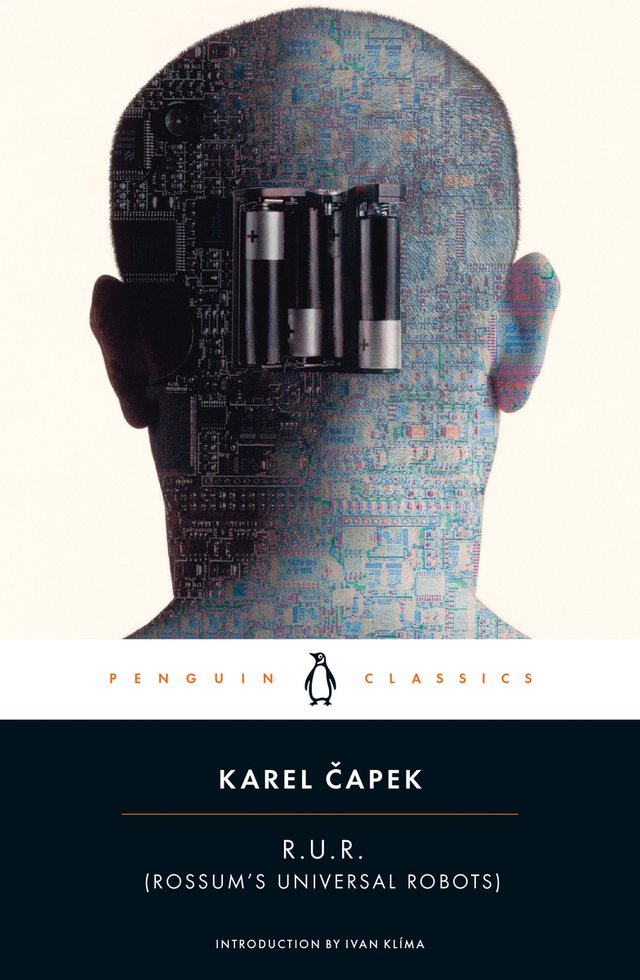
Karel Čapek is a man and writer little known to the average reader today, but we owe a great debt to him. While Issac Assimov gets a great deal of credit — albeit, deservedly so — for coining the term robotics as well as its three laws, it’s Čapek who coined the term robot in his 1911 play R.U.R (Rossum’s Universal Robots). Well, his brother, Joseph, is the one who came up with the term. But Čapek is definitively responsible for our modern understanding of androids — his robots had more organic matter than we attribute to robots. The term robot is derived from the Czech word “robota,” or forced labor. In the play R.U.R, the robots function as an exploration of the exploitation of the working class and the reduction of humanity under capitalism. 30 years later, in 1948 and 1949, William Grey Walter, working in Burden Neurological Institute in Bristol, was able to create two autonomous robots named Elmer and Elsie.
Frankenstein by Mary Shelley / The Wearable Pacemaker invented by Earl Bakken

As we began with a reference to Frankenstein, it’s only fitting we end with the work itself — especially as it gave birth not only to an important invention, but science fiction itself. Even at the age of 18, when she first began writing the story, Mary Shelley was well aware of experiments in Galvanism by Luigi Galvani, and later Alessandro Volta. These experiments in along with topics of the occult inspired Shelley in her creation of Frankenstein. Frankenstein in turn renewed interest in this kind of science, as well as spawning multiple adaptations and references in pop culture. These developments in tandem led to the invention of the wearable pacemaker, after electrical engineer Earl Bakken was approached by doctor Walt Lillehei after losing a patient with a pacemaker during an electrical blackout. Bakken was inspired at the age of eight to purse electrical engineering after watching the 1931 film adaptation of Frankenstein. All things come full circle — an arc quite apt for Frankenstein.
From methods of travel to medical marvels to the very way we communicate, we owe authors everything. They shape not only the worlds they create, but our own. Fiction can inspire us to the point of invention, as the above five works prove. So, perhaps turning a page in a book can help you turn one in your own life — even if you don’t end up inventing the next big thing.
Authors themselves can be fantastic inventors. To read about 5 authors who invented more than stories, click here.
Want to get inspiration for or forecast future inventions yourself through a primer on science fiction? Read all about the history here.