

















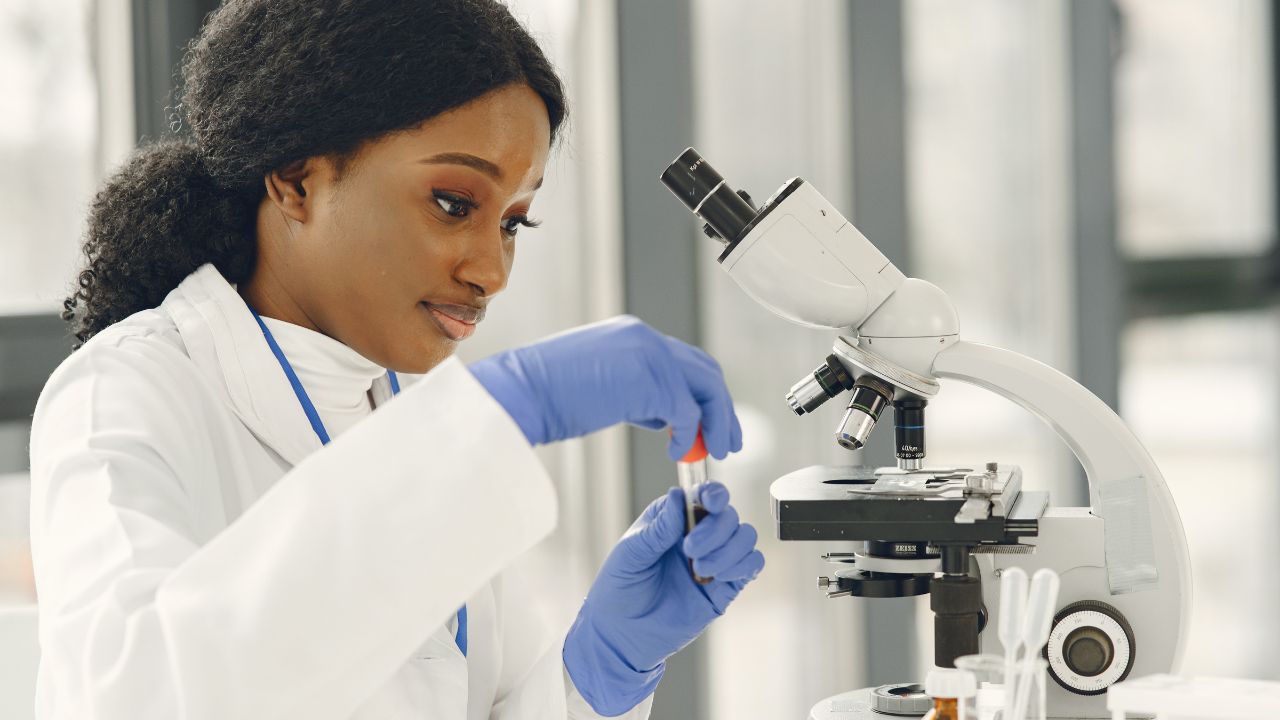
Approximately one-third of scientists worldwide are women, and more and more women enter the scientific workforce every year. This would have been hard to imagine even a century ago; after all, women weren’t allowed to graduate college until the 19th century — though they could attend classes — when women’s colleges started opening. Despite all of this, however, there have always been female scientists. Read on to learn a bit about the history of women in science, as well as some outstanding examples.
They’ve Been Here Since Ancient Times
While women in science are seen as relatively new, they’ve actually been involved in the sciences since ancient history. For example, there was a woman named Tapputi-Belatekallim in Babylonian Mesopotamia around 1200 BC, and she was one of the world’s first chemists. She was a perfume maker, and she found out how to make their perfumes lighter and last longer. There have been so many other female scientists: Theano, a Pythagorean philosopher; Aglaonice, the first Ancient Greece female astronomer; and Fang, the first Chinese female alchemist who found out how to turn mercury into silver (though she was technically post-classical history, rather than ancient history).
Different cultures have seen women differently around the world, especially as times have changed. For example, female physicians were fairly common in Ancient Egypt, though male physicians still dominated the field. Whether women could be scientists in any capacity depended on various criteria: wealth, cultural views on women, education, and social status, to name a few.
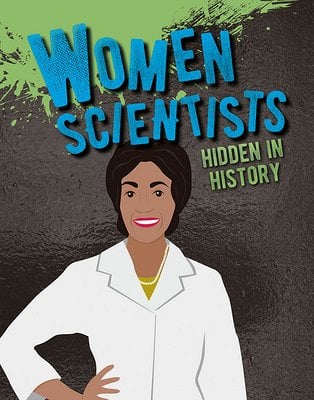
Women Scientists: Hidden in History discusses women in science such as Tapputi-Belatekallim, who made an impact but have been forgotten or left out of history. This book seeks to rectify that by highlighting their achievements from developing vaccines, developing cancer treatments, to discovering DNA and nuclear power.
When Did More Scientific Opportunities Come for Women?
The Age of Enlightenment, going from 1685–1815, brought opportunities for many women in the Western world. One of the major discussions during this time was about gender equality, and women became powerful contributors to fields such as science. They joined in discussions and made their mark, and more spaces were open for them to interact and make progress.
Women such as Maria Sibylla Merian, a German entomologist, scientific illustrator, and naturalist, and Laura Bassi, an Italian physicist who became the first female physics professor, had their chance to pursue their respective fields. There were still a lot of limitations on them, as they were women in the 15th and 16th centuries, but this was still more of an opportunity than women before them had.
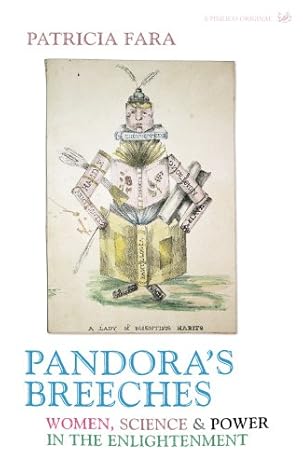
This book covers influential women in science like teacher Bathsua Makin, who was one of the first women to say that girls should get a scientific education. Even though this wasn’t allowed until the late 1800s, women still found a way. They would do research at home, made complicated scientific texts easier to understand, and talk with renowned scholars. Many of them also made important discoveries, which were unfortunately attributed to their fathers or husbands. But this book changes that.
7 Important Women Scientists in the 19th and 20th Centuries
There were so many female scientists in the 19th and 20th centuries who changed science, had groundbreaking discoveries, and improved quality of life for people around the world. There isn’t enough space to give all of them their due, but here are seven of these wonderful scientists.
Ada Lovelace
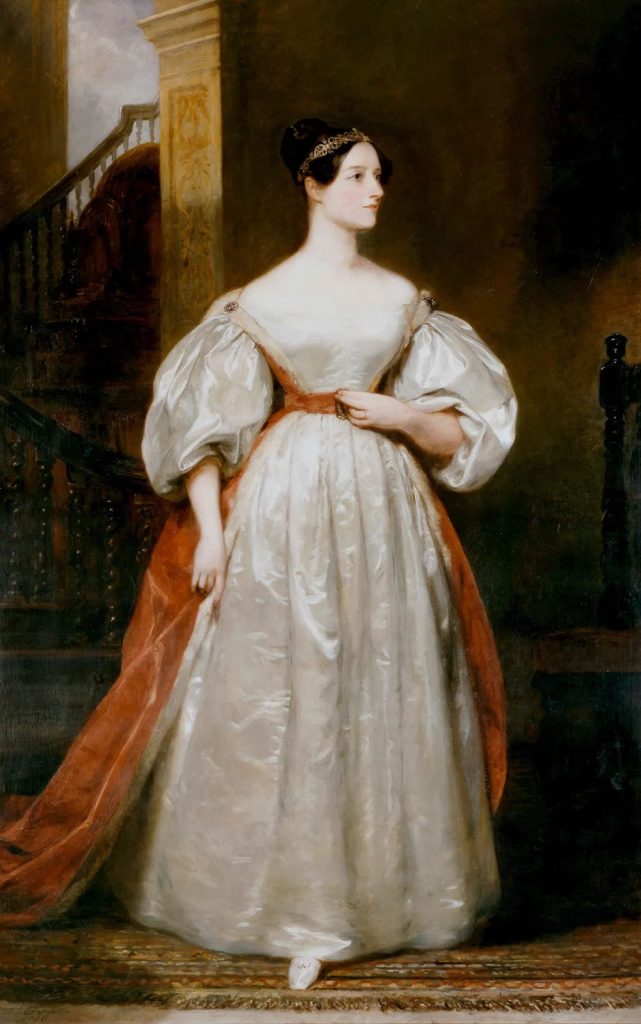
Born on Dec. 10, 1815, Ada Lovelace was a mathematician and also has been called the first computer programmer. She befriended Charles Babbage, called “the father of computers” who created the Analytical Engine, the first automatic digital computer. She wanted to expand on it, as she believed it was capable of so much, such as manipulating symbols and creating music. She wrote the first computer program based on this.
Florence Nightingale
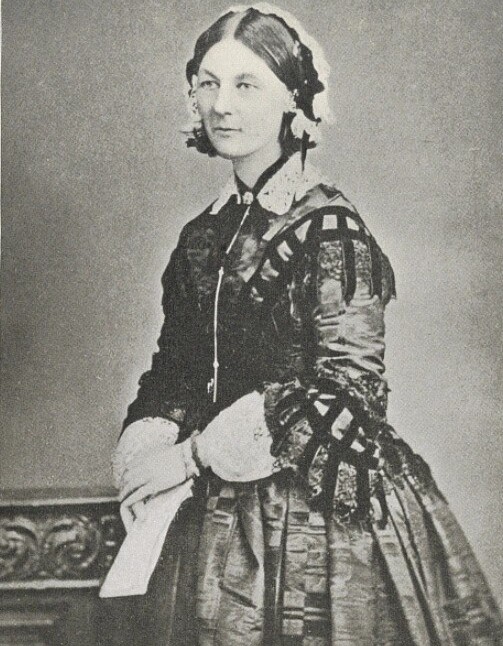
Florence Nightingale, born May 12, 1820, has been called the “Mother of Nursing” and “The Lady of the Lamp.” She was a nurse during the Crimean War, and she changed the filthy conditions in medical tents and saved lives by leading her own group of nurses. However, her biggest accomplishments in nursing came after. She came back to Britain and worked to improve hospital conditions, helped start the Army Medical College, opened the Nightingale Training School at St. Thomas’ Hospital to teach nurses, and so much more.
Agnes Pockels
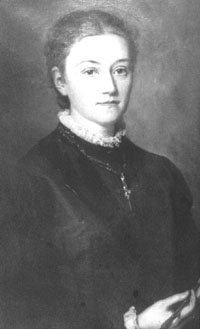
Born on Feb. 14, 1862, Agnes Pockels was a chemistry pioneer who established what we now know as surface tension. She never had a formal education and did her research at home while doing chores, specifically dishes. Pockels had observed that surface tension in water changes based on impurities in dirty dishwater. She invented a device that she called the Schieberinne to measure the tension. She never got to attend college, but in 1932, she got an honorary doctorate in engineering from Technische Hochschule Braunschweig.
Ynes Mexia
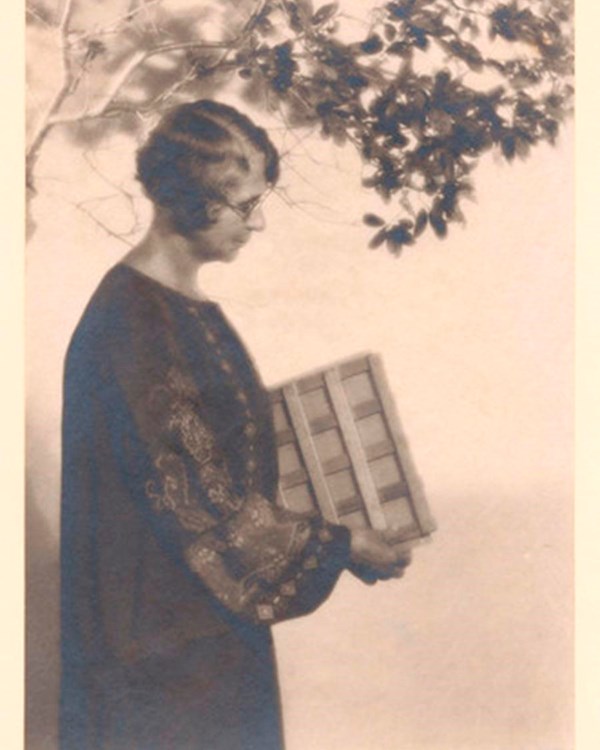
Born on May 24, 1870, Ynes Mexia was a plant collector and botanist who was best known for her incredible plant collections from countries such as Mexico, Colombia, Ecuador, and Peru. Over her 13-year career, she gathered more than 145,000 specimens, and she “discovered” more than 500 plants. Many plants have been named after her, and she would venture anywhere she could to collect new plants, which she later sold off to researchers.
Alice Ball
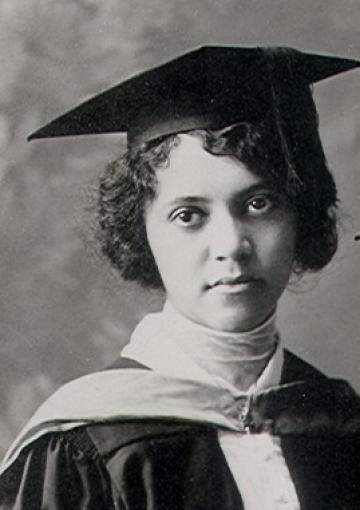
Born on July 24, 1892, Ball was a chemist who developed an effective treatment for Hansen’s Disease, also called leprosy. She had three degrees: two bachelor’s degrees, one in pharmaceutical chemistry and one in pharmacy, and a master’s degree in chemistry. While she was studying for her master’s, she studied chaulmoogra oil, which had been used, with mixed results, to cure leprosy. She took this oil and changed it to become injectable, which made it water-soluble and therefore dissolvable in the bloodstream. She unfortunately died at 24 after becoming ill while researching, but her research endured for decades.
Chien-Shiung Wu
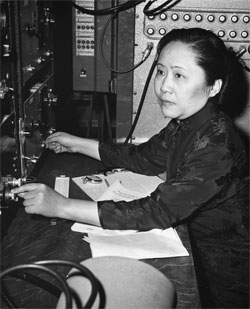
Born on May 31, 1912, Wu was a particle and experimental physicist and physics professor, and she’s been called the Queen of Nuclear Research and the First Lady of Physics for her remarkable accomplishments. She is most known for her 1956 Wu Experiment where she disproved the Conservation of Parity theory, where she found that atoms preferred to spin left during beta decay, instead of an even number spinning right and left. She also worked on the Manhattan Project in 1944 where she worked on radiation detectors and enrichment of uranium.
Katherine Johnson
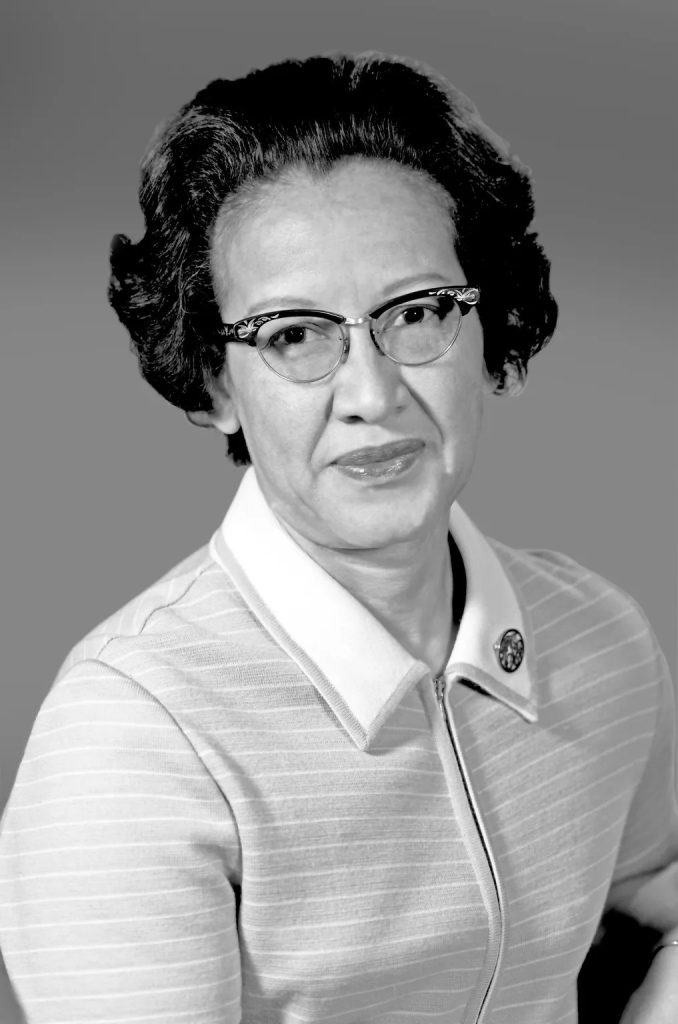
Johnson, born on Aug. 26, 1918, was best known for using math to get astronauts into orbit and return home safely. She worked initially as a computer at NASA in the 1950s, and she calculated Alan Shepard’s trajectory, sending the first man into space. She also did the calculations for John Glenn in his Friendship 7 Mission in 1962, even though NASA had started using electronic computers because John Glenn refused to go without her approving the numbers. She later did the calculations for Project Apollo’s Lunar Module in 1968 and the 1969 moon landing and her work changed the space race between the United States and the Soviet Union.
There were so many amazing female scientists who worked hard and changed the field and the world. I hope we can keep their legacy going strong.
Click here for an article on the evolution of women’s literature.
Check out our Nonfiction shelf on Bookstr’s Bookshop page.
