


















Our reliance on the internet isn’t going away anytime soon, and as technology develops at an exponential rate, it becomes increasingly critical for parents, caregivers, and educators to teach children how to be safe and secure on the internet. For grown-ups looking to discuss the importance of being safe on the internet with their kiddos, we’ve gathered five excellent books tackling this tricky subject.
The Internet is Like a Puddle by Shona Innes, Illustrated by Írisz Agócs

The title of this clever and charming book may prompt readers to ask, how can the internet be like a puddle? Well, some puddles are fun to play in and explore. They are safe, they can bring friends and family together, and they can even teach you things. Some puddles, however, are a lot deeper and more dangerous than they seem on the surface. Clinical and forensic psychologist Shona Innes weaves an apt metaphor that encourages young readers to be aware of the dangers of the internet and empowers them to talk to trusted grown-ups if they see or sense something dangerous.
Mitzi and the Big Bad Nosy Wolf: A Digital Citizenship Story by Teresa Bateman, Illustrated by Jannie Ho
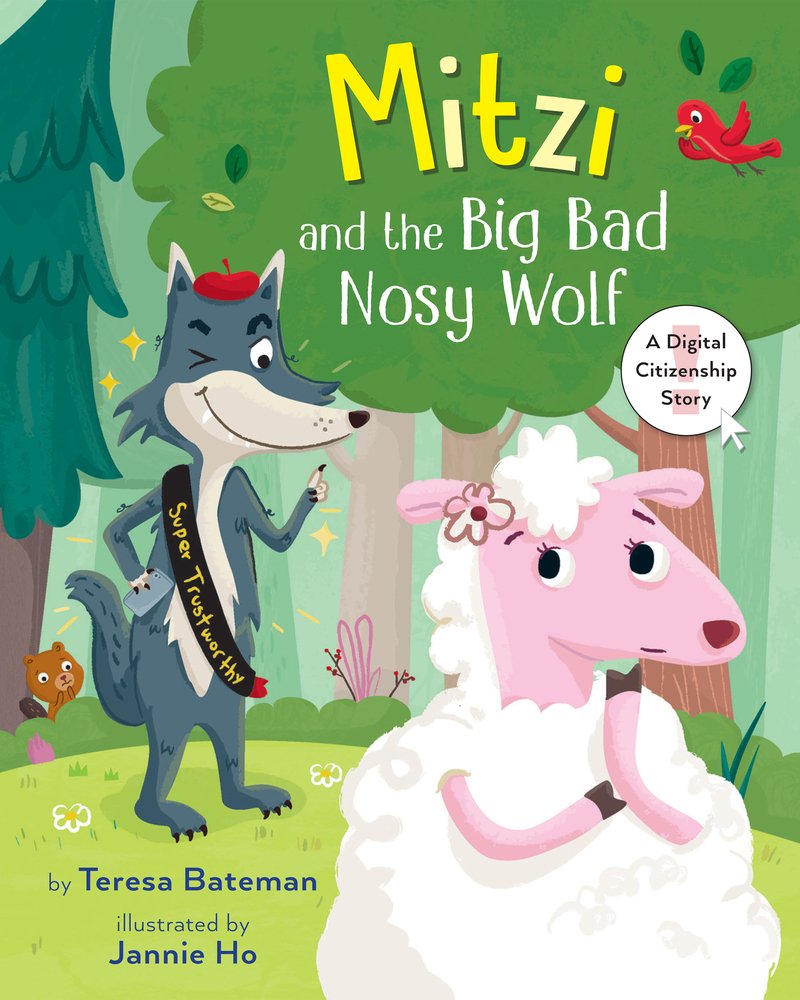
Mitzi the lamb loves to dance in the meadow near her home, but she is not supposed to go there alone. One day, when her friends are busy, Mitzi decides to break the rules her parents have set; after all, how dangerous can a quick walk through the woods be? Along the way, she meets a wolf wearing a “Super Trustworthy” sash who begins asking her a bunch of private and personal questions — and even tries to take pictures of her! Mitzi must rely on quick thinking to get herself out of the situation, creating an apt metaphor for kids about the importance of maintaining privacy online.
The Fabulous Friend Machine by Nick Bland

Popcorn the chicken is kind, helpful, and generous — she is, “quite simply, the friendliest chicken at Fiddlesticks farm.” One day, she finds a glowing machine on the floor of the barn and is surprised to find that by pecking letters into it, she can make loads of new friends! Popcorn becomes entranced with her new internet friends, to the detriment of her real-life relationships. However, when she invites all of her online friends to party, she’s in for a dangerous surprise. Bland’s illustrations and text tell a simple truth — that things and people on the internet are often not what they appear — in a wonderfully child-accessible way.
Nerdy Birdy Tweets by Aaron Reynolds, Illustrated by Matt Davies

Nerdy Birdy and Vulture are the best of friends despite being very different birds. While their interests diverge much of the time, there are activities that the two love doing together, such as taking silly photos of one another. Nerdy introduces Vulture to an app called Tweetster, on which he’s made hundreds of online friends. However, Vulture’s not very interested, and she’s even less interested in the way Nerdy ignores her to tap on his phone during their hangouts. When Nerdy unthinkingly posts an embarrassing picture of Vulture that makes her the subject of online bullying, it’s the final straw. Reynolds and Davies deftly cover the perils of prioritizing virtual relationships over IRL ones and how online words can have real-life consequences.
First Phone: A Child’s Guide to Digital Responsibility, Safety, and Etiquette by Catherine Pearlman
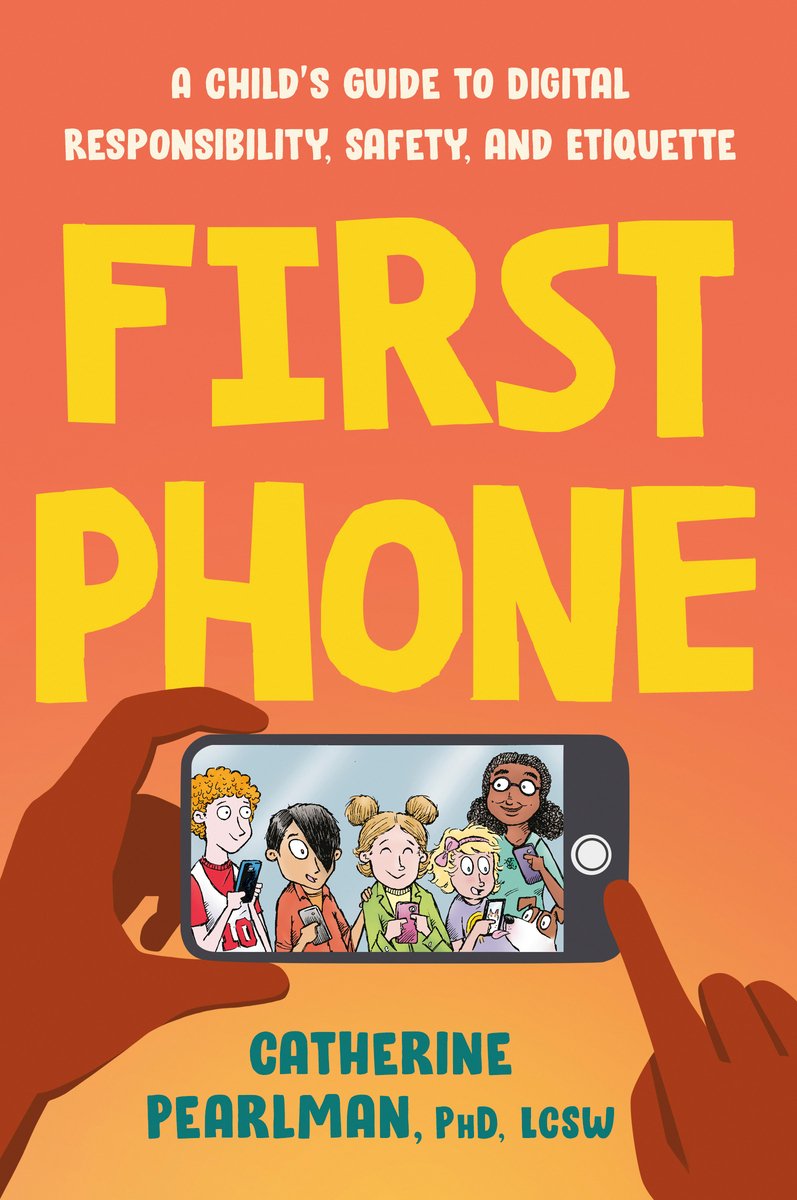
Deciding when to get a child their first phone can be daunting, as phones represent an enormous measure of trust and responsibility. To help with this transition, Pearlman — who holds a PhD and master’s in social work — has crafted a handy middle-grade guide and workbook to help kids can handle the freedom and access that their new tech provides. Giving thoughtful and age-appropriate guidance on social media, privacy, digital hygiene, and even sexting, this book gives kids the armor and tools they need to protect themselves from the dangers of online life before they are even exposed to them.
We hope that these books help you and your young readers learn more about being safe online. By creating informed and prepared digital citizens, we can create a safer internet for all. Happy reading!
To see more of our picks for kids’ books on digital literacy, check out this article: Books That Get Children Energized About Computer Science.
To see all of our recommendations for mini bookworms, check out our Bookshop bookshelf.
