







Computer Science Education Week — or CSEdWeek — is an annual event held to inspire children of all ages to learn about computer science, as well as promote equity and celebrate teachers within the field. In the spirit of CSEdWeek, we’ve put together eight phenomenal books to get the little ones in your life excited about the history, present, and future of computer science.
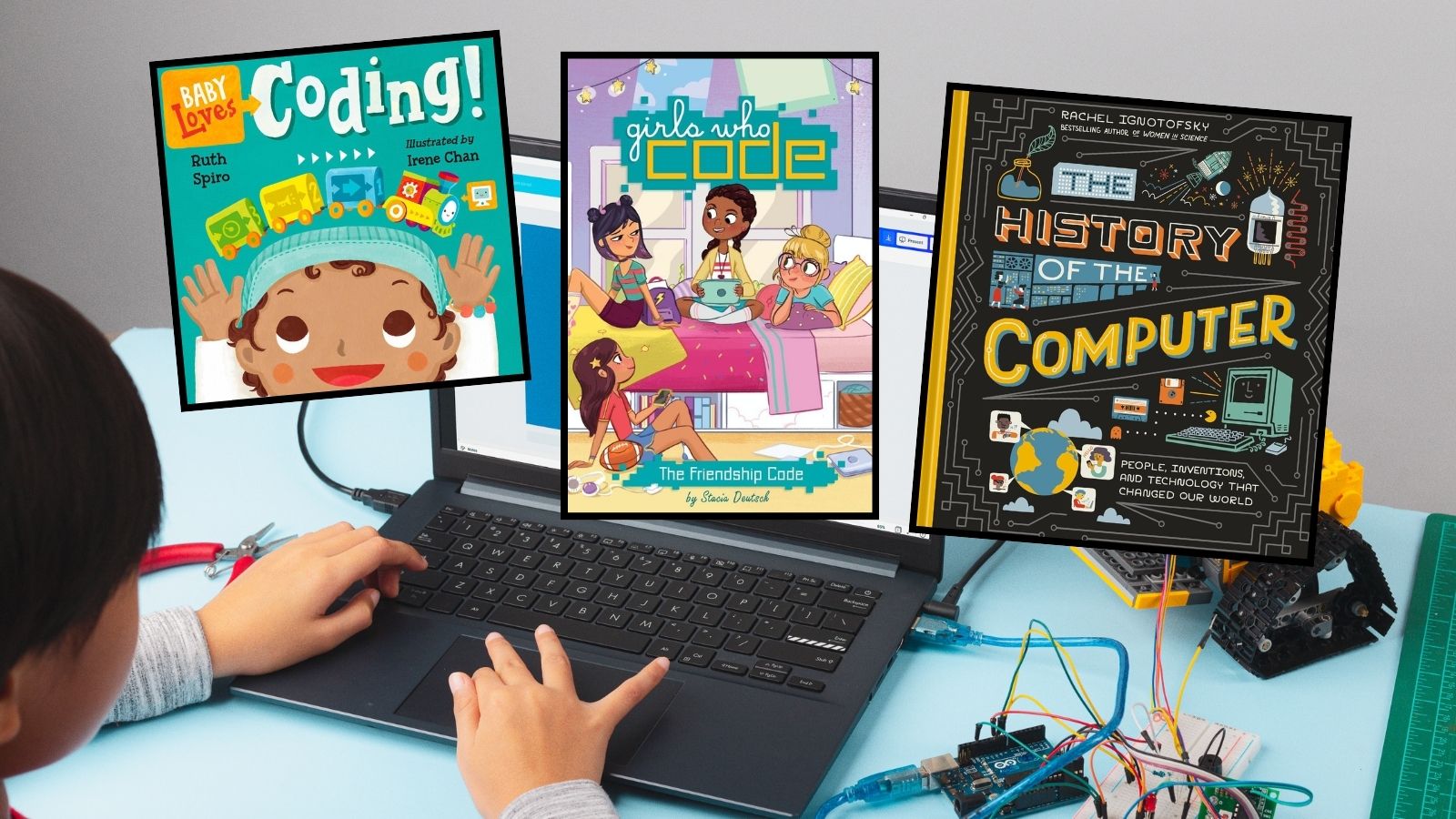
Baby Loves Coding! by Ruth Spiro, Illustrated by Irene Chan

A fantastic addition to Spiro and Chan’s popular Baby Loves Science board book series, babies (and their caregivers) are given a lesson in the concept of algorithms by watching a cherub-cheeked toddler playing with their toy train. With colorful artwork and engaging text, this adorable board book is a great way to introduce the basics of coding to the very littlest of bookworms.
Grace Hopper: Queen of Computer Code by Laurie Wallmark, Illustrated by Katy Wu
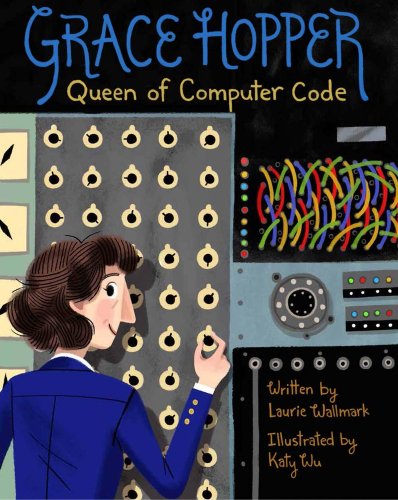
Did you ever wonder where the phrase “bug” came from in computer science? This fantastic picture book biography of RDML Grace Hopper, the woman who revolutionized the way that humans and computers communicate with each other, is a wonderful way to find out. Inviting illustrations allow readers to follow Grace’s journey from curious child to computer science trailblazer, with plenty of fun and inspiration along the way.
Ada Lovelace, Poet of Science: The First Computer Programmer by Diane Stanley, Illustrated by Jessie Hartland

It might surprise some readers to learn that the first computer programmer lived over two hundred years ago. Her name was Ada Lovelace, and she envisioned a world of computers before electric lights were commonly used in buildings and homes. This loving biography of Lovelace celebrates her curiosity and creativity yet doesn’t shy away from the challenges that Ada faced as a woman of science during her time, overall paying proper tribute to a computing legend.
The History of the Computer: People, Inventions, and Technology that Changed Our World by Rachel Ignotofsky
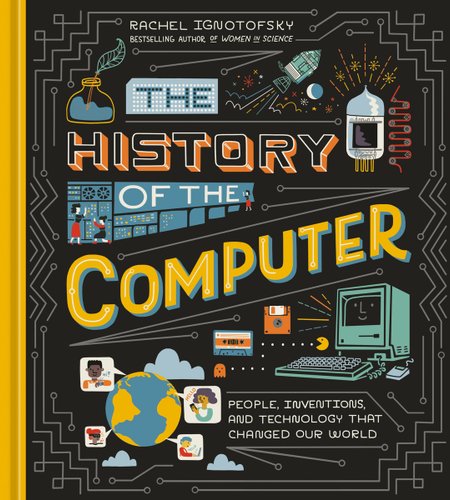
Written and illustrated by New York Times bestseller Rachel Ignotofsky, this comprehensive title explores the history of computers, from their earliest origins of humans operating calculators to the internet being declared a human right by the UN in 2011. Packed with information on PCs, video game consoles, and all-in-one devices like smartphones, kids will marvel at the intricate illustrations while learning about the notable figures and moments in the development of computers as we know them today.
The Friendship Code (Girls Who Code #1) by Stacia Deutsch
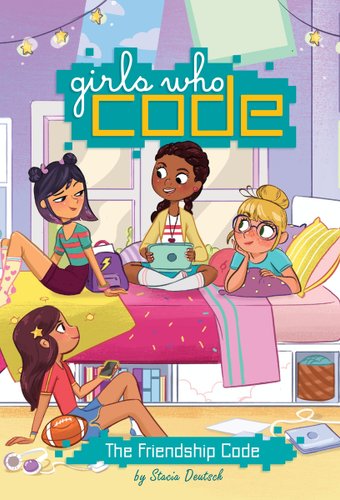
The grand tradition of middle-grade novel series meets a girl-power approach to learning how to code in the first installment of the Girls Who Code series, created in partnership with the STEM-education nonprofit organization of the same name. Main character Lucy is excited to join the coding club, but she quickly grows frustrated with the slow pace of the curriculum and being forced to work with a group of other girls. What follows is a stellar lesson on cooperation and friendship mixed with practical information about coding principles.
How to Code a Sandcastle by Josh Funk, Illustrated by Sara Palacios
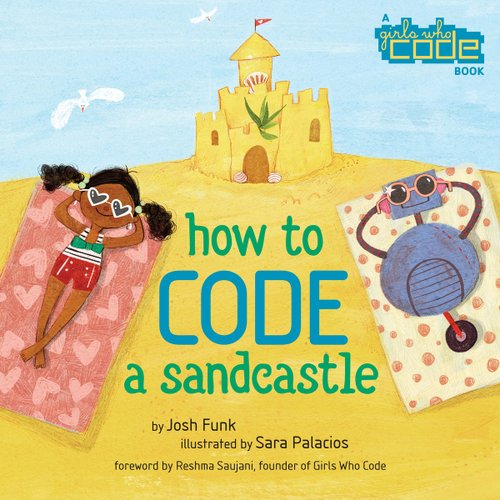
Another title produced in partnership with Girls Who Code, this delightful tale begins with young Pearl’s various attempts at building the perfect sandcastle ruined by other beachgoers. Deciding to utilize technology, she enlists her robot pal Pascal but runs into issues when her mechanical friend has trouble understanding some of her instructions. A sharp and clever story that will have kids laughing while also slyly teaching them about concepts like sequences, loops, and IF-THEN-ELSE statements.
SOIC & SOT: The Microchips by Jeffrey C. Dunnihoo, Illustrated by Simona M. Ceccarelli
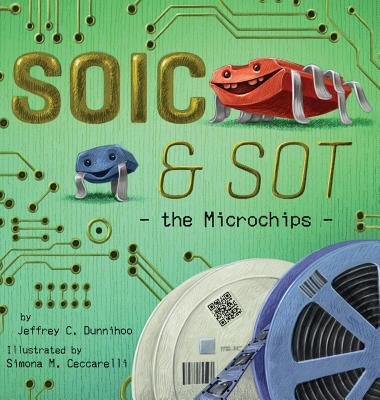
This surprisingly emotional tale follows SOIC and SOT, two microchips who are the best of friends — even if they’ve never spoken. When they are picked up and placed on a computer assembly line, young readers are treated to a story that is as much about how computers work and are assembled as it is about finding one’s voice and the power of friendship. There are even sneaky QR codes hidden through the illustrations, which can be scanned to find more information on the technologies shown in the book.
Look Inside: How Computers Work by Alex Frith, Illustrated by Colin King
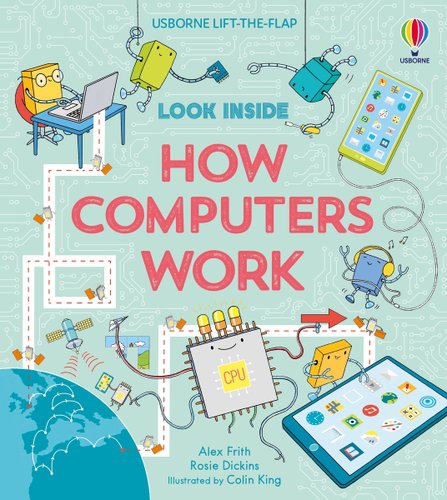
This Lift-the-Flap board book features a wealth of information for curious kiddos on what makes computers tick. Featuring over 70 flaps to explore, little readers are given an in-depth look at how the components of their computers and digital devices work, including trackpads, touchscreens, microphones, and more. Each page, narrated by a collection of tiny, adorable robots, guides readers through the practical workings of their favorite devices in a wildly entertaining and engaging way.
It’s always the right time to celebrate computer science education and get kids interested in STEM, and these books are a great start to connect inquisitive young minds to the technology they already know and love. 01000101 01101110 01101010 01101111 01111001 00100001 (pst — that’s binary for “Enjoy!”).
To learn more about picture book biographies for kids, click here.
To see more of our children’s book recommendations, check them out here.