














There is so much content in the world that is often overlooked as stories get lost in the static of what we know to be our basic history. The Deaf community has been thriving as a whole and as individuals, even in the face of mistreatment and disregard. To uncover pieces of history and personal perspectives, check out these five books by and about Deaf and hard-of-hearing people in the community.
Show Me a Sign by Ann Clare LeZotte
Show Me a Sign by Ann Clare LeZotte is the first in a trilogy of children’s books for ages 10 to 13 inspired by the history of the Deaf community on Martha’s Vineyard.
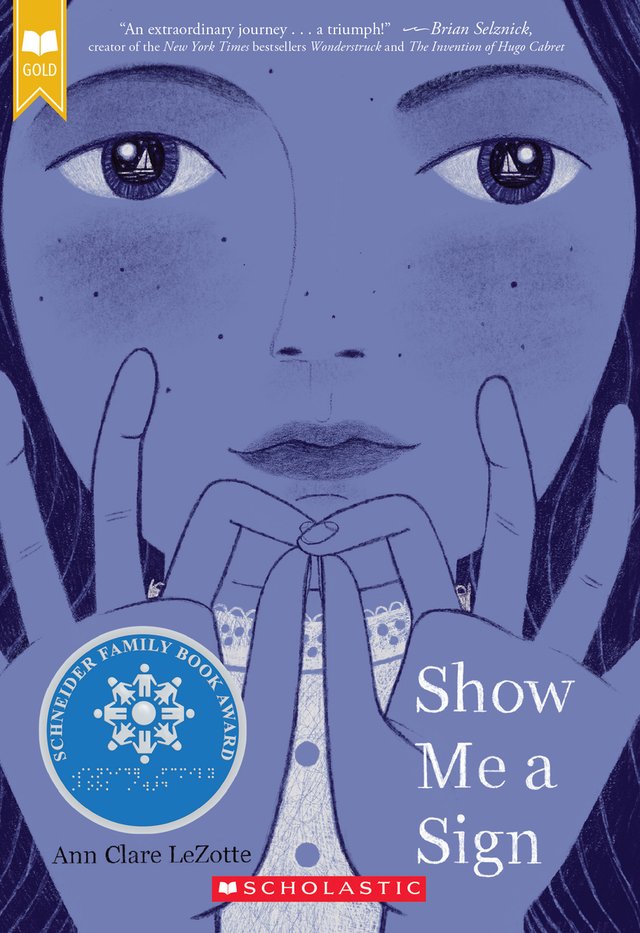
Following Mary Lambert, this story examines ableism, racism, and colonialism through the generations before Lambert and the issues she faces in her lifetime when her brother dies. Tension heightens when a young scientist comes to the island in search of the origin of the island’s deafness. This series examines what it means to treat people as experiments and makes readers examine their perceptions of disabilities and human beings. LeZotte is a deaf and bilingual-bicultural author who writes as a voice for deaf, disabled, and marginalized youths.
Mean Little deaf Queer: A Memoir by Terry Galloway
Mean Little deaf Queer: A Memoir by Terry Galloway tells her story of growing up as a deaf kid in 1959, finding her place as her authentic self.

When an experimental antibiotic affected her mother’s fetal nervous system, Galloway’s hearing was affected as well. By the age of nine, these changes began to take effect. Growing up as a deaf, queer theater kid with boxy hearing aids, the author tells her story of being the odd one out while also meeting unforgettable people that help steer her life and the way she perceives herself. Galloway is the founder of Actual Lives writing and performance programs, Esther’s Follies, and co-founder of Mickee Faust Club.
The Hidden Treasure of Black ASL: Its History and Structure by Carolyn McCaskill, Ceil Lucas, Robert Bayley, and Joseph Christopher Hill
The Hidden Treasure of Black ASL: Its History and Structure by Carolyn McCaskill, Ceil Lucas, Robert Bayley, and Joseph Christopher Hill examines the first sociohistorical and linguistic study on Black ASL.
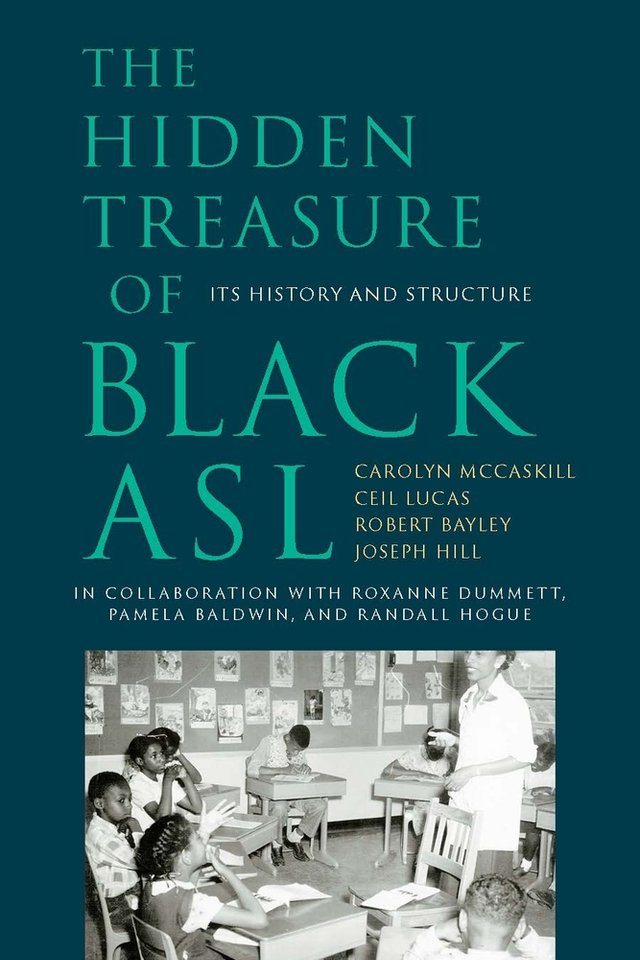
Documenting stories and languages, this book examines the African American Deaf community and the effects history and culture have on language. Including a foreword on the impacts of this research and supplemental video content to enhance the reader’s experience and knowledge, these authors pack in plenty of groundbreaking research and analytics to further expand the research behind Black Deaf culture. Authors include ASL and linguistic professors at various colleges, including Gallaudet University.
The Deaf Way II Anthology: A Literary Collection by Deaf and Hard of Hearing Writers Edited by Tonya M. Stremlau
The Deaf Way II Anthology: A Literary Collection by Deaf and Hard of Hearing Writers, edited by Tonya M. Stremlau, is a compilation of 16 international writers in different mediums, from poetry and plays to short stories and essays.
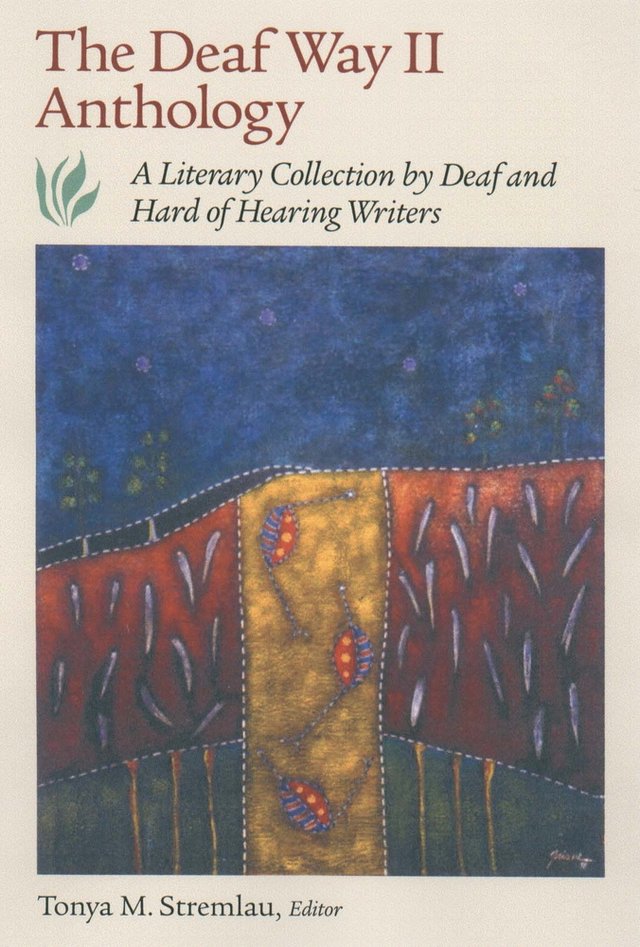
These writings explore each author’s personal universes with international twists that broaden each deaf and hard-of-hearing person’s perspective. Every author has their insight into the Deaf world along with their outlook on human existence itself. This anthology was inspired by the 2002 Deaf Way Conference and Festival at Gallaudet University, which attracted a multitude of artists and researchers alike.
Deaf Players in Major League Baseball: A History, 1883 to the Present by R.A.R. Edwards
Deaf Players in Major League Baseball: A History, 1883 to the Present by R.A.R. Edwards tells the story of the first deaf baseball player in 1883 and the four deaf players in the Major League by 1901.
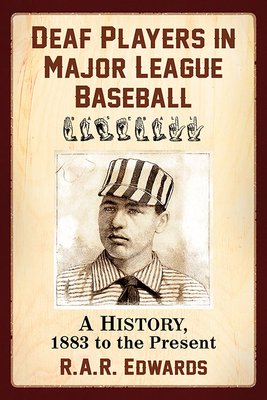
Following players like William “Dummy” Hoy and Luther “Dummy” Taylor, this book uncovers the hidden gems of baseball that started with deaf players. Recounting iconic moments and familiar traits, like hand signals in baseball, readers get the real stories of players and how they thrived in the major league. Edwards is a professor of history at the Rochester Institute of Technology and has several other published works in her academic field.
History includes everyone. When perspectives and history are often overlooked by society, it can be a struggle to know what is missing in the timeline of human lives. Hopefully, these recommendations inspire you to learn more about Deaf culture and its history.
Looking for deaf authors? Click here.
What to find nonfiction books to read? Check out our Non-Fiction Titles for the Enlightened Mind bookshelf on Bookshop.org.