

















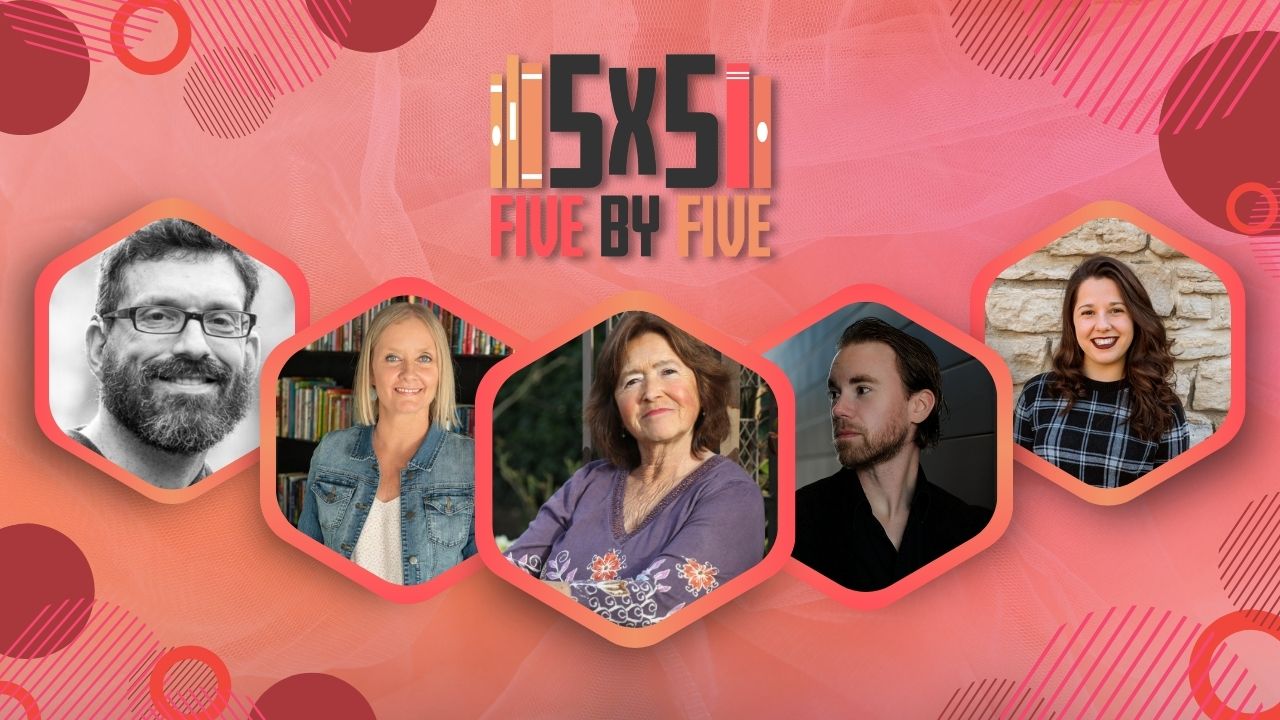
Welcome back to Bookstr’s 5×5! In this edition, we are featuring five talented Deaf authors as we continue to celebrate Disability Pride. Each of these authors offer their noteworthy perspectives on everything ranging from what it means to be Deaf in the publishing industry to how they get into the perfect mindset for writing. Their answers provide us with a vulnerable insight into their work as they illuminate and redefine the narrative for future generations of Deaf authors.
The Authors
Adam Pottle
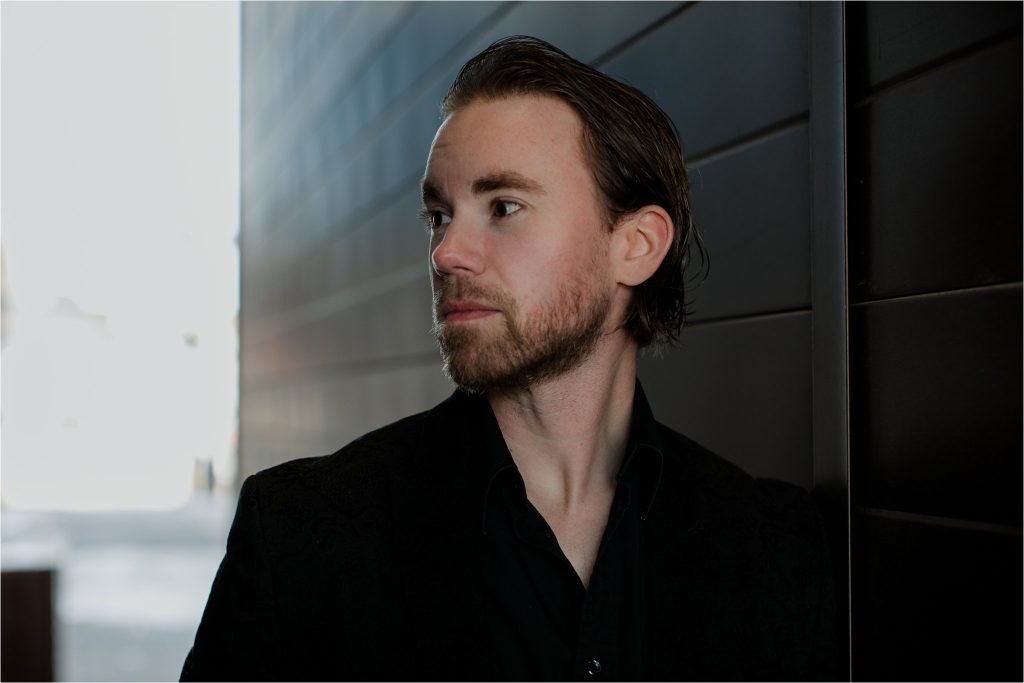
Adam Pottle is a Deaf author who spent much of his childhood searching for magical portals and pretending to be Godzilla. He has published a wide range of material: his recent books include the horror novel Apparitions, the dark musical fantasy play The Black Drum, and the children’s story Butterfly on the Wind. In 2021-22, he served as a writer in residence at Sheridan College and was a 2022 Warner Discovery Access screenwriting fellow. He has his PhD in English literature and has taught English, creative writing, and professional communication for nearly 20 years. When he is not writing or teaching, he is at the boxing gym, the library, or the park with his wife, Deborah, and their Goldendoodle Valkyrie. He lives in Saskatoon.
Anna Sortino
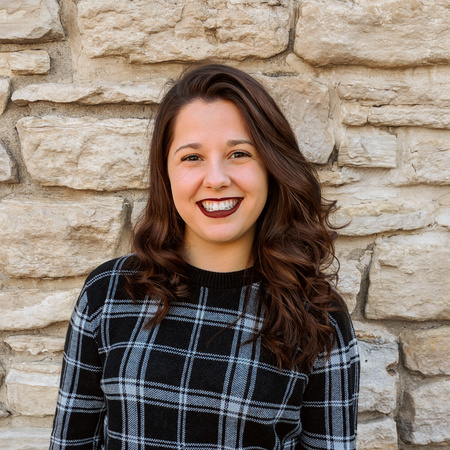
Anna Sortino is the author of Give Me a Sign, On the Bright Side, and other stories about disabled characters living their lives and falling in love. Because of her own experience as a Deaf person, he is passionate about diverse representation in media. Born and raised in the Chicagoland area, Anna has since lived in different cities from coast to coast, spending her free time exploring nature with her dog or reading on the couch with her cat.
Josh Swiller
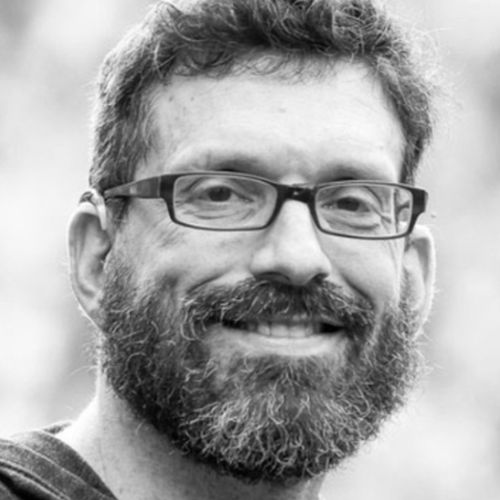
Josh Swiller is a writer and therapist in Central New York. He is the author of The Unheard: A Memoir of Deafness and Africa, a New York Times bestseller, and of Bright Shining World, an award-winning YA sci-fi novel. His deafness was discovered when he was three years old.
Kerry O’Malley Cerra
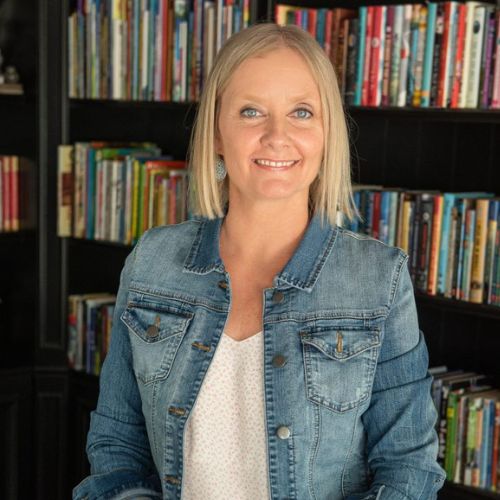
Kerry O’Malley Cerra is an award-winning author of middle-grade books. Her first novel, Just a Drop of Water, landed on five state reading lists, won the Crystal Kite Award, a Florida Book Award, and was named to VOYA’s Top Shelf Fiction list for 2014. Her second novel, Hear Me, is a Sunshine State Reader Award winner. Stay tuned for her forthcoming books, Make a Little Wave (Oct. 1, 2024, from Carolrhoda Books, Lerner Publishing) and a nonfiction picture book, The Gallaudet Eleven: The Story of NASA’s Deaf Bioastronauts (March 2026 from Little, Brown BFYR).
Kerry’s work has received praise from The New York Times, Kirkus, School Library Journal, Booklist, VOYA, and the Horn Book Guide, calling her stories moving, perceptive, well-developed, and woven with an expert hand. A deaf author herself (who now hears with the help of one cochlear implant), she’s passionate about books that depict d/Deaf and/or hearing loss experiences for children. Kerry, a former high school media specialist and social studies teacher, lives in South Florida with her husband and two poorly behaved rescue dogs.
Rachel Zemach
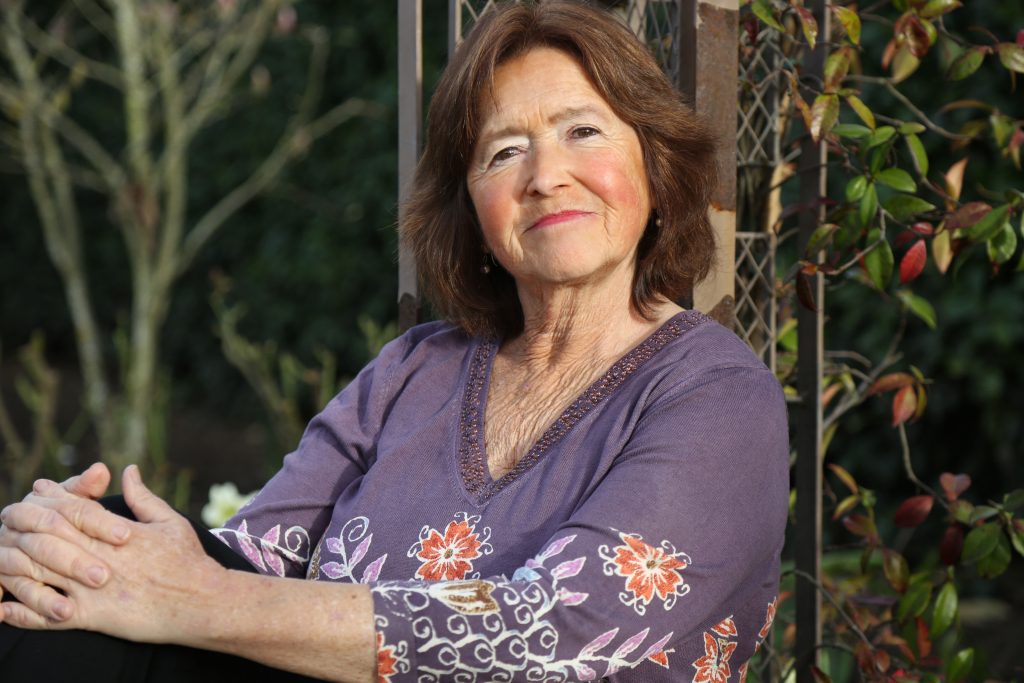
Rachel Zemach became Deaf at age ten, taught for ten years at a public school, and wrote a book about the surprising experience titled The Butterfly Cage. She lives in North California, with her hearing husband who doesn’t sign that well, so introduces her in ASL as his hamburger rather than wife. Given it is by a hamburger, the book is not too badly written. You will learn, and un-learn a lot from it.
The Questions
1. What or who inspired you to become a writer?
Adam Pottle: Becoming a writer was a labyrinthine process. I was born Deaf but raised in a hearing family, so I immediately had a preference for books, for stories told through visual means. I have an active, restless brain, along with an innate instinct to subvert. My wife’s nickname for me is “Calvin,” after Calvin and Hobbes. Whenever I sang the alphabet song as a kid, I loved changing the ending: “Now I know my ABCs, next time let’s eat mac and cheese.”
When I got to high school, I had ambitions of being a comic artist. I’d drawn a cartoon for the local newspaper, and I had my sights set on attending a comic art school in New York. But then I met my teacher in Grade Eleven English. This bald, burly dude with these bright, darting eyes. He loved telling stories and was an absolutely captivating performer. After the first day of class, I was entranced, and I thought to myself, “I need to do that. How can I do that?” So, I went home and began writing stories of my own. I haven’t stopped since then.
Anna Sortino: I’ve been a huge reader my entire life, and from a very early age, writing intrigued me. I remember sitting on the floor of my bedroom with a spiral notebook, trying to write my own Magic Tree House book. It wasn’t until after college that I managed to take my own writing seriously enough to pursue publication.
Josh Swiller: Deafness was a great inspiration. How to understand an experience that no one around me is talking about, no one around me even seems aware of, except maybe to the degree which it makes them uncomfortable? I write about that in The Unheard, my first book. My father was also an inspiration, but that’s because his mental illness constantly forced me to ponder questions of what the world actually is.
Kerry O’Malley Cerra: I honestly never thought I could be a writer. As a child, I assumed all writers were older guys sitting in pubs, smoking cigars, and drinking whiskey. I never had an author visit my school or anything like that, so it wasn’t on my radar. Of course, I knew of Judy Blume, but even with that, I thought you had to be super smart to write books, and I wasn’t super smart–though I was immensely creative. I learned much later that it only takes patience, thick skin, and determination to make any dream come true, and luckily, I possessed those. So when I saw an ad in the back of a parenting magazine asking, Have you ever wanted to write for kids? I answered no, but then I sent off my writing sample anyway. The rest is history.
Rachel Zemach: My parents made children’s books for a living, and their books and storytelling were the center point of our lives. I loved writing and always had a typewriter. I became Deaf suddenly at age ten and, in my twenties, decided I’d write a book about being in between the Deaf and hearing worlds. But much later, I started teaching a Deaf class in a public school and realized I had to write a book about how stunningly dysfunctional most Deaf education was.
After ten years teaching there, I got a new position at an all-Deaf school, and the same year a shocking incident regarding one of my former students occurred. That, and a stage four cancer diagnosis, drove home the fact that I absolutely needed to write the book, and fast. When Paddy Ladd, a Deaf author from the UK, gave a presentation saying, “We have many books about Deaf people by hearing people. We need to write our OWN books about us,” the deal was sealed, and I left my beloved teaching career to get the book done. I was determined to try and make a difference, and this felt like my only way.
All in all, I’d say it was my parent’s work and my students, who were fantastic, plus the mindset and, at times, corruption among the administration that made me feel, on the one hand, that I could write a book, and on the other, that I must write it.
2. What was your experience with books that contained deaf stories, issues, or characters prior to becoming a writer?
Adam Pottle: I never really saw such books when I was growing up. If I ever saw a Deaf person in a story or in a film or TV show, it was a glimpse, and that was it. The closest I came was a book called Helen Keller’s Teacher. It was featured in the Scholastic book flyer at school. My mom suggested that we order it, but when it arrived, I never touched it. The cover depicted Helen Keller as a sad, lost child, and it so clashed with my own experience that it turned me off. I was much more interested in stories about people being messy: kids breaking windows, monsters swallowing people whole, that kind of thing.
Anna Sortino: I’ve always been surrounded by disability, but I never really saw that reality reflected in fiction, where it was often depicted as a solitary experience. I love that these days, we’re seeing more representation of deaf and disabled stories.
Josh Swiller: Very limited. Very tokenized. Very sanitized movie of the week. Bleh.
Kerry O’Malley Cerra: Truly, I never encountered a book with a deaf or hard-of-hearing character until I read Cece Bell’s book, El Deafo, in my forties. And I cried! I was not prepared to be overcome with such strong emotions–of feeling so deeply moved by a character who seemed to be telling much of my own story right there on the page. I’m also a former high school media specialist, and we frequently talk about books as windows and mirrors, but wow, the mirror was powerful when I experienced it for myself that first time in reading El Deafo. Who knew? And this is why I advocate for books across all disability spectrums. Kids deserved this! Publishing must do better to get more of these books out in the world.
Rachel Zemach: I read Carson McCuller’s The Heart is a Lonely Hunter and felt a connection to it long before I learned about Deaf culture, accurate representation, appropriation, or allyship. Of course, I read about Helen Keller, too, but overall, there was a dearth of Deaf characters in books or films, and when they were shown, they were usually off-target and unrealistic; pitiful characters or “inspiring” ones, both equally annoying to me now in how they contribute to the overall ignorance and confusion among hearing people about us and our true feelings and needs.
I’m pleased to report representation is getting better these days, with movies (Oscar-winning CODA, for example,) books, and TV shows increasingly starring Deaf characters who are themselves Deaf. Even better (far better) is when the TV shows/movies are directed and produced by Deaf people, too. We are slowly and arduously going in that direction. With more accurate representation, the public will get a better sense of who we are (and who we are not.). This is key since our barriers in the world are those of hearing people’s communication styles and attitudes.
3. When it’s time to delve into your writing, do you have specific rituals or elements around you that you find crucial for entering the writer’s mindset?
Adam Pottle: I usually write in my office. A small but cozy space. I have my movie posters, toys, and bookshelves around me, working their magic. I need privacy, for sure. I need quiet–not noise-wise, but space-wise. No phones. No one barging in and asking me for things. I like to have my notes with me, along with photographs and books that inform the story’s background. That helps pull me into the story’s world. Sometimes, I might watch videos–news reports or music videos or film clips, whatever will get me into that mindset.
I’ve committed to writing first drafts by hand. It’s much more fun, and it creates more intimacy with the story; there’s a deeper level of investment. I use Hilroy notebooks and black Uni rubber grip Jetstream pens. The one distraction I do allow is my Goldendoodle Valkyrie lying at my feet, but that’s more of a comfort thing.
Anna Sortino: Sometimes, I have to trick myself into writing. As soon as my fingers are on the keyboard, however, I end up writing more words than I expected. It’s just a matter of getting over the mental hurdle that the initial drafting isn’t going to be perfect, but that’s fine because then I get to revise, which is my favorite part.
Josh Swiller: I always take off my cochlear implant and write in complete silence. I think that’s a rare gift, and I try to remain grateful for it. I think you get the idea. Also, I find early morning is the best time for creative output. The creative mind wakes up before the editing mind. Editing I can do any time of day but if there’s a new section I want to work on, I often will be up before 4am.
Kerry O’Malley Cerra: Truly, I frustrate myself so much. For example, I need complete silence. Even though I can take my cochlear implant off and take my hearing aid out of the other ear, it’s entirely too distracting if I can sense any commotion around. Likewise, I can’t write for twenty minutes here or an hour there. I need huge blocks of time in order to be productive and crank out words. So I really have to block off whole months dedicated to writing to get my stories out, and that’s hard to come by. Renting a house or hotel room on the beach or on a lake–free of any distractions–is when I’m most productive. It’s safe to say that water is my muse.
Rachel Zemach: Not really. I can write just about anywhere, anytime. Lying down with my cat on my legs, In bed with delicious coffee, at a table in the kitchen or living room, outside in the back yard, or on “vacation” somewhere (I always bring my laptop. It’s like my security blanket, plus I enjoy the work.) I write articles at big park concerts, and in the car, while driving, I dictate them to my phone (I speak because I was late-Deafened.)
4. Are you a night owl, an early bird, or a permanently exhausted pigeon?
Adam Pottle: How is everyone not a permanently exhausted pigeon at this point, heh? No, but I think I’m a night owl. I like the dark, to the point where I often don’t turn on a light when I enter a room. Darkness is conducive to imagination. It’s easier to close off the world around you when everyone’s asleep. I like the idea of waking up early in the morning and getting things done, but I love sleep too much.
Anna Sortino: I’m exhausted by default, but late at night is when I feel most alive, and therefore, it is also when I get most of my best writing done.
Josh Swiller: Permanently exhausted. But who isn’t?
Kerry O’Malley Cerra: I do love my sleep! I usually get a good eight hours a night, and sometimes more. But this is bad because I want to be an early bird. I want to wake up at 4:30, go for a long walk from 5-6, shower, drink a shake, and be writing by 7:30 or 8:00 AM. But it never happens. Someday, though. Someday!
Rachel Zemach: At this time in my life, I am all three! I conk out around ten, ignore my body’s request, rouse myself, stay up until at least 1:30 am, and then wake up early. So, I’m a PEP, for sure. Although my schedule is so absurd, perhaps a few more letters should be added to it: I am a PEPDI: Permanently Exhausted Pigeon of Dubious Intelligence. Haha!
5. Could you share insights into how your identity as a deaf author has influenced your experience within the trade publishing world and any unique challenges or opportunities you’ve encountered?
Adam Pottle: While things have slowly been getting better, the publishing world has a long way to go when it comes to supporting Deaf authors, starting with the types of stories they publish. Publishers often don’t know what to do with novels focusing on three-dimensional Deaf characters. It’s been my experience that publishers want their Deaf characters to be symbols: either a tragic victim or a hero overcoming obstacles. Deaf characters can’t have a rich inner life. Deaf characters can’t have large groups of friends. They can’t have sex. They can’t have a steady job. They must be one-dimensional, and that attitude colours a lot of my interactions.
I’ve had publishers tell me to call their warehouses to order copies of my books when they knew perfectly well that I’m Deaf. Several years ago, I was invited to read at a festival in Saskatoon, where I live. It’s a prominent, popular festival, and I was happy to accept. I asked for accessibility support so I could understand my fellow readers and the audience; I was told there was no budget for it. I then offered to waive my author fee to pay for the accessibility support. The festival then dropped me from the roster.
Anna Sortino: Querying was a frustrating experience for sure, as there were a lot of differing opinions about what a book like Give Me a Sign should ultimately be. I feel lucky that I’ve now got a supportive team around me.
Josh Swiller: Honestly, not much at all. The publishing world is always focused on the bottom line. I feel before they see whether a writer is deaf or blind or black or white or whatever they see how much money they could make. Point being: if we’re going to get our stories out, we can’t wait for a handout.
Kerry O’Malley Cerra: It took me a long time to come to terms with my own hearing loss and eventual deafness. And it took even longer for me to get over myself and the inhibitions of sharing my deafness with readers. I spent years recommending books to kids in need of certain topics at pivotal times in their lives, and yet I was still hiding in shame of my own disability. It felt like a sham. I was always in awe of the disabled writers who were brave enough to write their stories, but I never thought that could be me.
The more it weighed on me, the more I wondered if I’d had Cece’s book El Deafo to read when I was first diagnosed at age sixteen, would I have been more okay with myself? More confident? And though I’ll never know for sure, the possibility that it might have made a difference was enough for me to find my own bravery and write Hear Me. There are still not nearly enough d/Deaf and/or hard-of-hearing characters in Kidlit, but I’m doing my best to contribute what I can. I’m so glad other d/Deaf authors are, too. I will support every single one.
Rachel Zemach: For a few different reasons, there are very, very few Deaf agents, editors, and writing groups. So I hired hearing editors, and while I learned a lot from them, they also left very triggering comments sometimes in the manuscript, and I learned to take possession of the book, taking their advice where it fits and discarding a lot of it that didn’t. I also had issues with the big publishers my agent got me in front of; They assumed the book was a niche book, written for and of interest to Deaf people only, while it was actually written for and seemed to be appreciated by hearing readers. Also, because they didn’t know about Deaf culture or history, some seemed kind of stunned by the book and perhaps felt out of their element publishing it.
In the end, it found a small publisher who was bold and outside-the-box-minded. I did attend various hearing writers groups, and while they weren’t always easy to understand or tolerate, I met some amazing hearing writers whose support for the book was monumental; their feedback and rapid growth about Deaf issues energized me to keep going.
There are many challenges for Deaf writers as a whole. Many are not adept at writing; ASL being their first language. First, many have challenges with language deprivation or inferior education, and the book industry is challenging to navigate without interpreters. Then, the gatekeepers (agents and publishers) can be problematic. Yet ignorance is a big problem, and books are a way to counter it. Given all the obstacles, it’s very exciting to see the rising number of Deaf authors these days.
Bonus Questions
1. Which fictional world, not created by you, would you want to live in for a day, and why?
Adam Pottle: I’d love to see Godzilla fight Ghidorah or Mechagodzilla or ride on Mothra’s back. I grew up watching those movies. They’re amazing. If I were watching a fight, I’d select a distant skyscraper, pull up a chair, grab a bowl of chips, and then watch the action. I also wouldn’t mind living within a mythical realm where anything is possible–the kind Amanda Leduc or Cassandra Khaw or Joe Hill or C.S. Lewis have conjured. I’d love to make friends with different creatures and order the shadows to do my bidding and wander from one city to another by simply opening a door.
Anna Sortino: Can I say a video game? I’d love to spend some time on my Animal Crossing island. It has such a low-stakes, cozy vibe that I could probably spend forever reading under an orange tree.
Josh Swiller: Star Trek, maybe? I’m not a Trekkie, but it seems it would be nice to know that a couple centuries from now, we’ve figured out all the endlessly spiraling craptasticness and are out peacefully exploring the universe.
Kerry O’Malley Cerra: This is such a fun question! I fell in love with the cast, the setting, and the world-building in The House in the Cerulean Sea. This quirky fantasy tackled so many themes that I could relate to, particularly what it means to be different and to experience intolerance. But the island in the story, filled with quirky and wonderfully diverse characters, felt like the most special and welcoming place in the world–safe, nurturing, vibrant, and full of love. The intricate details of the world were fascinating, and I could picture every single nook and garden. I’d love to immerse myself in that world. Sign me up for a one-way ticket to Marysas and a ferry to this enchanting island, please.
2. How do you handle themes or subjects that are personal or difficult to write about?
Adam Pottle: If I’m approaching a certain scene or a certain chapter that I know will have an impact on me, I make sure I plan to have some light at the end of the tunnel, whether that’s walking with Valkyrie or watching a cat video or going for a bike ride or hanging out with my wife.
Anna Sortino: I’ve written about deafness my entire life, but with On the Bright Side, it was a first for me to also address chronic illness. Even when subjects are difficult to sit with, I write with disabled readers in mind first and foremost, and I know, as a reader myself, I crave a raw, honest approach.
Josh Swiller: That’s the best part of the work! To go to the places that scare you. I think it’s important to take your time with such material; to write your way toward the hard stuff slowly from a distance. You can learn a lot each step of the way. And also, give yourself time and space to have a lot of drafts that feel incomplete.
Kerry O’Malley Cerra: I’m a former teacher and high school media specialist, so I’ve seen kids deal with difficult things in their lives. When I keep kids at the forefront of my thoughts, it’s easy to get past the inhibitions of certain topics and write from my heart. Kids often need the stories that come from an author’s place of vulnerability. It’s what they connect with most. So, in a way, it’s our responsibility to deliver those stories with care and honesty.
Thanks to Adam, Anna, Josh, Kerry, and Rachel for contributing such thoughtful answers. The importance of highlighting diverse voices is ever-present, and these authors continue to use their work to do so. As they continue to make headway in the publishing industry, they are providing many readers and aspiring authors with valuable disability representation.
Find Adam Pottle here.
Find Anna Sortino here.
Find Josh Swiller here.
Find Kerry O’Malley Cerra here.
Find Rachel Zemach here.
Click here to read our previous 5×5 featuring Asexual Authors!
Click here for Bookstr’s Bookshop Recommendations!
