
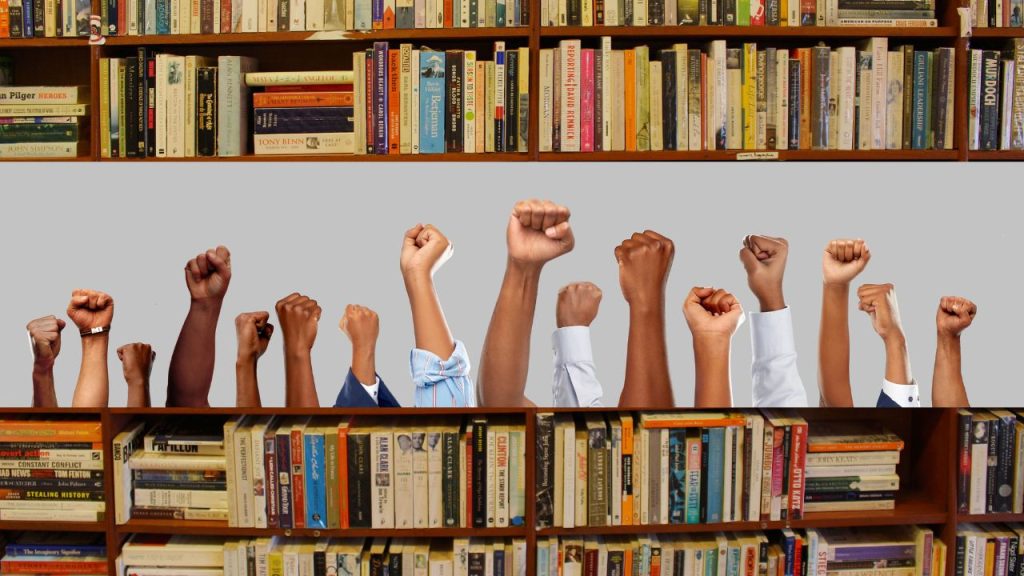



Diversity and inclusion have come a long way in publishing, both on the page and behind the scenes. While the industry should always be uplifting diverse and intersectional narratives and characters, especially for BIPOC and other historically marginalized groups, sometimes “diversity” in books is included for exploitative or malicious reasons.
Under the misguided notion that inclusive diversity is “trendy,” issues like tokenism and performative activism take root, damaging authentic and diverse narratives and voices that give proper nuance to underserved communities. This is not to be confused with bad representation; both are harmful, but bad representation is often a more deliberate act, damaging the representation with stereotypes and poor character choices. While forced diversity is passive harm, there is often an overlap between the two. Here are some books and series in which the diverse representation feels forced or unnatural.
Harry Potter by J.K. Rowling
Cho Chang
Today, it’s no surprise that Harry Potter doesn’t hold up as well as it did when it first gained popularity. One of the many reasons is its attempts at diversity. The series has very few characters of color, and those who are POC are often characterized by stereotypes, such as Cho Chang being a Ravenclaw — a Hogwarts house known for academic ambition, which plays into the “model minority” stereotype.
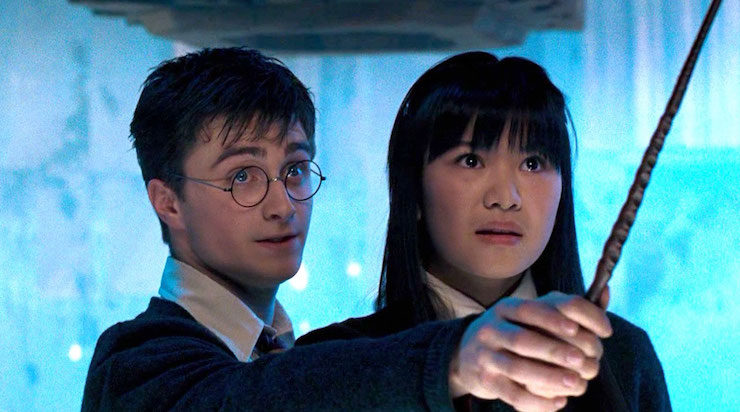
Throughout the series, Cho relies on male characters around her — first Cedric Diggory and then Harry — to fuel her desires and her drive to take action. She is viewed as a romantic object of Harry’s life without any detailed background, unlike Voldemort, the villain of the series, who has a very fleshed-out backstory. Additionally, Cho and Cheng are two last names put together, although Cho is Korean and Cheng is Chinese, so the name doesn’t quite make sense. Her name makes it seem like her ethnicity is a gimmick; it could have been easily swapped with any other ethnic background, and it wouldn’t have mattered.
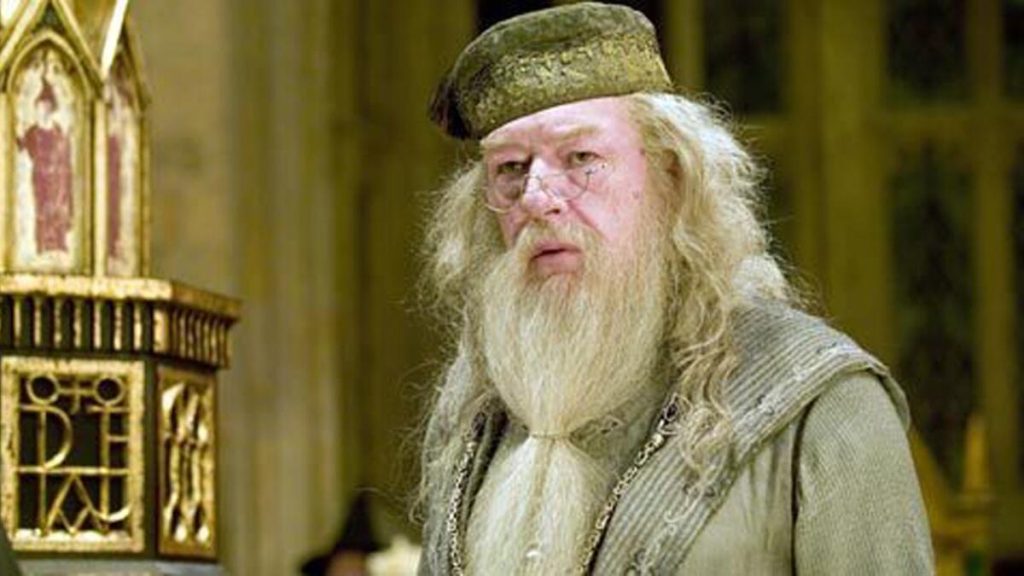
Albus Dumbledore
Dumbledore, the headmaster of Hogwarts School of Witchcraft and Wizardry and mentor to Harry Potter, was confirmed by Rowling after the publication of the last book in the series to be canonically gay. However, his sexuality is never actually explored on the page, and his implied love interest of the past, Gellert Grindelwald, only appears in flashbacks. This kind of queerbaiting — using hints or suggestions of LGBTQ+ romance or themes to attract an LGBTQ+ audience without confirming any queer aspects — feels inherently forced because it’s often done to make a story more queer, and therefore more diverse.
The fandom has spawned its own sub-communities, such as the Marauders fandom, a fan community that revolves around the four friends of Harry Potter’s parents’ generation during their school years, who were first introduced in Harry Potter and the Prisoner of Azkaban. It’s become immensely popular with readers who spawned queer relationships between the four friends through their fan works, so much so that queerness is almost mainstream, but any queerness is due to the fans, not Rowling herself, who has proven herself no true friend of the queer and trans community in recent years.
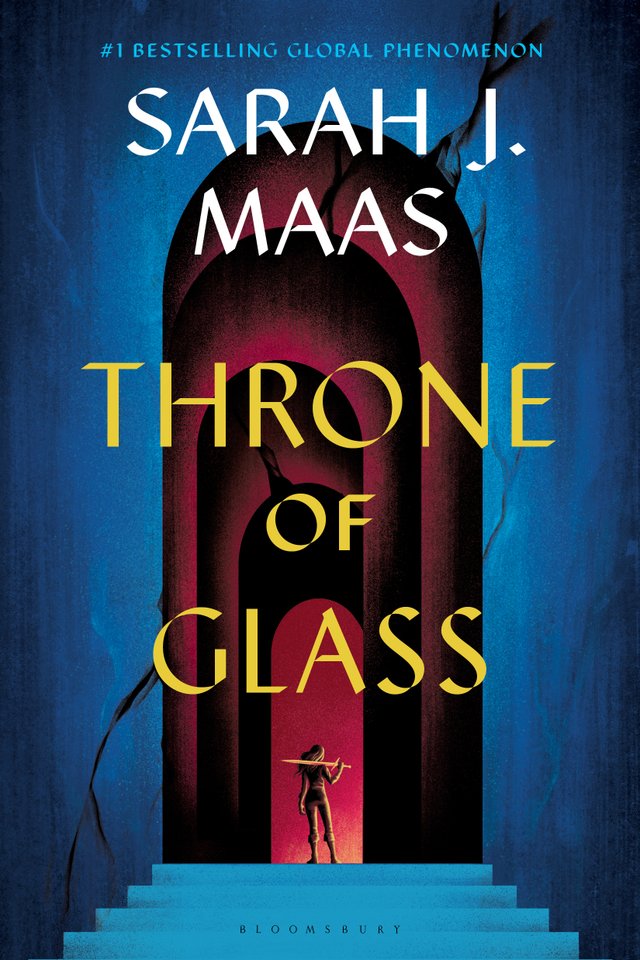
Throne of Glass by Sarah J. Maas
Nehemia Ytger
Despite the series’ immense popularity, something it has always lacked is diversity. Most of the characters in the YA fantasy series are White, cisgender, straight, and non-disabled. In the Throne of Glass series, the only named character of color, Nehemia Ytger — the Eyllwe princess who is sent to learn the northern custom — dies in the second novel. Her death drives the personal development of Celaena Sardothien, the young, white, and cis female protagonist of the series. Nehemia’s own characterization is largely ignored, casting her character as an object of tragedy whose existence revolves around her White counterparts.
Chaol Westfall
Chaol Westfall, the Captain of the Royal Guard, is another character in the series who suffers a tragic accident that leaves him paralyzed. His disability is portrayed as a “problem” that needs to be fixed — an unfortunately common narrative of those with disabilities. He is also often described as handsome despite his disability, an equally damaging depiction of people within the disability community, who frequently have their disabilities categorized as something that makes them “less than” the non-disabled.
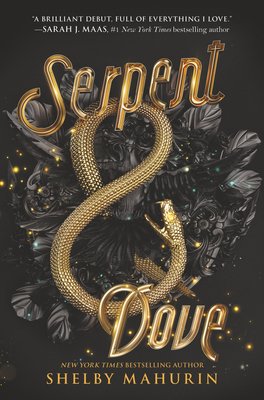
Serpent & Dove by Shelby Mahurin
Coco Monvoisin
Another YA fantasy series, this story follows a witch and a witch hunter forced into an arranged marriage. Yet again, the series is very White with little diversity but features a “token” Black best friend of the protagonist, Lou. Her name is Coco, and it appears as though her name is derived from her skin color, which is concerning. Had her race been swapped with another, how would it have impacted her characterization or the story? This further begs the question: What was the point of making her character a person of color, beyond injecting diversity?
While these depictions may seem discouraging, there are plenty of books out there that have great diversity representation and bring authentic voices to the literary landscape. When creators include diverse characters, they should always ensure that their narrative feels fully fleshed out and authentic.
Want to learn more behind the scenes about publishing? Click here!
For recommendations for books with great diversity, check out Bookstr’s Bookshop shelf, Diversifying Your TBR: Beautiful Black Voices in Literature.