

















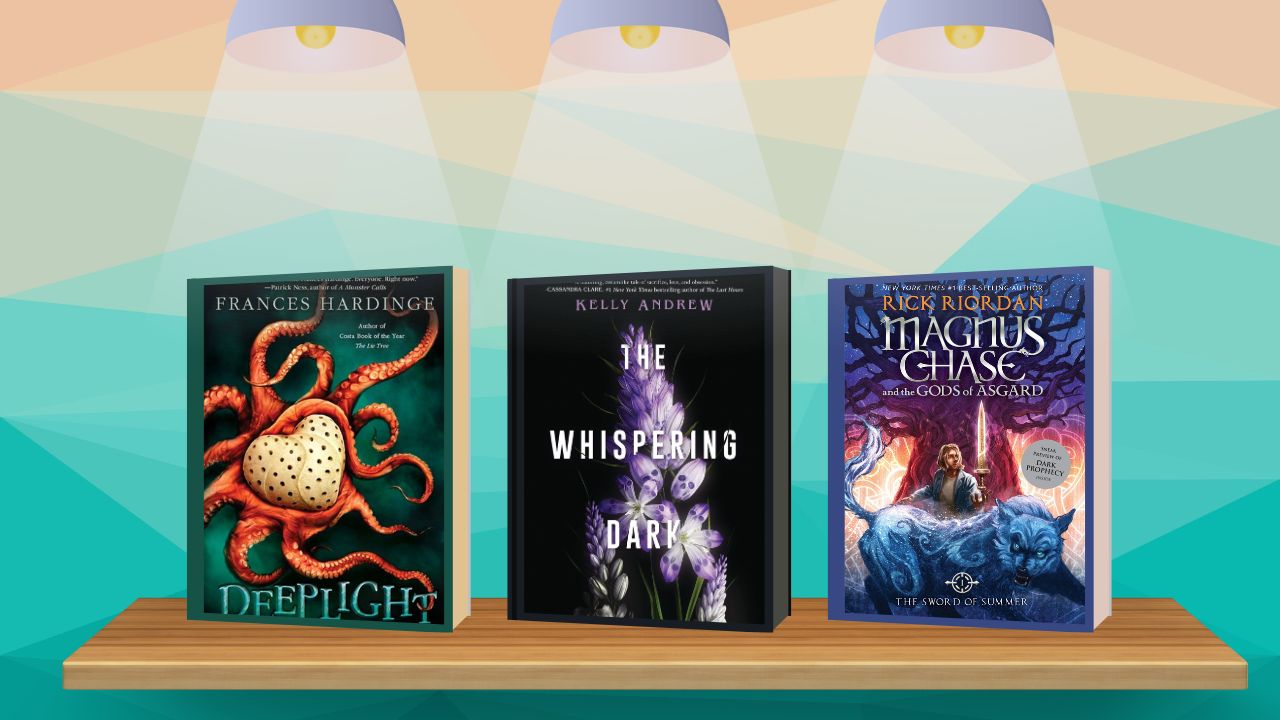
Fantasy literature has a lousy history of inclusive diversity. While we are making strides to improve reading and champion books from queer and authors of color, we also rarely see characters within fantasy stories with disabilities. Particularly for characters who are deaf or hard of hearing, these five books are great fantasy boos that also feature at least one character who is deaf or hard of hearing.
The Sword of Summer by Rick Riordan
The Sword of Summer is the first book in Rick Riordan’s Norse mythology-inspired series, Magnus Chase and the Gods of Asgard. The series follows the titular character Magnus Chase, a homeless teen in Boston when he finds out his uncle is trying to track him down, the same uncle his mother warned him about before running away. His uncle speaks of mysterious gods and a sword, which he insists is Magnus’s birthright. When a fire giant threatens the city, he must choose between his own life and the safety of thousands of innocent civilians.
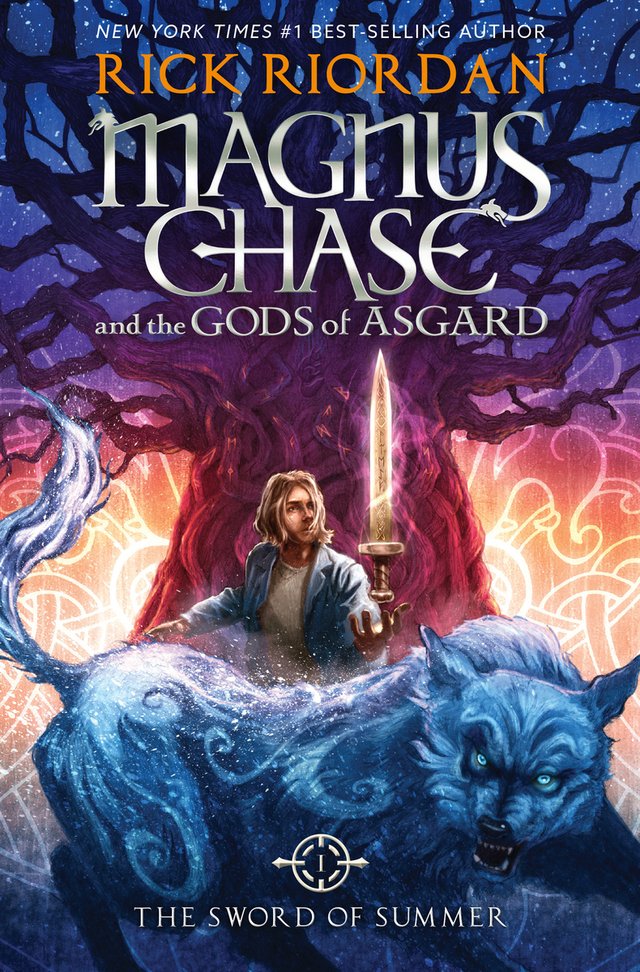
One of Magnus’ friends, Hearthstone, is a deaf elf born in Alfheim who was cast aside by his family when he was younger. Hearth practices rune magic and uses sign language. His deafness is never seen as a hindrance or burden on himself and the other characters, and he deftly weaves Hearthstone’s struggles in an ableist environment while keeping the heart of a middle-grade fantasy series.
Mooncakes by Suzanne Walker & Illustrated by Wendy Xu
Mooncakes is the perfect cozy fantasy read for fans looking for a diverse story. Nova Haung is your average teenage witch. She lives at her grandmother’s bookshop, loaning out spell books. When she follows a white wolf into the woods, she doesn’t expect to find her childhood crush, Tam Lang, to be fighting a horse demon. As a dark force settles over the town of New England to claim the magic of werewolves, Tam and Nova’s relationship rekindles into something more.
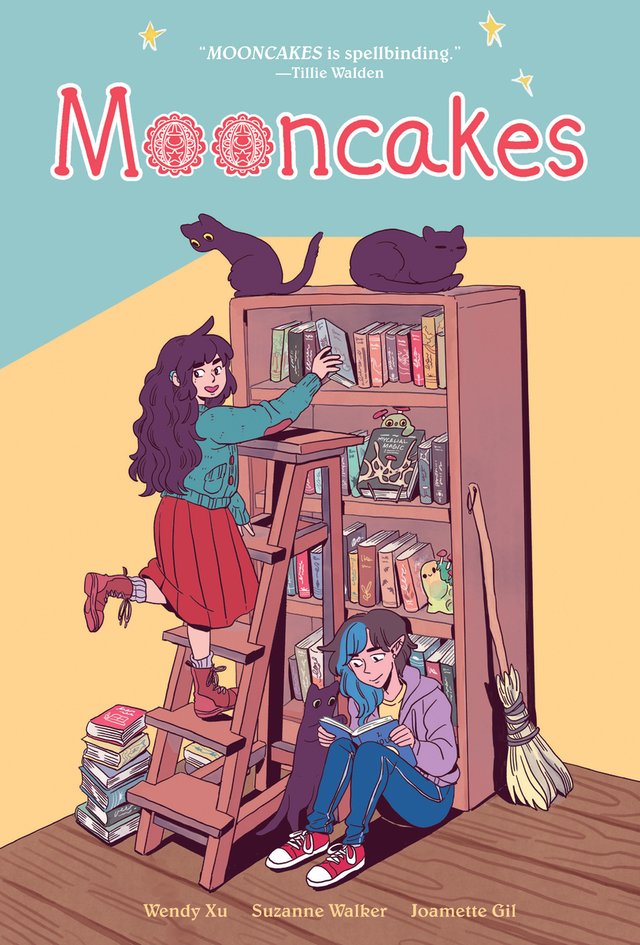
Nova is hard of hearing, which reflects Suzanne Walker’s personal life. Nova also wears hearing aids and exists in a world of magic that doesn’t “cure” her disability—an all-too-abilitist trope in fantasy. Instead, she works around her disability to practice magic in a way that’s more accessible for her.
Deeplight by Frances Hardinge
One generation ago on Myriad, the vicious sea gods reigned supreme, bringing terror and destruction to the archipelago until the cataclysm killed them, leaving remnants of their power in artifacts known as “godware.” Decades later, street urchins 14-year-old Hark and his best friend Jelt become scavengers, people who dive for godwares in the hope of selling them. But when Hark comes across an old relic on the ocean floor, he doesn’t understand the consequences it will have on Myriad, the old gods, and Jelt.
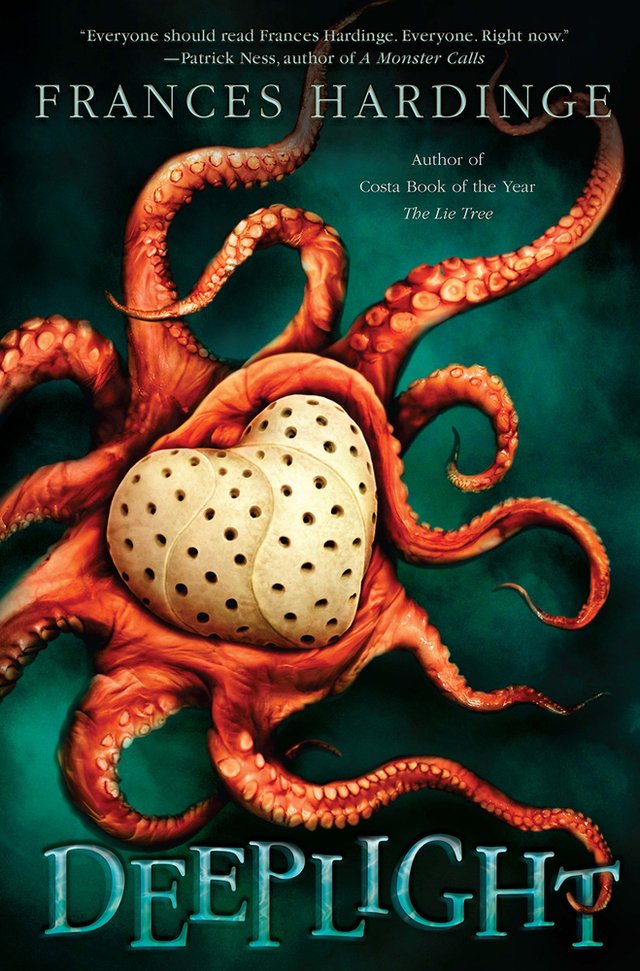
The deaf community is an integral part of Myriad through the elite group of revered divers called the “sea-kissed” who’ve lost their hearing to the depths. We follow one of the sea-kissed, Selphin alongside Hark and Jelt. She uses sign and speech to communicate, and Hardinge deftly weaves deaf culture into this world, making Deeplight some of the best disability rep in fantasy.
Wonderstruck by Brian Selznick
This dual POV book follows Ben and Rose as they embark on individual journeys to find what they are missing, set decades apart. Ben longs to find his father, whom he’s never known, and Rose dreams of a mysterious actress, Lillian Mayhew, whose life she chronicles in a scrapbook. Both their quests lead them to cross paths, with Ben’s story told with words and Rose’s with gorgeous illustrations, making it a fast but unforgettable read.
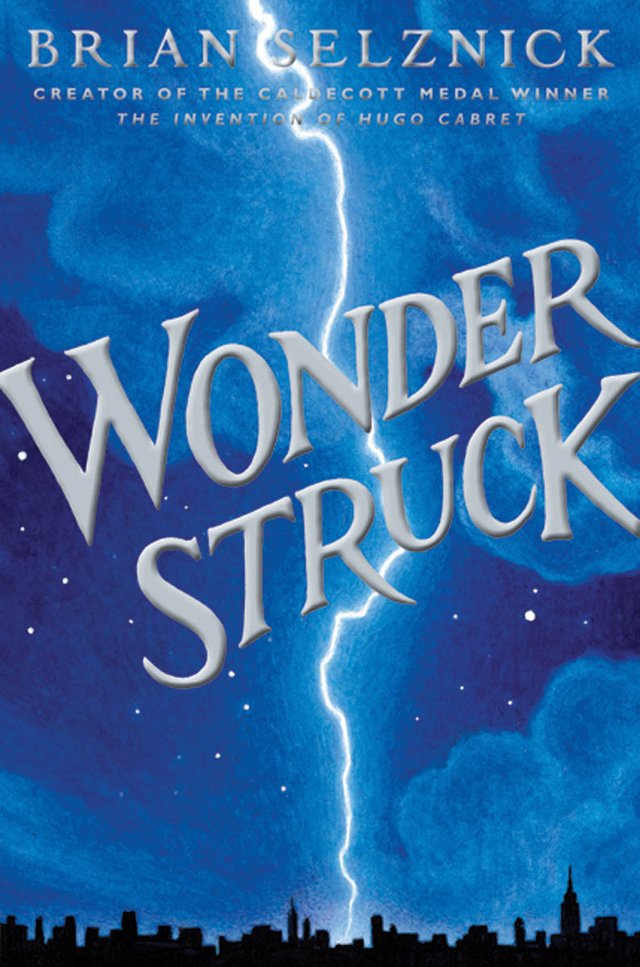
Rose was born deaf, and Ben was born deaf in one ear before becoming fully deaf after a bizarre accident. Selzick depicts deaf history and language pretty accurately through Rose and Ben, who are both struggling to navigate their ableist environment.
The Whispering Dark by Kelly Andrew
Delaney Meyers-Petrov knows being accepted to the prestigious program at Godbole University, wich trains its students to slip through parallel worlds, is the chance to prove herself. Growing up deaf, she was often viewed as fragile, and when she arrived at school, she was disappointed to find that some professors wouldn’t accommodate her disability. She also runs into Colton Price again, who died when he was nine years old and has been ordered to stay away from her. But after a Godbole student turns dead, they must form a tenuous alliance to uncover the university’s secrets and stop a mysterious force before it tears them apart.
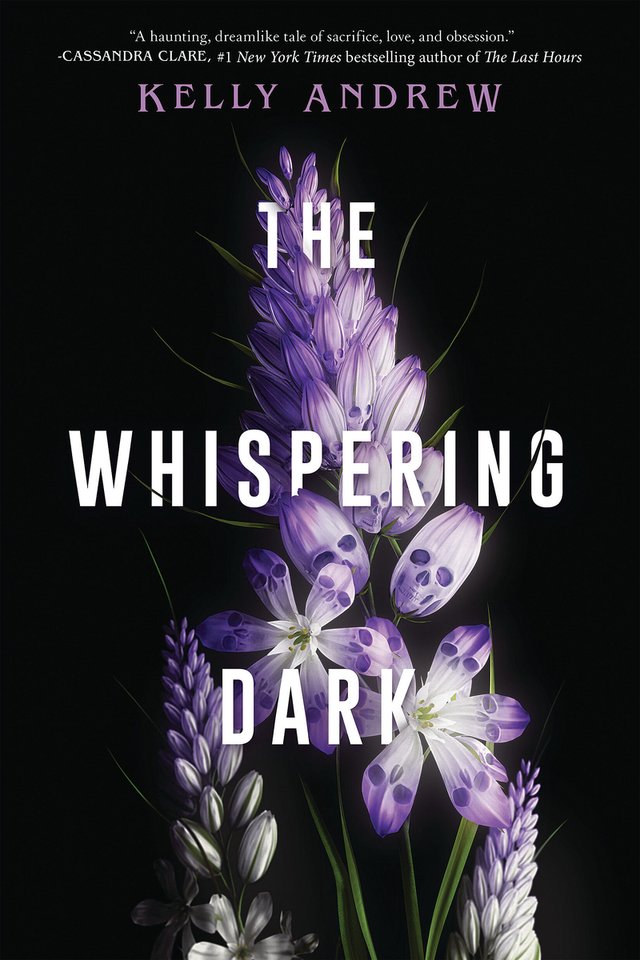
Delaney’s disability is a reflection of Kelly Andrew’s experience as someone who is deaf, and both of them wear a unilateral cochlear implant. But Delaney doesn’t mind the silence and embraces it, allowing her to hear things from beyond the veil.
These five reads are spearheading deaf disability representation in fantasy, and we can only hope there are many more to come.
Click here to read about five deaf authors redefining the narrative!
Click here to check out our team recommendations from our Bookshop shelf!
