


















Trigger warning: This article and the books discussed within it contain references to potentially distressing content, including violence against Indigenous women, colonialism, addiction, and suicide. Please exercise care while reading.
As the specter of colonialism looms large over American Indian communities, horror has become a fertile ground for Indigenous writers to explore its lasting consequences. One such person is Tunica-Biloxi author Nick Medina. Set on the fictional Takoda Reservation, Nick’s stories draw inspiration from both Indigenous folkloric tradition and contemporary issues within Native communities. His debut, Sisters of the Lost Nation, highlights the ongoing epidemic of violence against Indigenous women and girls. Indian Burial Ground, meanwhile, reclaims a long-appropriated and misused horror trope while exploring addiction and mental health.
Today, Nick joins us to talk about his latest novel, The Whistler, which introduces ghost hunter Henry Hotard to his cast of characters. As Henry recovers from a life-changing accident, he must also confront the spirit he’s convinced is haunting him. Sound intriguing? Read on to learn more.
About Nick Medina
Born in Chicago, Illinois and a member of the Tunica-Biloxi Tribe of Louisiana, Nick Medina writes horror, thriller, and mystery fiction that pairs social issues with local and Native American folklore. In addition to writing, he enjoys live music, ghost stories, and spending time with family. His third novel, The Whistler, is out now. Connect with him on www.nickmedina.net, Instagram (@nickmedinawrites), Threads (@nickmedinawrites) and X (@MedinaNick).
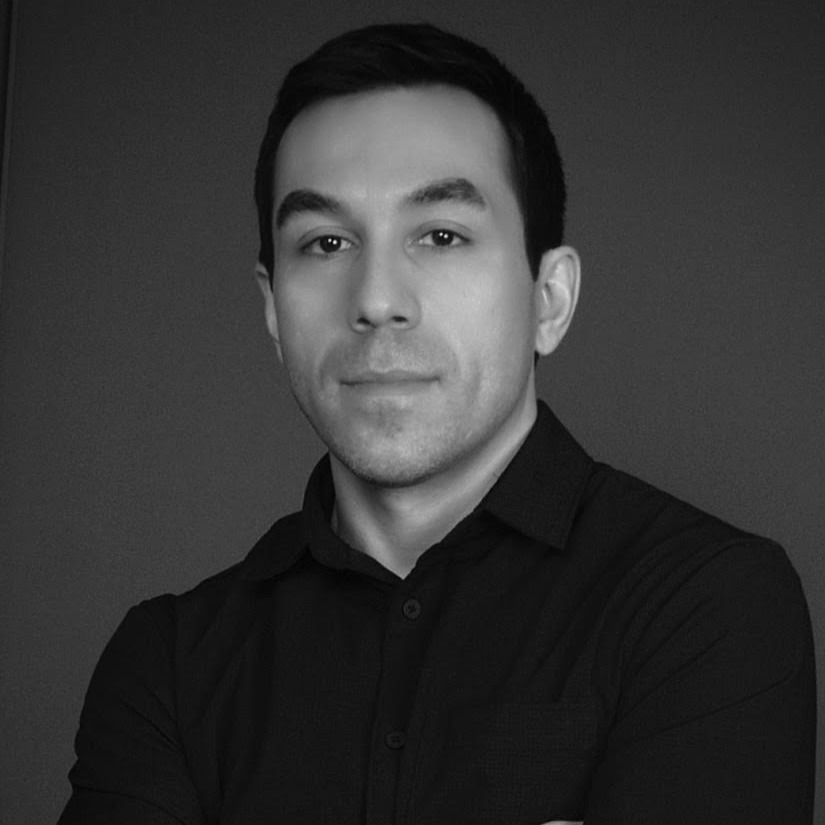
Thanks for joining us, Nick! Let’s get started.
For anyone not familiar with your work, describe your latest novel, The Whistler, in three words.
Superstition. Folklore. Ghosts.

Did you know after completing Indian Burial Ground that you would do a narrative overlap to revisit certain characters and places and ultimately connect the two stories when writing The Whistler?
I knew I would write another story that takes place on the Takoda Reservation, which is where my first two books are set, but I didn’t know how closely connected it would be to Indian Burial Ground until I started pondering a question I left unanswered in IBG. Once I found the answer to that question, The Whistler was born.
Talk to us about the Boy With Two Faces prologue and your thought process behind connecting it with the overall story.
The Boy With Two Faces is a piece of folklore in the style of traditional Native storytelling. By weaving the story throughout The Whistler, which deals with modern challenges and fears, I was able to show how and why traditional tales are still relevant today. I love pairing folklore with current social issues because each tends to intensify the other, which works well in scary stories.
You explore many important topics in The Whistler, including disability and loss of autonomy, access to healthcare, and Indigenous folklore and superstition. Why is it important to you to call attention to social issues in your horror novels, and what do you hope readers take away from the story?
Many of the issues I write about have long histories. They’re persistent in the damage they do to the communities dealing with them, and they tend to be overlooked by the majority, which means little is often done to fix — or, at the least, to alleviate — the root problems. Many people have told me that my books have opened their eyes to issues they hadn’t been aware of before. Calling attention to these issues is why I write about them.
Henry discovered his love for horror and folklore through Pawpaw Mac. What was your introduction to horror, and who were some of your influences that helped shape you as a writer and horror lover today?
I don’t recall when, exactly, I first encountered horror, but I do remember hearing a lot of ghost stories as a kid. I grew up with the Scary Stories to Tell in the Dark series, Goosebumps, The X-Files, and Svengoolie in Chicago. All those things steered me toward seeking more scary stories, which helped me discover writers I love, like Edgar Allan Poe, Mary Shelley, Stephen King, Patricia Highsmith, and many more who continue to influence me as a writer.
The novel discusses social media and the rise of influencers, instant gratification, and burnout. How was this important in telling Henry’s story, and how do you handle or avoid burnout yourself?
Social media puts fame within reach, making it easier to achieve than ever before. For someone like Henry, who craves attention and approval — and who will stop at nothing to obtain it — social media becomes part of his downfall. I’m still figuring out how to effectively and healthily use it myself. It’s an essential part of promoting books, but it can quickly become overwhelming. For now, I have notifications turned off, and I try to only use it when needed.
Henry loves music and all things rock ‘n’ roll. If you could describe Henry as a song, which song would he be and why?
Off the top of my head, I’ll go with Do You Love Me? by KISS. It’s a song about fame that acknowledges how empty it can be.
If The Whistler were adapted into a film, who would you like to see play Henry, Jade, and Toad?
It’s too hard for me to see my characters as others. I’d leave that up to a casting director.
You’ve solidified yourself as a strong voice in horror. Are there any other genres you hope to dabble in, or can we hope to see more bone-chilling novels from you in the future?
I’m hoping to write more in the mystery and thriller vein, but I definitely have more scares in me.
When crafting your next story, we’d love to get a peek into your writing style and process. Are you more of a Plotter or a Pantser, or do you fall somewhere in the middle as… a Plantser?
I’m a plotter. I need a solid outline before I dive into a story. That said, I always deviate from the outline and end up pantsing parts of the story. That’s the fun of it, though. I’m surprised by the different twists and turns a story takes almost every time I sit down to write.
Set the scene for us on your go-to writing spot and where the magic happens.
I have a home office that I keep quiet (aside from some ambient sounds that suit whatever scene I’m writing) and fairly dark, which helps limit distractions. There’s nothing all that special about it, except for the I WANT TO BELIEVE X-Files poster above my desk. Those four words have fueled a lot of words on the page.
Thanks again to Nick for speaking with us! Visit his website and other socials to keep up with his work — and don’t forget to check out The Whistler!
Interested in hearing from more marginalized horror authors? Click here to check out our interview with Mar Romasco-Moore.
Find more terrifying reads at our Bookshop.
