

















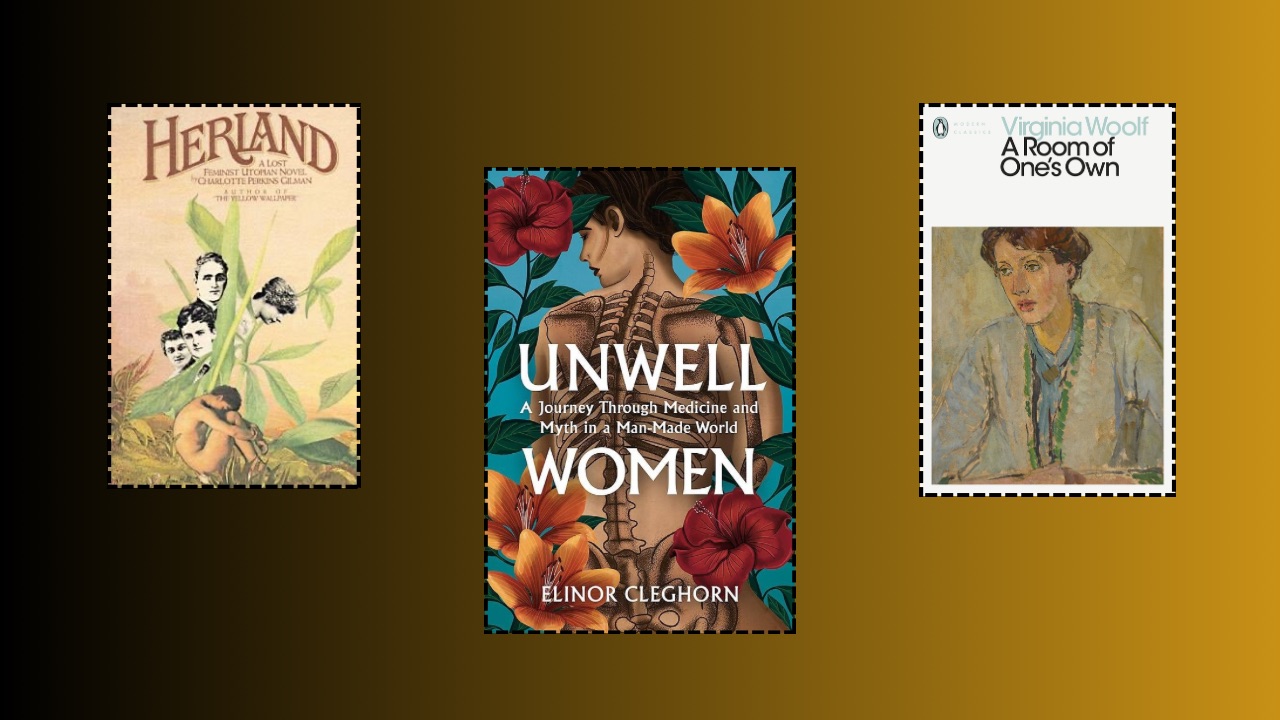
Feminism is a widely recognized term that has been used since the late 1800s. Yet, as we’re in an ever-changing society with new voices emerging, there are a lot of different variants of feminism — Marxist feminism, radical feminism, intersectional feminism, first-wave, second-wave, third-wave, liberal feminism, postmodern feminism, and more. This list compiles ten pioneering feminist books that each delve into differing types of feminism by varying voices!
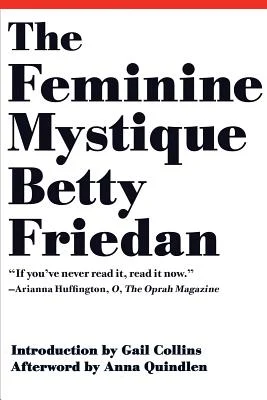
The Feminine Mystique (1963) by Betty Friedan
Betty Friedan is widely considered to be a pioneer of the second-wave feminist movement. Her book The Feminine Mystique (1963) is a quintessential piece of feminist literature as it champions women’s liberation. Friedan’s work focuses primarily on middle-class white feminism, and thus liberating them from patriarchal notions of women as exclusively housewives and bearers of children. While Friedan’s work has been critiqued by contemporary feminists for its exclusion of women of color and working-class women, bearing this in mind, it is still a solid foundation for better understanding the second-wave feminist movement.
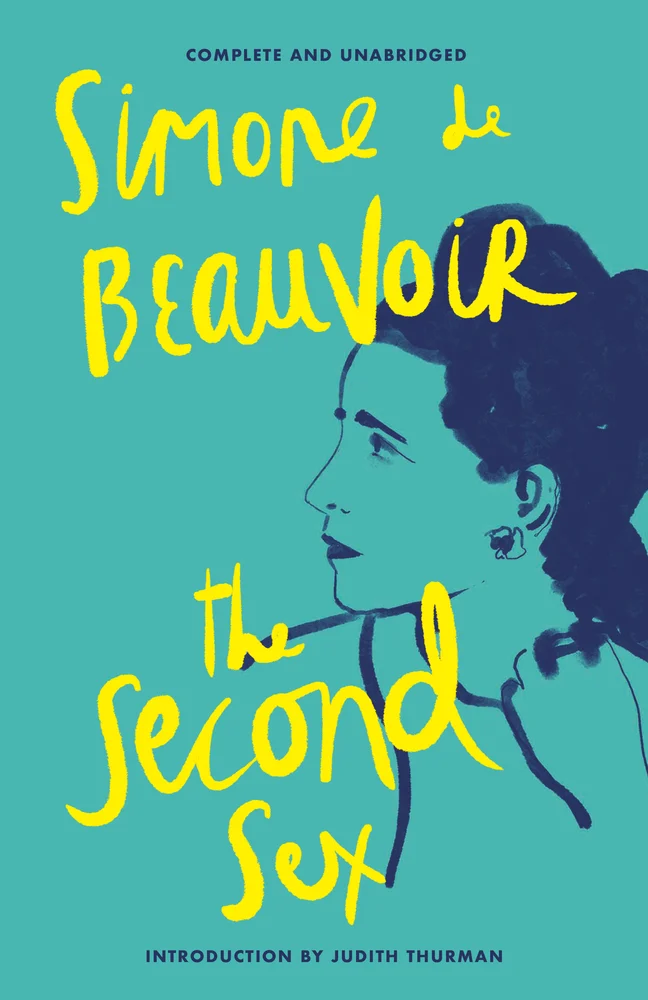
The Second Sex (1949) by Simone De Beauvoir
Simone De Beauvoir is universally deemed as one of the greatest existential philosophers and feminists throughout history. Her work, The Second Sex (1949), is yet another pre-eminent piece that sparked the second-wave feminist movement. Beauvoir delves into the notion of woman as ‘other’, secondary to men under patriarchal society. Her critique of historical and societal oppression against women will forever be viewed as one of the greatest pieces of feminist literature.
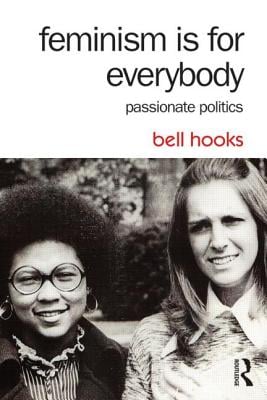
Feminism Is for Everybody (2000) by bell hooks
Gloria Jean Watkins, or better known as bell hooks, is a crucial figure in the intersectional feminist scene. Her work, Feminism Is for Everybody (2000), was inspired by Friedan’s work, The Feminine Mystique. Hooks noted Friedan’s exclusion of black and working-class feminism, and therefore dedicated her works to advocating for intersectional feminism — a term used to describe how an individual’s race, gender, social class, or sexual orientation might affect their lived experience of social privilege and discrimination. Her book is a colossally integral read to better understand and include everyone in feminism.
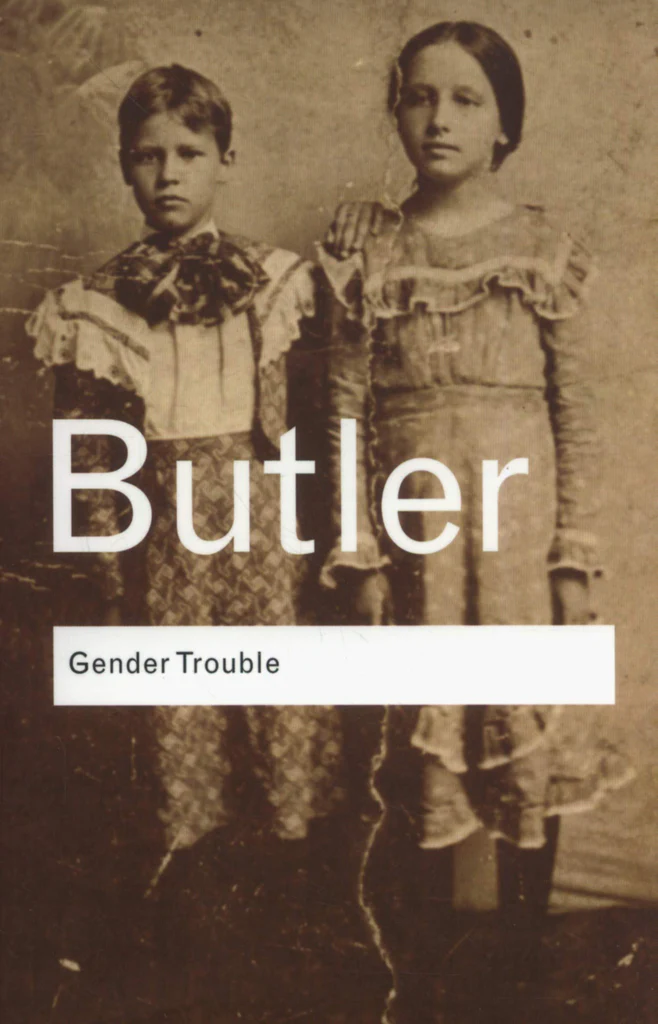
Gender Trouble (1990) by Judith Butler
Judith Butler’s Gender Trouble (1990) is a critical book that delves into the notion of gender as performance. Butler’s innovative text merges together feminism, queer theory, and philosophy, making for a rich text that explores gender through the lens of social class, ethnicity, and sexual orientation. Gender Trouble is an essential read for any avid feminist readers.
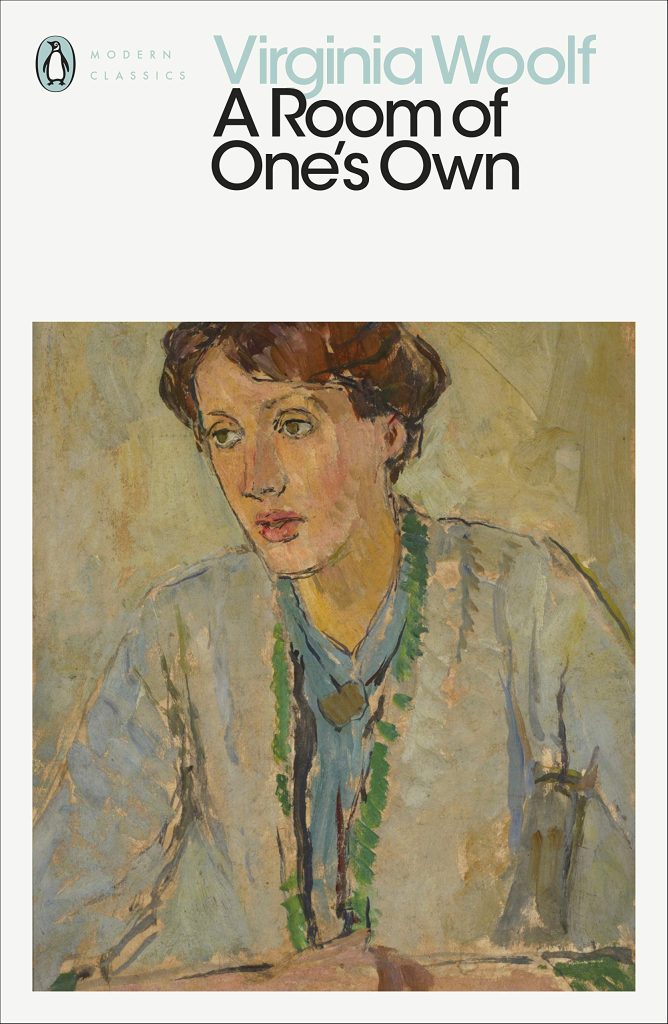
A Room of One’s Own (1929) by Virginia Woolf
Virginia Woolf is well-known and beloved for her novels Mrs Dalloway (1925) and To The Lighthouse (1927). Her experimental style of writing has inspired many contemporary writers and has solidified Woolf as one of the greats. A Room of One’s Own (1929) is a fundamental read for anyone interested in writing. Her work emphasises the utmost importance of financial independence and creative freedom, for women in particular.
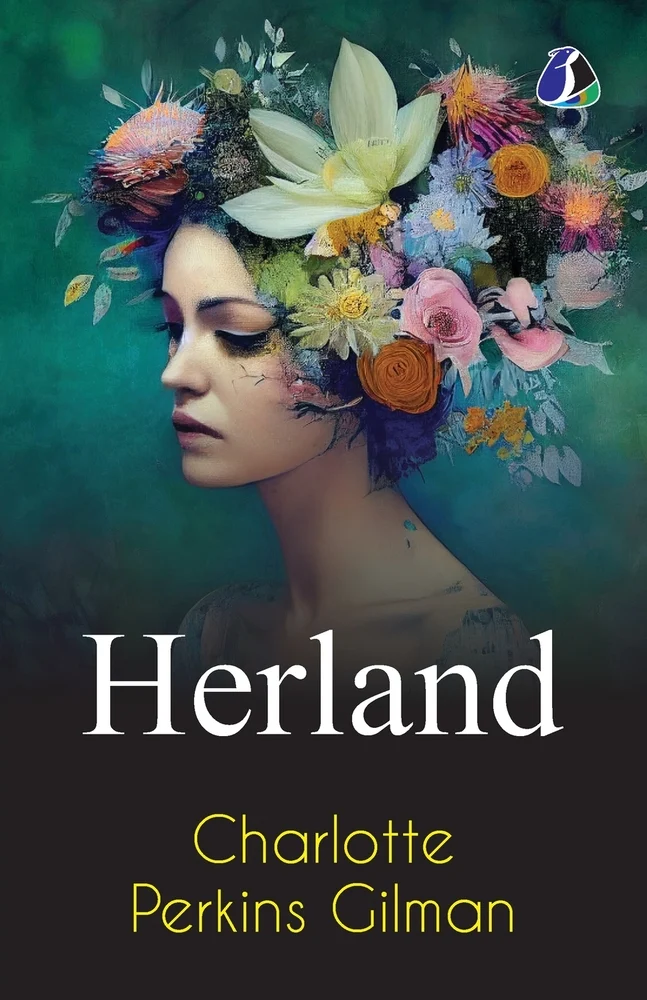
Herland (1915) by Charlotte Perkins Gilman
While a fictional novel, Charlotte Perkins Gilman’s Herland (1915) is no less integral to understanding feminism and women’s liberation. The book follows a society composed exclusively of women, who are capable of having children without men, through parthenogenesis, whose peaceful existence is disturbed by two men who infiltrate their space. The book reads as a gloriously intelligent feminist utopia — and works well as a predecessor to Barbie (2023) — for its themes of female community and patriarchal power.
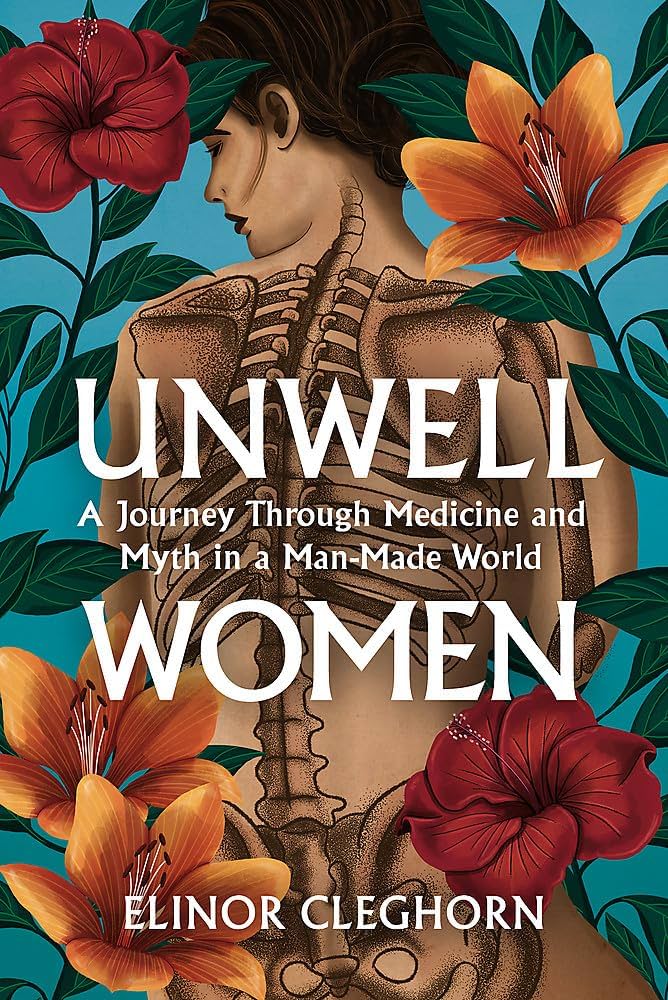
Unwell Women (2021) by Elinor Cleghorn
Elinor Cleghorn’s searingly important Unwell Women: A Journey Through Medicine and Myth in a Man-Made World (2021) delves into medical misogyny through history. The book takes the form of differing chapters that each provide details into different eras of history, in which women’s health was mystified, dismissed, or altogether ignored by white coat authority. The book attempts to uncover patriarchy in the medical field and has a timeless feel due to its compelling yet informative style.
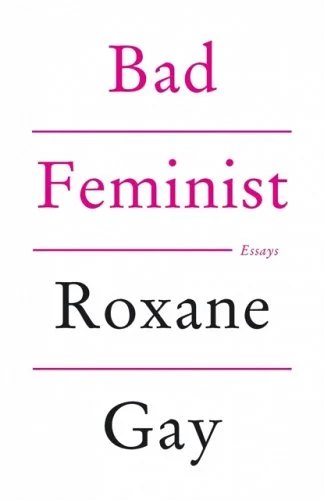
Bad Feminist (2014) by Roxane Gay
Roxane Gay rose to prominence with her best-selling essay collection Bad Feminist (2014). The book explores being feminist whilst simultaneously liking “unfeminist” things, along with Gay’s musings on popular culture, identity, sexuality, and race. Bad Feminist is an essential read for everyone looking for a sprinkle of humour in their feminist literature.
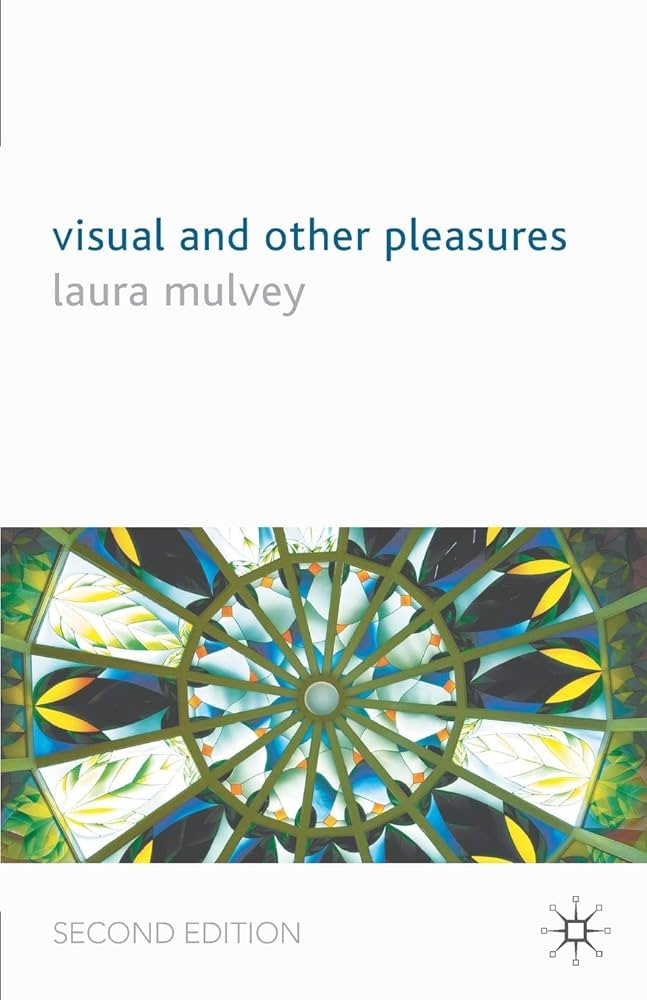
Visual and Other Pleasures (1989) by Laura Mulvey
Laura Mulvey is famous for coining the term ‘the male gaze’ — particularly in the realm of cinema studies, but it can be applied to literature and media more broadly. Her essay “Visual Pleasure and Narrative Cinema” was later added to a collection, Visual and Other Pleasures (1989), which is an essential read for anyone looking to better grasp the concept of the male gaze. While there are no shortages of video essays and misinterpretations of Mulvey’s theory online, it is always best to read the primary material firsthand, in Mulvey’s own words. Her work unpacks the notion of ‘woman as image” or as a spectacle for the viewing pleasure of male spectators. Her work has since been expanded on by Mulvey herself and other theorists, but this theory is essential for anyone looking to grasp feminist theory and apply it to literature, film, and other forms of popular culture.
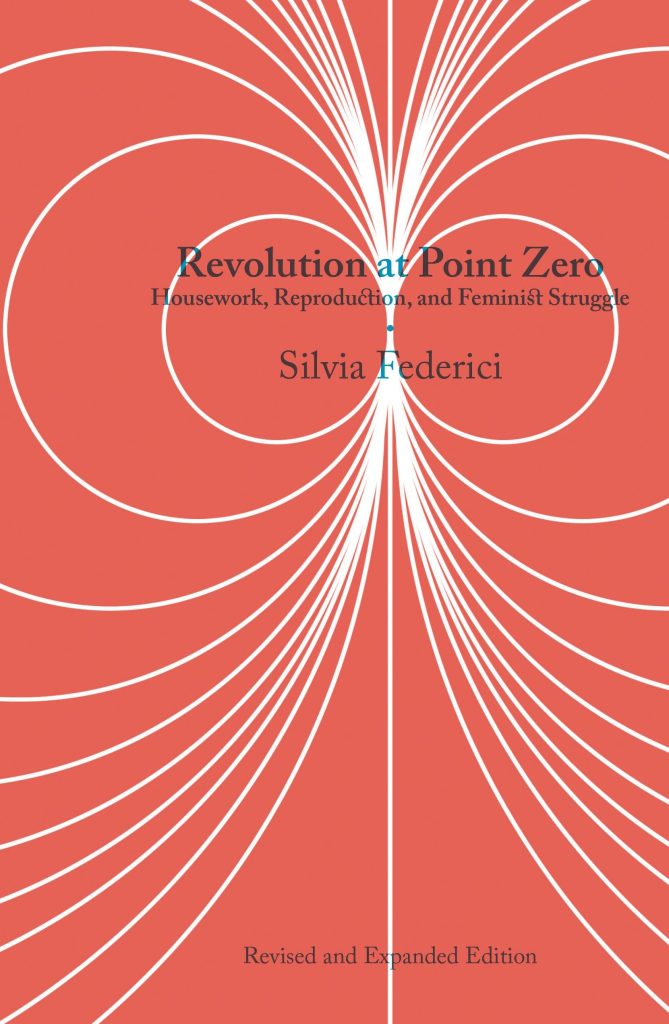
Revolution at Point Zero (2012) by Silvia Federici
Silvia Federici’s Revolution at Point Zero: Housework, Reproduction, and Feminist Struggle (2012) is a critical feminist piece delving into women’s unpaid labour in the household. It is a collection of essays gathered from 1975-2012. Federici’s Marxist feminist lens is a valuable perspective to better grasp the underappreciation of housewives and their domestic labour. Federici’s book is a timeless perspective that unfortunately still resonates today as women’s domestic labour goes unpaid and dismissed as female work that is unworthy of pay.
No matter what branch of feminism you gravitate towards, there is certainly a little something on this list for all kinds of feminists, or those looking to learn something new about a particular wave of feminism.
Looking for more feminist voices to sink your teeth into? Next, read 5 Fierce Feminists From Mexico That Will Empower You
We have even more recommendations to suit every taste at Bookstr’s Bookshop
