

















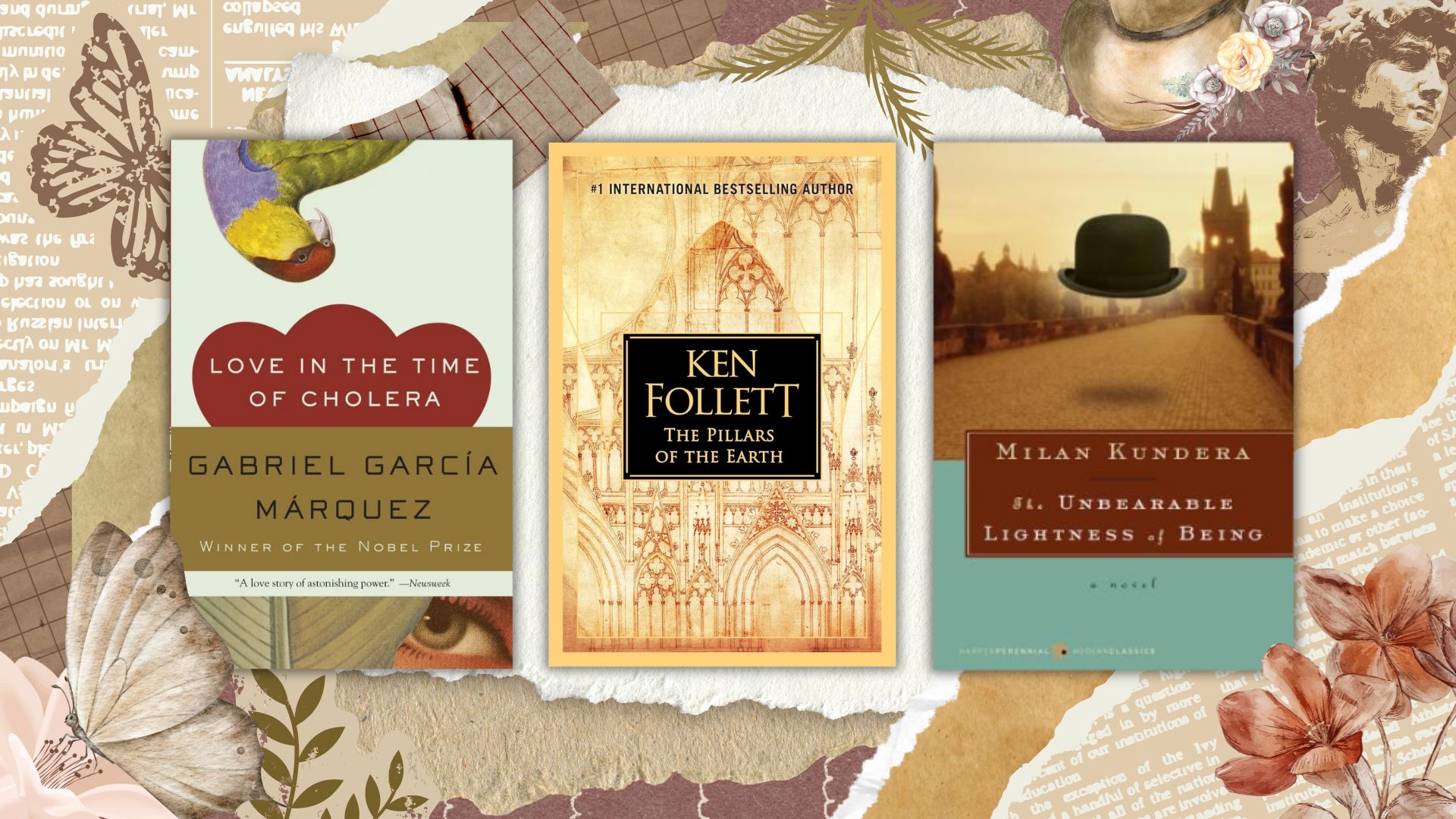
There’s something deeply touching about 20th-century literature that deserves far more recognition for its masterpieces. The novels of this era hold a soul-capturing quality with pages overflowing with raw expressions, articulating feelings, emotions, and the human condition that remain ever so resonant. Among these wonders of the 1980s are eight gems that need to be rediscovered for the powerful meaning they hold.
Love in the Time of Cholera by Gabriel García Márquez
Love in the Time of Cholera tells the story of Florentino Ariza and Fermina Daza’s youth, who are swept into the intoxicating whirlwind of first love, bound by stolen glances and secret exchanges that ignite a passion neither can forget. Yet, when Fermina ultimately chooses the security and status of marriage to a wealthy, well-born doctor, Florentino’s heart shatters. Though devastated, he clings to the idea of love as his guiding force, a beacon he refuses to let extinguish. His devotion, though deferred, becomes the thread that quietly weaves through the entirety of his life.

As Florentino excels in the ranks of his business career, he distracts himself with a staggering 622 affairs, fleeting entanglements that never truly capture his heart. For all his indulgences, the truth remains: his soul belongs only to Fermina. When fate finally claims Fermina’s husband, Florentino seizes the moment he has long awaited, appearing with deliberate intention at the funeral. After 50 years, nine months, and four days since his first declaration, he dares once more to profess the love that time, distance, and circumstance had never managed to undo.
The House of Spirits by Isabel Allende
Isabel Allende’s The House of Spirits presents a panoramic narrative that traces the turbulent legacy of the Trueba family across three generations, with Esteban Trueba at its center. He’s a fierce and domineering patriarch whose hunger for power and influence shapes not only his family’s destiny but also mirrors the shifting tides of a nation in turmoil. His life is, however, balanced by his wife, Clara, a luminous and mystical presence whose gifts are unearthly and spiritual. Together, their union becomes a clash of fire and light, grounding the novel in both the human and the transcendent.

The next generations arise, marked by passion, defence, and change. Bianca, the daughter of Esteban and Clara, challenges her father’s authority with a forbidden love that scandalises the family, yet it is the love that brings forth Alba, the granddaughter who embodies hope and resilience. Alba’s journey is one of ambition and courage, leading both her family and her country toward the promise of revolution and transformation. Through their triumphs and sorrows, Allende weaves a story that binds the intimate struggles of the Truebas to the broader sweep of history, creating a luminous saga of love, memory, and fate.
Beloved by Toni Morrison
Toni Morrison’s Beloved peers unflinchingly into the legacy of slavery, weaving a narrative that is at once epic in scope and achingly intimate in its detail. At its center is Sethe, a woman who fled the brutal confines of slavery in Kentucky for the fragile promise of freedom in Ohio. Yet even in her new life, she cannot escape the relentless grip of memory, haunted by both the physical scars of her past and the psychological chains of trauma. Morrison transforms history into a story that resonates with the cadence of myth, echoing both collective suffering and personal loss.

Sethe’s home, meant to be a sanctuary, is instead possessed by the ghost of her nameless child, whose brief life and tragic death reverberate with unspoken grief. The presence of his spirit forces Sethe and those around her to confront the unspeakable horrors of Sweet Home — the ironically named plantation where cruelty and dehumanisation thrived beneath a veneer of pastoral beauty. With prose that blends bitter poetry and harrowing suspense, Morrison delves between past and present, love and despair, freedom and bondage. Beloved casts an emphasis on the wounds of slavery that linger across generations, demanding remembrance as much as mourning.
The Name of the Rose by Umberto Eco
The Name of the Rose unfolds in 1327, within the cloistered walls of a wealthy Italian abbey steeped in suspicion and silence. Brother William of Baskerville, a sharp-minded Franciscan friar, arrives to mediate delicate matters of heresy but quickly finds his mission derailed by a string of mysterious deaths. With the intellectual rigour of Aristotle, the spiritual grounding of Aquinas, and the scientific curiosity of Roger Bacon, William approaches the investigation with both wit and precision. His pursuit of truth pits reason against superstition, unravelling the tightly woven fabric of secrecy that cloaks the abbey.
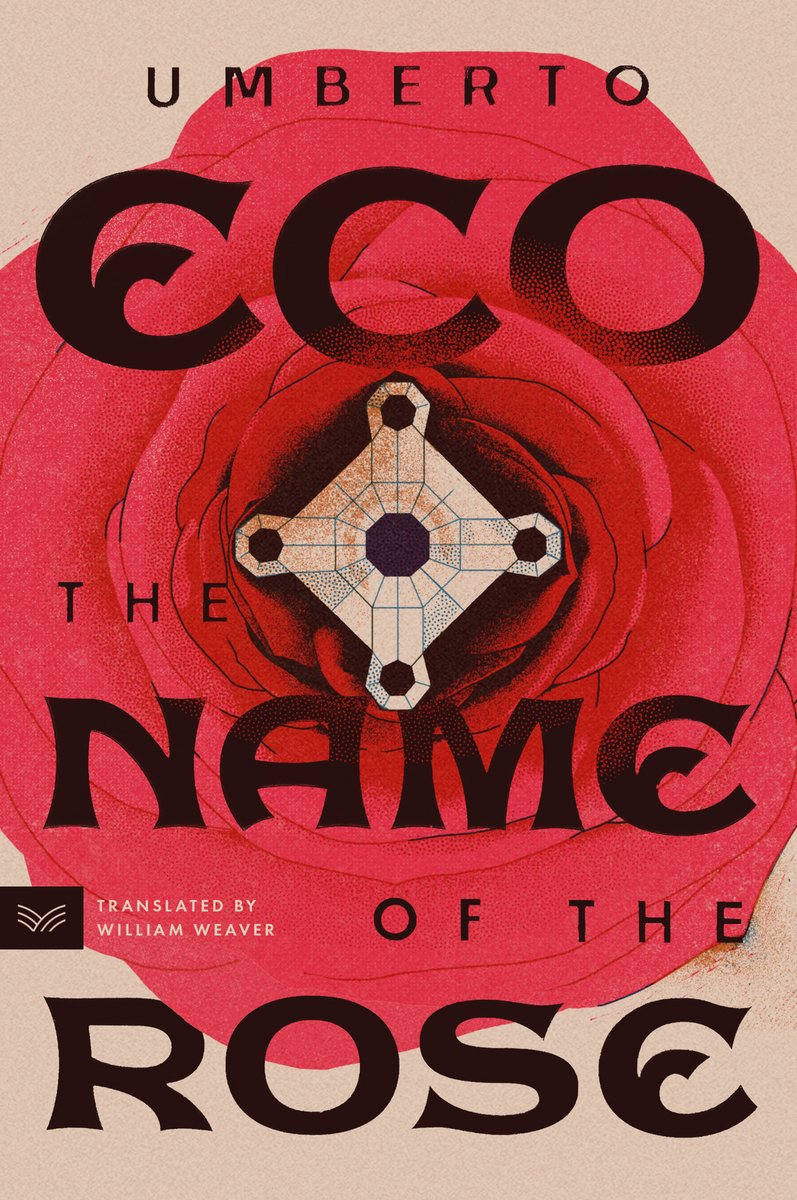
As the deaths mount, William follows a trail of cryptic manuscripts, hidden symbols, and rumours that point toward a deeper conspiracy. The heart of the mystery lies within the abbey’s vast and forbidding library, where knowledge is guarded like treasure and shadows conceal dangerous truths. Armed with an unshakable curiosity and a dry sense of humour, William pieces together fragments of evidence in a race against fear and fanaticism. Eci’s novel becomes more than a murder mystery, highlighting the idea of faith and the perilous pursuit of forbidden knowledge.
The Queen of the Damned by Anne Rice
Anne Rice’s The Queen of the Damned features vampire Lestat, now a rock star adored by millions, who tempts fate by flaunting the existence of his kind to the mortal world. As he prepares for a monumental concert in San Francisco, he is worshipped by entranced fans, while simultaneously despised by fellow vampires who perceive his brazen hunger for fame as reckless betrayal. They regard him as a dangerous force, one who risks exposing their hidden empire for the sake of adoration and glory. Lestat’s defiance becomes the spark that ignites rivalries among the undead, setting the stage for a conflict that reaches across centuries and bloodlines.
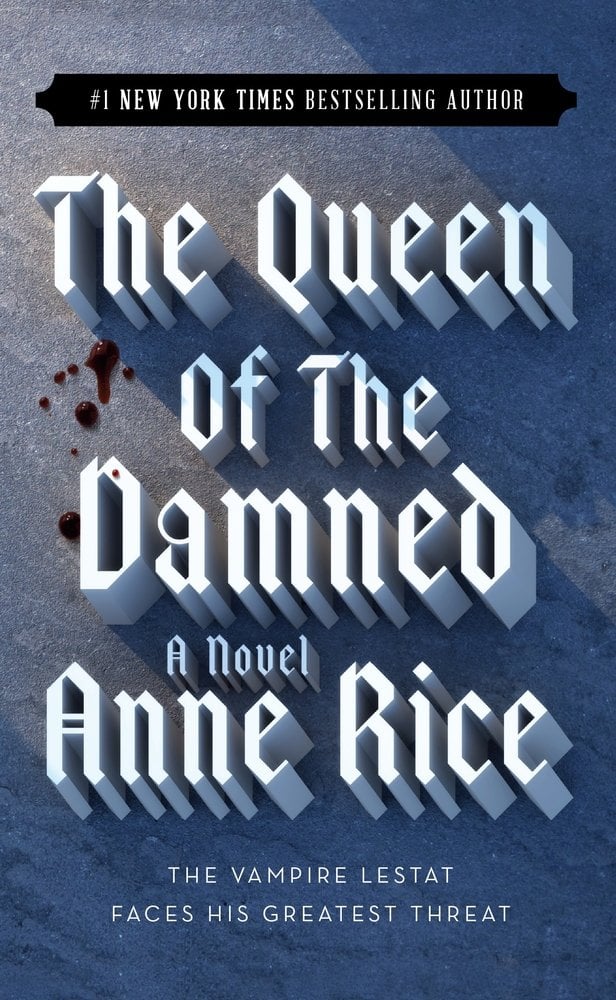
Meanwhile, a haunting dream spreads like wildfire among mortals and immortals: a vision of red-haired twins cursed by tragedy with a suffering that beckons the dreamers together on perilous journeys. The story unfolds with Akasha, the ancient Queen of the Damned and mother of all vampires, who awakens after six millennia to execute her chilling vision of salvation. Her plan to elevate herself and her chosen son-lover to divine status promises not deliverance but domination — an apocalyptic rewriting of myth and history. Through narratives that span from ancient Egypt to the modern world, Rice weaves a violent, sensual, and timeless saga that culminates in a 20th-century reckoning, where the fate of both the undead and the living hangs in the balance.
Norwegian Wood by Haruki Murakami
Haruki Murakami’s Norwegian Wood revolves around the prominent narrative of Toru Watanabe, a reserved and contemplative college student in Tokyo whose life is shaped by love, loss, and memory. His devotion to Naoko, a fragile and introspective young woman, is shadowed by the lingering trauma of their best friend’s tragic death. While Toru quietly learns to navigate the alienating campus life, Naoko withdraws, overwhelmed by the weight of existence and her own inner battles. Both share a delicate love fuelled with grief and silence.
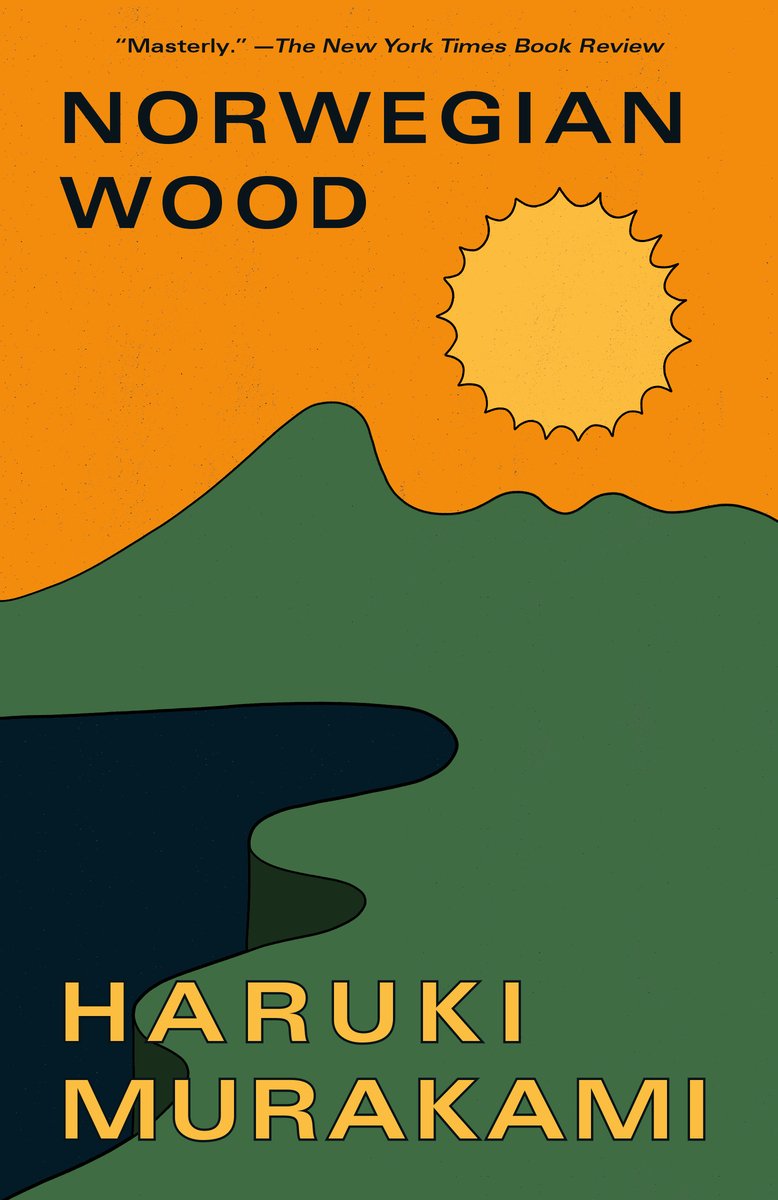
As Toru struggles to reconcile his feelings for Naoko, he encounters Midori, a bold, free-spirited woman whose open-mindedness and independence contrast sharply with Naoko’s delicate nature. Through Midori, he discovers the intoxicating pull of desire, vitality, and the possibility of life beyond sorrow. Murakami blends this intimate coming-of-age story with the cultural and emotional backdrop of weaving music, atmospheric mood, and ethos into Toru’s journey. Murakami presents the aching beauty of first love that can never fully be reclaimed.
The Pillars of the Earth by Ken Follett
Ken Follett’s The Pillars of the Earth is an extraordinary story, notable for its vivid portrayal of 12th-century England. Set in a feudal society, the novel captures the grandeur and brutality of the Middle Ages with striking detail: vast forests teeming with life, fortified towns buzzing with commerce, and monasteries that anchor the daily existence. At the heart of it all lies the ambitious dream of constructing a cathedral, a monument to both faith and human ingenuity. Follet transforms this undertaking into a living, breathing world where artistry and devotion collide with greed and power.
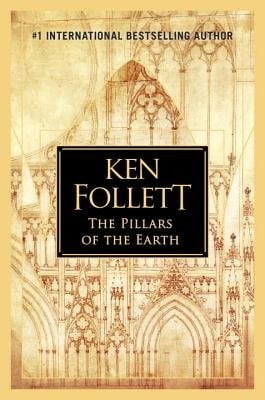
Within its richly woven elements, readers are drawn into the intertwined lives of characters whose destinies converge around the cathedral’s rising walls. Tom, the steadfast builder; Aliena, the noblewoman scarred yet unbroken; Philip, the determined prior; Jack, the visionary sculptor; and Ellen, the mysterious forest-dweller who wields curses like weapons — all come to life with depth and passion. Their struggles, betrayals, and loves unfold against the backdrop of wars, famine, and shifting allegiances, reflecting the human condition across time. From the wrongful hanging that ignites the tale to the cathedral’s completion and the downfall of a king, Follett delivers a narrative of ambition, resilience, and the enduring power of creation.
The Unbearable Lightness of Being by Milan Kundera
Milan Kundera’s The Unbearable Lightness of Being explores the tangled web of passion, desire, and loyalty through the lives of four unforgettable characters. A young woman who loves a man unable to resist his own womanising gets caught between his devotion to her and the pull of fleeting encounters. Alongside them are his mistress, a woman of complexity and independence, and her steadfast lover, whose quiet faithfulness offers a stark counterpoint. Together, their lives intertwine with love, freedom, and the choices that define human existence.
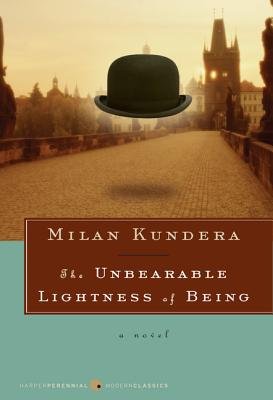
The novel is elevated through its exploration of relationships and the depth of Kundera’s reflections, blending philosophy with storytelling. Moving across distant settings and shifting perspectives, he paints a portrait of both the intimate and the universal, where history, politics, and personal belonging converge. His prose is playful yet powerful, marked by irony, beauty, and insight. The Unbearable Lightness of Being, purely reflective of its name, highlights the exploration of the endurance of the fragility of the human heart and the complexity of the human condition.
There you have the eight hidden gems from the ’80s! Whether this list has unlocked a core nostalgic memory of how you once felt reading these stories, inspiring you to revisit them, or sparked a new passion to venture into the alluring tales of that decade, we hope these old yet unforgettable reads gave you delight! Which ’80s read is your fav? Let us know on our socials if you’ve read any of these or are looking forward to!
Love a good old but gold story? Click here to get more of timeless literary treasures.
Can’t get enough of postmodern literature? Take a look at our Bookshop page to keep exploring!
