



When photography was invented, it seemed as if fragments of reality could suddenly be frozen and preserved. Photographs became storytelling tools, with subjects from portraits to landscapes leaving an impression on each viewer who encountered them. With the medium’s capacity for both artistic manipulation and fidelity to real life, it sits at an intersection of art and technology that makes us consider what we see as real or as representation. Photography’s contradictions also give it an important place in the stories we read, as the characters within must also make sense of these complexities. Here are seven titles including characters who grapple with photography as an art form, career, or piece of their identity.
Autobiography of Red by Anne Carson
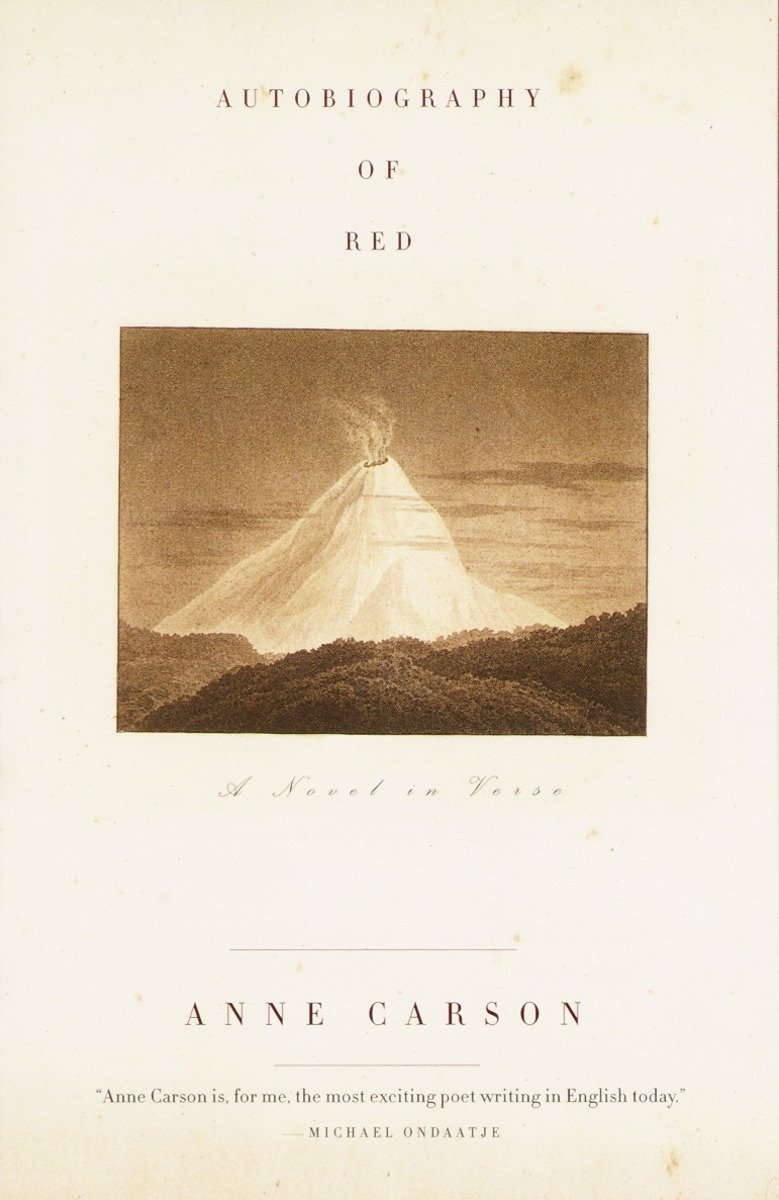
Anne Carson is a renowned poet, essayist, and translator, but her work in Autobiography of Red blurs writing genres. Her imagining of the Greek Monster Geryon as an angst-filled, lovesick teenage boy is a novel in verse, making use of both modern references and fragments of the ancient lyric poet Steichorus’ poem Geryonies. Within the pages themselves, Carson works even more artistic mediums into the fold, crafting Geryon’s navigation of love and construction of identity through practices including photography and sculpture. The camera embodies many of the teenager’s wide-reaching thoughts on people’s place in time.
Eight Girls Taking Pictures by Whitney Otto
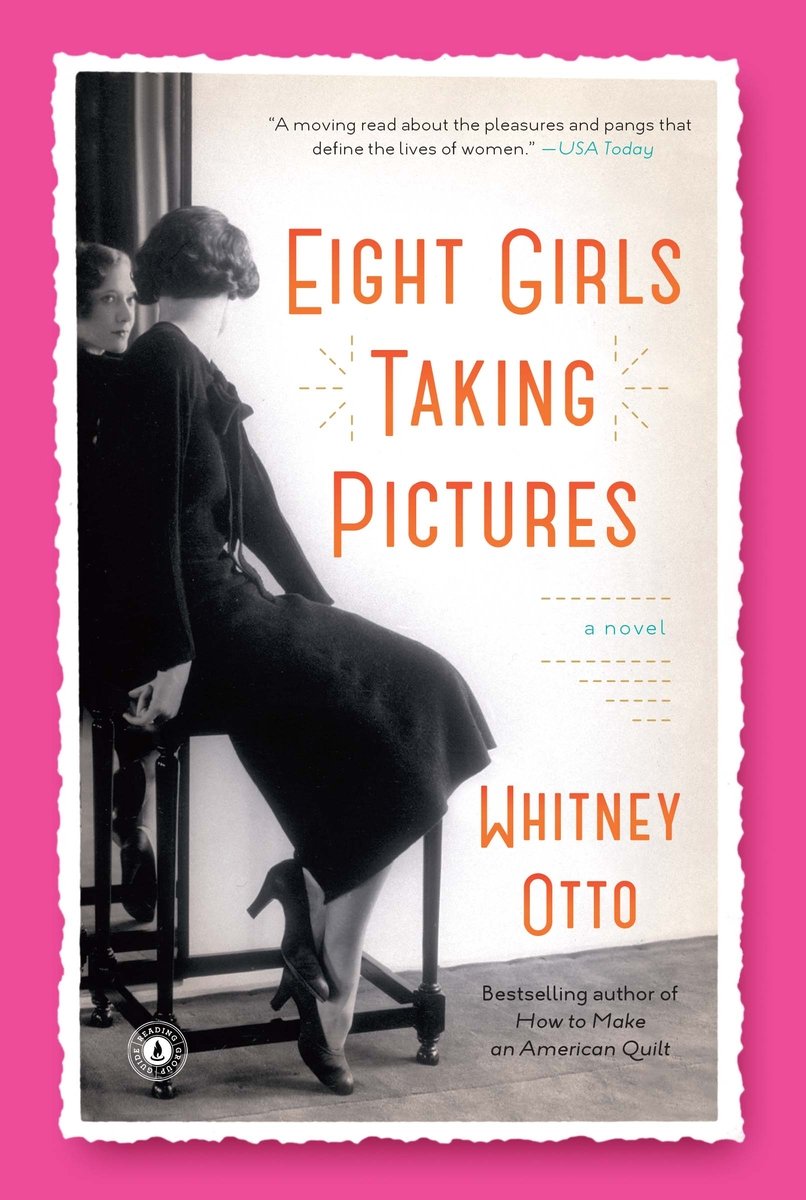
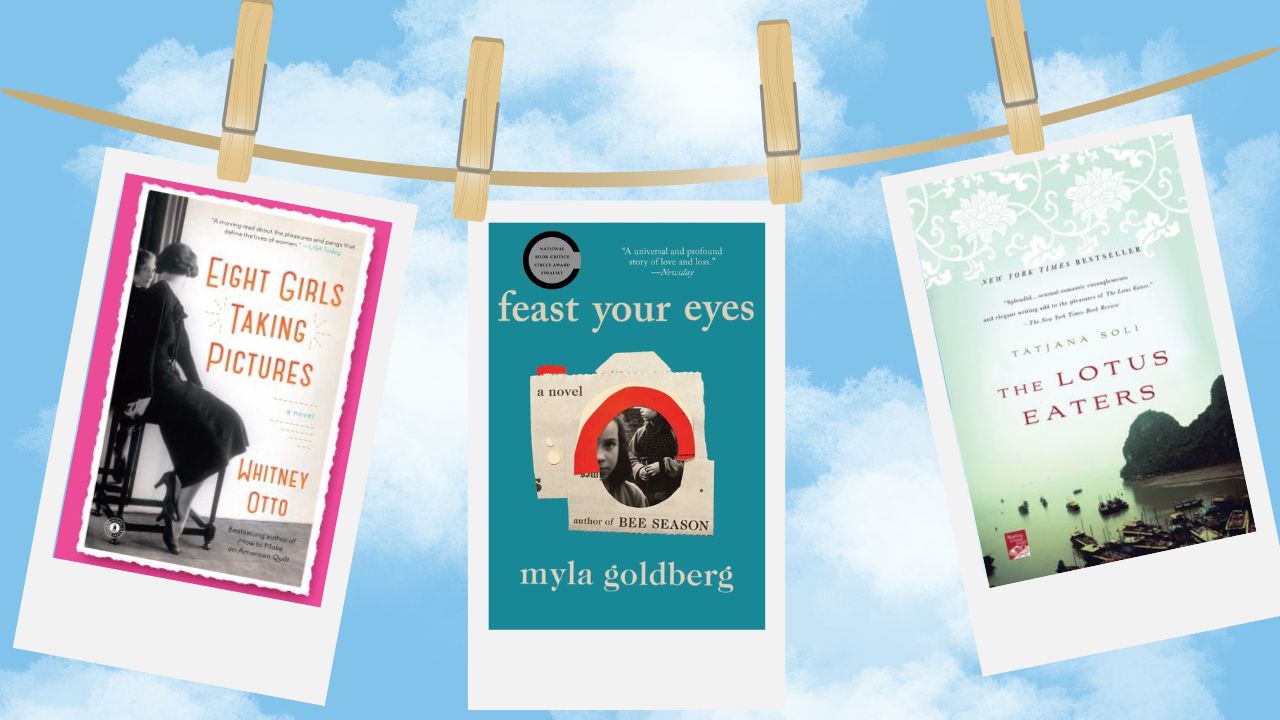
Whitney Otto’s Eight Girls Taking Pictures is true to its title: the story is split into eight stories of women living and working as photographers in various eras of the 20th century and countries across the globe. Otto’s work portrays the struggles, joys, and complexities of each woman’s relationship to their profession, illustrating eight unique experiences with how women artists balance gender roles and expectation with their own artistry. Eight Girls Taking Pictures also takes inspiration from real-life photographers, including Imogen Cunningham, Madame Yevonde, Tina Modotti, Grete Stern, Lee Miller, and Ruth Orkin.
The Lotus Eaters by Tatjana Soli
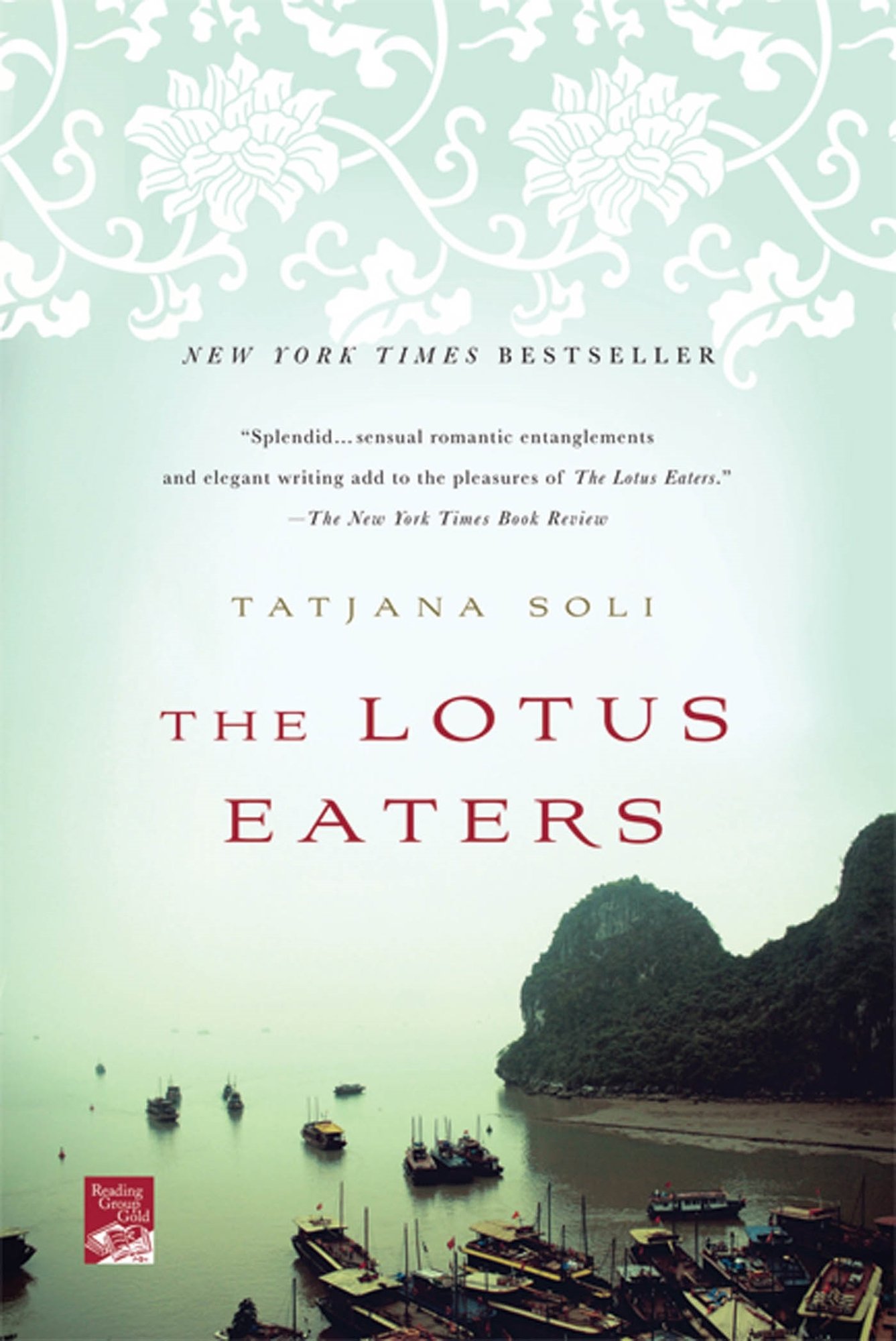
Tatjana Soli paints a passion-and-torment-filled portrait of one photojournalist’s experience capturing the Vietnam War in The Lotus Eaters. The story follows Helen Adams, a young woman who drops out of college after her brother’s death in the war, making her own way to Saigon to photograph the combat. The relationships that develop between Helen and both her mentor, an older American war photographer, and his assistant, a Vietnamese photographer and veteran of the war, bring another level of conflict to her time in the war-torn country. Characters of The Lotus Eaters are haunted by loss and violence. The story explores their struggles to reckon with what it means to be a war photographer, and how those who wield a camera relate to one another and their work.
Feast Your Eyes by Myla Goldberg

In her novel Feast Your Eyes, Myla Goldberg introduces readers to Lillian Preston as an eager high schooler, passionate about photography. However, the story quickly plunges the young girl into a world of responsibility as she finds herself pregnant and living alone in New York City. When a gallery exhibits Lillian’s semi-nude photographs of her daughter Samantha, her situation escalates, forcing her into the public eye as she embarks on a defense of her art in an obscenity trial. Feast Your Eyes also makes use of a unique storytelling method. Goldberg frames Lillian’s fight for her career and daughter through a museum catalog and MoMA retrospective by Samantha, which includes diary entries and interviews.
The Mercury Visions of Louis Daguerre by Dominic Smith
Louis Daguerre’s innovation of the daguerrotype made waves across the world, a phenomenon so significant it earned its own phrase, “daguerromania.” Dominic Smith, however, sets his focus on this icon of photography after his most notable achievements in the narrative of The Mercury Visions of Louise Daguerre. Smith’s work of historical fiction follows Daguerre on a quest to complete a bucket list of daguerreotype exposures to capture, fueled in part by his mercury-poisoning delusions that the world is soon coming to an end. The most prominent of the images he desires to make is one of his lost love Isobel, an idea that poses questions about how love and art can intertwine.
To The Bright Edge of the World by Eowyn Ivey
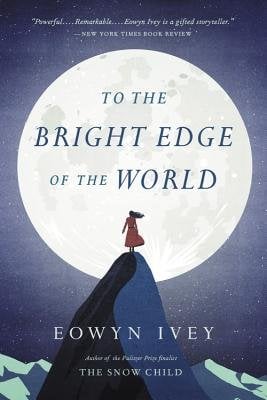
The lives of Lieutenant Colonel Allen Forrester and his pregnant wife, Sophie, lead the narrative of To The Bright Edge of the World. With Allen leading an expedition through Alaska, and Sophie living at the Vancouver Barracks, the couple’s love story takes place across miles. Documents of many kinds make up the body of the novel, including diary entries, photographs, and letters between the husband and wife. Sophie’s writing in To The Bright Edge of the World also tells of her ambitions and growing success as a photographer, making the images created and shared throughout the story important symbols of both their romance and their individual lives and passions.
The Bridges of Madison County by Robert James Walter
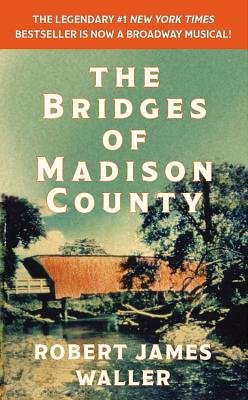
Walter’s bestselling novel of a war bride and her affair with a National Geographic photographer in Madison County, Iowa, is said to be inspired by his own experience photographing the bridges of the county. In a story of a woman’s sudden connection and passion amid a lonely, stagnant life, her lover’s chosen profession of photography is an essential aspect of his worldly life of travel and artistic endeavors that thrills her. The romance of Walter’s story, and the heartbreak of its fleeting nature, made Bridges of Madison County into one of the most popular titles of the 20th century.
Looking through the lens of a camera limits the world to a single frame, but the images it captures can tell expansive stories. These titles make use of the art form and its specific way of seeing the world to expose characters’ hopes, fears, and dreams.
Want to learn more about the intersection of books and other art forms? Click here.
Find these books and more on our Bookstr Team Recommendations bookshelf on Bookshop.org.