

















Game of Thrones fans know all too well that good art takes time — in this case, the follow-up to A Dance with Dragons, George R. R. Martin’s latest installment in the series, is over 15 years in the making. And it’s not even the last book!
As long as that wait is, there are fans who have waited just as long — or longer — for their next literary fix. Still, their patience was well-rewarded, and they were able to enjoy some of the most iconic series and sequels of all time. So if you’re tearing out your hair, read the rest of this list, and hopefully you’ll be able to generate some inspiration for further patience — after all, it could be a while yet!
Dune Messiah and Children of Dune by Frank Herbert (seven years)
Frank Herbert’s Dune series has recently been catapulted into the mainstream, thanks to the recent film adaptation starring everyone’s favorite Knicks fan, Timothée Chalamet. But OG Dune fans following the original series were faced with a nearly-decade-long waiting period between the second and third books.
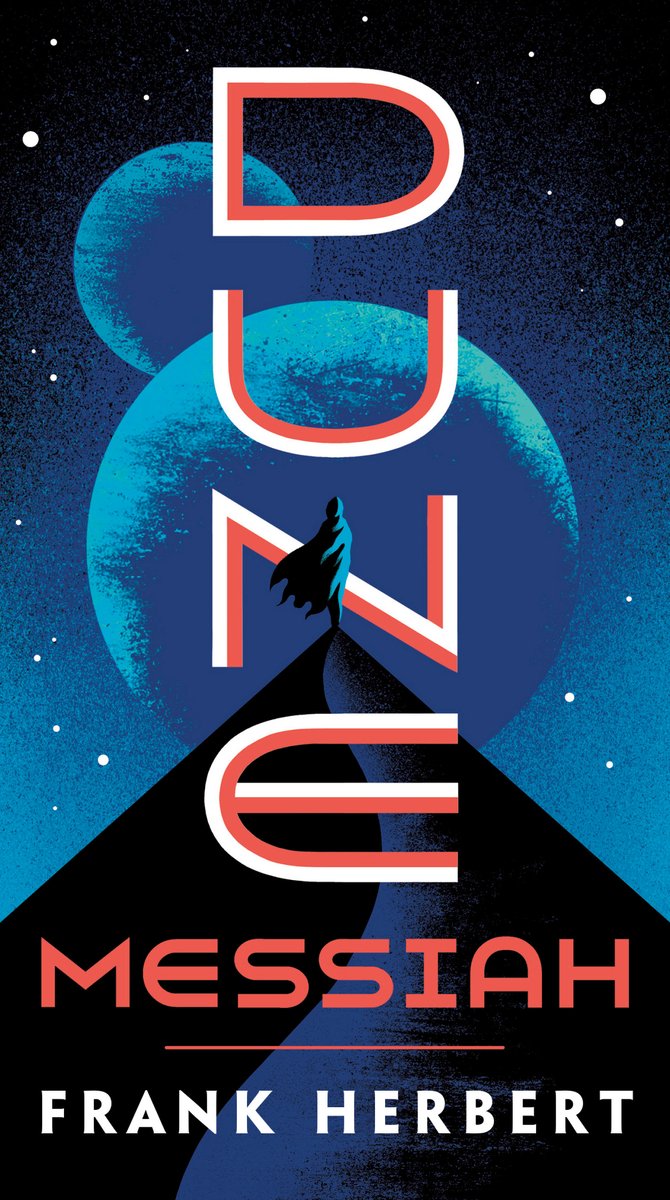
The original series, beginning with Dune and ending with Chapterhouse: Dune, spanned six books released over 20 years — but over a third of that time was just the seven-year gap between Dune Messiah and Children of Dune. Why the delay? No one’s sure, but it could be that Dune Messiah concludes the arc of Paul Atreides, and Children of Dune picks back up with his son; although the stories are connected, they follow different characters.
Silence of the Lambs and Hannibal by Thomas Harris (11 years)
Thomas Harris’ Hannibal series has spawned its fair share of pop culture flashpoints, from the iconic Oscar-winning movie Silence of the Lambs to the hit TV show Hannibal. But it took a while for the series to get started – the gap between the second and third books in the series is over a decade.
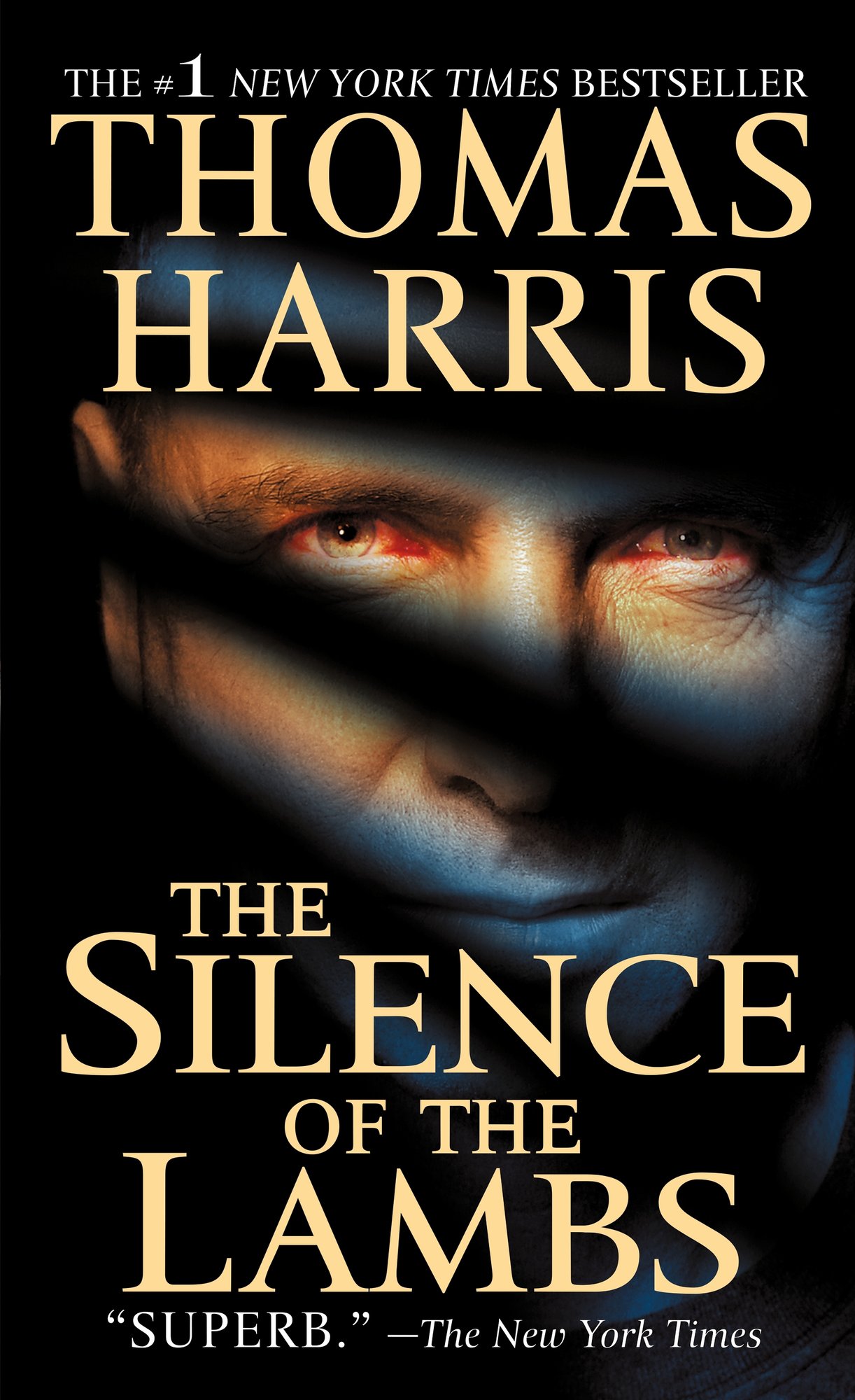
The Silence of the Lambs is probably the most well-known of the series, but it’s actually not even the first book; it’s a sequel to Harris’ book The Red Dragon, which was published seven years before Silence of the Lambs. Clearly, Harris knew that iconic work can take a while.
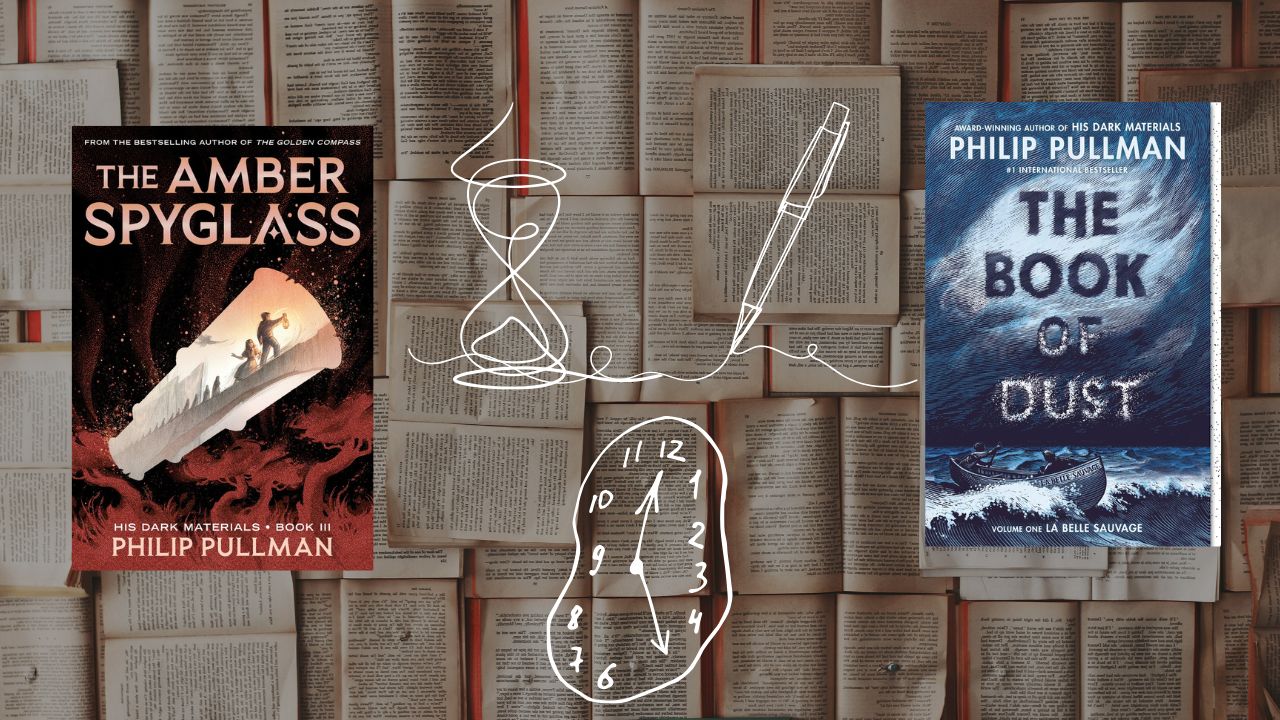
The Amber Spyglass and The Book of Dust: La Belle Sauvage by Phillip Pullman (17 years)
Phillip Pullman penned the children’s fantasy classic The Golden Compass, and followed it up with two more books, The Subtle Knife and The Amber Spyglass, to form a trilogy that followed Lyra, urchin of Oxford, from her home to places — and worlds — beyond anyone’s wildest imaginings. And most people figured it would end there.
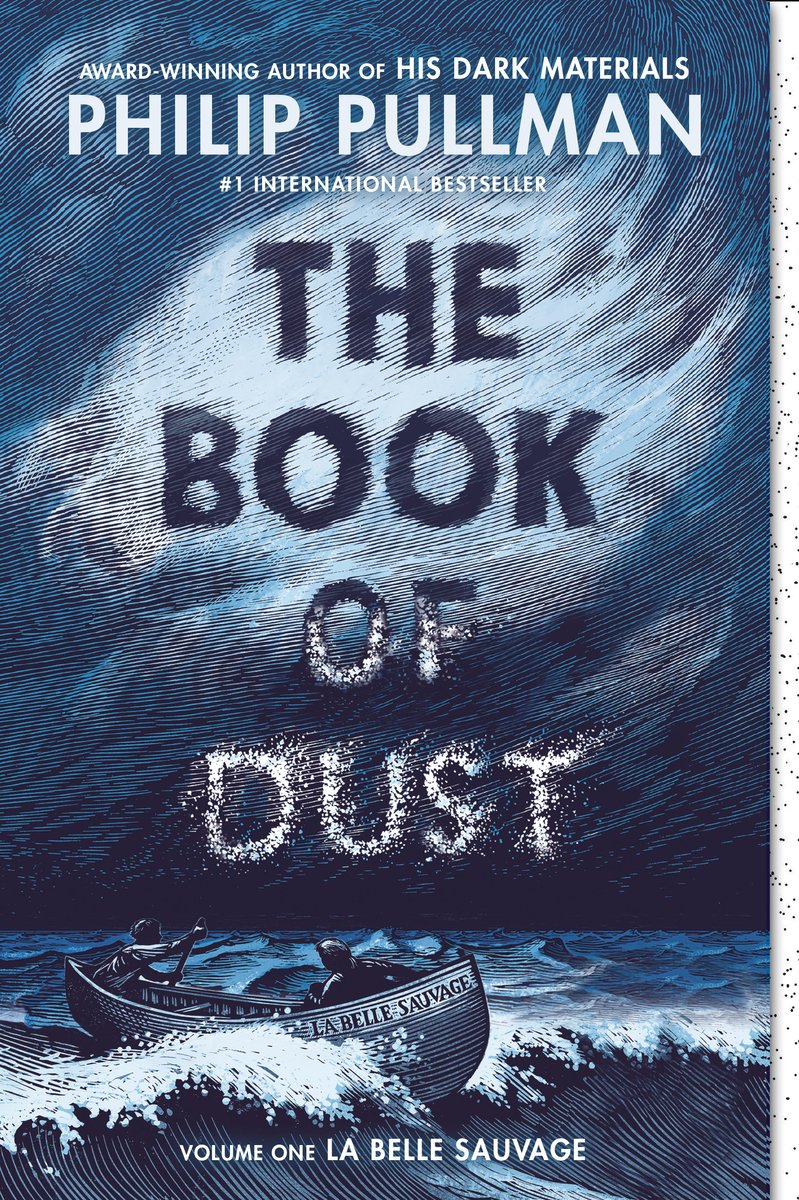
However, Pullman surprised fans nearly twenty years later with another installment in Lyra’s universe: The Book of Dust Volume 1, also known as La Belle Sauvage, is the first book in a prequel trilogy that follows the events leading up to a baby Lyra’s arrival at Oxford College.
The Farthest Shore and Tehanu by Ursula K. LeGuin (18 years)
Ursula K. LeGuin is known for her pioneering adult sci-fi and fantasy work. But some of her most beloved books belong to the Earthsea series, which she wrote for children and young adults. The first three books follow Ged, who is destined to become the greatest sorcerer in Earthsea. LeGuin wrote them in quick succession, before taking a near twenty-year break, and then finally writing Tehanu, the book she expected to be the last set in that universe.
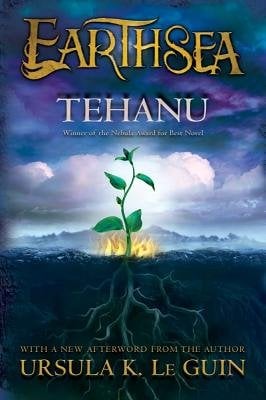
Of course, it wasn’t the last. Following Tehanu, which is set over a decade after the first trilogy concludes, there are two more books in the Earthsea Cycle. According to LeGuin, she just had too many questions about the world she had created, and simply had to keep writing books to find the answers.
Second Foundation and Foundation’s Edge by Isaac Asimov (29 years)
Isaac Asimov is credited with writing books that make up much of sci-fi’s modern genre conventions and ideas, from the laws of robotics to psychohistory. His most famous work is the Foundation series, which started with Foundation in 1951 and concluded with Forward the Foundation in 1993. A significant portion of that timeline is the almost thirty-year break between Second Foundation and Foundation’s Edge, the third and fourth books in the series.
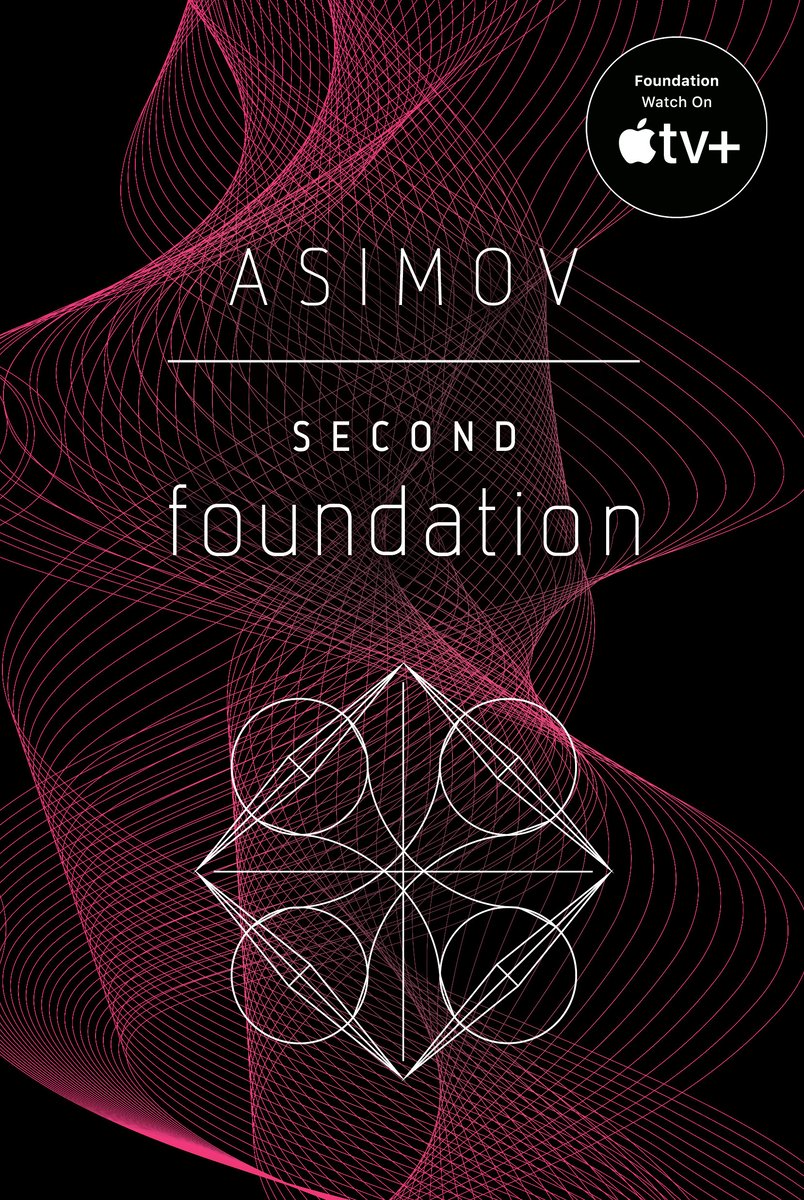
The Foundation series describes the final days of the Galactic Empire, a fictional futuristic society, in which a mathematician discovers a mathematical formula that predicts the future of large populations, and realizes that the Empire is headed for a collapse, followed by a 30,000-year-long dark age. The series chronicles the results of his attempt to avert this dark age.
To Kill a Mockingbird and Go Set a Watchman by Harper Lee (55 years)
Harper Lee wrote one of the most iconic American novels, To Kill A Mockingbird, and perhaps rightly, did not publish another work until over half a century later. Go Set A Watchman, which picks up over a decade after To Kill a Mockingbird ends, is less of a sequel and more of an early draft of the writer’s most iconic work.
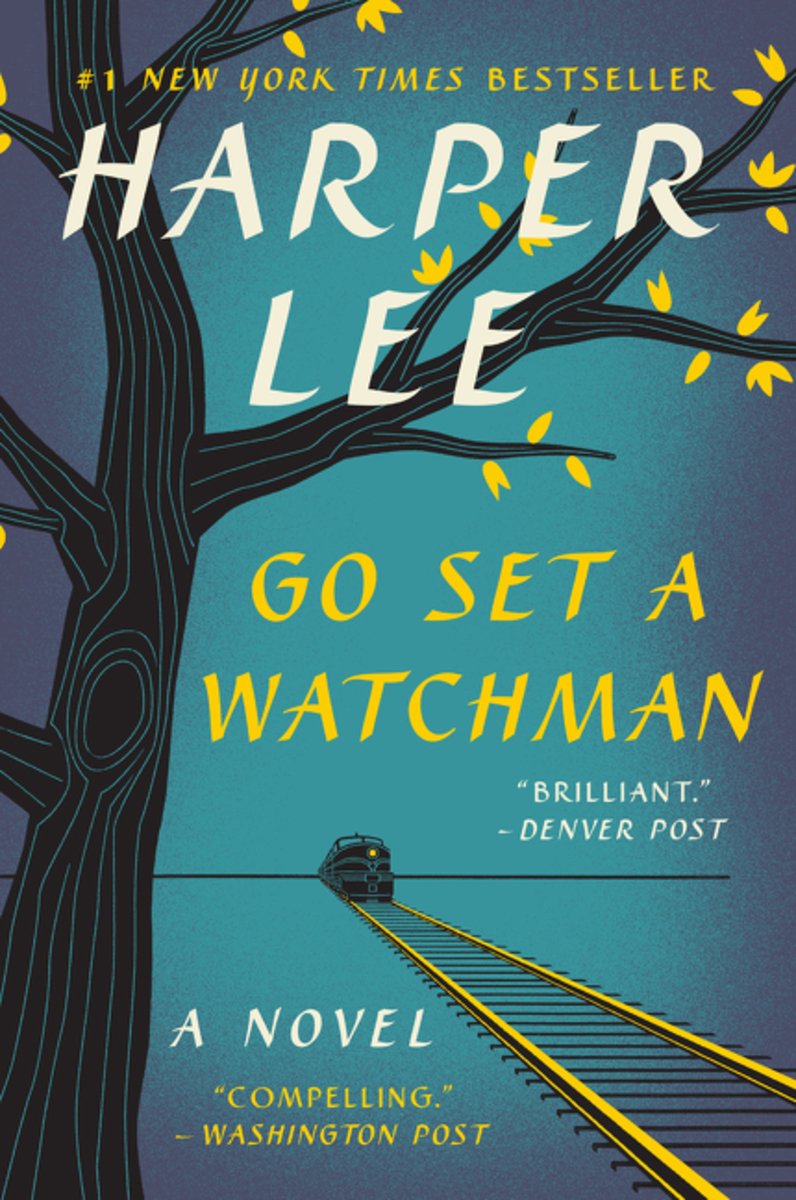
Go Set a Watchman, much like its predecessor, examines the racial tensions of the South in the 1950s, following a 26-year-old Scout, the now-adult protagonist of To Kill a Mockingbird. Although Lee had previously stated she had no intention of publishing another novel, the surprising and unprecedented discovery of the manuscript of Go Set A Watchman prompted her to allow its publication.
Titus Alone and Titus Awakes by Mervyn Peake (52 years, technically)
The Gormenghast series is a lush, sprawling epic, set in a crumbling castle in an unspecified location, and starring Titus Groan, the scion of the ruling family. Originally planned to be an ongoing saga following him throughout his life, the series ended after the third book, Titus Alone, due to Mervyn Peake’s declining health and eventual death. It ends after the first of Titus’ adventures in the lands beyond his castle.
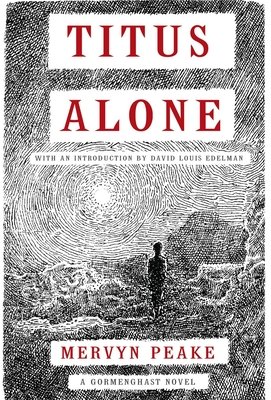
However, a fragment of a planned fourth book, entitled Titus Awakes, was expanded upon and published over 50 years after the third published book, and released to the public in 2010. This book expands upon the few pages from Peake, allowing the public a glimpse into what the continuation of the cycle may have looked like.
Patience is a virtue, and some fans have more of it than others. After all, isn’t part of being a true fan being incredibly excited about the next work in the series you’re following?
Ultimately, being a fan (and an artist) is about continuing, despite all signs to the contrary and a general lack of news, to have hope that the next work might be right around the corner. And in these cases, the fans were right and the hope was well-founded. Here’s hoping the same is true for you and any other fans you know!
Want to read more about Bookish Culture? Click here.
Click here for more fantasy books we recommend.
