

Trigger Warning: This article references queerphobia, genocide, political violence, and other potentially distressing content. Please exercise care while reading.
Academic and educator Rudine Sims Bishop famously described books as “windows, mirrors, and sliding glass doors.” In other words, books can do so much more than transport us to other worlds. They can give us insight into the lives of those around us — and, just as importantly, they can help us understand ourselves.
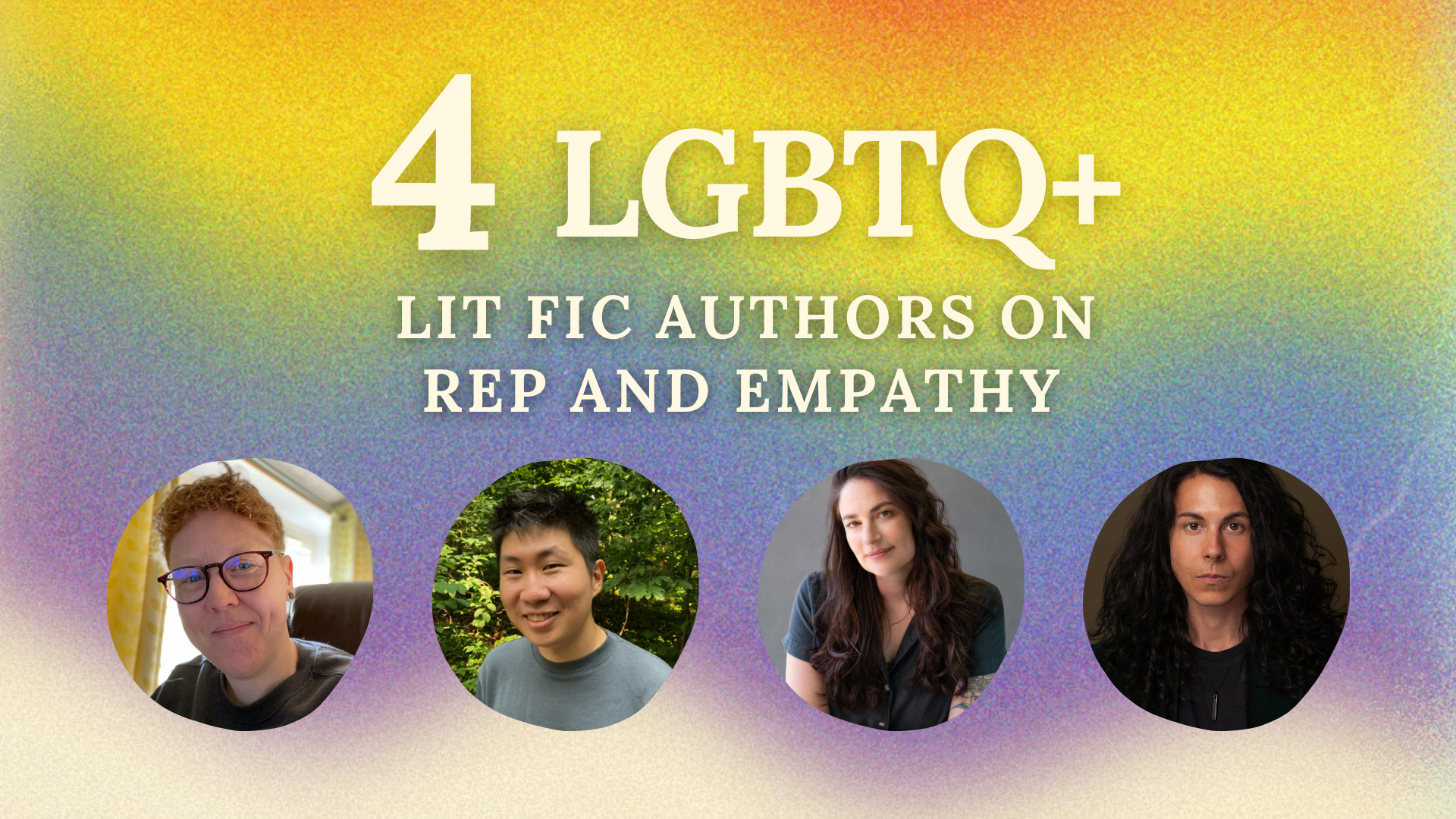
With its focus on character psychology and emotional complexity, literary fiction can be especially impactful in cultivating empathy among readers. We’ve gathered four LGBTQ+ authors to hear how they translate their experiences to the page, as well as their thoughts on the evolution of queer literature and the challenges facing queer authors and readers today.
The Authors
Alyson Root
Alyson was born and raised in the heart of England. She moved to Paris in 2015 when she met her wife. Together they moved to the west of France, where they now live with their two dogs. Alyson spends her time reading sapphic fiction books, writing and scuba diving.
Alyson discovered her love of writing in her mid-30s. Her debut book, A Dance Towards Forever, was inspired by her wife and their very own love story. Alyson wrote Diving Into Her and the award-winning Always Emilie, which, combined with her first book, created The French Connection series.
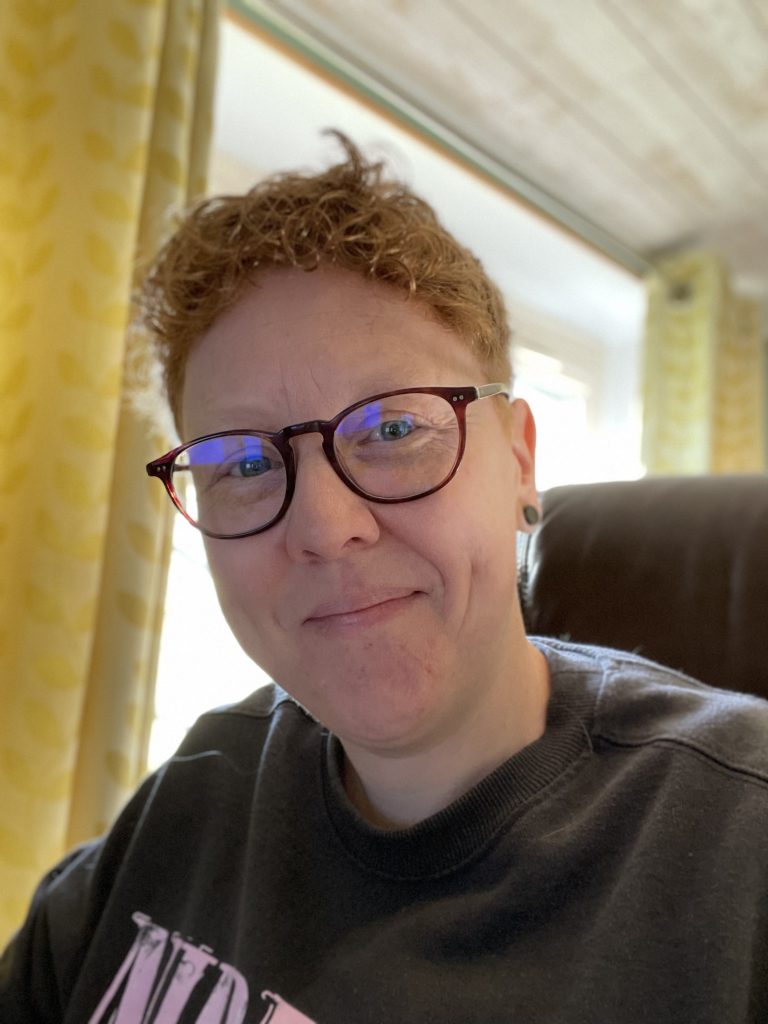
Andy Jiaming Tang
Jiaming Tang is the author of Cinema Love, winner of the Los Angeles Times Art Seidenbaum Prize for First Fiction, the Edmund White Award for Debut Fiction, and the Ferro-Grumley Award for LGBTQ Fiction. It was also a finalist for the Andrew Carnegie Medal for Excellence in Fiction. He was a 2022-23 Center for Fiction Emerging Writer Fellow, and his work appears in AGNI, Jezebel, Joyland, and elsewhere.
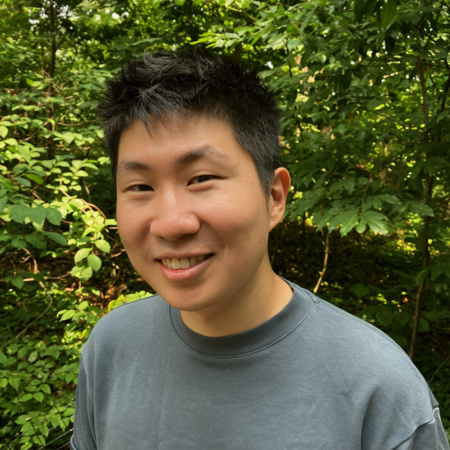
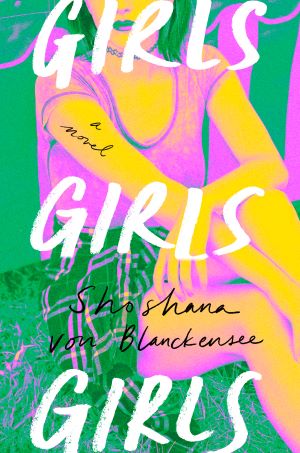
Shoshana von Blanckensee
Shoshana von Blanckensee lives in Berkeley, California, with her partner and kids. She is an oncology nurse by day, and a writer by any available moment. Girls Girls Girls is her debut novel.
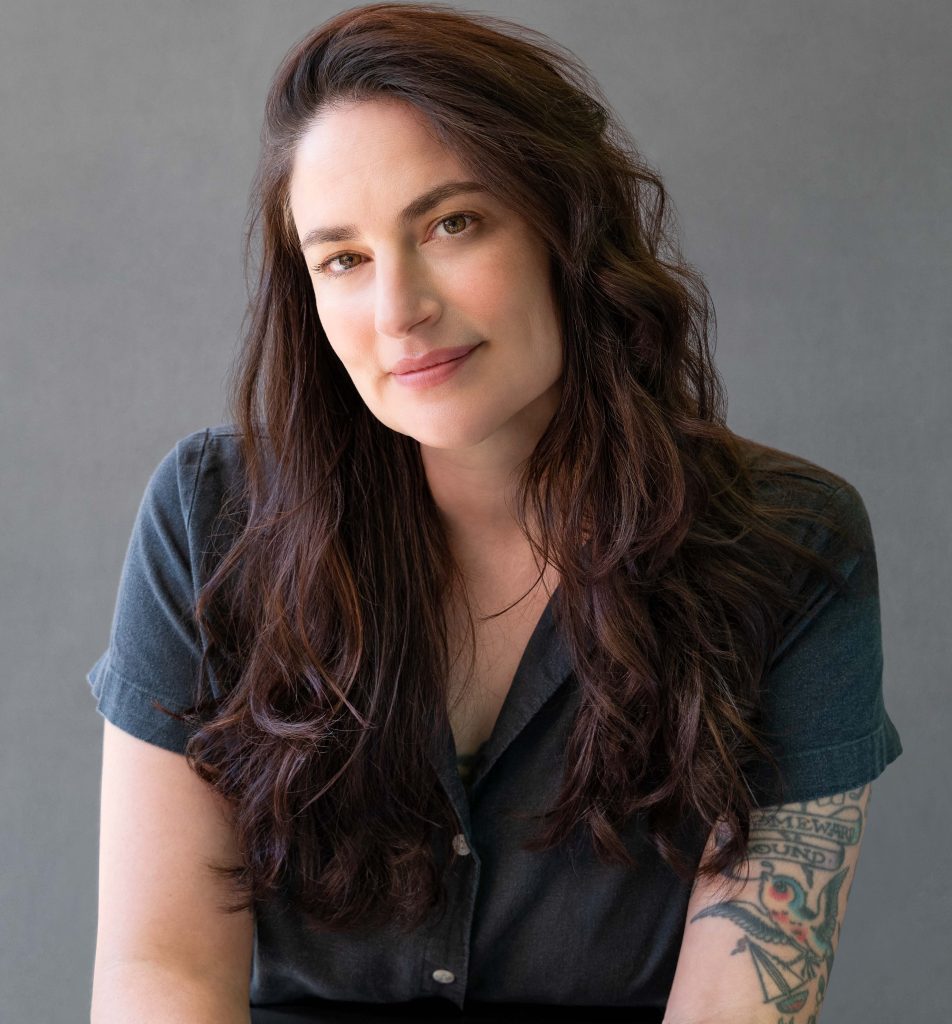
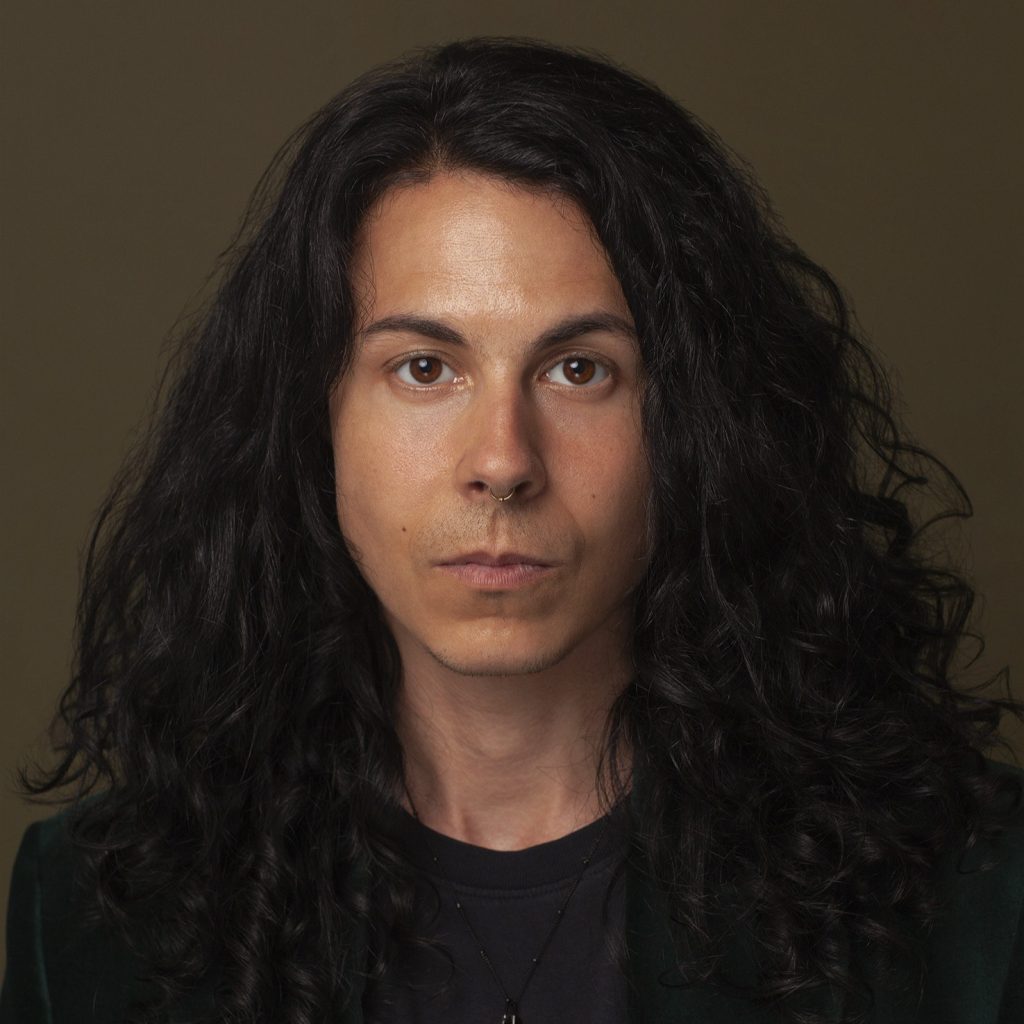
Zeyn Joukhadar
Zeyn Joukhadar is a Syrian American writer and the author of the novels The Thirty Names of Night, which won the Lambda Literary Award in Transgender Literature and the Stonewall Book Award, as well as The Map of Salt and Stars, which won the Middle East Book Award and was a Goodreads Choice Awards and Wilbur Smith Adventure Writing Prize finalist. His work has appeared in Electric Literature, Salon, The Paris Review, [PANK], and elsewhere and has been included in anthologies such as Both/And, Letters to a Writer of Color, This Arab Is Queer, Kink, and others. They have been twice nominated for the Pushcart Prize. Joukhadar serves on the board of the Radius of Arab American Writers (RAWI) and has mentored emerging writers of color with the Periplus Collective for the past four years. He is currently adapting The Thirty Names of Night as an immersive theater piece set in New York City, commissioned by Noor Theatre Company.
The Questions
How do your own personal experiences inform your storytelling? Could you give us an example of an experience represented in one of your novels?
Alyson: The majority of my work incorporates something I have experienced personally. Writing from experience is how I feel connected, not just to the world I build, but to my readers.
Broken Parts Included is the story that is closest to my heart because it reflects a lot more of my personal life than any other book I’ve written. The whole journey was a catharsis for me in a very turbulent and frustrating time. I took real world experience and adapted it into a fictional character. Doing so allowed me to vent through my writing and connect with other people who have suffered through similar experiences.

Jiaming: My novel, Cinema Love, is about gay men in rural China, the women who marry them, and the secret theater where their husbands cruise for love. It’s not a biographical novel. I’ve not cruised before, and I’ve never been married. That said, the book — its settings and characters — are loosely drawn from people I’ve met and places I’ve been to. The rude, funny, sometimes homophobic, sometimes heroic women who populate the story are based on the women who raised me. The shabby rooms they live in, and the smelly (yet joyous) Chinatown that they eventually move to, are drawn from the settings I grew up in and loved. I didn’t intend for this to happen. I’m a guarded and very secretive person. But novels… novels are very sincere things. And in the end, mine became an inventory of everything I care about as a gay Chinese immigrant.
Shoshana: I don’t know any other way of writing besides pulling from my own experiences, and the experiences of those around me, and then fictionalizing them. So much of my debut, Girls Girls Girls, is fictionalized truth. In the late ‘90s, it wasn’t cool to be gay, and if you wanted community, you had to go out into the world to find it. There was no searching the internet or social media for friends and events. I wanted to capture that experience, what it was like to find your people after feeling completely and utterly alone.
Zeyn: I try not to pull directly from my own life when writing fiction. Partly this is because I’m a fairly private person; in part, it’s also because people so often already assume my fiction is autobiographical simply because I’m writing from a marginalized perspective. In reality, what I try to do is to first identify the emotions I want a protagonist to grapple with, and then invent situations to put my character(s) in similar emotional or relational dilemmas. I do try to preserve the material hurdles of my own life and of people similar to me in terms of racialization, class, gender, sexuality, (dis)ability, and so on, in order for the work to accurately portray the context of the choices my characters are forced to make. For example, in my novel The Thirty Names of Night, the protagonist, Nadir, begins the novel searching for a new name; he grapples with grief; he finds queer and trans precedence for his life in the history of New York’s Little Syria. The circumstances in which he does this (searching for a lost painting by a Syrian American bird artist) might be different from my own, but the heart of the story (the yearning for queer and trans of color chosen family) is at the heart of my own life as well.
In your eyes, how have you seen representation for LGBTQIA+ individuals evolve over time in literary fiction and/or other genres?
Alyson: I came quite late to the world of LGBTQIA+ literature. I’d say it was only four years ago that I picked up my first lesbian romance book because I simply didn’t know they existed. As I delved into the literary world searching for books that best represented me, I was astounded to see so many available. Once I started, I couldn’t stop. I’m an avid reader who racks up around 400 books per year. I’ve read hundreds of books with a variety of representations. As more and more authors emerge and publish, the diversity in the characters’ representation becomes more noticeable. I hope the trend continues.
Jiaming: I think the representation has become more varied. Queer people are more visible now — especially in media. Back then, unless you were reading fanfiction, or had people that could direct you to more varied forms of queer storytelling, your exposure to gay characters was likely to be very limited. (When I was a kid, for instance, many gay stories focused on the coming out experience, and so I saw a lot of quiet, bullied gay boys on TV.) Now, it seems as though queer people are more visible, and so writers are bolder because there’s more of a market for their stories. There’s all kinds of queer characters now! Some are annoying; some are mean; some are wonderful and kind; some are funny. In any case, I love that the representation has grown to become more varied and complex.

Shoshana: When I was young there was so little representation of queer women in media in general, and authors like Audre Lorde, Jeannette Winterson, and Dorothy Allison weren’t well known yet. We were invisible, and in some ways, invisibility offers a certain freedom. We created bucketloads of art for ourselves through zines and small presses, never expecting a broader audience. Now we’re in a strange time when our voices are sought after, then vilified and banned.
Zeyn: Writing and art making are acts of self-determination. It is an assertion of existence, an act of witness. But if representation is unaccompanied by systemic change (changes to industry gatekeepers, white supremacist linguistic norms, tokenization, etc, the disassembly of the material and legislative hurdles that make our lives unlivable in the first place, and so on), it accomplishes little beyond bolstering capitalist and individualist narratives of success. Increased visibility for some often leads to increased violence for many others, in this case, trans women of color, especially.
I do see more and more queer and trans people in the publishing industry now than when I was first coming up, and I’m thrilled to see it. We need much more work written and edited by queer and trans people of color; we still comprise a tiny fraction of writers, editors, and publishing professionals. And it’s true that a lack of writers and characters whose lives resemble your own can make you fear your life isn’t possible. I think that’s why we’re seeing so many book bans and acts of censorship happening in the United States and across the world right now. If our words weren’t powerful, they wouldn’t be viewed as a threat.
What specific stereotypes or narratives about LGBTQIA+ lives do you strive to challenge in your own work?
Alyson: There are far too many stereotypes and narratives surrounding LGBTQIA+ lives that need challenging, even in today’s more progressive society. Even within our own community! I try to write my characters as authentically as possible. As human as possible, because I think that’s how we break down stereotypes in general.
Jiaming: One of the big questions of my book is: What does it feel like to be gay in a place where homosexuality doesn’t socially exist? I’m interested in the ways people construct queer identity (and community) in places where there aren’t cultural models for it. I know — especially in the West — that labels are a bad thing, and it’s not good to belong to a stereotype. But for my characters, who’ve never seen gay people on TV, who’ve never learned the social aspects of being gay, and who are trying to understand who they are, as queer people, I think it’d be really powerful for them to (hypothetically) be able to witness a queer “stereotype” and be like: “Hey! That’s me.” So, to answer this question, I’m not sure I’m looking to challenge stereotypes about LGBTQIA lives. And in fact, in many ways, my characters wish to belong to stereotypes — because at least that could be a starting point for them to interrogate who they are, as people.
Shoshana: This is such an interesting question. It assumes so much intention, when really I’m just writing my people, and reimagined versions of my people! I worry that if I was overly concerned about portraying my characters in a positive light to the heteronormative world, I would make them cleaner and more virtuous, but also flat and boring. I think it’s important for queer writers to avoid shaping their characters and stories for the hetero palate. It’s such a trap! We deserve to be unhinged, or not the sharpest tool in the shed, or maybe the murder suspect! The only point I draw the line: I don’t kill queer characters and I never will. It’s been done so many times that it’s predictable.
Zeyn: It’s tricky, because I find that when I write in response to my oppressors — even to do something theoretically positive, like challenging stereotypes — I end up more boxed in than before, because ultimately I risk allowing the priorities of my oppressors to dictate the terms of my art. What I often find myself doing is simply trying to allow my characters to be, well, people — complex, three-dimensional people with flaws and hobbies and grudges and favorite foods and video games. And I try to write for other trans people of color, rather than giving in to the pressure to explain or justify myself to the reader who’s coming to the page with preexisting ideas about me. If I can’t simply exist in my art, where, then, can I exist?
When crafting your stories, how do you navigate the tension between telling difficult truths and creating hopeful narratives for your readers?
Alyson: I was brought up to see the silver lining in every storm cloud. It’s not always easy when the world feels like it’s on fire, but it helps me, personally, to keep hope alive. I approach difficult situations in my stories the same way. Humour is my weapon of choice. I like to balance emotional scenes with the right amount of timed comedy, whether that be through banter or a quirky side character. It’s important to strike that balance because it allows me to delve into emotional and intimate subjects without overwhelming myself or the reader.
Jiaming: As a reader, I’m always looking for playfulness — a sense of humor or joy — in fiction. Even (or especially if) the story is devastating. My father’s the funniest person I know. Every story he tells is bookended with a joke or funny observation. And yet, listening closely, the stories themselves are sad. They’re about grief, hardship, the loss of family members, the loss of a country. My own stories are like that, too. It’s not that I don’t feel tension between telling difficult truths and crafting hope… it’s more so, I think that this tension is good — perhaps inevitable — for the kinds of stories I tell.
Shoshana: This one’s a doozy. My debut is the book of my heart, the story I needed to write, and it definitely doesn’t qualify as a story of queer joy. But I swear there’s joy in it! It’s really hard to write an accurate queer coming-of-age story set in the ‘90s that is primarily joyful! But I’ve found, as I move forward working on new projects, I’m writing characters who are grappling with other issues, their queerness in the background, and not the source of their struggles.
Zeyn: Crafting a narrative structure capable of holding pain and anger as well as joy and hope requires a nuanced approach to craft, and I often explore different approaches to this when I teach. An example from my own work is the two-thread structure of The Map of Salt and Stars, which was a way to contain the pain of displacement and exile. The protagonist, a 12-year-old girl displaced from Syria with her family, is telling herself a story her father once told her about the mapmaker al-Idrisi, imagining herself as the mapmaker’s fictional apprentice in order to access some agency for herself in a traumatic situation. Over the course of the novel, she takes courage from that imagined story. The structure mirrors the process happening in her own mind that allows her to hold both the pain of what she’s going through and the hope that she and her family will be reunited and find safety. Often, the most elegant narrative structures are those grounded in our own survival strategies.

In the literary fiction space, what barriers still exist for LGBTQIA+ authors? Do you see these barriers in other genres, as well?
Alyson: Exposure is the biggest barrier, I think. M/M fiction authors seem to hold a slightly bigger space in the literary world than, say, sapphic or transgender authors, but still, the space is far smaller than that of any mainstream author. I’d love to see big publishing houses take on more LGBTQIA+ authors and push for our work to be celebrated in the way mainstream authors are.
Jiaming: Book bans. Also: the defunding of libraries. Readers — gay or otherwise — can’t read queer fiction if they’re being pulled from the shelves.
Shoshana: I think it’s difficult for queer writers of queer books to break into mainstream book club and bestseller territory. We need to be the most palatable or the most acclaimed before our books are chosen, when these spaces are peppered with okay books that sell en masse to the masses. But I’m pretty sure this is a societal problem, not unique to publishing. When our lives are equally valued, our books will be of equal commercial value.
Zeyn: There are still many barriers. We are often explicitly denied access to our rage; we are often permitted only certain narratives by gatekeepers; we are being actively erased, silenced, targeted with censorship and labeled obscene at both the federal and state level in the U.S. (with this being particularly true of trans writers of color and anyone who speaks about Palestine); and after all that, queer and trans writers of color are still often judged less creative and capable in our craft than our white, cis, straight peers. And we haven’t even touched on the fact that queer and trans people of color are more likely to lack stable housing and access to healthcare, or that we are forced to hold the pain of watching our kin be genocided in Palestine, bombed in Yemen, starved in Sudan and Tigray and elsewhere, or kidnapped and imprisoned by ICE in the U.S.
For trans writers, our freedom of movement is curtailed by attacks on our ability to acquire accurate identification documents (such as birth certificates, driver’s licenses, and passports), making it difficult or impossible to travel for professional opportunities, to escape legislative attacks, or to simply use a public bathroom or participate in public life. These are extremely difficult challenges to art making in any genre, in any medium, and they require systemic change to solve.
Bonus Questions
If you could meet with any of your characters from your stories in a cafe, who would it be, what would be the topic of the conversation, and what would be everyone’s drink order?
Alyson: I would meet Enid Butcher without question. She is my most outrageous character, and I think I’d just sit there and let her talk about anything she wanted because I know it would be hilarious and shocking. Enid would have a hip flask with pina colada in it, and I would order a strong black coffee.
Jiaming: I wouldn’t meet any of them. They’d nag at me: why’d you take me to this expensive cafe; where’s the food; this drink is too sweet; don’t you have better things to do than take strangers out for drinks?
Shoshana: Easy answer: Bubbe. I want to hear every story about her life that’s not in my book, and I want to hold her hand and tell her I love her. She’d have black coffee and would probably make fun of my complicated espresso order.
Zeyn: I’d love to talk to Ilyas from The Thirty Names of Night over a cup of tea. I’d like to ask him how he made a life as a trans man in 1930s Little Syria in New York. Actually, I’ve been adapting Thirty Names as a site-specific immersive theatre piece for the past two years, commissioned by Noor Theatre Company, and one of the most fascinating and satisfying parts of that work has been getting to update these characters and give them new complexity. All the characters have grown and changed because I’ve grown and changed, and the world has, too. It’s been nice to meet Ilyas again under different circumstances.

Who were the authors or pieces of literature that you feel have paved the way for your own writing journey? Please list the author(s) and their work(s).
Alyson: This is a difficult question to answer because there are so many. My first lesbian romance book was 16 Steps to Forever by Georgia Beers. I went on to read everything she’d ever written before moving on to Melissa Brayden’s work. They were the two authors who really got me into lesbian and sapphic literature to begin with.
It was after I subscribed to Kindle Unlimited and found indie authors, such as Sienna Waters and Lise Gold, that the possibility of publishing myself really sank in. I loved reading books by authors who were doing it by themselves. The thought really appealed to me because I’m somewhat of a control freak.
I’m in awe of all authors, to be honest. Every one of them has, and will, pave the way for new authors just starting their writing journey, and it’s beautiful.

Jiaming: The Shipping News by Annie Proulx, Milkman by Anna Burns, When I Grow Up I Want to Be a List of Further Possibilities by Chen Chen, A Boy’s Own Story by Edmund White, and everything by Alice Munro.
Shoshana: I was lucky enough to come of age in a queer community full of writers, many of whom have been minimally published despite their talent. The ones you may recognize — Michelle Tea, Brontez Purnell, Andrea Lawlor, Harry Dodge, Eileen Myles — taught me you don’t need a fancy degree or impeccable grammar to be a writer. You need grit, a feverish desire to do the work, and thick skin. And you need to live! Good stories come from exposure to life, not squirreling yourself away with a laptop.
Zeyn: Randa Jarrar (A Map of Home but really the entirety of Randa’s work both on and off the page), Tanaïs’s Bright Lines, Jasbir K. Puar’s Terrorist Assemblages, Rabih Alameddine (The Hakawati, The Angel of History), all of Etel Adnan’s work, and honestly I could go on and on but we would need a much longer interview, so I’ll leave you with those to start with!
Thanks to all these incredible authors for speaking with us!
Find Alyson Root here.
Find Andy Jiaming Tang here.
Find Shoshana von Blackensee here.
Find Zeyn Joukhadar here.
Click here to read our interview with queer YA horror writer Andrew Joseph White.
Find more great reads from LGBTQ+ authors at our Bookshop.