
















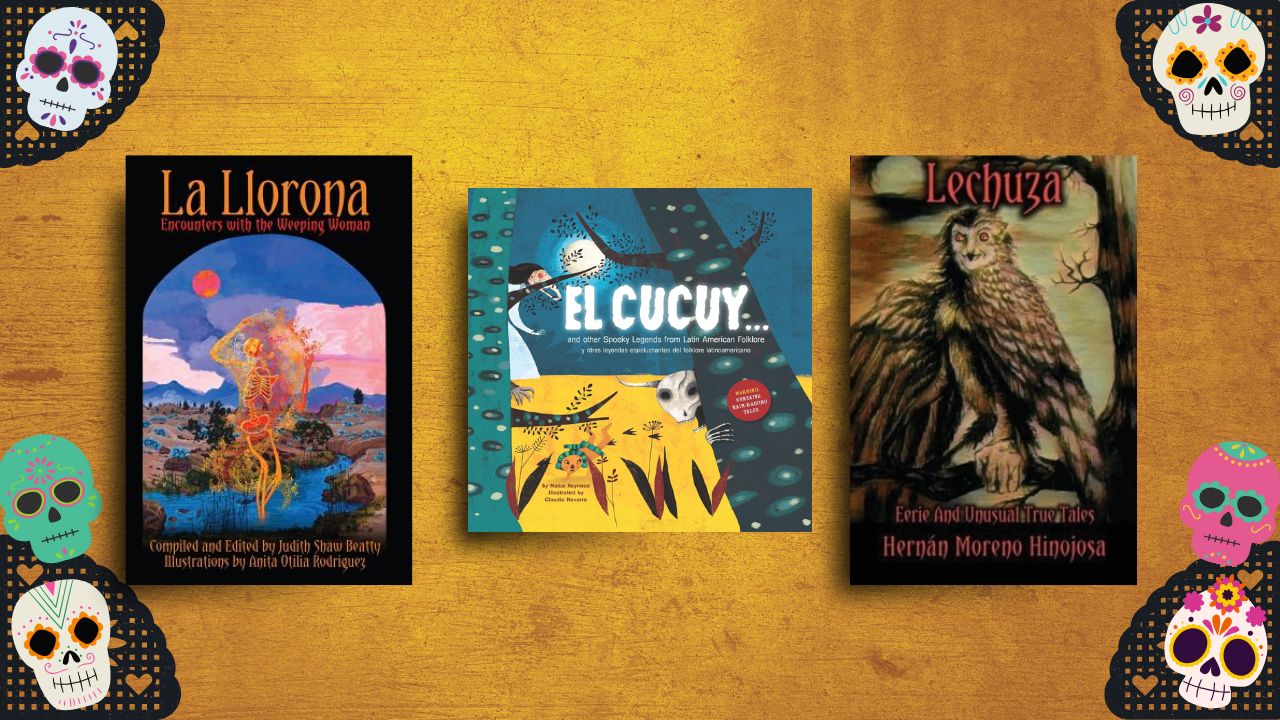
Superstition and tales of dark entities come from cultures all around the world. These urban legends bring lessons that spark fear into children, and often follow into adulthood. Morphed with time and independently witnessed by many throughout the centuries, there is truth to these stories that stem from hardships, religious commentary, and making sure children behave.
Ghost stories from Hispanic cultures intertwine mysticism, mourning, and wrath within legends that’s both beautiful and disturbing. You may have heard some of these tales from those within the Latin community — stories passed down through generations and from eyewitnesses of spiritual activity that’s unwavering in faith. Religious or otherwise.
Since these stories vary in their details, below are some brief overviews of popular Hispanic folkloric horror, along with recommended books and media for further learning.
La Llorona
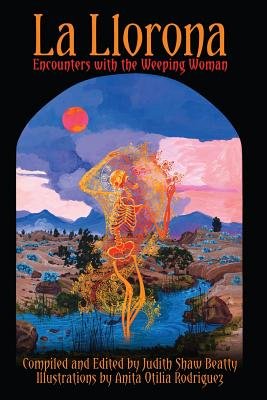
The most well-known Mexican folklore is that of La Llorona, which translates as The Weeping Woman. The story follows a woman who has drowned her children after finding out her husband’s infidelity (in other tellings, he is physically abusive). She is filled with sorrow and regret afterwards, and she kills herself. Her ghost can be heard wailing at night, walking around, and crying for her children. It is said that children who are up past their bedtime or out past dark are more susceptible to being kidnapped by her.
The Weeping Woman: Encounters with La Llorona edited by Judith Beatty
El Chupacabra
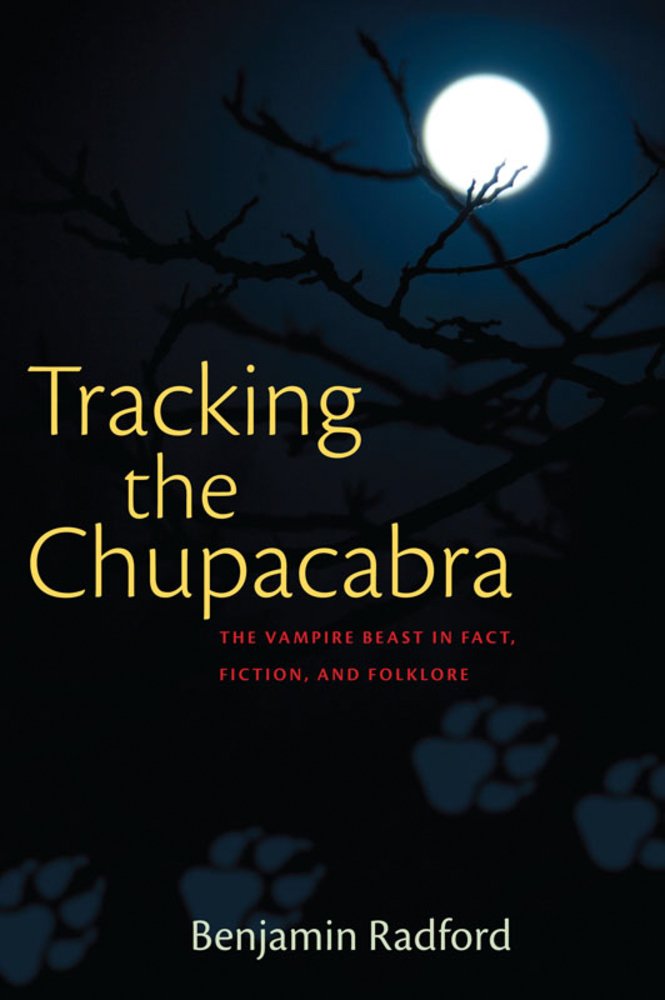
Translated as “goat-sucker”, the Chupacabra was introduced when farmers reported mysterious mass killings of their livestock. It began in the late 70s and reached its peak in the ’90s. The deaths were marked by two puncture wounds on the animal carcasses. Sometimes seen as a reptilian figure, or a large canine, or a demonic bat, the Chupacabra sucked the blood out of farm animals at night, leaving blood-sucking lesions and mystery in its wake.
Tracking the Chupacabra by Benjamin Radford
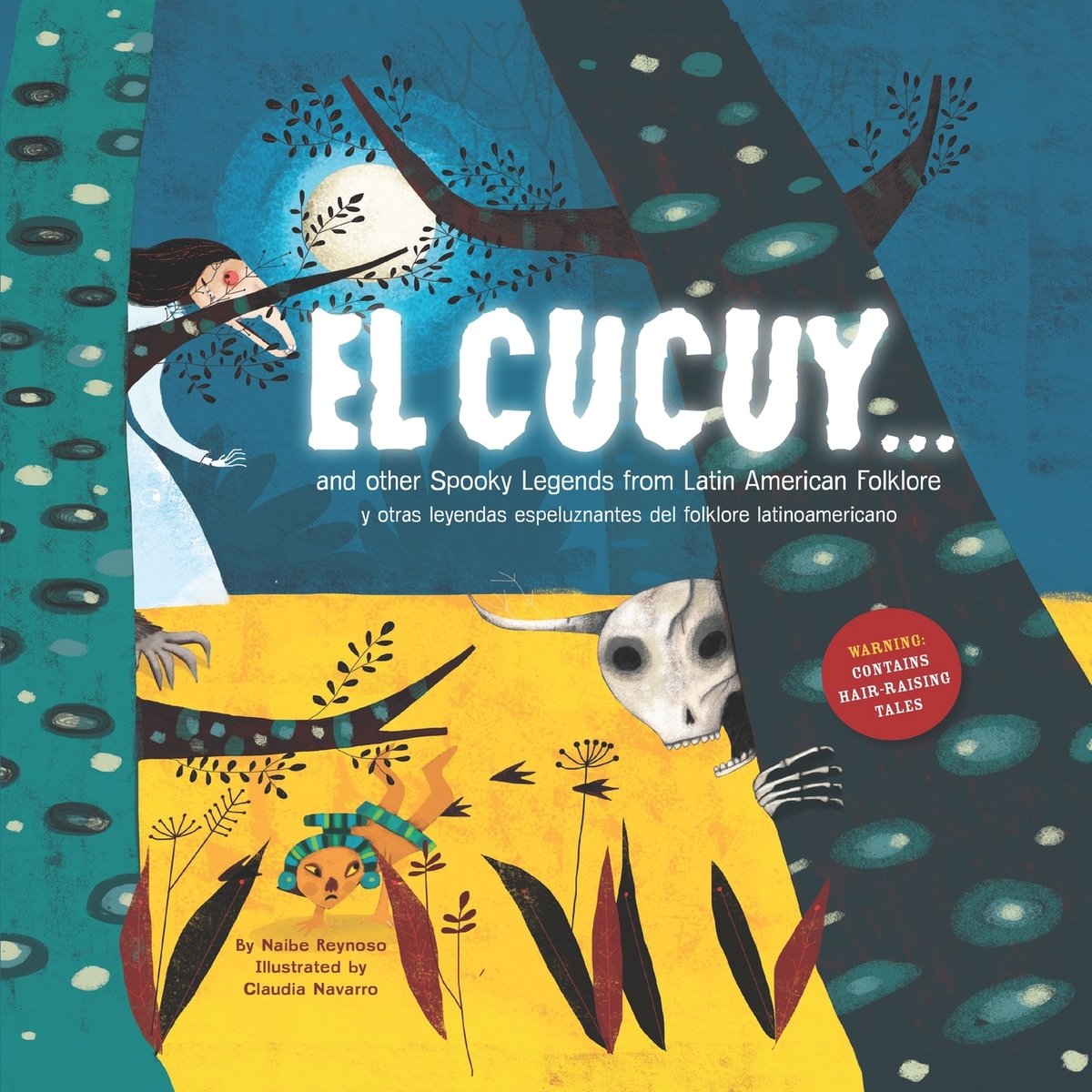
El Cucuy
A classic boogeyman, El Cucuy is a dark entity that kidnaps children and devours them. This one is especially effective when telling children to go to bed on time, as El Cucuy lurks in the shadowy corners or under beds, waiting for misbehaving kids to disobey their parents. This monster is often described as shadowy, large, and a shape-shifting form.
Here is an article explaining the origins of the boogeyman phenomenon.
El Cucuy… and other spooky legends from Latin American folklore by Naibe Reynoso
La Mano Peluda
The popular legend originated during the Spanish Inquisition, reaching its greatest popularity in Mexico and Colombia. La Mano Peluda (or “The Hairy Hand”) follows the life and death of a stout old man filled with spite and vengeance after he is accused of theft, leading to his hand being cut off. When he is buried in an ancient cemetery, his hand lives on, hiding under beds and dragging his victims to Hell. It is said the hand is covered in dark hair and has talon-sharp claws.
A popular radio show of the same name calls in witnesses of the paranormal, accumulating a cult following for all things supernatural.
El Nahual
Passed down through centuries, the folkloric tale is that of a shapeshifting human, turning into an animal by night. The power is mysterious and cloaked in spirituality. El Nahual is considered a guardian and passer between two worlds and is often male. By night, the suspicious shapeshifter can be a protector of the living world’s inhabitants, or a predator. The enigmatic quality of El Nagual can be attributed to an animal within, the unknown whereabouts of those close, and what the night awakens.
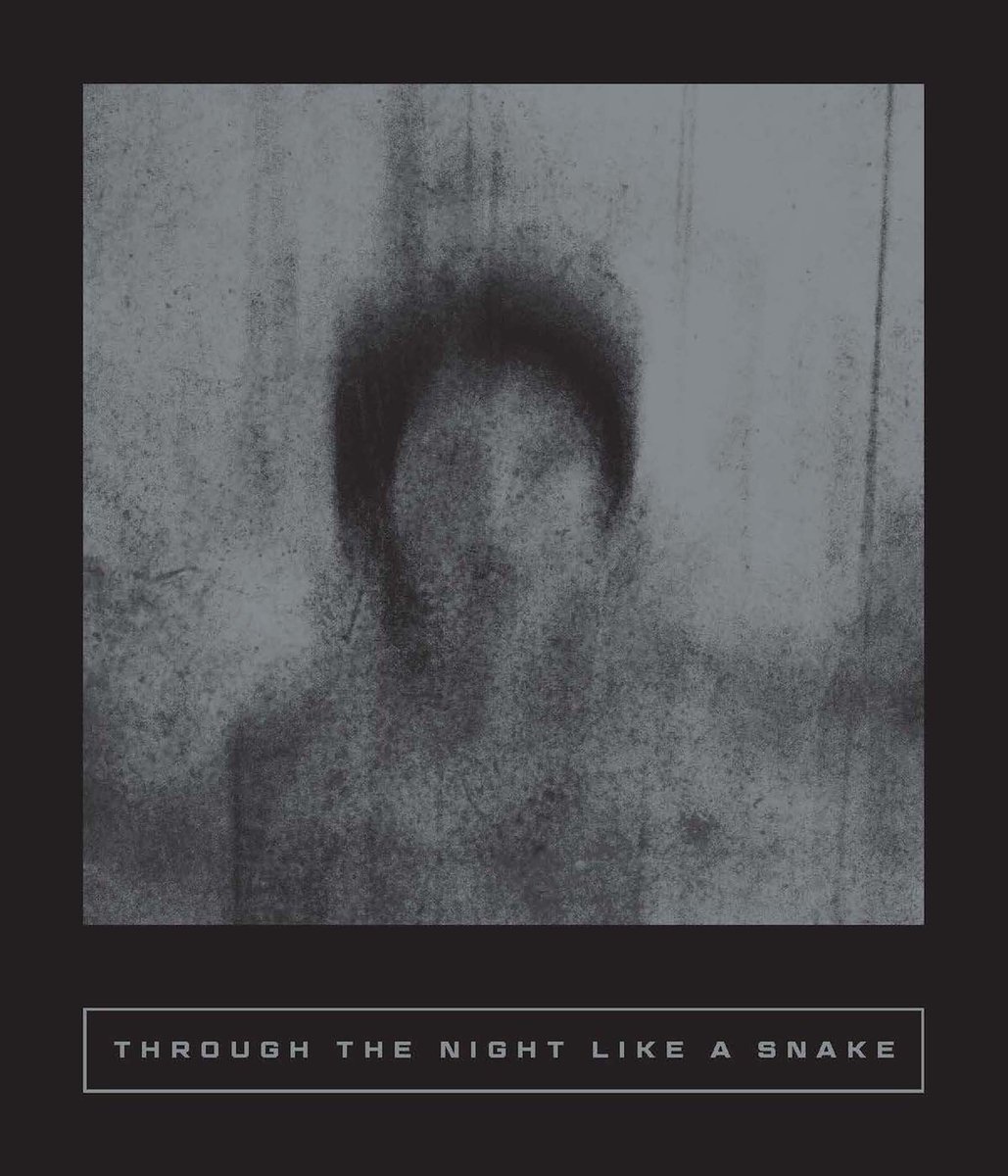
Although not specifically El Nahual, this Latin horror story collection may pique your interest.
Through the Night Like a Snake edited by Sarah Coolidge
La Lechuza
The story of “The Owl Witch” follows a bruja (witch) who is accused of being responsible for a missing child. Wrongfully pursued and terrorized by the townspeople, she makes a deal with the devil to come back as a creature of the night to terrorize people. She is said to be a six-foot-tall barn owl hybrid that mimics the cries of a child at night, luring people out of their homes for her to swoop down and attack. Her hunt is not limited to those outside, as she also enters open bedroom windows.
Lechuza by Hernán Moreno Hinojosa

Los Duendes
Mischievous and ill-intentioned evil spirits, Los Duendes are similar to the likes of fae. Known to create chaos and steal children, they live in forests and inside people’s houses. Witnesses claim that Los Duendes are simply tricksters, with pranks and inconveniences as their main entertainment. Moving household items, stealing socks, misplacing jewelry, etc. One meaning behind these spirits’ existence is that they are trapped souls of children who aren’t baptized.
In Search of Duende by Federico Garcia Lorca

These stories have personal meaning behind each telling. Be it word of mouth from a relative or friend, a written account, or a modernized fictional retelling. There is a sentiment that can’t always be wrapped up with a single book recommendation. Therefore, it’s always worthwhile to research the cultural significance and intention behind each one from their varying perspectives.
Looking for more Hispanic reads? We have some recs for you.
If you’re interested in our picks for Hispanic/Latinx stories, check out our Bookshop.