

















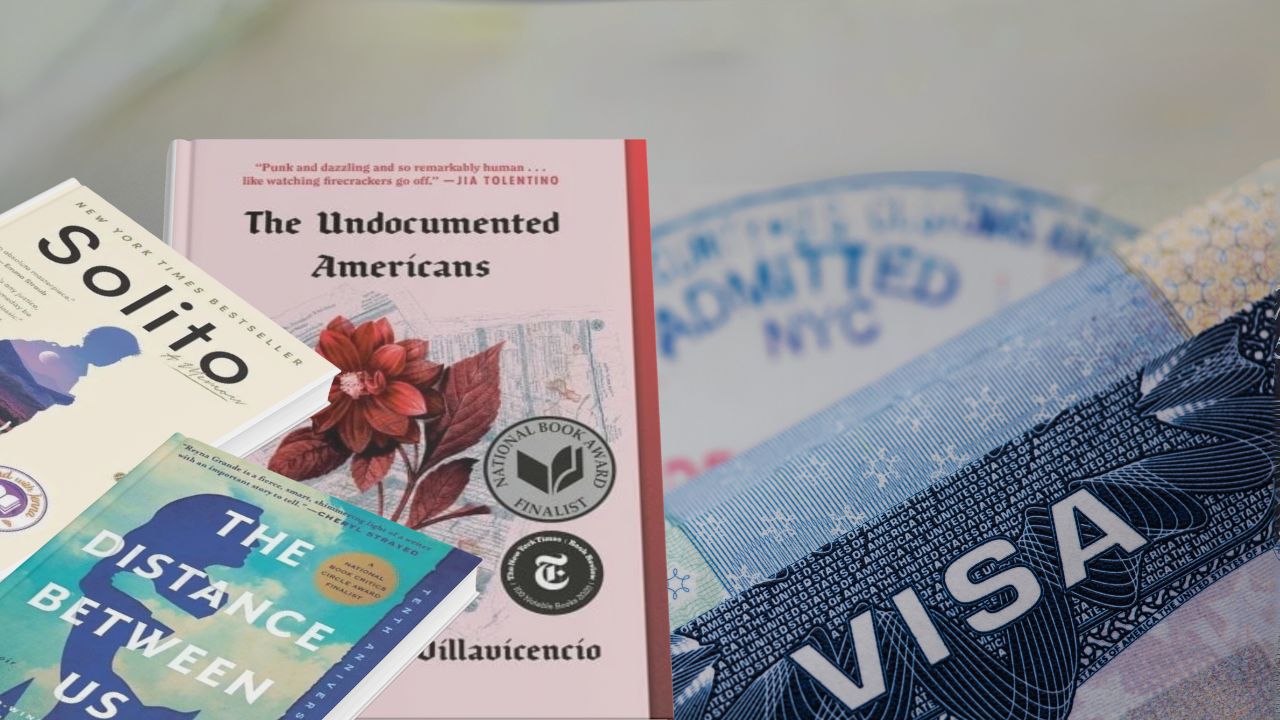
Hispanic immigrant experiences are as diverse as they are powerful. These stories reflect the resilience, hardships, and triumphs of those who journeyed across borders. Whether you want to understand their struggles or celebrate their victories, these books offer authentic perspectives on the immigrant journey. From personal memoirs to compelling fiction, each title captures a unique facet of the Hispanic immigrant experience. Dive into these powerful reads for a deeper connection to the challenges and hopes of immigrant communities. Get ready to explore stories that resonate globally.
The Distance Between Us by Reyna Grande
The Distance Between Us by Reyna Grande is a powerful memoir about her Mexican immigrant journey. Grande recounts her childhood split between Mexico and the U.S., with her parents leaving, hoping to achieve the American dream. As they cross the border, Reyna and her siblings are left with their strict grandmother in Mexico. Eventually, Reyna follows her parents to the U.S., where she faces new struggles. This story highlights the emotional impact of immigration and the resilience of those who make the dangerous trek for a better life. It’s a heartfelt look into the challenges and hopes of a Mexican immigrant family.
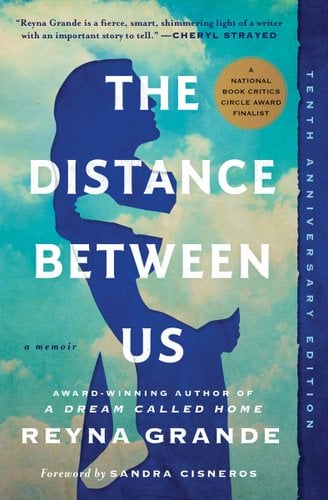
And I didn’t stop hating my name until many years later, when I realized that it wasn’t a name to be ashamed of, but one to live up to.
Solito by Javier Zamora
Solito by Javier Zamora is a captivating memoir about his harrowing journey as a Salvadoran immigrant. At just nine years old, Zamora, a Salvadoran author, traveled alone from El Salvador to the U.S. to reunite with his parents. His trip, expected to last two weeks, stretched into two dangerous months across Guatemala, Mexico, and the U.S. border. Along the way, he faced treacherous conditions, from desert travels to arrests, while forming bonds with fellow migrants. Zamora’s story sheds light on the risks Salvadoran immigrants take to have a better life. It’s a heartfelt look at survival, hope, and unexpected family.

I remember the man in the boat. The Guatemalans on the bus. Strangers, but I remember some of their faces. The wrinkles when one of them cried. The people in the boat vomiting on their clothes. Shirts on top of shirts. Sitting on their backpacks like I’m doing now. It’s like they’re still here with us in the back of another pickup. I hope everyone is ok. That they’re in La USA.
The Undocumented Americans by Karla Cornejo Villavicencio
The Undocumented Americans by Karla Cornejo Villavicencio is a raw, heartfelt look at undocumented life in the U.S. Villavicencio, an Ecuadorian author and DACA recipient, shares stories of undocumented immigrants, including her own. She travels across the U.S., meeting people often overlooked by the media – laborers, 9/11 cleanup workers, and others facing impossible hardships. Her Ecuadorian immigrant background shapes her perspective, making the book a deeply personal exploration of identity and survival. Through powerful narratives, she highlights the love, struggles, and strength of undocumented Americans. It’s an eye-opening and humanizing account of life in the shadows.
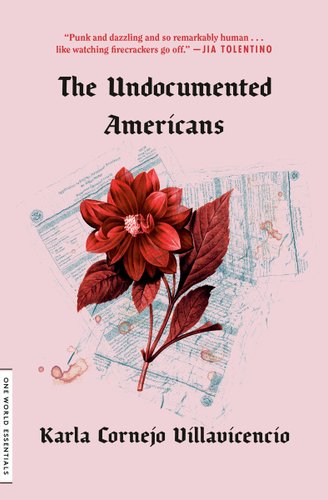
As an undocumented person, I felt like a hologram. Nothing felt secure. I never felt safe. I didn’t allow myself to feel joy because I was scared to attach myself to anything I’d have to let go of.
Barrio America: How Latino Immigrants Saved the American City by A. K. Sandoval-Strausz
Barrio America by Latino historian A.K. Sandoval-Strausz highlights how Latino immigrants revived U.S. cities in the 1970s and beyond. Sandoval-Strausz, whose parents are immigrants, chose two barrios primarily with Latino and Hispanic immigrants to use: Chicago’s Little Village and Dallas’s Oak Cliff. These areas were struggling until Latino newcomers helped revitalize them by buying homes, starting businesses, and transforming neighborhoods. The author uses powerful stories and statistics to show how immigration made cities safer and more vibrant. It’s a fascinating look at how Latinos reshaped urban America.

This book seeks to advance our understanding of the nation’s recent history by grounding it in neighborhoods where immigrant Latinos first arrived, created communities, and gradually took on greater importance in civic, economic, and political life. It shows how a group of people who earned modest incomes and were socially marginalized, politically demonized, and sometimes undocumented managed to redeem so much of metropolitan America.
We Carry Our Homes With Us by Marisella Veiga
We Carry Our Homes With Us by Marisella Veiga is a heartfelt memoir of her journey as a Cuban immigrant. Veiga escaped Havana with her family in 1960, settling first in Miami and later Minnesota. Although there was a familiar warmth in Florida, they found themselves adjusting to the cold and unfamiliar Midwest. The story captures her joys – like learning to ice skate – but also her struggles with her transcultural background. Veiga’s Cuban heritage shapes her narrative as she navigates her new life but missing the old. It’s a touching exploration of belonging, family, and self-discovery.
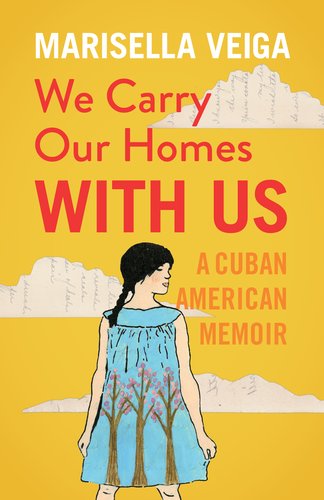
The need for survival demanded they focus on the present. By doing so, they would begin to lay a foundation to ensure a good future for themselves and, more importantly, for their children.
Undocumented: A Dominican Boy’s Odyssey from a Homeless Shelter to the Ivy League by Dan-el Padilla Peralta
Undocumented by Dan-el Padilla Peralta is a compelling memoir about his journey as a Dominican immigrant. Peralta, a Dominican author, came to the U.S. legally with his family from Santo Domingo. When their visas expired, they remained undocumented in New York City, facing poverty and homelessness. Despite these challenges, Peralta’s passion for books and education helped him thrive, leading to scholarships at elite schools like Collegiate and Princeton. His Dominican heritage plays a central role as he figures out how to live with both East Harlem and academia. It’s an inspiring story of perseverance, identity, and the immigrant experience.

But I would rather run after the impossible than live as a string of labels: undocumented, hoodrat, Dominican, classicist. I am all of those things; no one or two of them define me.
Intergalactic Travels by Alán Pelaez Lopez
Intergalactic Travels by Alán Pelaez Lopez is an experimental poetry collection about growing up as a Black, Indigenous, and Queer Mexican immigrant. Pelaez Lopez, who is undocumented, weaves together poems, photos, and immigration forms to tell their story. Themes of aloneness, displacement, and the struggles of undocumented life are at the heart of the book. Pelaez Lopez critiques U.S. society’s focus on belonging and instead urges readers to examine their role in systemic violence. The collection challenges us to imagine a new world where marginalized voices can succeed and keep going. It’s powerful, artistic, and thought-provoking.

how do i tell myself i had a childhood / if at the age of five i am a fugitive of the law? it would be easier to remember life before the / crossing
These books give readers a deep understanding of the immigrant experience from a Hispanic perspective. Each author shares unique journeys, revealing the challenges and triumphs faced along the way. Their stories highlight the strength and resilience needed to navigate life between two worlds.
Interested in more immigrant memoirs? Check out this article.
Be sure to browse our Hispanic/Latinx Recommendations: Bedtime Stories, Poetry, and Novels bookshelf on Bookshop.org for more Hispanic recommendations!
