
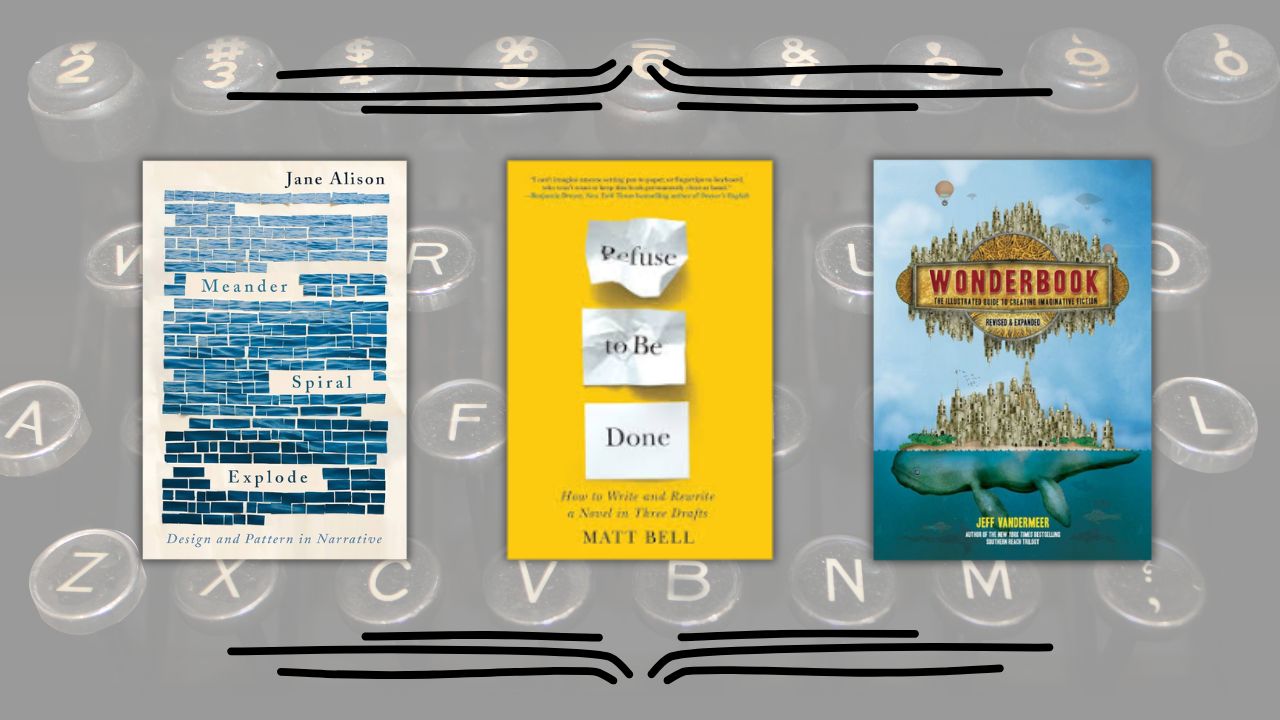
Whether you are just getting into writing or are a seasoned professional looking to level up your game, everyone can benefit from hearing other writers share their insights. We’ve compiled ten books, all from authors with a wealth of knowledge and breadth of experience, who share their best craft techniques, the realities of the job, and other practical advice every aspiring writer can learn from.
Wonderbook by Jeff VanderMeer
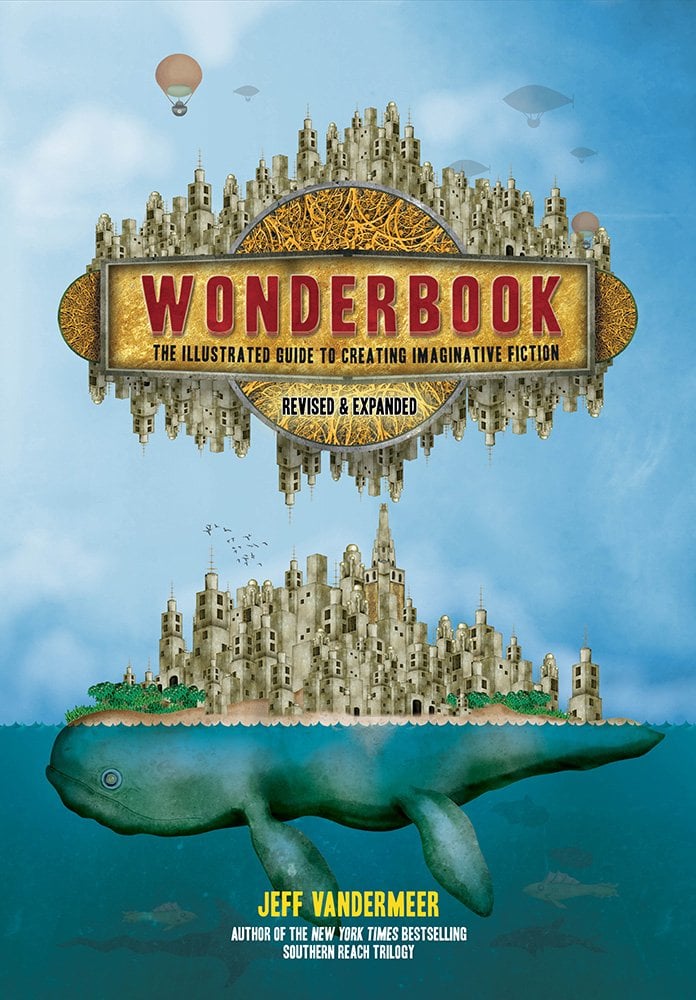
Wonderbook: The Illustrated Guide to Creating Imaginative Fiction takes advantage of the visual nature of fantasy with a fully illustrated guide complete with renderings, diagrams, maps, and drawings. It also includes essays from some of the best voices in fiction, such as George R. R. Martin, Karen Joy Fowler, Lev Grossman, and many more! Not only is it practical, particularly for fantasy fiction writers, but it also looks great on a coffee table.
“If you’re looking for a handy guide to not just crafting imaginative fiction like sci-fi, fantasy, and horror, but to writing in general, be sure to pick up a copy of Steampunk Bible author Jeff Vandermeer’s lovingly compiled Wonderbook.”
Flavorwire
Mastering the Process: From Idea to Novel by Elizabeth George
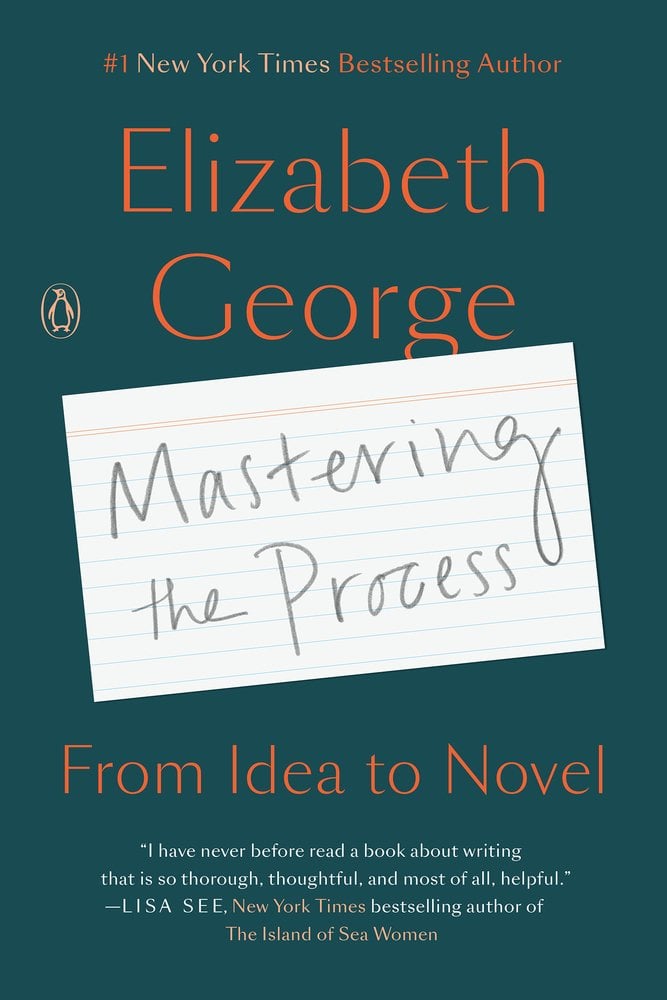
George takes readers through every step of the writing process from ideation to full-length novel using her notes, character analysis, and various drafts from her book, Careless in Red. As she recounts her process of developing her novel, George shares what’s worked for her in researching locations, developing characters, editing, problem-solving, and drafting.
“I have never before read a book about writing that is so thorough, thoughtful, and most of all, helpful.”
Lisa See, New York Times bestselling author of The Island of Sea Women
The Art of Perspective by Christopher Castellani
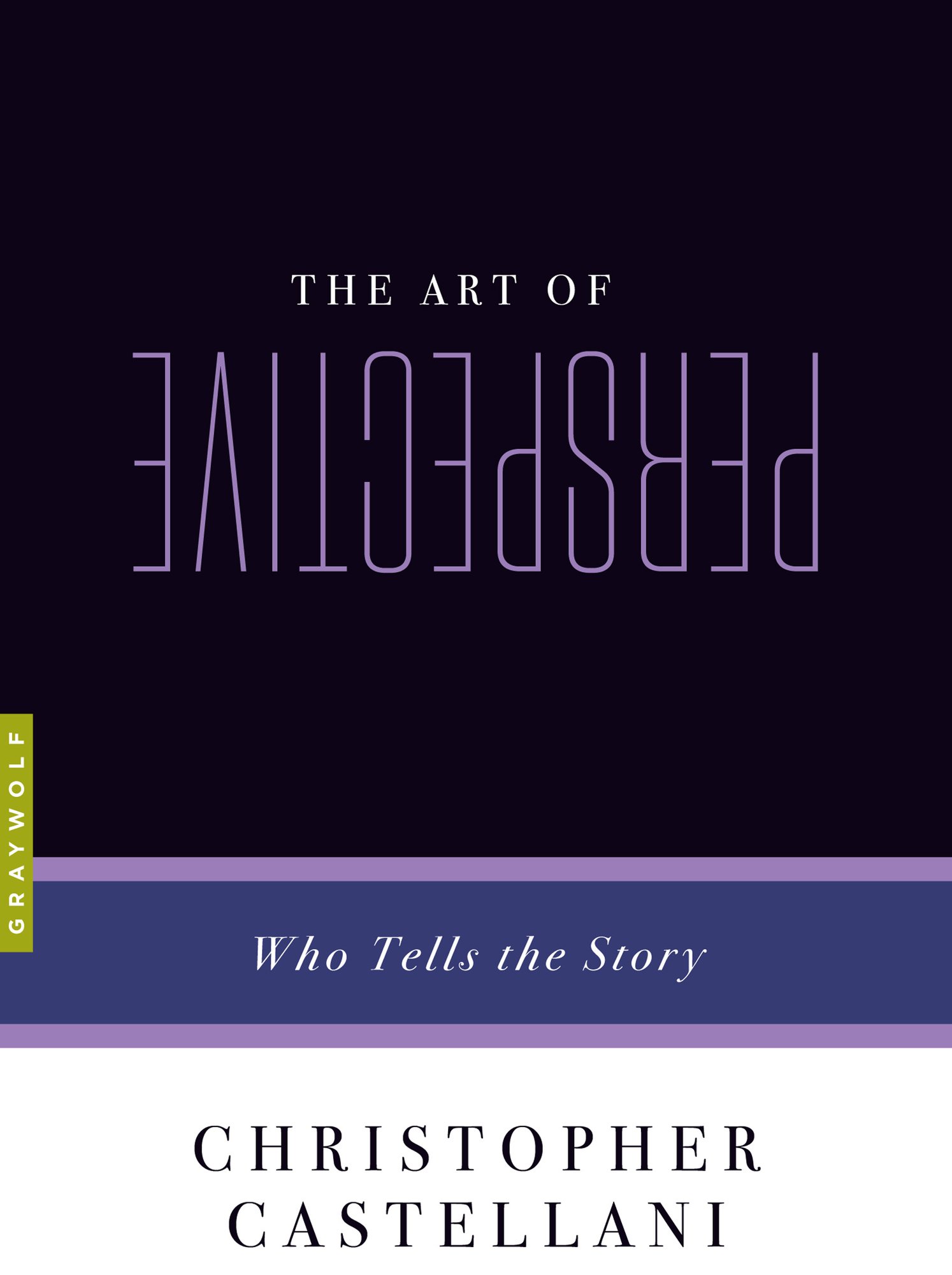
Castellani examines how authors have solved the point-of-view problems by looking at writers such as Grace Paley and E. M. Forster, among many others, and how they manipulate narrative distance and characters. Art of Perspective asks, how do we choose the voice of the narrator: omniscient, first person, or through one character?
“[The Art of Perspective] offers a master class. . . .Castellani knows how to hook a reader.”
The Boston Globe
Advanced Fiction by Amy Waldon
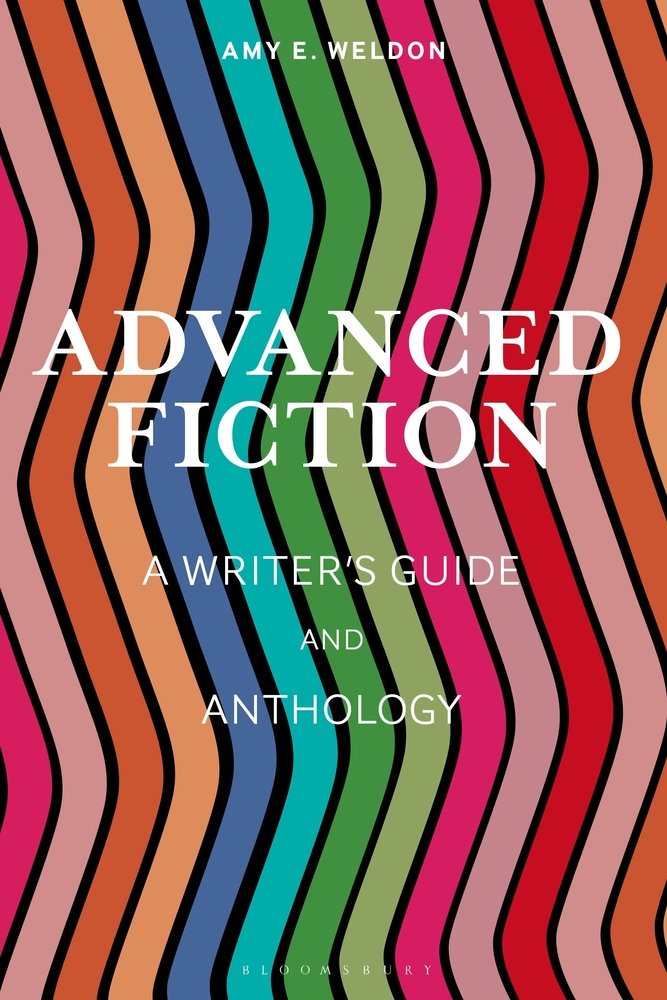
Advanced Fiction serves both as a writer’s guide and anthology. This book is for writers who are a bit more experienced and are looking to level up. This guide will allow you to hone your skills with approachable advice from Weldon as she shares anecdotes, prompts, and writing exercises. Each chapter talks about a different subject, such as world building, your writing career, POV, etc. Weldon also incorporates Craft Studios, which are close-up studies of selected short stories reprinted in full to break down the techniques the author is employing. The selected stories span across genres from a diverse array of authors.
“This is an excellent text for anyone — college students, aspiring writers, or even the published working writer — interested in honing and developing fiction writing skills.”
John Fulton, MFA Program Director at The University of Massachusetts-Boston and author of The Flounder
Storyville!: An Illustrated Guide to Writing Fiction by John Dufresne, Illustrated by Evan Wondolowski
Storyville! demystifies the daunting writing process as Dufresne gives insights into the building blocks of fiction with playful graphics on every page and signature wit. It’s both a handbook and notebook filled with prompts and writing exercises that work your writing muscles and make the blank page a little less daunting. This book is great for writers of all skill levels.
Dufresne’s close attention to myriad details of fiction writing makes this a strong choice for anyone who thinks they have a novel or short stories in them, but don’t know how to begin.”
Publisher’s Weekly
Meander, Spiral, Explode by Jane Alison

Jane Alison urges readers to think of new modes of literary strategies by examining the current traditional dramatic story arc we’ve all been taught and come to expect. But not all stories follow this arc, and Alison presents authors with nonlinear prose like Jamaica Kincaid, Anne Carson, Susan Minot, and many other authors, whom she deems “the museum of specimens.” She presents several alternative arcs and how that might shape a writer’s fiction. While it’s more literary than other books on this list, it gives amazing insight for writers of any level to understand the foundations of narrative arcs.
“…Oftentimes, reading Meander, Spiral, Explode feels like sitting in on the most demanding graduate seminar on narrative structure ever taught.”
Ruth Joffre, Kenyon Review
The Writing Life by Annie Dillard
The Writing Life is a bound collection of essays that illuminates the unique life of a writer by sharing her own experiences as a writer while writing his works. This nonfiction narrative is less of a craft guide and more about gaining insight into the absurdity and dedication of a writer’s life. If you are serious about writing — or an equally entertaining narrative — this book will give you a glimpse into what your career might look like from a Pulitzer-winning novelist.
“For her book is…scattered with pearl. Each reader will be attracted to different bright parts…Gracefully and simply told, these little stories illuminate the writing life…Her advice to writers is encouraging and invigorating.”
Cleveland Plain Dealer
Story by Robert McKee
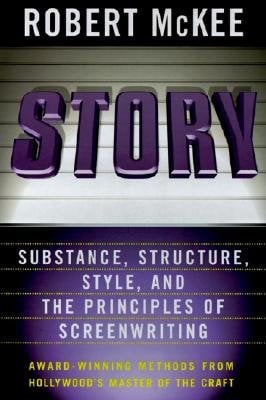
McKee offers key explanations in the construction of stories for the screen and the relationship between structure and the story. If you want to understand what makes a good story, this is the book to read. He covers everything from structure, story elements, and characterization. While the craft advice is intended for screenwriting — McKee is an industry expert known for his three-day lectures — it can apply to all forms of storytelling!
“His great insight and knowledge in storytelling is unparalleled.”
Los Angeles Times
Voice First by Sonya Huber
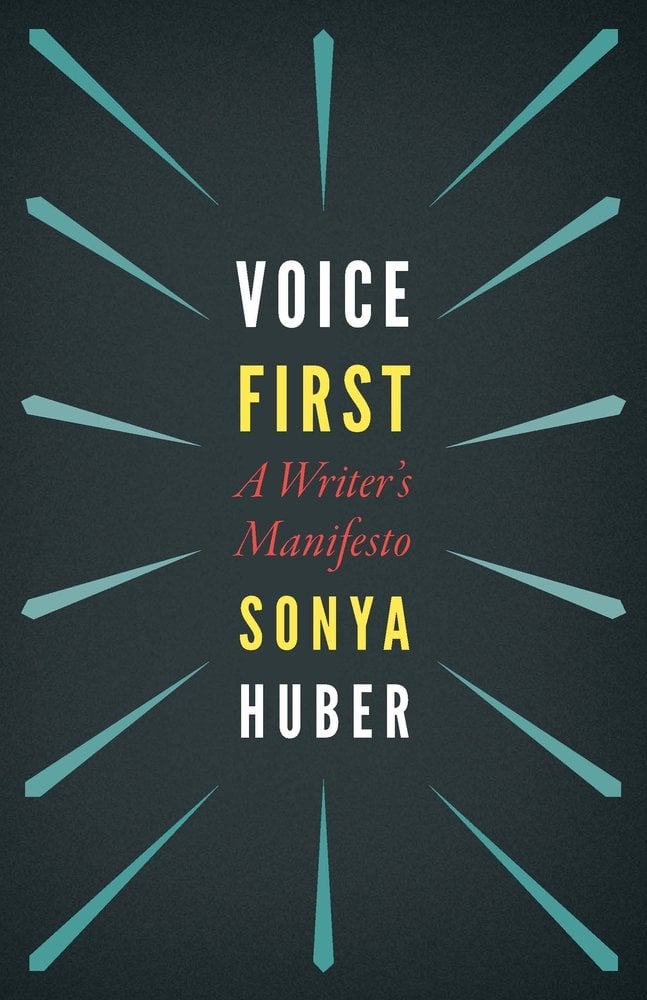
Voice First is such a fundamental aspect of writing, and instructors often struggle to provide a concrete definition of voice to their students, but Huber uses Voice First: A Writer’s Manifesto to redefine the often vague concept into a term writers can understand and learn how to develop their own. Huber reframes the conversation for the modern age by sharing her own life as a writer and various identities such as gender, race, class, etc. that impact her voice. The writing exercises aim to help writers of all levels explore different elements of voice.
“Voice First is an intellectual tour de force and a work of great generosity. Huber dismantles the myth of a writer’s ‘authentic voice, ‘ acknowledging instead that all writers have multiple voices, no one more or less authentic than any other, freeing us from an insistence on sameness and opening up for every writer a universe of possibility.”
Sarah Einstein, author of Mot: A Memoir
Refuse to Be Done by Matt Bell
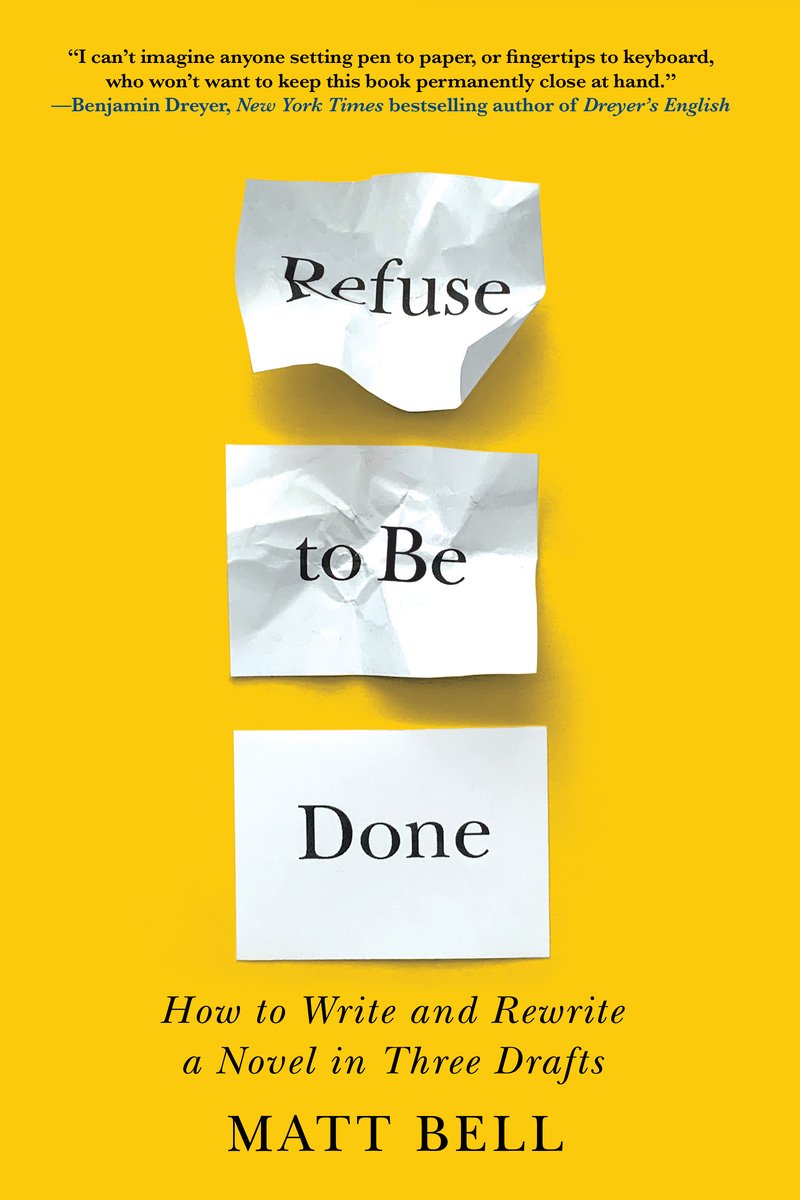
Refuse to Be Done: How to Write and Rewrite a Novel in Three Drafts provides you with specific rewriting activities, tasks, and techniques to approach your writing with fresh eyes. Bell breaks down the book into three sections: first is conception, getting the words on the page; second, reworking the narrative and rewriting; and third is the final revisions and how to break them down into smaller achievable tasks. Writers at any stage in their career can find new strategies to rethink the revision process.
“Refuse to Be Done is destined to join the upper echelons of the pantheon of craft books . . .All writers, whether first-time or experienced, will benefit from allowing Matt Bell to serve as their novel-writing guide.”
Rain Taxi
If any of these catch your eye, we suggest checking them out! There is a lot to be gleaned from these pages, regardless of your level of experience, so we hope you can find one of these useful for your writing.
Want even more recommendations for writing advice? Click here!
Check out our Bookshop shelf for Writer Inspiration – Tips, Tricks, and Book Recs on Becoming a Better Writer!