

















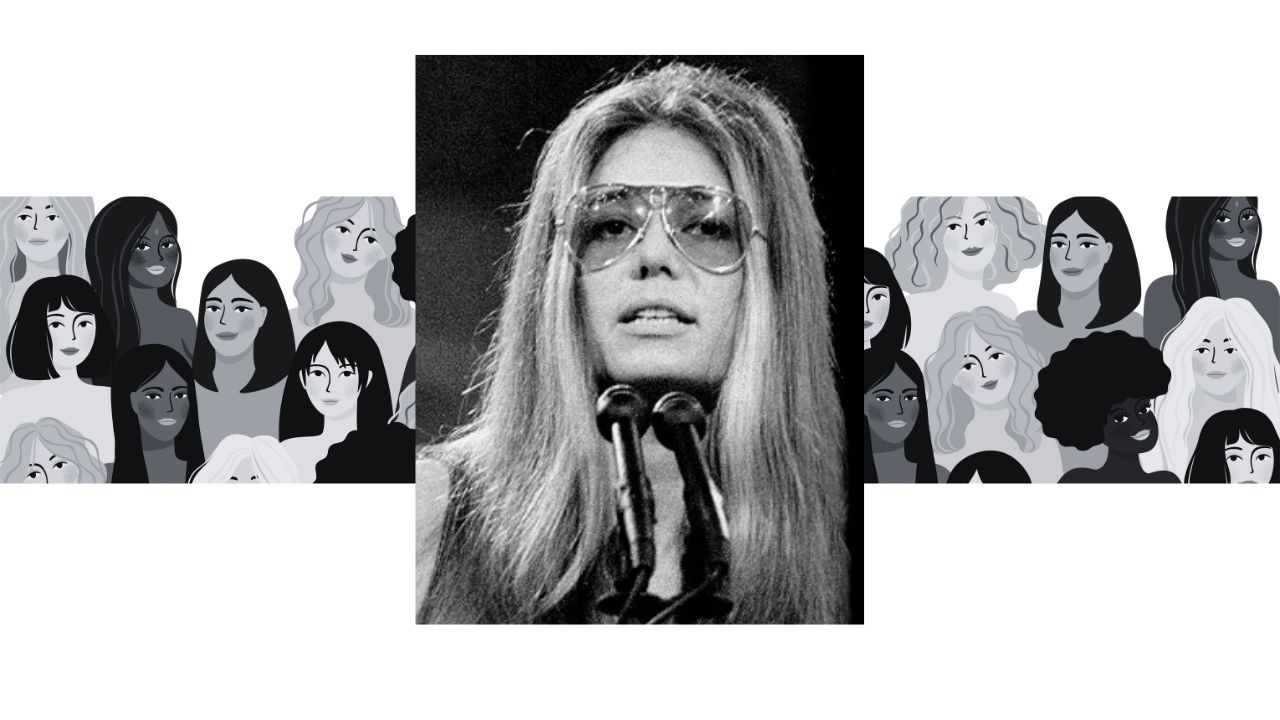
From her early days as a journalist to her continued impact today, Gloria Steinem’s legacy is one of courage, resilience, and unwavering commitment to justice. This article explores Steinem’s pivotal role in the feminist movement and examines how her tireless efforts have influenced modern-day activism and the ongoing fight for gender equality.

Early Life and Influences
Gloria Steinem was born on March 25, 1934, in Toledo, Ohio. Her early life was marked by a sense of instability; her father was a traveling antiques dealer and her mother struggled with mental illness. This resulted in a childhood spent on the road, which exposed Steinem to a variety of experiences and perspectives that inspired her to want to make changes in the world she knew.

Steinem’s mother, a former journalist, had to give up her career due to her mental health issues. Witnessing her mother’s struggles and the impact of societal expectations on women’s lives left a lasting impression on Steinem and influenced her approach to activism.
After graduating college, Steinem began her career as a journalist. For one of her most famous stories, she went undercover as a “Bunny” server in one of Hugh Hefner’s infamous chain of Playboy Clubs to expose the exploitative working conditions faced by the women in the establishments. This experience further fueled her commitment to feminist causes. Steinem’s early life and formative experiences provided her with a unique perspective on gender inequality and social injustice, setting the stage for her influential role in the second wave of feminism.
Contributions to the Feminist Movement
One of Steinem’s most significant contributions was the founding of Ms. magazine in 1971. Ms. magazine was revolutionary; it provided a platform for feminist voices and tackled issues such as reproductive rights, domestic violence, and workplace discrimination. The magazine quickly became a leading voice to help raise awareness and galvanize support for women’s issues.

In addition to her work with Ms. magazine, Steinem was instrumental in founding several key organizations that advanced the feminist cause. In 1971, she co-founded the National Women’s Political Caucus (NWPC) alongside other prominent feminists like Betty Friedan and Shirley Chisholm. The NWPC aimed to increase women’s presence in the political process and support female candidates running for office.
Steinem also co-founded the Women’s Action Alliance in 1971, a network focused on issues such as education, child care, and employment, providing resources and support to local feminist groups across the country. Through her involvement with these organizations, Steinem helped to create a cohesive and powerful feminist movement that could address a wide range of issues affecting women.
The Equal Rights Movement
Gloria Steinem’s involvement with the Equal Rights Movement was a significant aspect of her activism. The Equal Rights Amendment (ERA) sought to ensure that rights could not be denied or abridged on the basis of sex. Steinem was a vocal and passionate supporter of the ERA, traveling across the United States to speak at rallies, testify before Congress, and engage with the media.
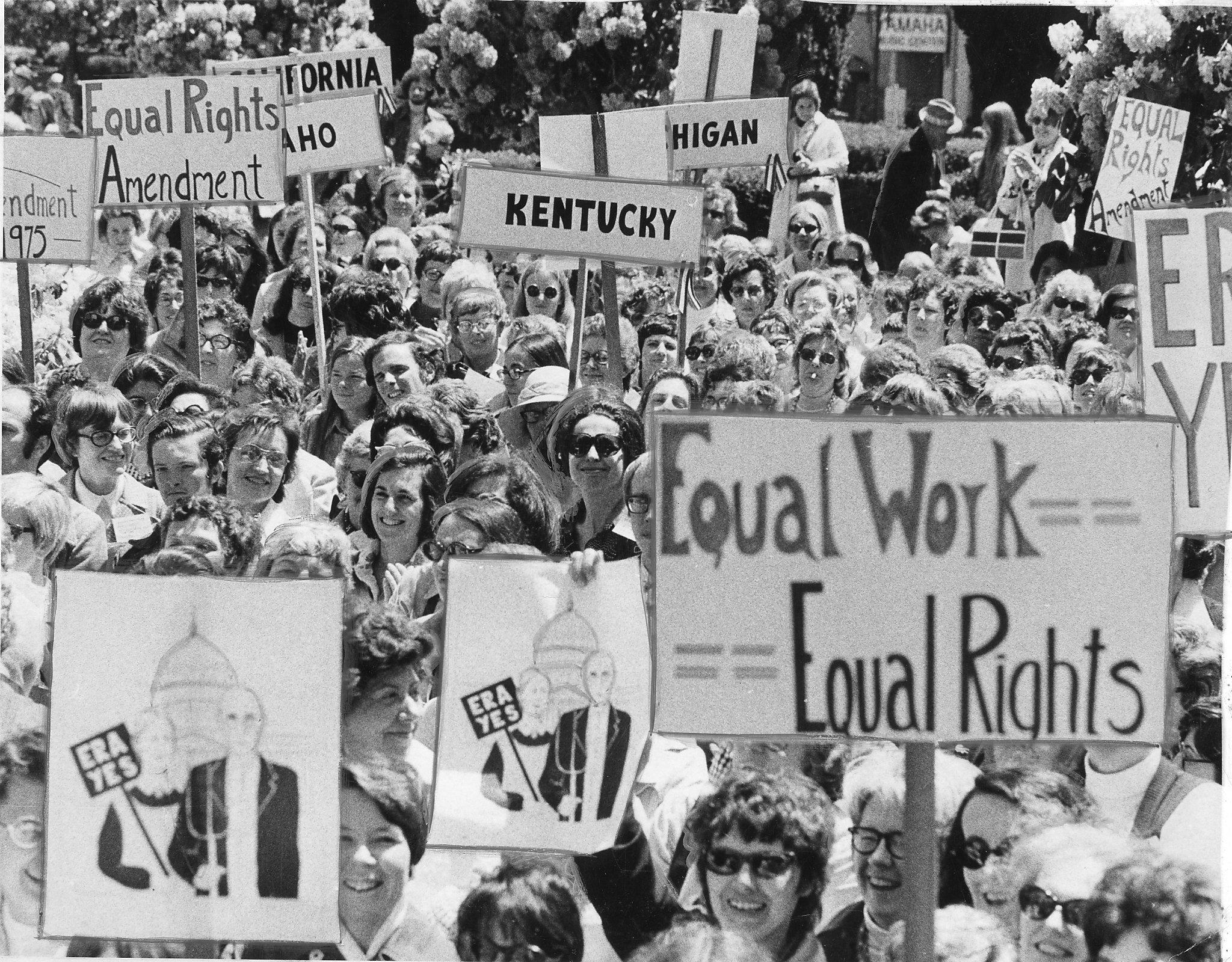
She worked tirelessly to raise awareness about the importance of the ERA, emphasizing how it would provide a legal foundation for gender equality. In addition to her public speaking and advocacy, Steinem also collaborated with other prominent feminists and organizations to strategize and coordinate efforts to pass the ERA. She was involved in campaigns that lobbied state legislatures to ratify the amendment, and she used her platform at Ms. magazine to educate the public and rally support.
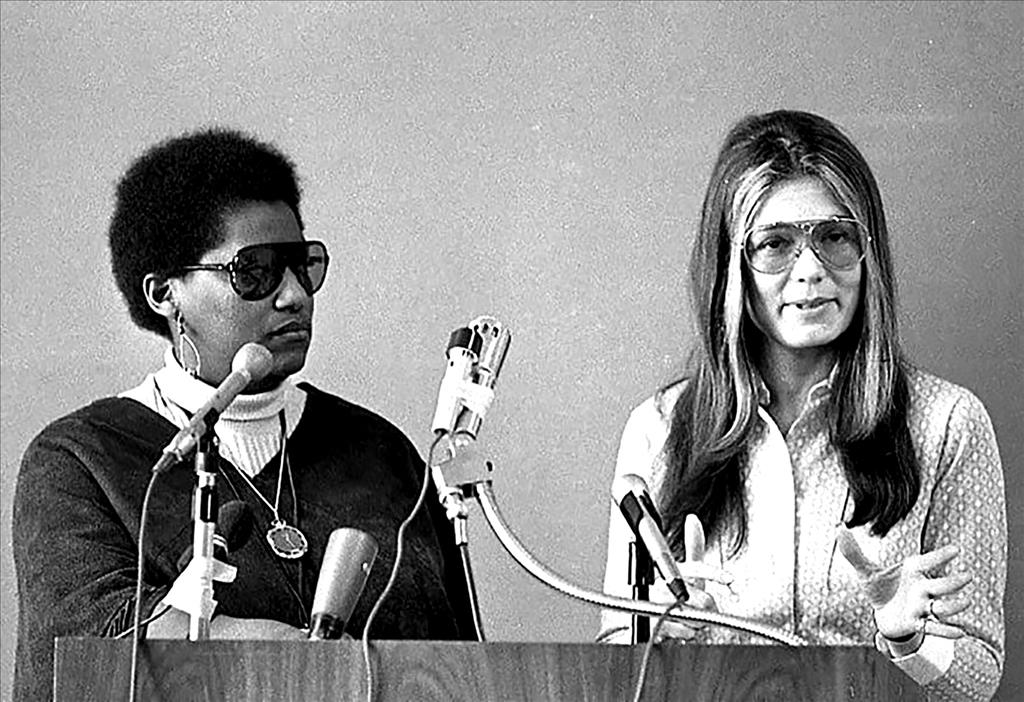
Despite the ERA not being ratified by the necessary number of states by the 1982 deadline, Steinem’s efforts were instrumental in bringing attention to the issue of gender equality and laying the groundwork for future advocacy. Her work on the ERA highlighted the systemic nature of gender discrimination and inspired continued efforts to achieve legal equality for women.
Her Influence on Modern-Day Feminism
Gloria Steinem’s influence on modern-day activism is profound and far-reaching. Steinem’s emphasis on intersectionality — which considers how various forms of discrimination intersect and impact individuals differently — has become a major foundation of modern feminist thought. This approach has broadened the scope of gender equality discussions to include race, class, and sexual orientation.

Steinem’s advocacy for reproductive rights, including access to contraception and abortion, remains a central issue in feminist activism today. Her work helped to destigmatize these topics and frame them as essential components of women’s autonomy and health. Modern activists continue to build on this foundation, pushing for comprehensive reproductive healthcare and fighting against legislative efforts to restrict these rights.
Her role in founding Ms. magazine also set a precedent for using media as a tool for activism. Today, social media platforms serve as powerful venues for raising awareness, organizing protests, and sharing personal stories. The way Steinem utilized media to amplify feminist voices has influenced how contemporary activists harness digital tools to reach wider audiences and mobilize support.
Steinem’s Influence on The Future
Steinem’s advocacy for political engagement and representation has left a lasting legacy. Her efforts to encourage women to run for office and participate in the political process have paved the way for the increased presence of women in politics. This push for representation ensures that women’s issues are addressed at the highest levels of government, reflecting Steinem’s belief in the importance of political power for achieving gender equality.

Gloria Steinem’s ideas and activism have profoundly shaped modern discussions on gender equality, inspiring a more inclusive, intersectional, and media-savvy feminist movement. Her legacy continues to motivate activists to strive for a world where everyone, regardless of gender, can enjoy equal rights and opportunities.
To explore more inspirational female authors, click here.
To discover feminist reads that changed the landscape for female authors, click here.
