


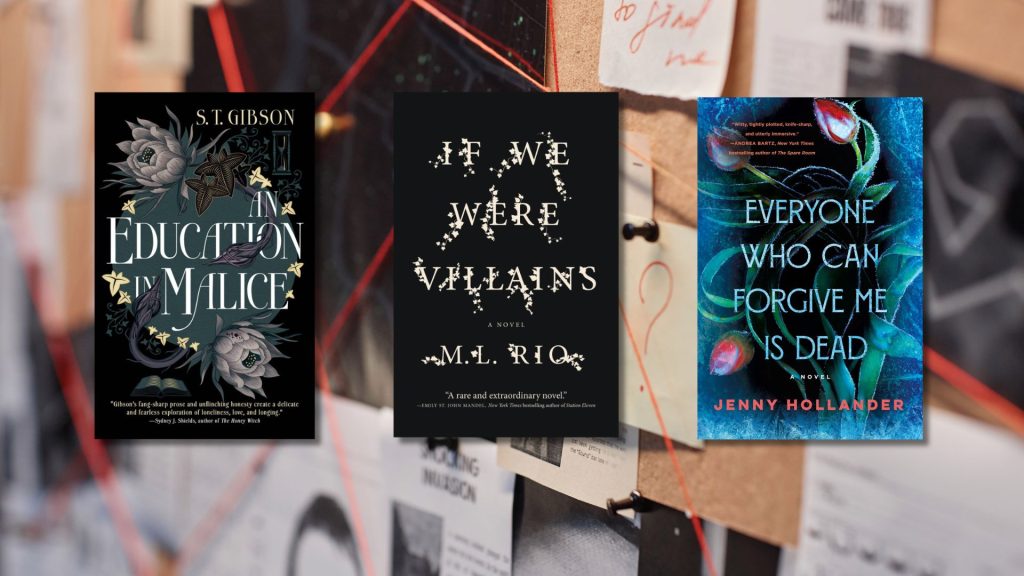


With bookstores adding Gothic horror novels to every shelf nowadays, it may feel like Gothic horror is a new subgenre under the powerful umbrella of horror. Yet Gothic horror has been around for centuries. Literally! In this week’s trivia edition, we’ll be diving into the subgenre that has created a myriad of famous characters in the horror world and given voice to individuals who are often left out of fictional narratives!
The History of Gothic Horror
The genre found its beginnings in the mid 1700s, with the publication of Horace Walpole’s The Castle of Otranto. Walpole’s novel follows a noble woman named Isabella who faces marital distress when her husband-to-be dies in a sudden and bizarre accident, which leads her soon-to-be father-in-law to propose. The story crumbles into mayhem as terrible deeds are covered up, rage rises, and characters meet gruesome demises.
A shocking approach to storytelling at the time, Gothic horror was an interesting contrast to the popular Romanticism works of the late 18th early and 19th centuries. While both genres approached the monotony of life and held a torch for the dramatics, gothic literature ultimately steered toward the somber and gloom of life.
Walpole’s novel inspired story elements that fed into contemporary gothic horror. These elements exist at a trope level in gothic literature, making them calling cards of the genre. Yet, like so many other genres, Gothic horror evolved as the years passed. Over fifty years after the original gothic horror novel, the genre found new fame in a young female writer.
Mary Shelley
Mary Shelley penned her famous Frankenstein in 1818. At just 18 years old, Shelley devised the story of Frankenstein while vacationing with her husband and friends. During a stormy night, the group thought it appropriate, given the weather, to pen a series of ghost stories to scare one another with. However, after the allotted time to write these assignments, Shelley found herself engrossed in her writing of a deranged doctor and his creation.
Shelley was only 19 when she published her manuscript. Though, because of her gender and the time period, she published the story anonymously with the subtitle, The Modern Prometheus. The original included a preface from Shelley’s husband, a poet named Percy Shelley. When the book became a hit, this small fact led to the incorrect assumption that Percy had actually written the novel instead of Mary — a rumor that has since been dismissed.
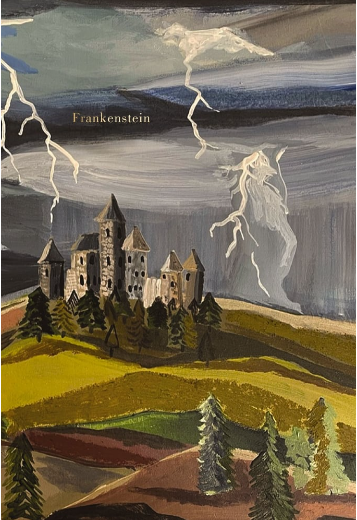
Frankenstein, again, marked a huge rise in the popularity of the Gothic horror genre. While certain qualities of The Castle of Otranto exist in the telling of Dr. Frankenstein’s story, such as the macabre approach to human anomalies and similar hyperbolic and gloomy language, the novel held up a new lens to everything gothic. Frankenstein allowed for a fresh form of horror to emerge on the Gothic horror scene through the creation of Dr. Frankenstein. Shelley redirected the more supernatural elements of Gothic horror into the physical, man-made reality, centering science in a genre that had previously found itself rooted in the mystical and giving flesh to the otherwise ghostly figures of the scene.
Edgar Allen Poe
Edgar Allen Poe was a craftsman in the realm of Gothic horror. When most people think of Gothic horror, they think of Edgar Allen Poe. Writing the majority of his terrifying and creepy tales in 1845, Poe quickly became known as a source for all things gothic. His most notable work, The Raven, was published in 1845 and originally printed in the New York Evening Mirror. The poem brought Poe peak fame in his time, after years of writing and a failed publishing career. He jumped from editor positions to the military, flipping back and forth between the two before finally gaining notoriety. The Raven connected the more methodical and lyrical side of writing to the horror of the gothic genre.
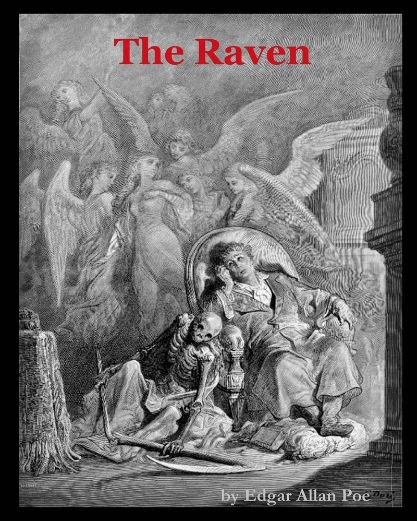
Using the language and overall tone of the genre, Poe was able to create an aesthetically Gothic story with new elements. Much like Shelley, Poe reinvented the source of horror in Gothic horror. Where Shelley framed this as the physical man, Poe made it the psychology of man, making it a trademark in his work to feature characters whose horrors came from within them.
Bram Stoker
Joining the popularity of the gothic genre in the new Victorian era, Bram Stoker published Dracula (1897)— the original material of the infamous vampire. Yet this is not how the original story was written. Stoker wanted to paint a picture of true horror and give proof to fears. In response, his editor made him remove over a hundred pages, thinking that the hyper-realistic story would be inappropriate for the time, given a streak of recent murders, and demanded that Stoker rewrite the story to be less nonfiction-inspired. To oblige, Stoker re-envisioned his main character, Count Dracula, into a less-than-human creature.
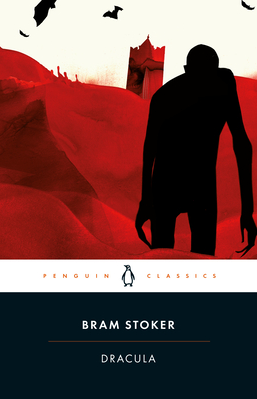
Stoker took another spin on the classic traits of Gothic horror. Instead of centering a damsel in distress, Stoker centered a man in his horror story. Bringing this twist to the genre pillar brought a new type of stress and isolation to the castle setting of his tale. While this marked a high point in the history of the Gothic horror genre, it certainly didn’t mean the last peak in popularity. As years passed, audiences’ love for this disturbingly genius genre crept on.
H.P. Lovecraft
H.P. Lovecraft rebranded the genre in the early 1900s, roping in elements of cosmic horror. Leaving an impact on the scene with his novel The Call of Cathulhu, a book so popular an entire RPG game of the same name spawned in response. Lovecraft often found inspiration from his dreams, a likely source of The Call of Cathulhu, which tells the story of a man discovering a cult through letters from his uncle. The bizarre mix of the wildly human and the religious supernatural combines the previous years of Gothic horror and its evolutions.
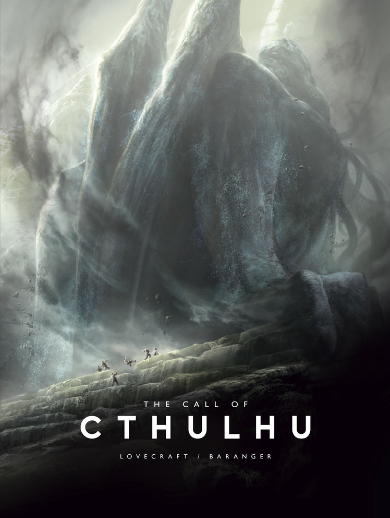
The cosmic horror that Lovecraft brings to the Gothic interprets horror as part of something otherworldly and beyond human existence. While this reflects the previous years of gothic writing, in the way that the genre has utilized supernatural elements, cosmic brings a mixture of physicality to this trait and a touch of godly powers instead of simply the undead.
Shirley Jackson
Another woman stepped up to reimagine the genre again in the 1960s, finding the more bizarrely human qualities in the telling of horror. Jackson is best known for her short story, The Lottery, and the adaptation of her novel The Haunting of Hill House. Shirely had shared that her attraction to horror came from her own fears. She frequently developed stories that reflected some of the very things that scared her. Jackson also wrote very candidly about her role as a mother. In her collection of stories, Let Me Tell You, Jackson proved her ability to write in both horror and comedy as she revels in the mistakes she’s made as a woman and mother.
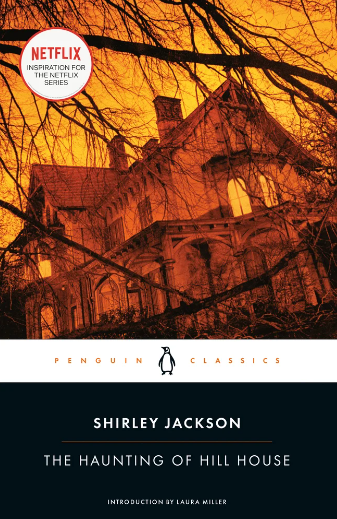
Like Poe’s stories, Jackson often generated horror in her stories through the unhinged nature of her characters. Unlike Poe, Jackson brought these bizarre traits to the women in her stories. For the longest time, Gothic horror created grotesque villains and powerful beings out of men. Jackson, instead, molded women to fit these identities, building a collection of improper women, violent ladies, and downright evil girls in some cases.
Telltale Signs of Gothic Horror
The elements of Gothic horror operate on a variety of levels that allow for usage across an interesting range. Further, because of the ever-evolving world and plasticity of art, the Gothic genre has been able to flex its popularity across the years through these identifiable elements, tropes, and tone. The tone especially revolves around mystery and the macabre, which is only amplified by the setting — often in a castle or a mansion — and the characters, who tend to be frequently distressed women or a being of supernatural descent. The women in these horror stories almost always face a terrible confrontation of power or fate, most often at the hands of men within their worlds — a trait that we still see in horror across the board today.

There are often references, if not outright inclusion, of omens and/or foresight. Prophecies are used in high frequency within this genre, encouraging another air of supernatural to take to the forefront of horror. These can be framed as urban legends, dying wishes, or town rumors.
These types of stories typically create their own kind of language as well — language with hyperbolic patterns and, as Robert Harris wrote in his piece for Woodbury University, “metonymy of gloom and horror.” This means that Gothic horror operates in its own realm of language — frequently relying on readers’ assumed correlation between events and/ or actions to allow for an understanding of dread through symbols in writing.
Contemporary Gothic
Contemporary Gothic has taken another step in this constantly shifting landscape. This new evolution of contemporary Gothic has spanned its storytelling to include marginalized readers. Popular stories that have come from this new evolution are Kat Armstrong’s A Pair of Sharp Eyes and Katherine Arden’s The Warm Hands of Ghosts. Both of these stories center female characters who are not led by fear or destroyed by male power, but rather curious, intelligent minds that seek out truth in times of true horror.
Finding members of queer and marginalized gender communities and under-represented cultural identities, this new era for the Gothic remakes the face of the genre. However, these aren’t the only adjustments the genre has made to the changing of the times!
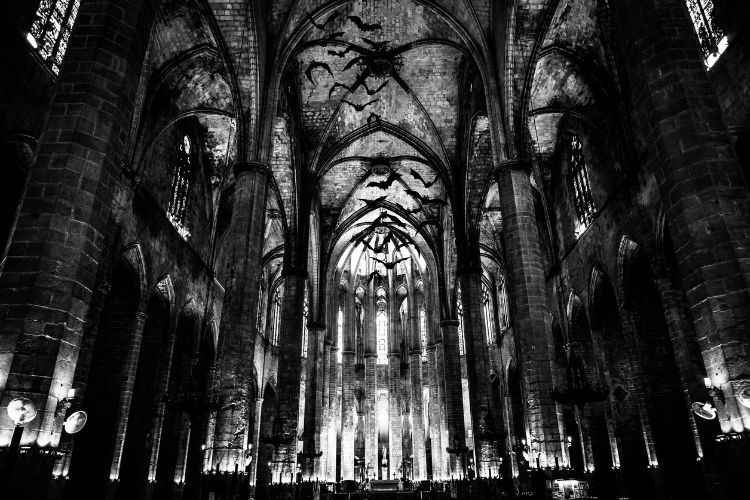
The genre has also made attempts at a conversation around mental health and commonplace troubles. Talks of anxiety have surfaced in recent publications, as well as the over commodification of daily life. Gothic horror proves yet again that it is able to adapt and readapt time and time again. The biggest impact this genre has seen from the new contemporary stage is due in part to the young adult genre.
When Young Adult Meets Gothic Horror
These genres have seriously collided. As a result, there has been both an advancement in the elements of storytelling as well as a touch back on the original horror novel. The Castle of Otranto centers a young teenage girl coming to grips with the violence and power of men around her. Placing this teen at the center of the story has been recycled back into the genre through its combining with the young adult genre.
This interesting intersection has made for a remodeling of Gothic horror. The horror aspect has hopped onto traditional elements in the young adult genre, including coming-of-age tropes, which has allowed for exploration into the pains and frights of getting older through supernatural elements and traditional horror designs — such as isolation through experience and hyperbolic narratives. As a result, this crossover has generated a new avenue for young adult readers to explore their personal concerns about getting older and has brought original voices to a centuries-old genre.
In return, the Gothic horror genre has found new heart in a genre it has previously been kept away from. The newer, younger voices bring a fresh light to the elements of the traditional storytelling, which encourages new approaches to decades-old tropes. In this sense, the genre is getting a huge reimagining without losing its roots. Casting its central characters in these newer lights brings an expansion of meanings to messages the genre has exhausted over the years. Now, the genre is as popular as ever.
YA Books in Gothic Horror
Young Adult Gothic Horror can be found in practically every bookstore now. The genre has taken off, with hundreds of books being published in the past ten years! It seems no matter the year, there is always an audience for this genre. The love for this dramatic spooky genre becomes so evident when reading these young adult gothic horror books.
The Madman’s Daughter by Megan Shepherd
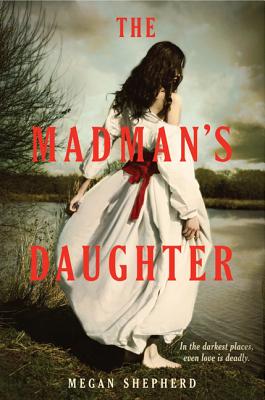
Sixteen-year-old Juliet stumbles upon a horrific discovery while visiting her father who has a proclivity toward gruesome experimentations.
The Unbecoming of Mara Dyer by Michelle Hodkin
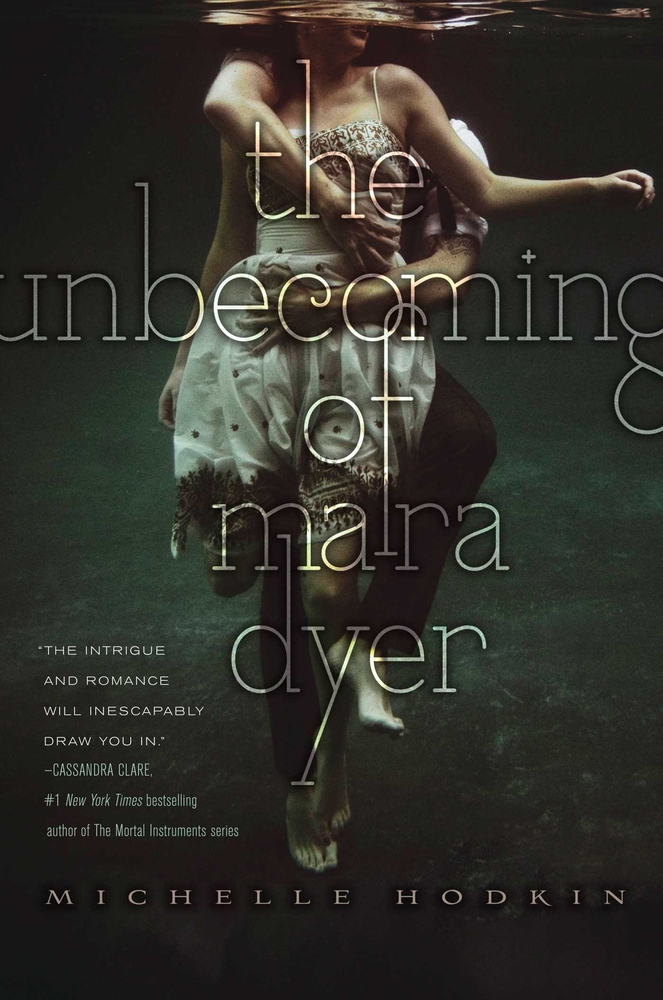
Followed by mysterious deaths, Mara Dyer seeks out the truth to her black thumb toward her friends and family.
It Came from the Trees by Ally Russell
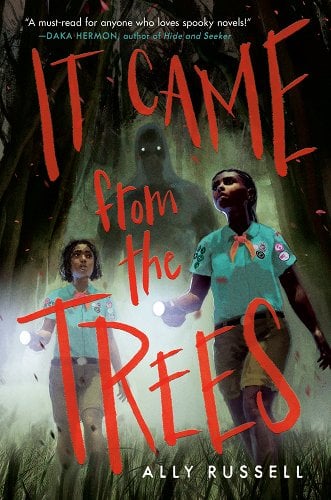
When a wilderness troop stumbles upon proof of a monster in the woods, it may be too late to escape. They might have to stay and fight.
Mirror Girls by Kelly McWilliams

When twins are secretly separated at birth, a series of unfortunate events happen that bring them to a curious reunion.
She Is A Haunting by Trang Thanh Tran
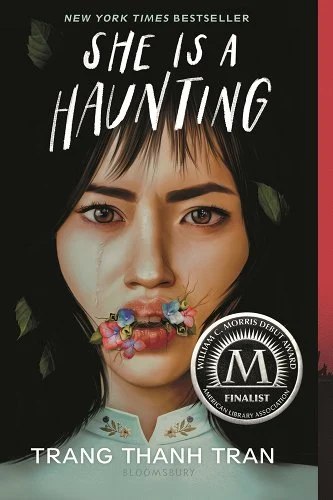
Haunted by her ancestors, Jade experiences a series of bizarre visions while visiting Vietnam.
In this new era of Gothic horror, it’s hard to imagine how it was before, but one thing’s for sure, it’ll change again, and we will be here for it.
Want to know more about gothic horror? We have a list of Gothic horror writers you need to know right now!
If the thought of fantastical horror and monsters tickles your fancy, check out our Bookshop.org bookshelf of must-reads that cover everything from Vampires to Werewolves.