







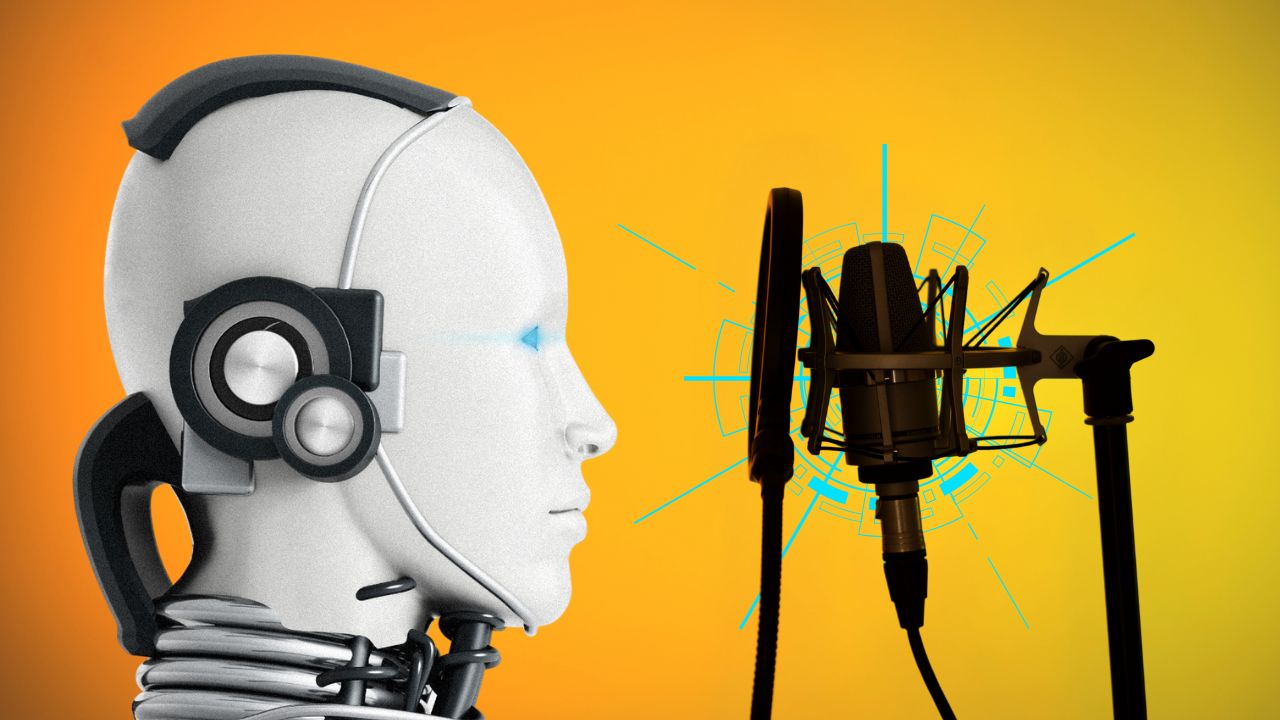
Since 2024, AI has become the buzzword, and, unfortunately, it’s only gaining traction. If you’ve been in the bookish community long enough, you’ve probably noticed the increasing discourse on using generative AI for writing. In addition to scraping writing, AI also scrapes people’s voices, which, for audiobook narrators, has endangered their profession, and makes us wonder, what does the future of audiobooks look like?
How AI Voice Generation Works
AI voice generation isn’t just simple text-to-speech. In a nutshell, artificial intelligence imitates human neuron connectivity called neural networks. These neural networks rely on a constant stream of input and output of data to learn how to produce the best desired results. For AI to tackle something like natural language processing, methods like deep learning will train neural networks to generate human speech. We don’t need to get into the computer science weeds of it all, but do understand that, since AI learns based on collected data, it needs to pull from human voices and performances to improve its algorithm to provide realistic speech. This is where things get hairy.

Endangering the Industry
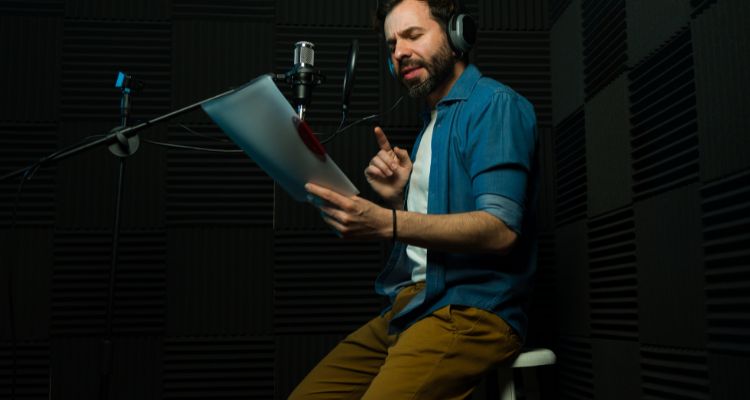
AI can also realistically imitate a voice actor, and if it can mimic them, it essentially steals the actor’s voice, making their position null and void. That means companies could have a professional voice actor’s voice and not have to pay them at all. Obviously, this cuts production time and costs for audiobooks significantly, but at a huge moral cost. If a voice actor’s voice isn’t unique, they are out of a job.
Google already has a catalog of AI-generated narrators you can choose from, which is especially appealing for self-published authors who would otherwise not profit from the steep production costs of an audiobook that traditional publishers can afford. That’s not to say that traditional publishing houses won’t want to cash in on this “shortcut” too.
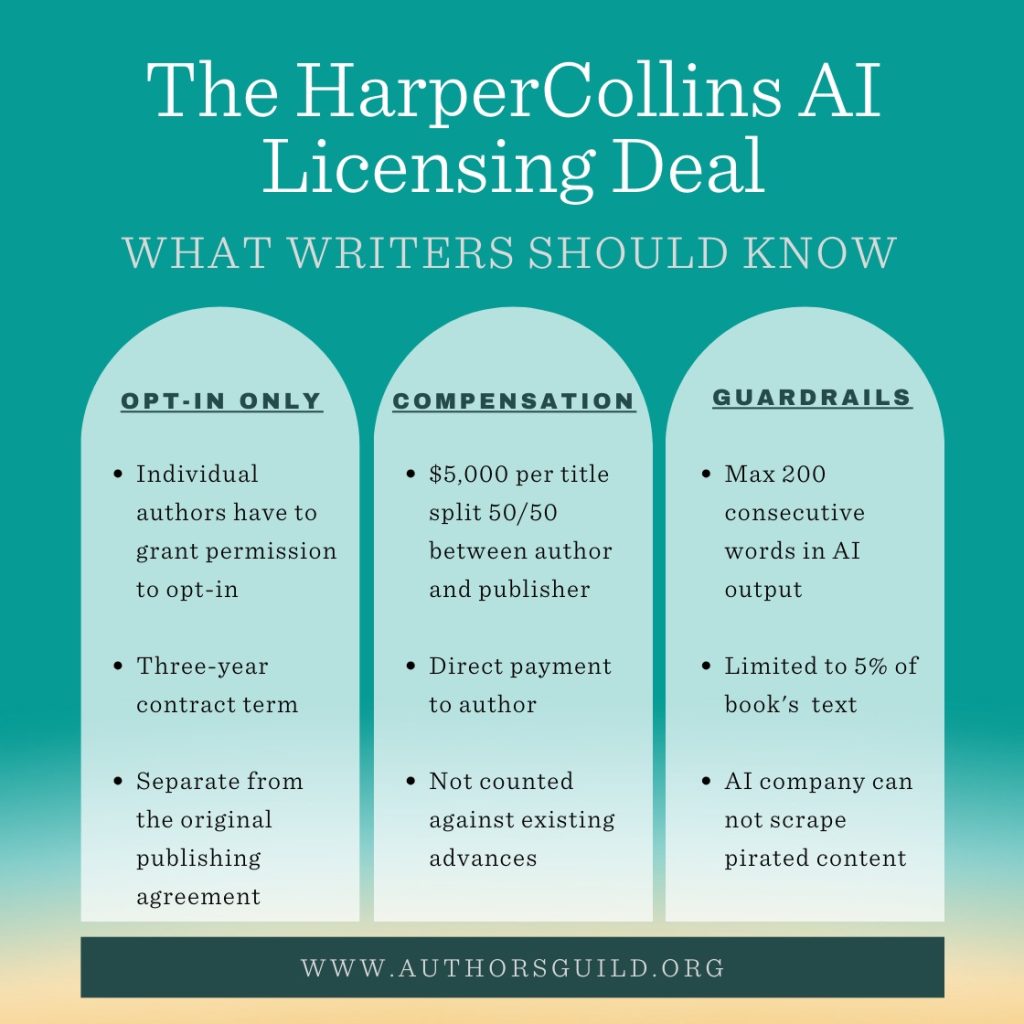
For example, the HarperCollins AI Deal announced in November 2024 allows certain nonfiction titles to be scraped for AI training, so long as authors “opt in,” which received a lot of backlash from authors and agents. Wiley, the academic publisher, made a similar deal a month prior, labeling it an AI Partnership. There is no doubt that companies will concede to incorporating AI with audiobook narration one way or another. At the speed we are going, it’s only a matter of time.
Voice Actors Fighting Back
On July 26, 2024, after eighteen months of negotiation, SAG-AFTRA (Screen Actors Guild-American Federation of Television and Radio Artists) members went on a strike against video companies, ceasing any voiceover work for video games to demand legal AI protection for union artists. The union is most concerned with consent and compensation for using AI replicas. The video game companies involved with the strike sent their “best and last” proposal on April 30, with a counterproposal from SAG-AFTRA following shortly after. While no agreement has been reached at the time this is written, the strike and ensuing negotiations are an example of voice actors actively working to seek legal protections against generative AI. Technology is progressing faster than the law can keep up, which puts AI in a very dicey legal limbo.
What’s Holding AI Back?
The one thing AI can’t do — yet — is replicate human emotion. Sure, it can copy mannerisms of speech and mirror inflection and tone, but it lacks human authenticity, and that’s the heart of auditory performance! Human emotion is subtle and is filled with so much nuance that AI can’t quite pin down. It gets stuck in that nuance, not sure when and to what degree to apply certain emotions. It’s similar to how you can tell an AI-generated photo is, well, AI-generated. Sure, it looks okay, but it has very distinct visual cues that tell us it’s not made by a human. This distinct tone makes it hard for some people to listen to AI voices at all, and they simply prefer hearing a real voice narrate books.

Additionally, part of the job and process for an audiobook narrator is workshopping the voice and style that they will use, as they can experiment with different tones and accents to best fit the character and story. AI skips that step. It can’t replicate human authenticity, and with its distinct monotone sound, human narrators just sound better. It’s this advantage that is keeping the human market alive, for now.
What Can We Do?
Similar to the AI crisis taking over visual artists, it’s imperative that we support the authentic, human artists who are narrating the audiobooks you listen to. Don’t settle for convenience over quality! If you are self-publishing, don’t fall into the trap of using an AI-generated narrator. Follow audiobook narrators on their socials as well as audiobook production companies. Check out audiobooks from your local library that are narrated by real humans. If we lessen the demand and show voice actors that their skills are still of value, we may be able to not stop, but slow down its trajectory.
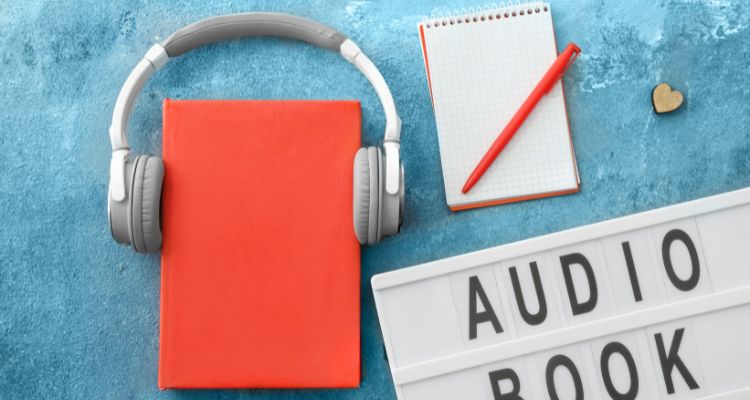
Audiobook sales are soaring, and that can’t happen without the tireless work of audiobook narrators. And while it seems AI-generated voiceover is here to stay, we don’t have to let it consume the human market. You can’t get the same emotion-filled auditory experience with an AI narrator over a human professional. When you listen to an audiobook narrator, you know you are getting high-quality sound that has gone through a significant production process and people who’ve poured blood, sweat, and tears into ensuring you have an amazing listen.
Want some audiobook recommendations with a full cast? Click here!
Click here to check out our Bookstr Team Recommendations shelf on Bookshop!