

















Epistolary is a literary form that has been used for years in classics such as The Color Purple by Alice Walker and Dracula by Bram Stoker. It’s a creative structure that uses letters, diary entries, or other forms of written communication to tell a story with the ability to connect the reader directly with the character’s inner voice.
Now, in the digital age, there has been much debate over the reinvention of the modern epistolary and the use of digital forms of communication to tell a story. As this form becomes more and more popular, the question emerges: Does this modern epistolary hold the same emotional weight and narrative power as the classic form? In my opinion, while it is harder to execute effectively, the use of digital communication can still deliver deep emotional resonance when done with intention. Let’s explore how using digital communication in books can be both a challenge and a tool in modern storytelling.
Staying Power in an Age of Temporary Communication
In a world with quickly evolving platforms and trends, what feels fresh and experimental today can seem outdated tomorrow. Achieving lasting relatability when it comes to written forms of text or email is one of the major challenges of the modern epistolary novel. Just think of how quickly Facebook went from a trendy platform for young people to a platform now associated with older generations. The same goes for texting slang and etiquette. A novel which uses these forms too liberally runs the risk of aging poorly.

The ever-changing quality of these digital forms of communication makes it hard for readers to relate to stories, especially when compared with the timeless feel of a handwritten letter. This is why I believe it is essential for modern epistolary to establish intimacy with its characters.
Conquering the Cold Touch of the Digital Age
One of the epistolary’s successes is its emotional intimacy. It explores the raw emotions only found in handwritten letters or diary entries. This emotional appeal and intimacy are among the easiest elements to lose in modern epistolary.
Digital communication is meant to be brief and temporary, and it feels cold and superficial. How often do you bare your soul in a love letter on Gmail or iMessage? When a character from a book does this, it risks feeling unrealistic, but without this level of emotion, it just doesn’t serve enough intimacy with the characters for me to truly care.
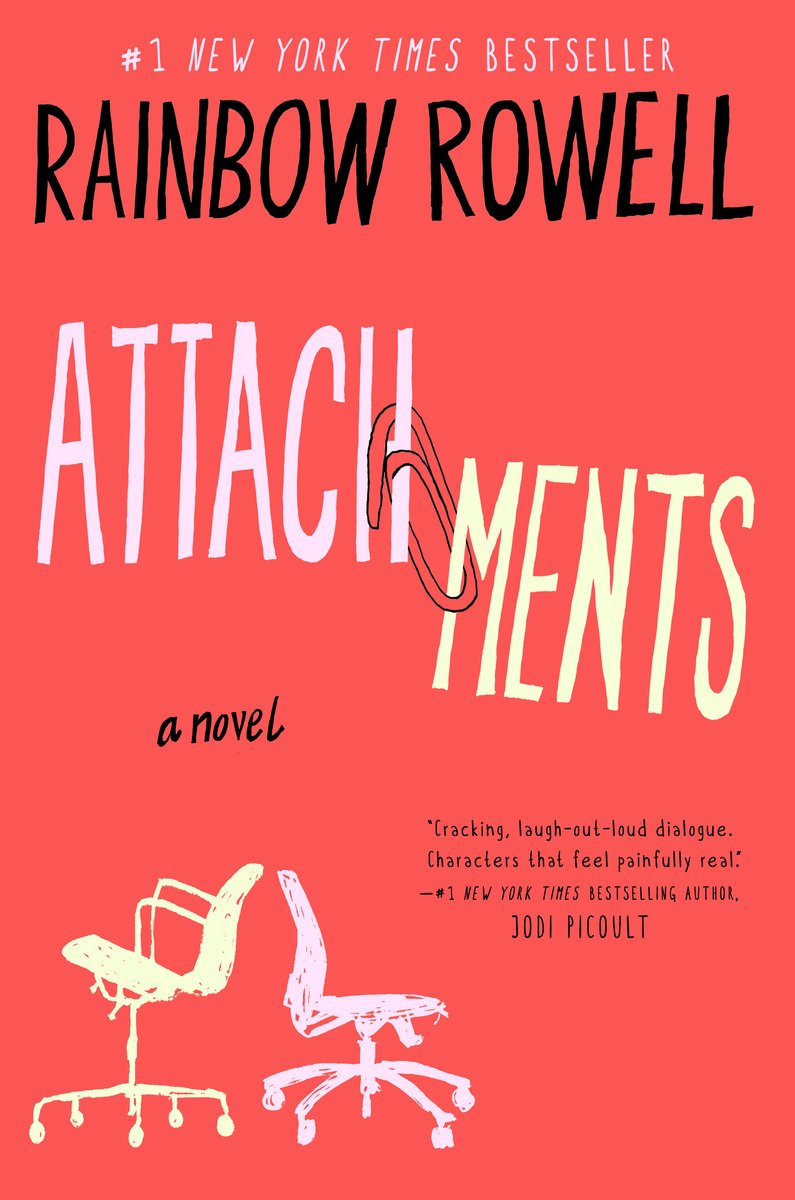
In Attachments, Rainbow Rowell works to overcome this challenge with mixed results. The novel tells the story of an IT worker who monitors employee emails and slowly develops feelings for a woman after reading her email correspondence. The story has mixed reviews; some readers found it heartwarming, while others found it creepy.
Still, this book demonstrates that a digital epistolary can foster intimacy between characters and readers when the character has a distinct voice. A review by Ashley on Goodreads says of the characters,
“That they were so likable is key, because the novel wouldn’t have worked if we as readers were not able to overcome the basic creepiness of Lincoln’s actions. We want Lincoln to keep reading about Jennifer and Beth because WE want to keep reading about Jennifer and Beth.”
In other words, the true connection can still be found because the personalities of the characters shine through in the emails.
Building Connections and Revealing Character
A significant strength of the epistolary is its ability to reveal a character’s voice. Even without the use of internal dialogue, a letter — or email — can feel like a direct connection to a character’s inner thoughts and personality. I think that it can definitely function in this way if done correctly, but also, digital communication often masks a person’s true feelings and personality rather than revealing them.
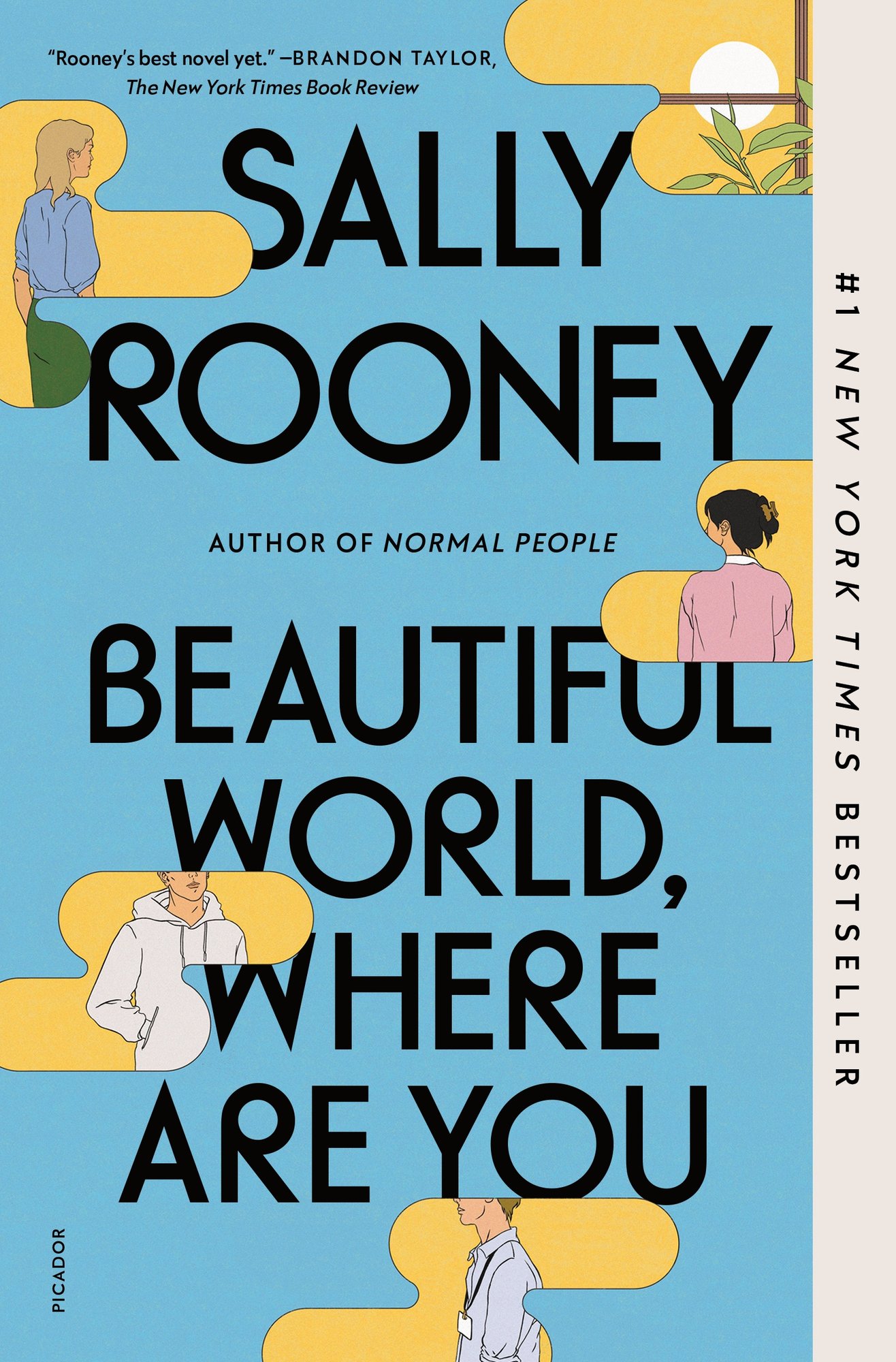
Personally, I love when an author leans into this tension and uses the modern epistolary to establish the unreliability of a character. It helps the reader to be fully engaged in the story, filling in any gaps or inconsistencies. This is exactly what Sally Rooney does in her book Beautiful World, Where Are You.
In Beautiful World, Where Are You, Sally Rooney uses a partial epistolary format to showcase long-distance best friends as they struggle to adjust to life in their mid-twenties. The book alternates between a third-person perspective on Alice and Eileen’s lives as well as their email correspondence back and forth to stay in touch. The use of email in this book is both engaging and intentional, showing the difficulties of being in your twenties and how easy it is to paint a more glamorous picture of life online than in reality.

Just because it’s hard doesn’t mean it’s impossible. While the modern epistolary can lack the charm of a handwritten letter, it still holds powerful potential. When used with intention, digital communication can be just as intimate and can reveal how we form connections in the modern world.
Want to read more about the digital age’s impact on literature? Click here.
Find these books and more on our Bookstr Team Recommendations bookshelf on Bookshop.org.
