












The best way for kids to learn about the environment and the world around them is through hands-on interactions with nature. But, with kids introduced to so much technology at such a young age, whether in school or at home, we know that it can be hard to inspire kids to want to get outside and explore. That’s why we’re sharing 10 non-fiction books on how kids can learn and interact with nature in a way that ensures the fun doesn’t end at the end of the book.
The Moon Book by Gail Gibbons
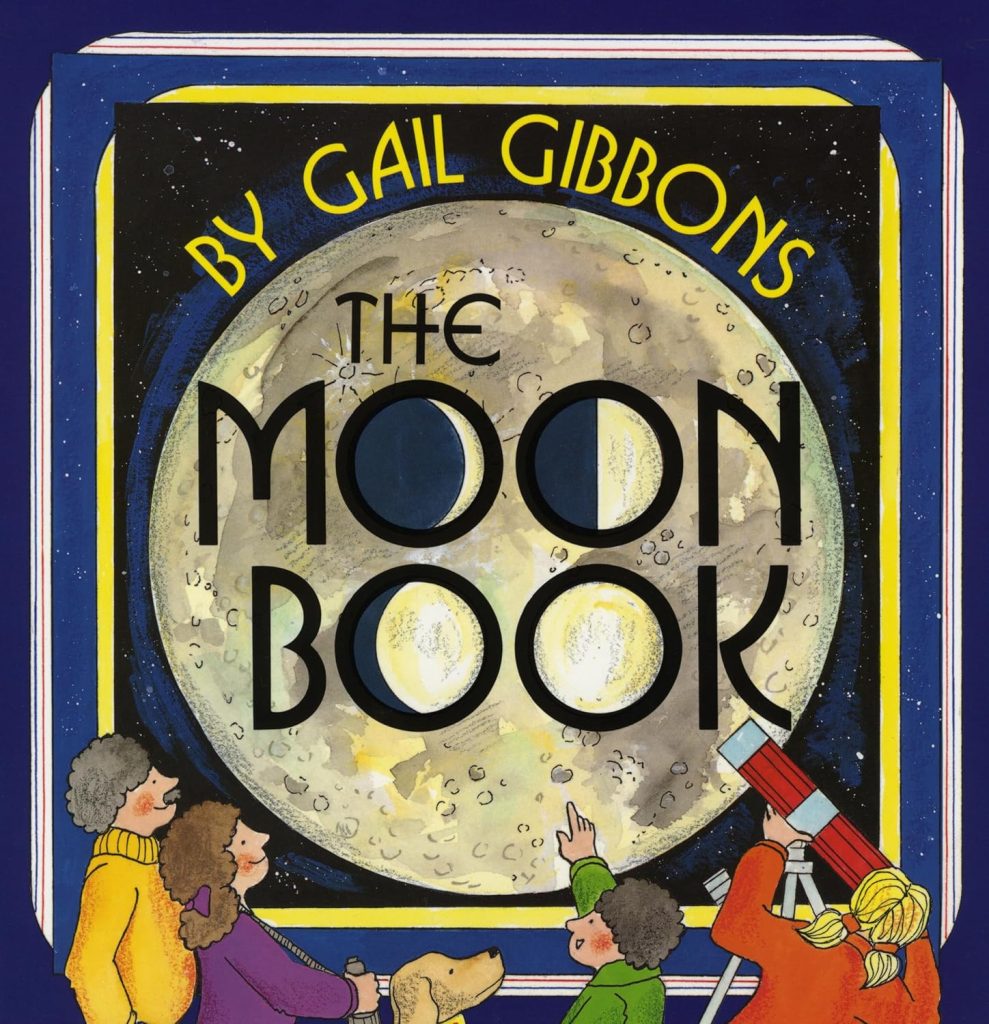
The Moon Book by Gail Gibbons is perfect for engaging young sky-gazers. This book tells kids everything they could want to know about the moon. It explains why one side of the moon always faces Earth, how eclipses happen, and even how the moon and the ocean are connected. It also shares fun facts about the moon landing and old legends about the moon. This book is sure to inspire a new interest in young kids to go outside and look up at the night sky.
Backpack Explorer: On the Nature Trail by Storey Publishing
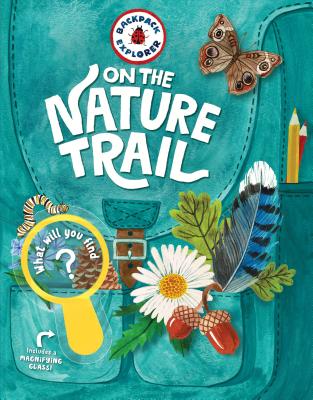
Backpack Explorer: On the Nature Trail is one of Storey Publishing’s many interactive field guides for kids. Part of the Backpack Explorer series, it teaches kids common tree, bird, and animal species. It also includes interactive activities to inspire kids to use what they’ve learned and spend more time outside. Kids can take this book with them and explore the nature all around them with activities, crafts, games, scavenger hunts, and more that will keep them entertained for hours.
Feathers: Not Just for Flying by Melissa Stewart, Illustrated by Sarah S. Brannen
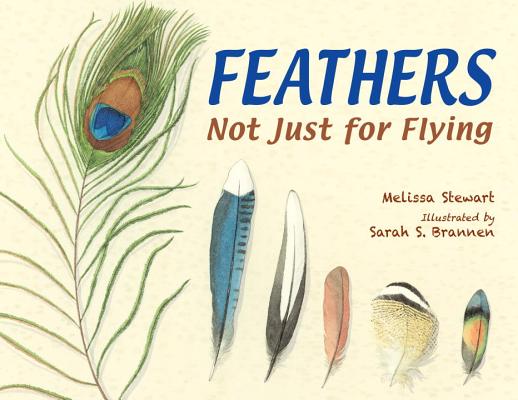
In Feathers: Not Just for Flying, Melissa Stewart explores the different uses of feathers in 16 bird species. Young readers can learn everything they need to know about how feathers help birds in various ways, like flying, swimming, or digging. It is set up like a science journal to teach kids how to study feathers with life-sized feather illustrations that compare the size of feathers to everyday objects to help kids conceptualize and identify feathers out in nature.
Animal Tracks and Traces by Mary Holland
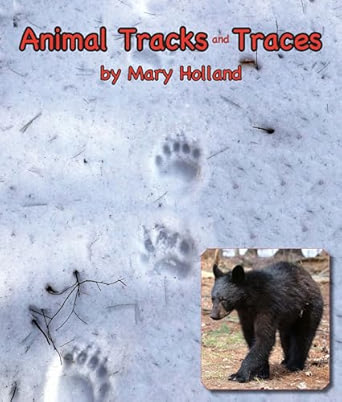
Mary Holland creates a guide for children to learn how to become wildlife detectives in her book, Animal Tracks and Traces. This book teaches children how to track where an animal has been and even identify the species of animals and what it was doing based on the traces it has left behind. She teaches kids how to track animals through finding and identifying their footprints, seeing if there are signs something has been chewed or scratched, and finding where animals call home. This will help kids interact with nature and become more aware of the creatures that live around them in their own backyard.
Rock Collecting for Kids: An Introduction to Geology by Dan R. Lynch
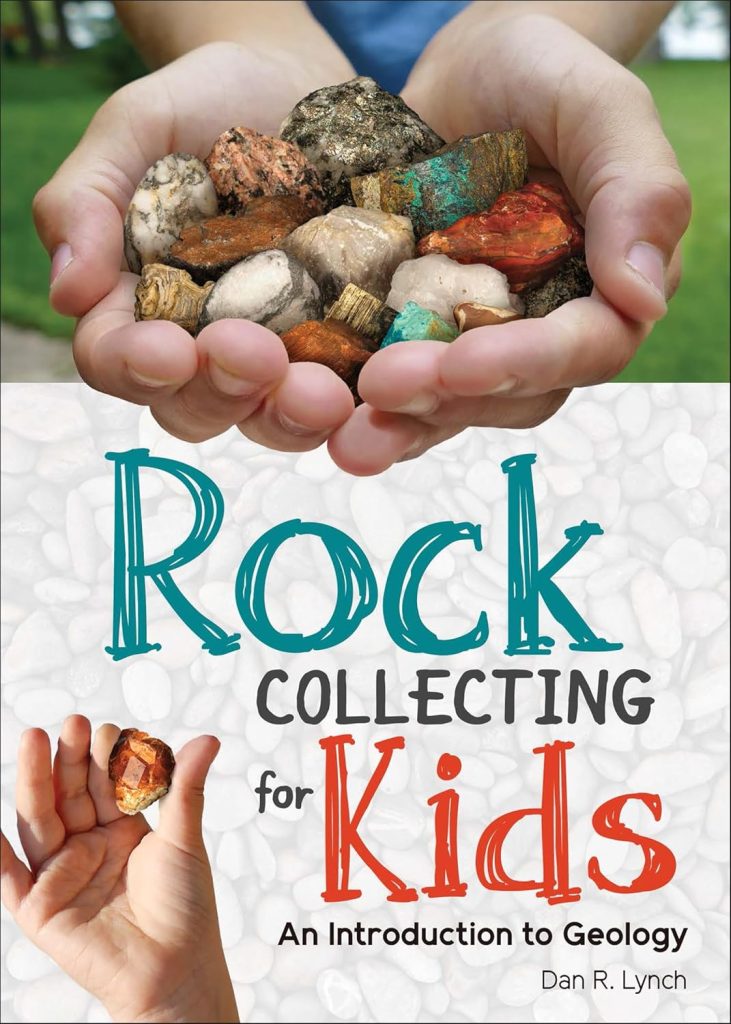
Rock Collecting for Kids by Dan R. Lynch provides a hands-on learning experience about beginner geology concepts and common, everyday rocks. It not only teaches children about rocks and the Earth’s surface, but it also includes interactive sections that allow children to find rocks on their own. There is an identification guide for 75 different commonly found rocks and a “how to” section to show kids how to identify rocks based on features or locations. This book is sure to get kids outside searching for new rocks and treasures.
Nature Anatomy by Julia Rothman
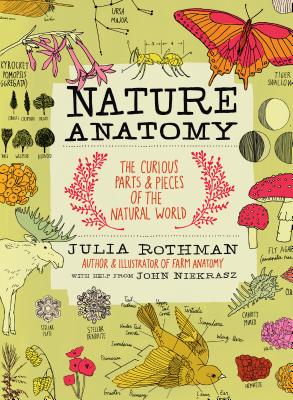
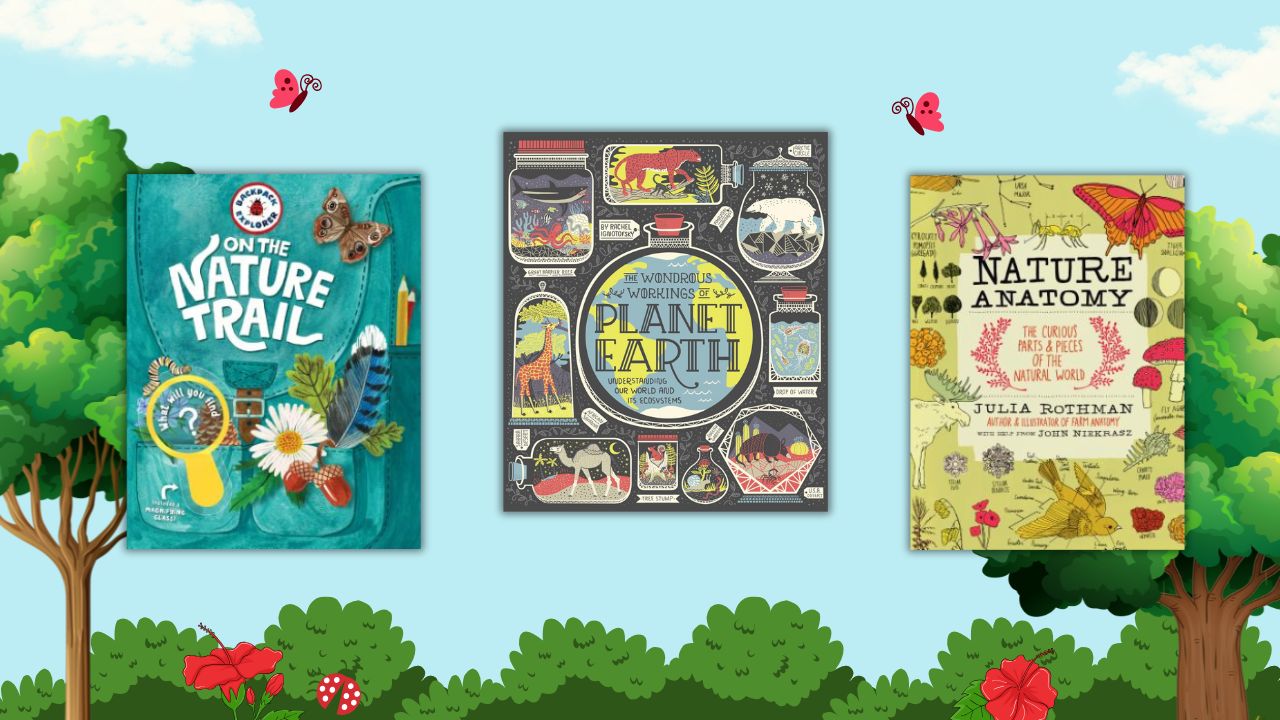
Nature Anatomy is just one book in Julia Rothman’s anatomy series. In Nature Anatomy, she includes some of the most interesting and odd occurrences in nature, such as how minerals are formed, how fossils are formed, how natural disasters happen, and more. It will have young readers looking at nature in a whole new way. And if you like this book, there are so many more in this series to deep dive into any topic, such as Wildlife Anatomy, Ocean Anatomy, or Farm Anatomy.
The Big Book of Nature Activities by Jacob Rodenburg and Drew Monkman
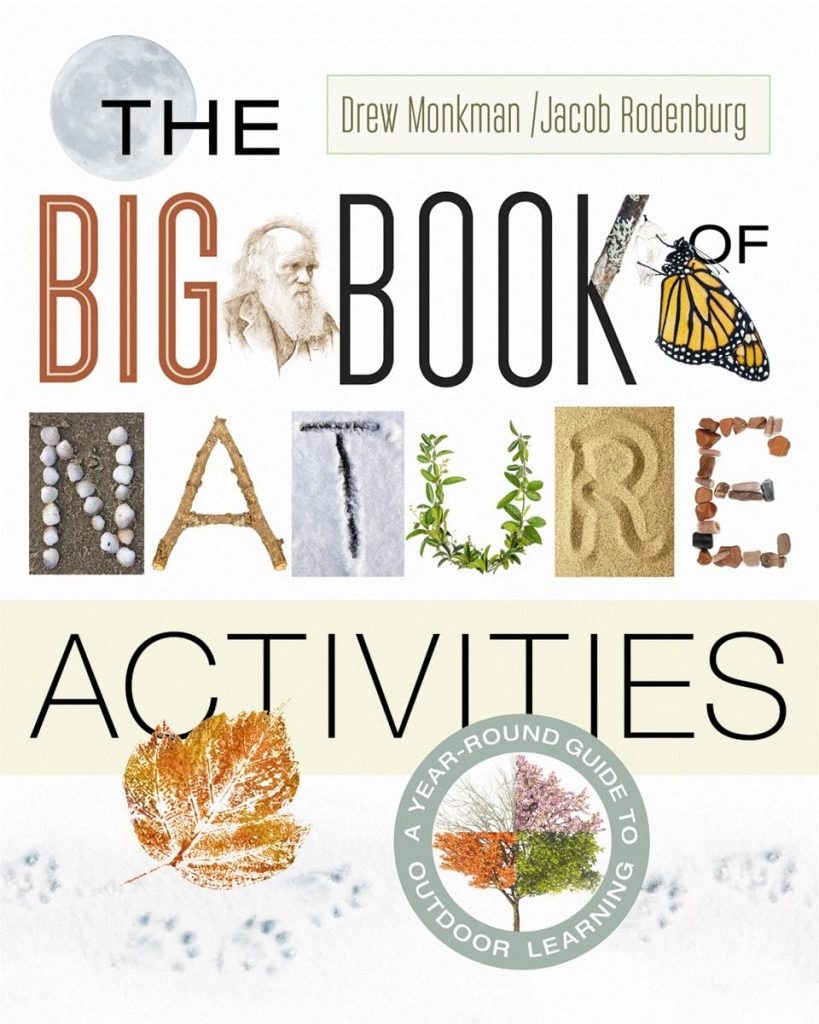
As the title implies, The Big Book of Nature Activities by Jacob Rodenburg and Drew Monkman features activities to get kids out in nature. The book uses a kid-friendly approach to relevant topics like evolution and climate change. It includes fun lessons like species identification, photography, nature journaling, and even how to use digital technology in an educational way to learn about the natural world. This is a book with activities that can be done again and again for endless fun. It even includes seasonal approaches for what happened in nature at different times of year to ensure there is always something new for kids to learn when they get outside.
Wildlife Ranger Action Guide by Mary Kay Carson
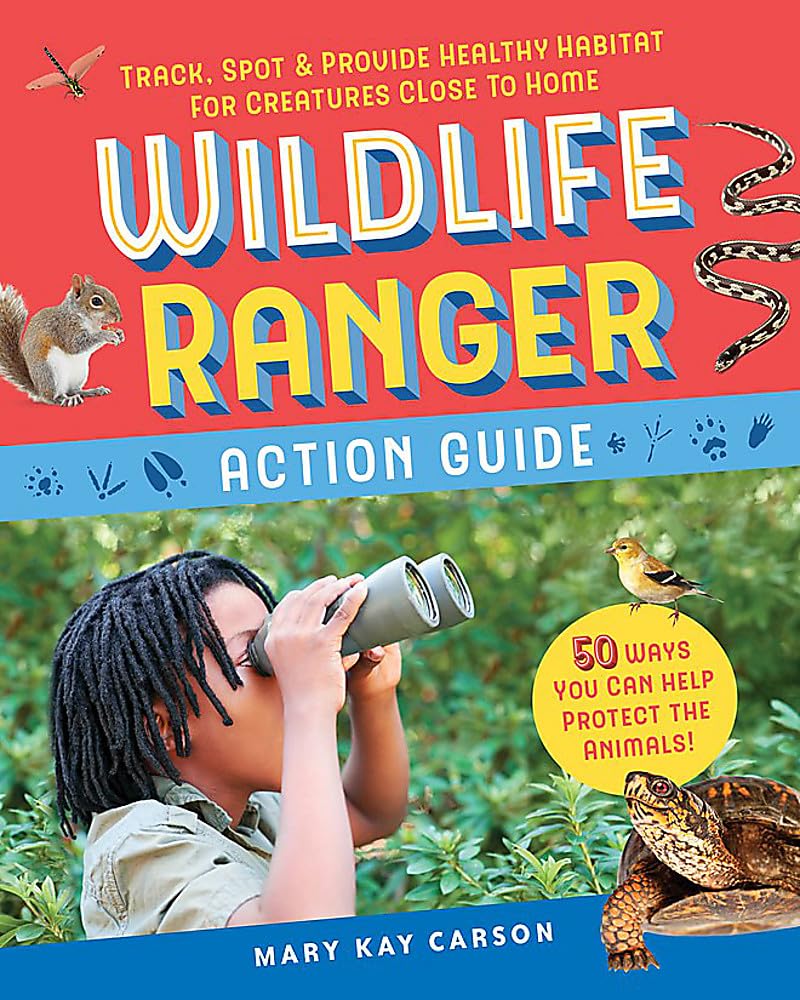
In Mary Kay Carson’s Wildlife Ranger Action Guide, kids learn about nature and how to protect the natural world around them. The book aims to spread awareness to the newest generation of change-makers on endangered species like honey bees and monarch butterflies. It includes hands-on activities for the whole family to get involved in protecting the species found in their backyards. The action guide focuses on activities that can preserve habitats for animals that are endangered by human development. It teaches families how to make bat houses, frog ponds, and pollinator gardens in their own backyards while giving engaging facts about these species and more to develop the love and desire to protect wildlife in kids of all ages.
Citizen Scientists: Be a Part of Scientific Discovery from Your Own Backyard by Loree Griffin Burns, Photography by Ellen Harasimowicz
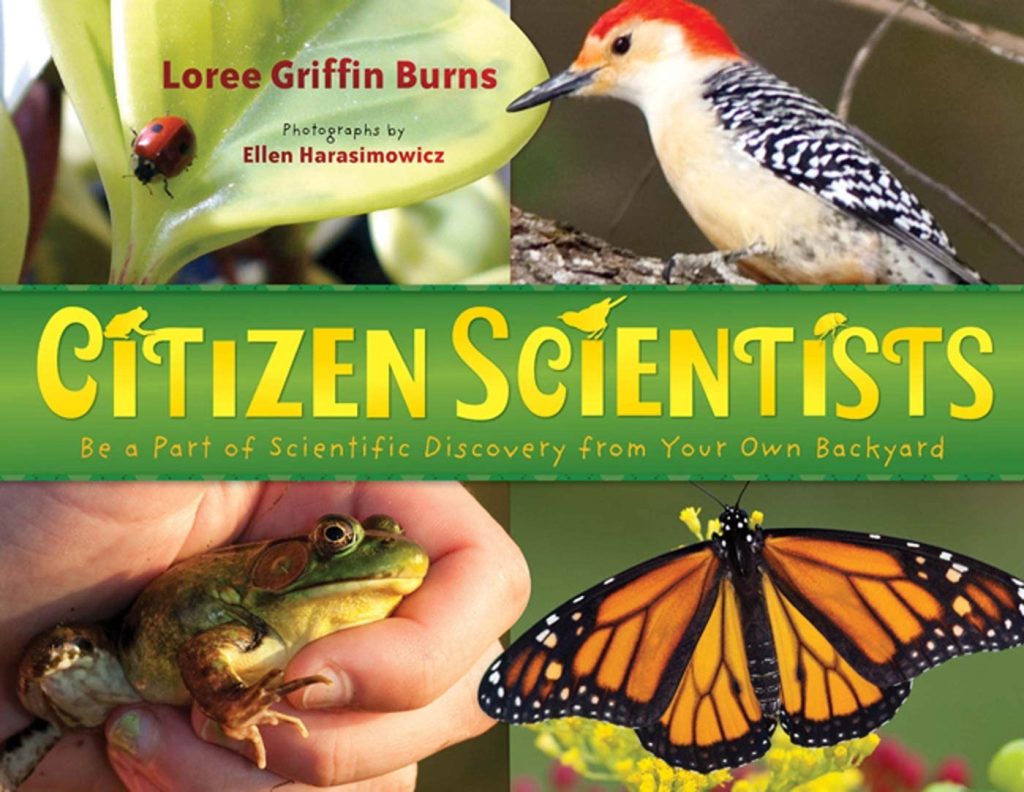
In Citizen Scientists, Loree Griffin Burns gives tips on how kids can engage in nature with photos by Ellen Harasimowicz that will inspire hands-on action. This book teaches kids how to get involved in real-world science research out in nature, such as helping with the Audubon Bird Count by keeping track of the birds, bugs, or frogs they hear and see. This book teaches how to find and track these animals to help take part in important studies, and to get kids involved in helping their local environment.
The Wondrous Workings of Planet Earth by Rachel Ignotofsky
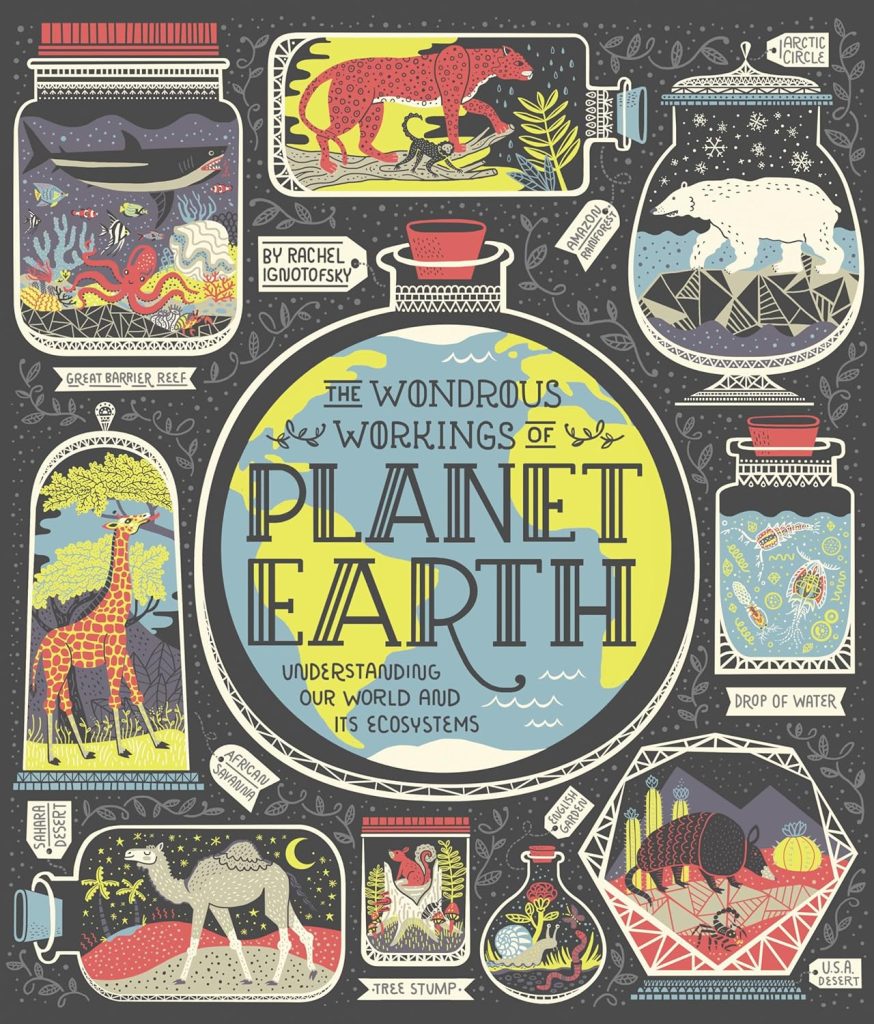
Rachel Ignotofsky creates a vivid explanation of how the planet functions for all ages in The Wondrous Workings of Planet Earth. From desert ecosystems to coral reefs, this book describes the importance of diverse ecosystems and biodiversity. It inspires readers to protect the species that call these places home and understand the cycles of nature that all living things rely on. Understanding these important life functions will inspire readers to be more mindful of the environment and treat nature with the respect that it deserves.
Teaching young kids the importance of protecting and preserving the environment has never been more important. We hope your little adventurers enjoy these engaging stories and get outside. Happy exploring!
Want more kids’ book recommendations for summer? Click here.
Find these books and more on our Mini Bookworms Delightful Recommendations bookshelf on Bookshop.org.