














We’re honored to sit down with Lydia Goldman, a London-based author and healthcare PR professional. Her debut memoir, Red Moons and Silent Truths, draws inspiration from her “delightfully nomadic childhood,” her passion for exploration, and her firsthand experience of the February 2021 coup in Myanmar. Lydia’s book serves as a crucial platform to raise awareness for those in Myanmar who no longer have a voice.
Trigger Warning: This interview contains true events of the Myanmar Coup that might be distressing to some readers.
About Lydia Goldman
Lydia Goldman is a London-based author and healthcare PR professional. Her debut memoir, Red Moons and Silent Truths, draws inspiration from her delightfully nomadic childhood and passion for writing and exploration. Growing up as a third-culture kid, she attended eleven schools across the Netherlands, Indonesia, and the UK.
After earning a Bachelor’s degree in Neuroscience from the University of Bristol, Lydia embarked on a travel adventure through Southeast Asia. A last-minute stop in Yangon to visit old school friends unexpectedly led to a job offer. The following year, amidst the COVID-19 pandemic, she returned to Myanmar to teach at an international school.
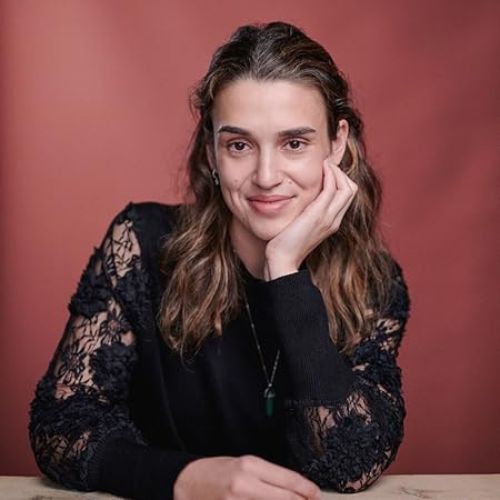
Arriving in Yangon in July 2020, it was nothing like the previous year. Her flight was the last to enter the country before its borders closed due to the pandemic. After enduring a four-month lockdown, Lydia emerged into a nation on the brink of upheaval, with the coup taking place just weeks later in February 2021.
Red Moons and Silent Truths is Lydia’s first book, written to raise awareness for those in Myanmar who no longer have a voice, where internet and military restrictions prevent the outside world from seeing and hearing the whole truth. During her time in the country, she volunteered with the humanitarian organisation Skills for Humanity, which deeply inspired her story.
Beyond writing, she’s a self-proclaimed over-thinker, always on the go, earning the “queen of the side hustle” award at work. Lydia is passionate about volunteering and gaining a deeper understanding of people and cultures. Her recent volunteer work with Care4Calais in France involves providing humanitarian aid to refugees in Calais.
Thank you for talking with us. Let’s get started, Lydia.
What was the initial spark or catalyst that compelled you to finally share this deeply personal story?
The decision to share this story solidified right as I was leaving Myanmar. Two armed guards had transported us to the airport, and when we said our goodbyes, they turned to us and said, “Please tell our story. Please use your voice.” Their request really resonated. It was no longer my personal experience, but it had become something I felt obligated to share — it felt less like a choice and more like a duty.
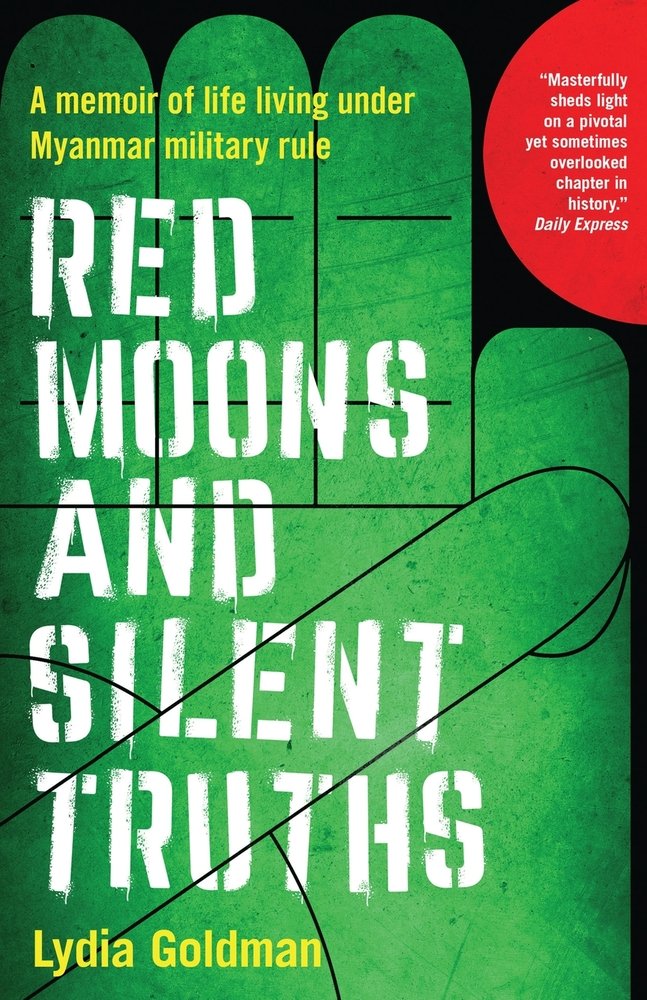
The title, Red Moons and Silent Truths, is quite evocative. Could you elaborate on the significance of this title in relation to the themes explored in your memoir?
The title, Red Moons and Silent Truths, captures the essence of life in Yangon during the coup. The colour red represents the Myanmar Democratic party, the moons signify the nocturnal protests (at night on our balconies, drumming with pots and pans, singing in unity), and the silent truths refer to the hidden realities of a country that were uncovered; the corruptness and lies of the military.
Are there any specific scenes or moments in the book that were particularly difficult or cathartic to write?
Writing the events described in Chapter 37 was particularly challenging. The scene took place during one of the many protests, and a lone protester was caught and murdered right outside our building gate. Reliving that specific sequence — the chaos, the sounds of gunfire and chilling laughter, the visual of violence, and the overwhelming sense of helplessness — was unsettling and hard to write. But while it was painful, it was also necessary. Putting that specific, brutal reality on paper felt like a way to honour the memory of what I saw and ensure it wasn’t silenced.
Your bio mentions a “delightfully nomadic childhood” and attending eleven schools across three countries. How did this unique upbringing as a third-culture kid shape your perspective on the world and, ultimately, your writing?
Growing up as a third-culture kid definitely shaped my worldview. Experiencing life across different countries showed me that there’s no single “normal” or “right” way to live. This perspective was invaluable when I found myself living through such intense circumstances in Myanmar. As a third-culture kid, you learn to find connection points even when you feel like an outsider, and you develop a sensitivity to the undercurrents of a place. In my writing, this translates into focusing on the human elements within leather events, trying to convey the atmosphere and individual experiences with authenticity and empathy, much like I learned when travelling as a child.
You mention a “passion for writing and exploration.” How did these two passions intertwine throughout your life, leading you to this memoir?
My childhood and upbringing really instilled both passions simultaneously. Exploring new environments was my reality, and writing became my way to document what I saw, understand different perspectives, and create a sense of continuity. I love reading back my diaries, which I’ve updated since I was nine years old, and reading about the things I was so lucky to experience. When I experienced the events in Myanmar, that ingrained pattern kicked in. Writing this memoir wasn’t just about recounting events; it was my way of exploring and understanding the situation, processing my own reactions and emotions, and sharing the important truths I witnessed.
Experiencing the February 2021 coup firsthand must have been incredibly intense. How did the political upheaval and subsequent restrictions impact your daily life and your perspective on the country?
Experiencing the coup firsthand was indeed incredibly intense and unsettling. The political upheaval instantly impacted daily life — communication and internet connection became sporadic and controlled, movement was restricted by curfews and military presence, and a sense of fear settled over everything. I often remember the eerie silence during the first internet blackout and the profound pride during the protests. It was both terrifying and inspiring at the same time.
For me, as an expat, it dissolved the “bubble” that can sometimes exist. It forced a confrontation with the stark realities faced by the people of Myanmar. Witnessing the courage of ordinary citizens protesting despite the dangers, and seeing the immediate impact of lost freedoms on friends and colleagues, changed my perspective massively. It moved beyond just living in Myanmar to truly understanding the deep-seated desire for democracy and the human cost when it’s threatened, something we often take for granted in the Western world.
You volunteered with Skills for Humanity in Myanmar. What kind of work did you do with them, and how did those experiences shape the narrative and themes of your memoir?
Skills for Humanity is a non-profit organisation dedicated to serving those in need and providing shelter, education, food, and safety in Myanmar. It was founded by an amazing woman called Meredith Bunn. With Skills for Humanity, I joined an amazing group of volunteers to provide food, education, and aid to orphanages, hospitals, and civilians in Yangon. This hands-on work gave me invaluable insight into the daily struggles, the needs, and quiet resilience of people striving for basic security and opportunity, not only during the coup but also during the COVID-19 pandemic. When the coup occurred, the abstract political events had immediate, tangible faces and consequences for the very people and institutions I’d worked with. It grounded the narrative in the human reality of interrupted lives and threatened safety, and the experiences and stories I heard infused the memoir with a deeper layer of empathy and understanding.
Your experience as a healthcare PR professional likely involves strategic communication. How did this background inform your approach to telling this sensitive and important story?
As a PR professional, I’ve learned to appreciate the importance of telling stories that need to be told. When writing Red Moons and Silent Truths, I was motivated by the desire to share my personal experiences and those whom I met in Yangon, and to give a platform to the country. My background in PR has given me the skills to craft a narrative that is both personal and informative, and to reach a wider audience. I’m hoping that my book will help raise awareness about the ongoing crisis in Myanmar and inspire readers to take action in support of those affected.
What do you hope readers will understand about the complexities of Myanmar and its people after reading Red Moons and Silent Truths?
My hope is for readers to understand that the coup and turmoil are still ongoing in Myanmar, despite it disappearing from the news headlines. I also want people to grasp the incredible resilience and quiet dignity of the Burmese — their ability to find moments of connection and maintain hope in the face of such adversity. I also hope readers understand the human cost of conflict and oppression and recognise the significance of freedoms many of us take for granted.
Now that your debut memoir is published, what are your aspirations for your writing career? Do you have plans for future books?
I’m thrilled that my debut memoir is out in the world, and I’m eager to continue my writing career. I’m already working on my next project — a fictional novel based on my volunteering with refugees in Calais. I want to establish myself as an author, telling stories that need to be told and connecting with readers on a deeper level.
Thank you so much to Lydia for sharing her story, not only in the book but also in the additional insights we received here. Be sure to pick up your copy of Red Moons and Silent Truths today, and don’t forget to stay up-to-date with Lydia on her social media: Instagram and LinkedIn.
Looking for more author interviews? Check them out here.
Find Red Moon and Silent Truths on our Nonfiction for the Enlightened Mind bookshelf on Bookshelf.org.