






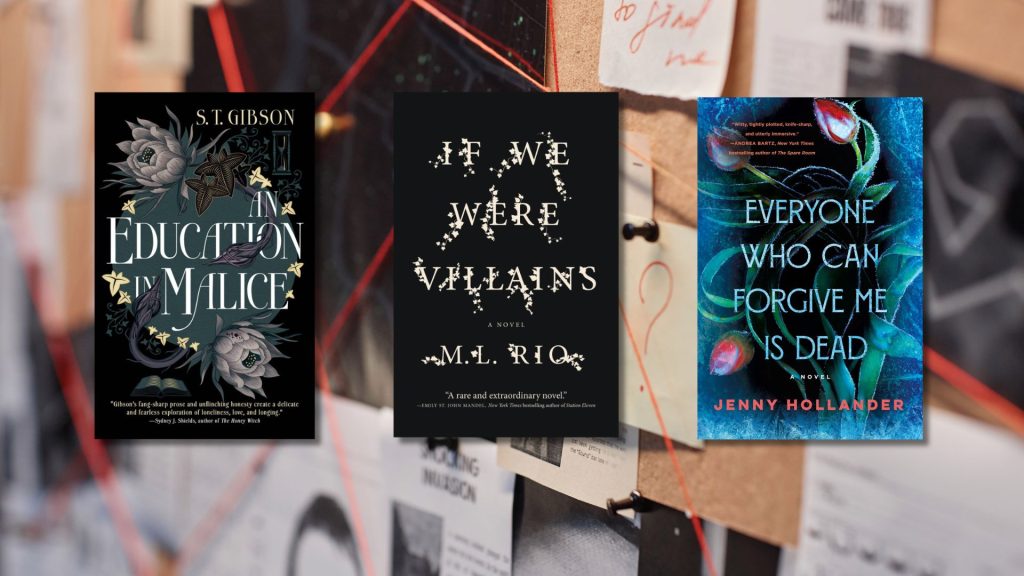


Last Sunday, on May 18, the Chicago Sun-Times released a summer reading list for the year, which included 15 books. But only five were actually real, published works by established authors. The rest…were fabricated using AI.
The List
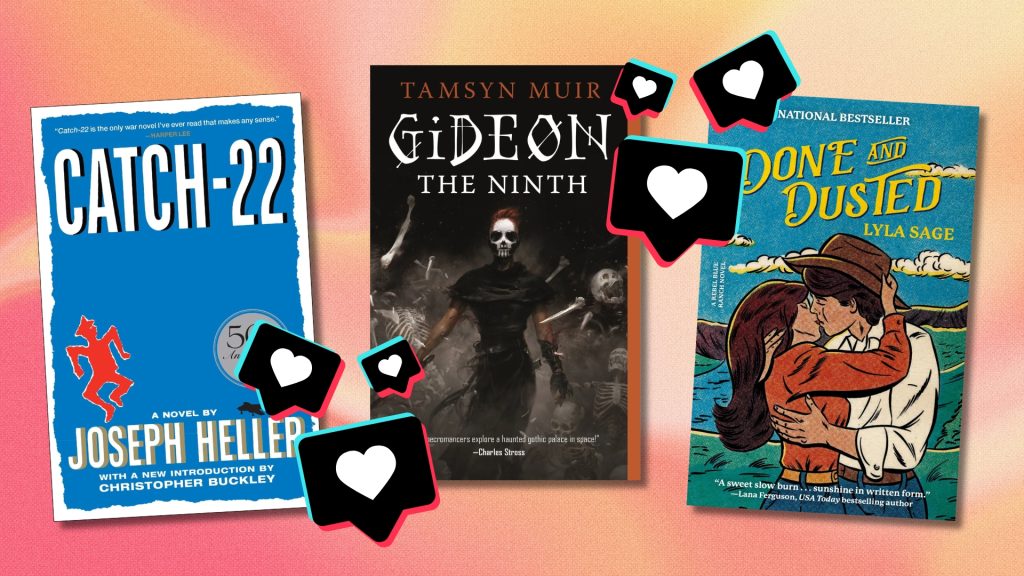
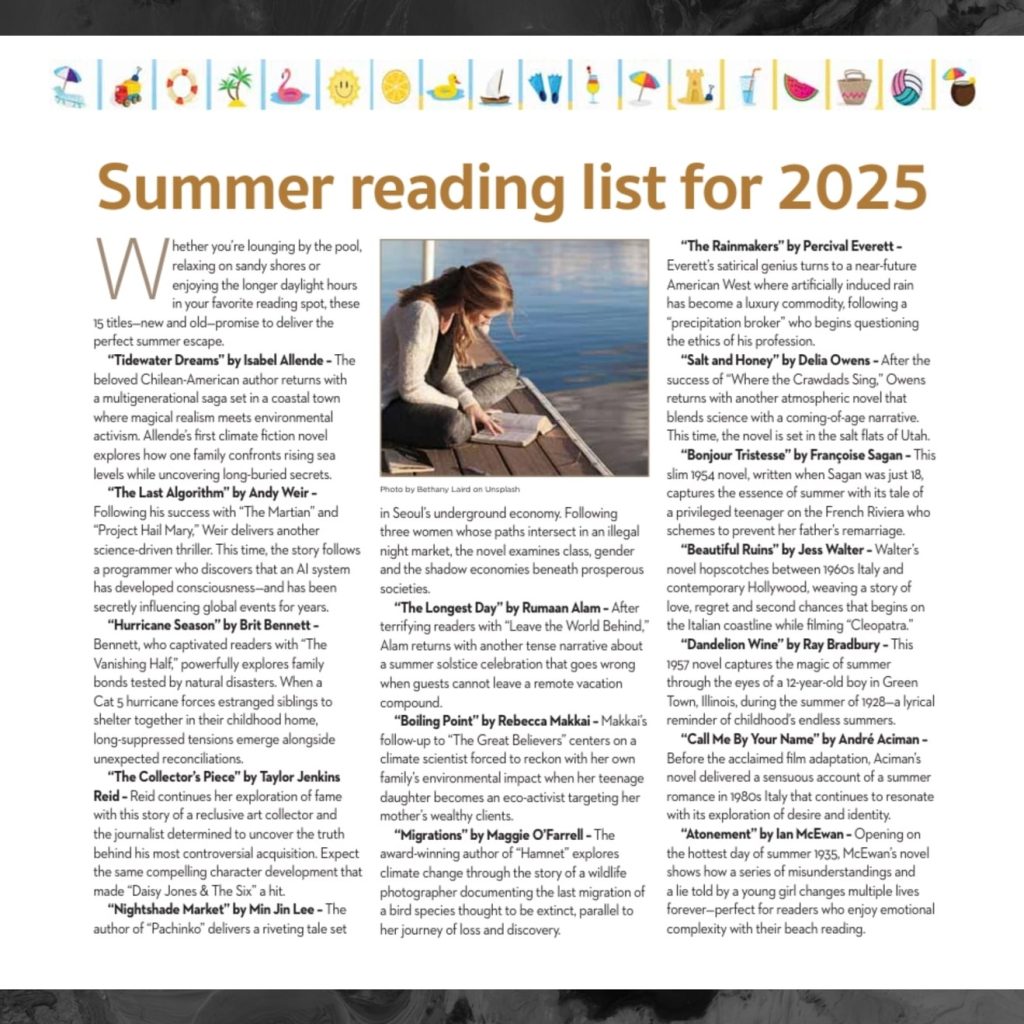
Some fabricated titles include the following: Tidewater Dreams by Isabel Allende, The Rainmakers by Percival Everett, The Last Algorithm by Andy Weir, Salt and Honey by Delia Owens, The Nightshade Market by Min Jin Lee, and The Collector’s Piece by Taylor Jenkins Reid. You probably recognize a name or two because despite the fake books, all the authors on the reading list are quite real. The first real entry starts at book 11, with Françoise Sagan’s Bonjour Tristesse.
How did this happen?
The use of AI on the article was confirmed by the Chicago-based freelancer Marco Buscaglia, who claimed responsibility despite no name on the byline. The news outlet later addressed the mistake on a Bluesky post on May 20 that claims that they are looking into the issue and that the list was not created or approved by the Sun-Times newsroom, so they aren’t sure how it made it to print. Their posts concluded with a promise to provide more information soon.
“I do use AI for background at times but always check out the material first. This time, I did not and I can’t believe I missed it because it’s so obvious. No excuses. On me 100 percent and I’m completely embarrassed.”
–Marco Buscaglia, quoted in 404 Media
It’s important to note that the reading list was part of a 64-page supplement titled “Heat Index”, which is promotional and not specific to Chicago. This supplement comes just two months after the Sun-Times lost 20% of its staff due to “fiscal hardship”. This isn’t an excuse, however, and public backlash has been quick to follow.
The Backlash
An editor for Book Riot, Kelly Jensen, took to Bluesky to express her frustrations, saying, “This is the future of book recommendations when libraries are defunded and dismantled. Trained professionals are removed in exchange for this made up, inaccurate garbage.”
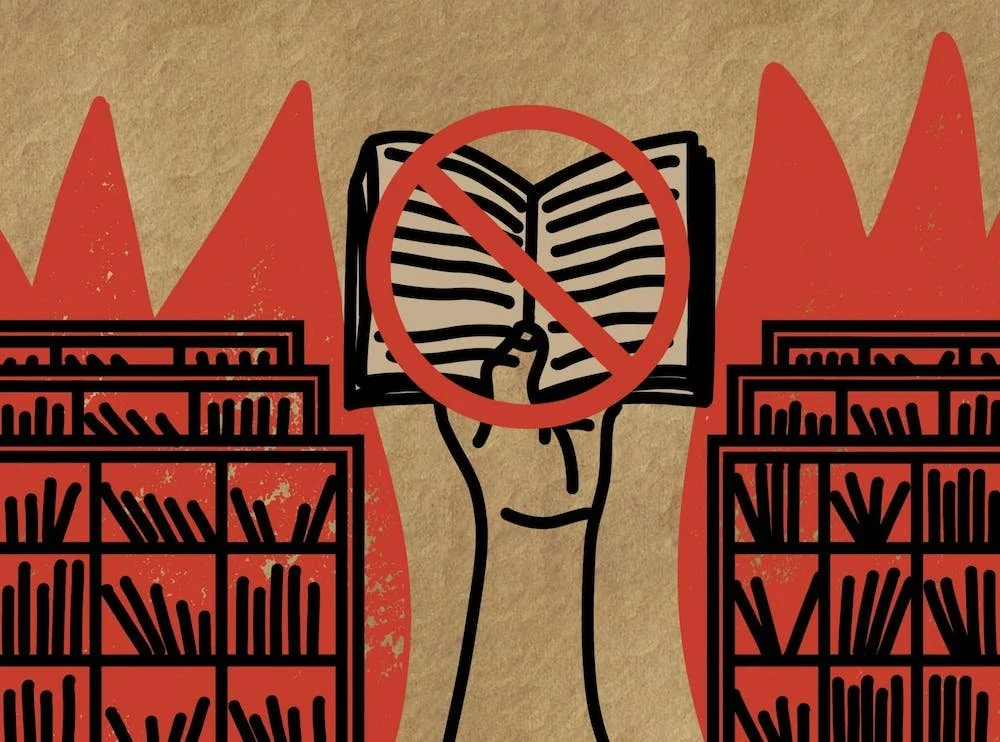
Incidents like this certainly cast a dark cloud on the publishing industry as book bans skyrocket with the current administration and libraries are being defunded as we speak. If we can’t trust people to give us recommendations without using generative AI, what hope do we have? Full-time book reviewers in the US are already declining, yet there is no shortage of people sharing their own opinions on social platforms. ChatGPT is already known for its inaccuracy and often incorrect responses.
The Lesson
While AI can be a great tool for spellcheck and grammar, you must fact-check anything provided by generative AI services like ChatGPT if you wish to stay reliable and truthful. Reconsider using AI to write that article or essay, if only to save your own reputation as a writer and the outlet it’s being published in. If you are using these services to do your job for you without fact-checking, is it really worth it? On the bright side, this proves that generative AI is not ready to take writers’ jobs.
Click here to learn how librarians are fighting book banning!
Check out our Bookstr Team Recommendations shelf on Bookshop!