

















Trigger Warning: The mention of genocide may be triggering for some readers. Please exercise personal care when reading.
Since the beginning of Trump’s 2025 presidency, multiple previous historical laws and events have been mentioned. With talk about laws such as the Alien Enemies Act of 1789 and the discussions on dictatorships and genocide, we must educate ourselves on what comes with these laws and political references to understand what is going on and how the past faced these issues. By relying on our history, we are given a powerful tool that allows us to learn from past mistakes and successes. To help you understand more about immigration politics and the steps towards dictatorships, let’s dive into the basics of a few topics that have been brought up and look at books that go into the extensive nature of each one.
Deportation
Dictatorships and deportations go hand-in-hand because with the rise of dictatorship and war, comes the genocide and displacement of communities. During the Great Depression and the beginning of World War II, immigration laws were on the rise. Low employment for Americans was met with racial prejudice towards migrants, and with the scare of communism came the propaganda against anyone deemed “unpatriotic.” Let’s go over three methods the government used to try and remove immigrants from the land and control the narratives against them.
Alien Enemies Act of 1798 – The Alien and Sedition Acts of 1798: Testing the Constitution
The Alien Enemies Act of 1798, also known as one of the four laws under the Alien and Sedition Acts, was created when the U.S. was at the brink of war with France to deal with the U.S. government’s fear of non-citizens sympathizing with the French. The Alien and Sedition Acts created an opportunity for the president to arrest, imprison, and deport anyone deemed “alien” during wartime while also criminalizing American citizens for opposing speech against the government. The Alien Enemies Act calls explicitly for the event of war, where undocumented immigrants fourteen and up are at risk for being detained and deported if they pose an invasive or predatory threat to the U.S.
On March 14, 2025, President Trump invoked the act, claiming to target cartels of foreign terrorist organizations. One group he focused on in his proclamation is known as Tren de Aragua, stating that any Venezuelans fourteen and up who are suspected to be part of the organization will be apprehended. However, the enactment of such acts leads to a lack of due process, which is creating a racial bias that is displacing many Hispanics. The slightest suspicion puts people at risk, and the fearmongering is leading to accidental deportations and deportations towards active immigrants in our community who have nothing to do with the cartels. The Sedition Acts also make it difficult to question the government and its attempts at removal because acts of opposition would be seen as “unpatriotic,” even though the ability to speak out is a right of our free speech.

The Alien and Sedition Acts of 1798: Testing the Constitution by Terri Diane Halperin goes into the factors that led to the Alien and Sedition Acts and the controversy surrounding their creation. Written over twenty years after America declared independence, the act limited the rights the Constitution swore to protect. Halperin examines how the acts affected everyday lives, such as congressmen being threatened with arrest and printers being beaten, to explore the chaos that such limiting laws create. Readers are introduced to the political divisions of the late 1790s and the turn in immigration that increased tension between the citizens of the U.S. Exploring the meanings behind freedom of speech, immigration, the Constitution, and citizenship, Halperin can give readers an important history lesson on the intentional hysteria the government causes when enacting such problematic acts.
1930’s Mexican Repatriations – Decade of Betrayal: Mexican Repatriation in the 1930s
The 1930s repatriations played a big part in the removal of Mexican immigrants during the Great Depression. Because of the job crisis, Mexicans became a target for blame for upset citizens and the government, which didn’t want to take responsibility. This led to the beginning of mass deportations in an attempt by President Hoover to make “American jobs for real Americans.” Repatriation programs began in the early 1930s by state and local authorities, with their most significant efforts being seen in Los Angeles, which had a massive Mexican community. Up to 1.8 million people were deported to Mexico, many without due process, and around 60 percent were American citizens. Due to Mexicans being denied aid and the raids that were continuously being conducted, Mexicans were put in a constant state of fear. Officials fueled this fear by targeting Spanish-language newspapers with ads on upcoming raids and promotion of self-deportations because migrants self-deporting proved to be more cost-effective than conducting raids. Some repatriation programs offered monetary incentives to those willing to self-deport, claiming Mexico would provide free train fares due to immigrants being taken only as far as the border. Still, some found this accommodation to be untrue. The repatriation program left many Mexican families torn apart, and an apology was not made until 2005, when California Senator Joseph Dunn passed the “Apology Act for the 1930s Mexican Repatriation Program.”
On May 6, 2025, President Trump offered to pay $1,000 to undocumented immigrants who self-deport. He is claiming to provide travel assistance along with the stipend and will “deprioritize” self-deporters from the risk of removal and placement in detention centers. This is another step in his campaign for mass deportation that involves creating fear for immigrants and their livelihoods. Immigrants leave their homelands for a myriad of reasons, and no matter why or how they came here, they have a right to live without the fear of everything being taken away from them in just a moment. Many undocumented immigrants have been working on documentation. However, because of the bureaucratic hurdles and long delays they face, they are still at risk of being detained and deported before becoming citizens. These hurdles are meant to make immigration difficult and have continued to become harder to overcome as we stray away from the ideals that were established when the border was created, which can be seen in our history as the border was formed by the Treaty of Guadalupe Hidalgo in 1848. Still, the U.S. Border Patrol wasn’t established until the Labor Appropriation Act of 1924.

Decade of Betrayal: Mexican Repatriation in the 1930s by Francisco E. Balderrama and Raymond Rodríguez recounts the decade of betrayal Mexicans faced during the hysteria of the Great Depression. Many of the families deported contained American-born children who later worked hard to obtain their lives back in the U.S. This book goes into the individual experiences of the injustices faced in the Mexican community and the aftermath that came from the repatriation programs. These programs not only caused the displacement of Mexicans but also fueled the racism occurring in the U.S. The treatment and trauma people experienced from these illegal acts are detailed to remind us of the history of mistreatment the U.S. has caused towards Mexicans and the disruption to humanity that comes from it. Balderrama and Rodríguez examine the hysteria caused by scapegoating Mexicans and the effects it left on the generations that came after.
Birthright Citizenship – Birthright Citizens: A History of Race and Rights in Antebellum America
Birthright citizenship is a guaranteed right under the Fourteenth Amendment, as it states, “all persons born or naturalized in the United States and subject to the jurisdiction thereof, are citizens of the United States and of the state wherein they reside.” The act to take away birthright citizenship is not for the benefit of U.S. citizens, especially since it brings into question what a citizen is, due to everyone’s inevitable immigration status at some point in our lineage, as the United States resides on stolen Indigenous land. Citizenship is already complicated enough for incoming immigrants to obtain, and it is illegal to attempt to take it away from U.S. citizens who have received it. The questioning of birthright citizenship goes back to before the Civil War, when lawmakers were questioning whether they could deport formerly enslaved people. Many had been born on American land due to how long the slavery period lasted, leading to African American activists fighting for their freedoms, which established the power of the Fourteenth Amendment.
Since the start of Trump’s 2025 presidency, he has actively attempted to manipulate the Fourteenth Amendment right in his campaign to remove anyone not deemed a U.S. citizen. His aim for an executive order has been challenged in multiple federal courts, as the amendment is firmly protected in the Constitution and is not up for the ambiguous interpretation he is trying to acquire. A straightforward reading of the amendment was made in United States v. Wong Kim Ark, and the majority agreed that he could not succeed in this campaign.

Birthright Citizens: A History of Race and Rights in Antebellum America by Martha S. Jones goes into the history of deportations that attempted to occur against formerly enslaved Black people in the U.S. before the Civil War. When they could obtain their rights, Black people studied law, secured allies, and formed their lives as citizens due to their legal rights as U.S. citizens under the birthright citizenship. Yet, even with this being a known fact, former slaves were still being put to the test in an attempt to deport them after all the trauma the U.S. caused. Jones delves into the Fourteenth Amendment and its power to protect U.S. citizens born on American land. This history lesson tells the stories of the African American activists who transformed the concept of citizenship in a country through battles in legislatures, courthouses, and conventions.
Dictatorship
A dictatorship is a form of government that allows a person to obtain absolute power without the limitations of a constitution. Dictators are not formed overnight but gradually grow into society. Because of its gradual progression, some people may not believe they are in the midst of a dictatorship until it’s too late. Still, being able to point out the signs that we have seen repeat themselves throughout history, we can better understand when a government takeover is happening and better prepare for what is to come. Dictatorships restrict citizens to vital resources and rights like education, aid, speech, and other human necessities to overpower citizens and keep them complacent. No one person should be idolized in a place of power, and we have a right to question the government when we believe it is enacting injustice. To understand more about the formation of dictatorships and how to combat them, let’s look at four books on how they work and the problems they bring.
Dictatorships – How Dictatorships Work: Power, Personalization, and Collapse
Dictatorships are a common form of unregulated power that can slowly creep into nations. While many do not hit the infamous scale that Hitler caused in Germany, that does not mean dictatorships aren’t still prevalent. But how do we get to these points in dictatorships? In times of economic and political crisis, hysteria can warp citizens’ minds, rendering morals and reason irrelevant to some. When someone can make speeches claiming solutions to prosperity, people can become easily influenced into an idolizing nature that turns to violent power. With a crashing economy, a mass following, a position in government power, and a mind that believes the law cannot touch them, dictators are taking the positions they wanted to obtain to carry out their sole purpose of control.
President Trump has “joked” publicly about wanting to be a dictator for a day and has since carried out a myriad of attacks towards American citizens and immigrants that have been unconstitutional and, simply, illegal. He has constantly mentioned taking on a third term, an active violation of the Constitution, as presidents are not allowed to serve more than two terms. This law prevents abuses of power in the face of democracy, but that does not deter his confidence that he will continue to be president after his second term. His work on mass deportations has also been called out for its unconstitutional practices, as the mishandling and lack of due process have led to American citizens being taken away from their homes, along with immigrants that are being taken for being “criminals” even though it is not a crime to be an undocumented immigrant.
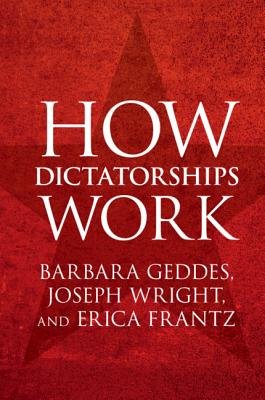
How Dictatorships Work: Power, Personalization, and Collapse by Joseph Wright, Barbara Geddes, and Erica Frantz delves into the inner workings of autocracy and the key elements of creating an authoritarian landscape. Examining the achievement and loss of power in post-World War II dictatorships, this book goes into the collected data of around 200 dictatorial regimes and the political processes involved to compel dictators. Providing insight into the standard practices of dictatorship, these authors offer perspectives on specific countries and the foreign responses that come with autocracies. Wright, Geddes, and Frantz understand that the knowledge of past dictatorships and the events that led to these rises in power will help readers better understand the monopolization of power within a government that can lead to oppressive political landscapes.
Fascism – How to Lose a Country: The 7 Steps from Democracy to Fascism
Fascism is a mass political movement emphasizing the supremacy of a nation in the event of extreme nationalism and militarism. This movement diminishes individuals’ rights and ignores constitutional law while also calling for the overthrow of the systems established to fuel a new political agenda. Fascist leaders like Mussolini and Hitler were able to rise to power due to their countries’ liberal decay. Once they were in their positions, they could appoint other government officials who would follow them and their commands.
The term fascism has been brought up a lot when it comes to the Trump presidency, and it is essential to understand how we are using the word, as its use plays a vital part in how we progress into the next era. Vice President Kamala Harris had publicly called Trump a fascist, claiming that the people don’t want “president of the United States who admires dictators and is a fascist.” Trump is known to mention famous fascists like Hitler, even openly claiming that Hitler “did some good things.” While his nonchalant bravado about his comments claims to have no meaning, it is important to note that presidents should not be able to make comments towards fascism without being questioned about their political agenda.
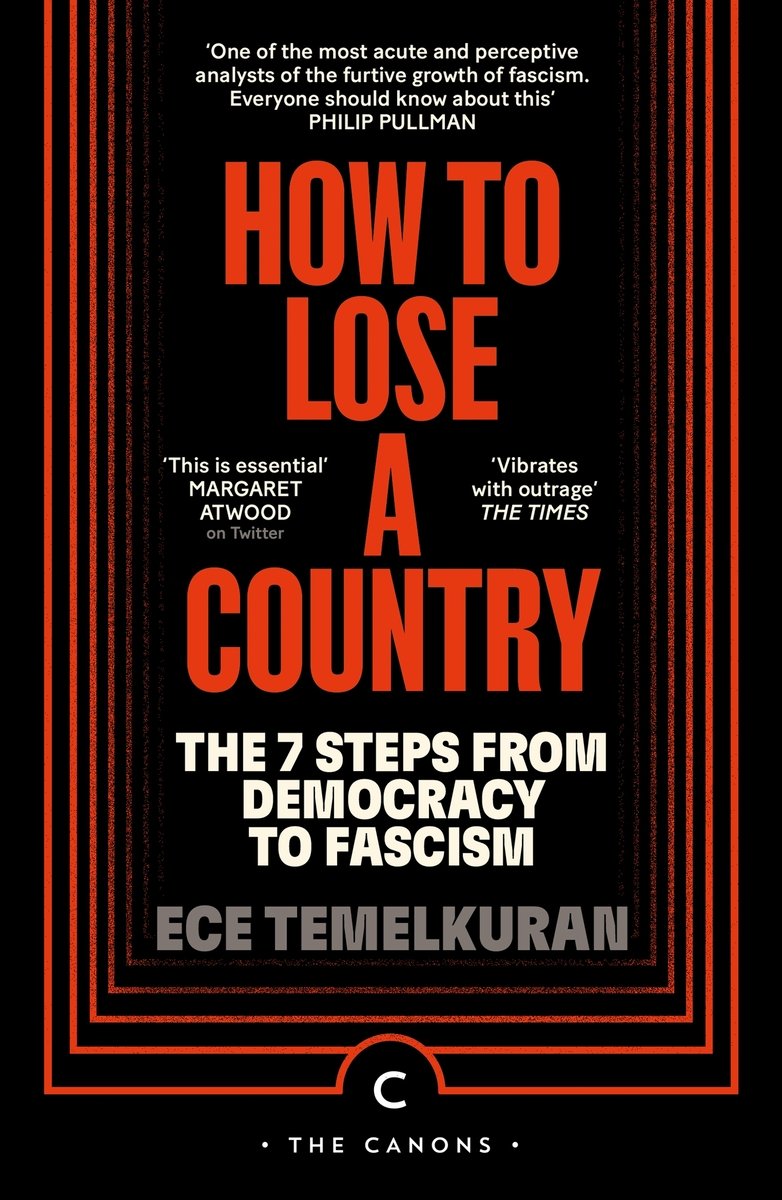
How to Lose a Country: The 7 Steps from Democracy to Fascism by Ece Temelkuran is a commentary on populism and nationalism that can creep into nations without citizens realizing it if they are unaware of the signs. Following fascism across Eastern Europe to South America, our author identifies the early warning signs and examines historical instances that have led to a rise in the phenomenon. Temelkuran is an award-winning author and journalist who weaves memoir, history, and argumentative insight to educate and warn readers of the dangers that come with fascism and the work that goes into it, so we can have the ability to acknowledge its presence and take action. Her perspective gives an eye-opening account of the damage of political illusions and calls for readers’ engagement to stand up against oppressive governments in the face of modern-day dictators.
Genocide – Genocide: Revised and Expanded Edition
Genocide is the act of intentionally committing national, ethnic, racial, and/or religious cleansing against a group of people. It became an international crime under the Convention on the Prevention and Punishment of the Crime of Genocide in 1948 after the fall of Hitler. The Nazi party targeted several groups including the Jewish, homosexuals, Jehovah’s Witnesses, people with disabilities, Black people, and anyone accused of disobedience and resistance in Germany because even when the intention may seem to go after one group, no one is truly safe when it comes to the genocide of people. Genocides occur without processes, and even the slightest suspicion of being othered can leave people at risk of being targeted. Genocide can be categorized by the killings, bodily and mental harm, and the transfer of children that occurs towards groups of people in an attempt to wipe out their population.
The U.S. has been put on a genocide watch since the election of President Trump, as many of the speeches and acts he has been committing have contained genocidal rhetoric that is alarming historians. He has been targeting undocumented immigrants, especially those from Mexico, creating targeted hate that is dividing the country. His campaign for deportations has increased as he made a deal with the president of El Salvador, Nayib Bukele, to send immigrants to a maximum-security prison. He claims to be sending “convicted criminals,” yet the deportations are occurring without due process and resulting in innocent men losing contact with the outside world. American citizens are also being sent to these prisons, and despite these mistakes, Trump’s administration refuses to bring them back. The beginning of detention centers, displacements, and wrongful imprisonments is reminiscent of what we have seen in history before, with the Japanese-American internment camps and concentration camps during WWII.
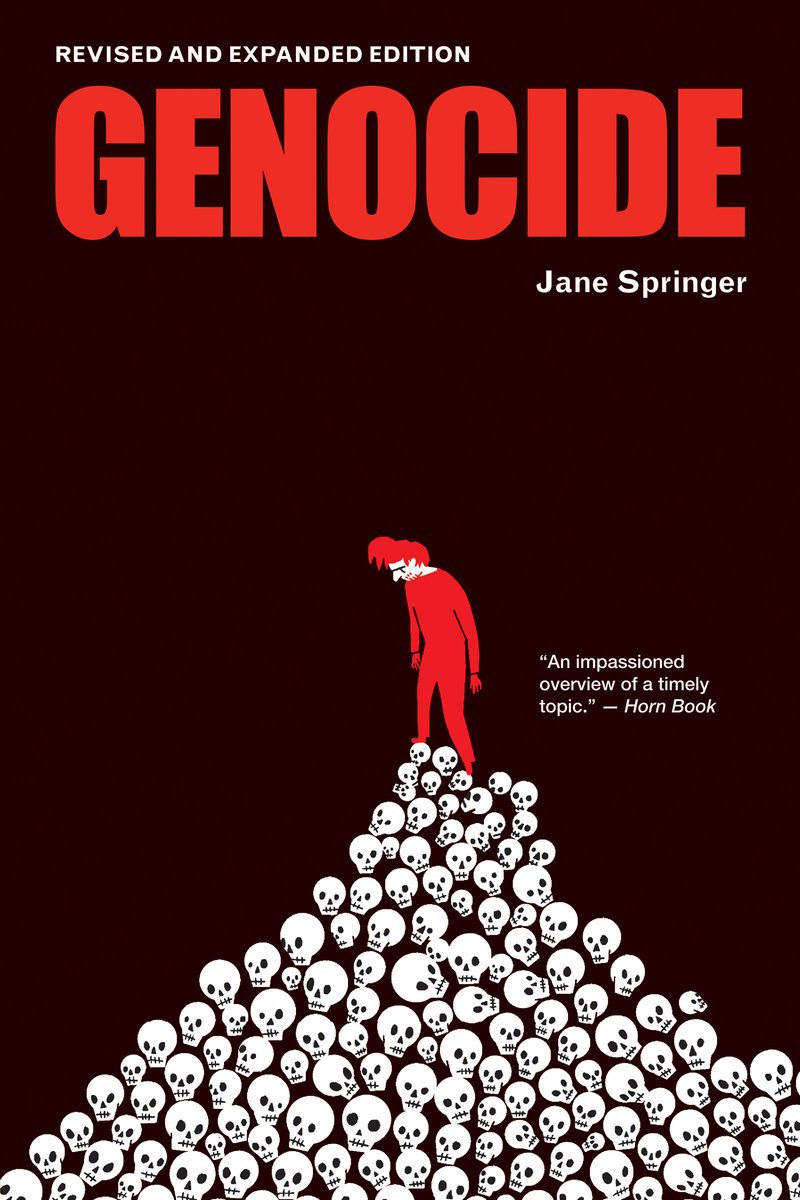
Genocide: Revised and Expanded Edition by Jane Springer provides an overview of the history of genocide worldwide and its presence in our modern-day world. Naming genocides of groups such as Indigenous peoples, the Uyghurs in China, and the mass killing happening in wars like those in Ukraine and the Middle East, this book offers an extensive history of the ethnic cleansings that have occurred. Everything is questioned when it comes to what has happened before, and what we can do now in our attempts to end this constant cycle of genocide. Springer delves into the term genocide and the conversations around it, along with the reasons why individuals, governments, and nations continue to turn to denial when the topic of genocide is brought up in the present moment. This book offers a myriad of resources with definitions, maps, timelines, historical context, and facts to help readers understand everything they are about to witness and learn how to use their knowledge from the reading.
Control Over Free Speech – Perilous Times: Free Speech in Wartime: From the Sedition Act of 1798 to the War on Terrorism
Control over free speech goes against our constitutional rights, as the First Amendment states that we have a right to exercise free speech and no law can be made to oppose it. Attempts to control free speech have been seen throughout history worldwide due to the power of language and its ability to dismantle power structures. Protest, public speeches, and writing are all forms where people may speak freely about their acceptance and opposition towards everything this world offers. Standing up against tyranny should not lead to arrest, and yet people are continuously being taken due to their outspoken natures.
In February of 2025, President Trump announced he would handpick which media outlets were allowed to be part of the presidential press pool. This announcement broke decades of traditions that allowed the media to have an advantage of unbiased coverage. It goes against the independence of a free press and creates a disadvantage for citizens, as the president’s administration controls the media. On April 14, 2025, Mohsen Mahdawi, a Columbia University student and Palestinian activist, was detained during his citizenship interview by Immigration and Customs Enforcement. This violated his First Amendment rights, and he was taken without due process. He was in custody for two weeks before his release, where he directed his speech towards President Trump, saying, “I am not afraid of you.” He is one of many people targeted by the Trump administration for their outspoken views opposing the president, and he certainly will not be the last.

Perilous Times: Free Speech in Wartime: From the Sedition Act of 1798 to the War on Terrorism by Geoffrey R. Stone investigates the violations of the First Amendment and civil liberties in the U.S. Going through six historical periods, this book examines the people who influenced this course of history and offers legal and historical insight into the ramification of the denial of free speech. When civil liberties are being put at risk, all citizens suffer, and democracy is put at risk, but we must be able to point out when our rights are being tested so we can know when to fight against the oppressor. With photographs, illustrations, and factual information on the subject, readers are given a conversation into the effects of limiting free speech and its place in our modern day. Stone’s investigation is insightful and brings an eye-opening perspective into how people in positions of power subtly attempt to control narratives with the excuse of being for the betterment of the nation.
History and literature are some of the biggest tools we have when fighting against dictatorships and the displacement of communities. We have a right to live, and we have the right to protest when positions of power are abused. By knowing our history and understanding the effects of power, we can become resources of change that will ultimately disband the harmful political climates we find ourselves in. Our right to education is under attack because of how effective it can be to know what we face. We are always in a position where we can learn more, and by taking advantage, we can understand the signs of oppression and learn how to fight against it.
To find more books on immigration click here.
For more nonfiction book recommendations check out our Non-Fiction Titles for the Enlightened Mind bookshelf on Bookshop.org.
