













Trigger Warning: This article discusses eating disorders, mental health, and perceptions of body image. Please exercise personal care when reading.
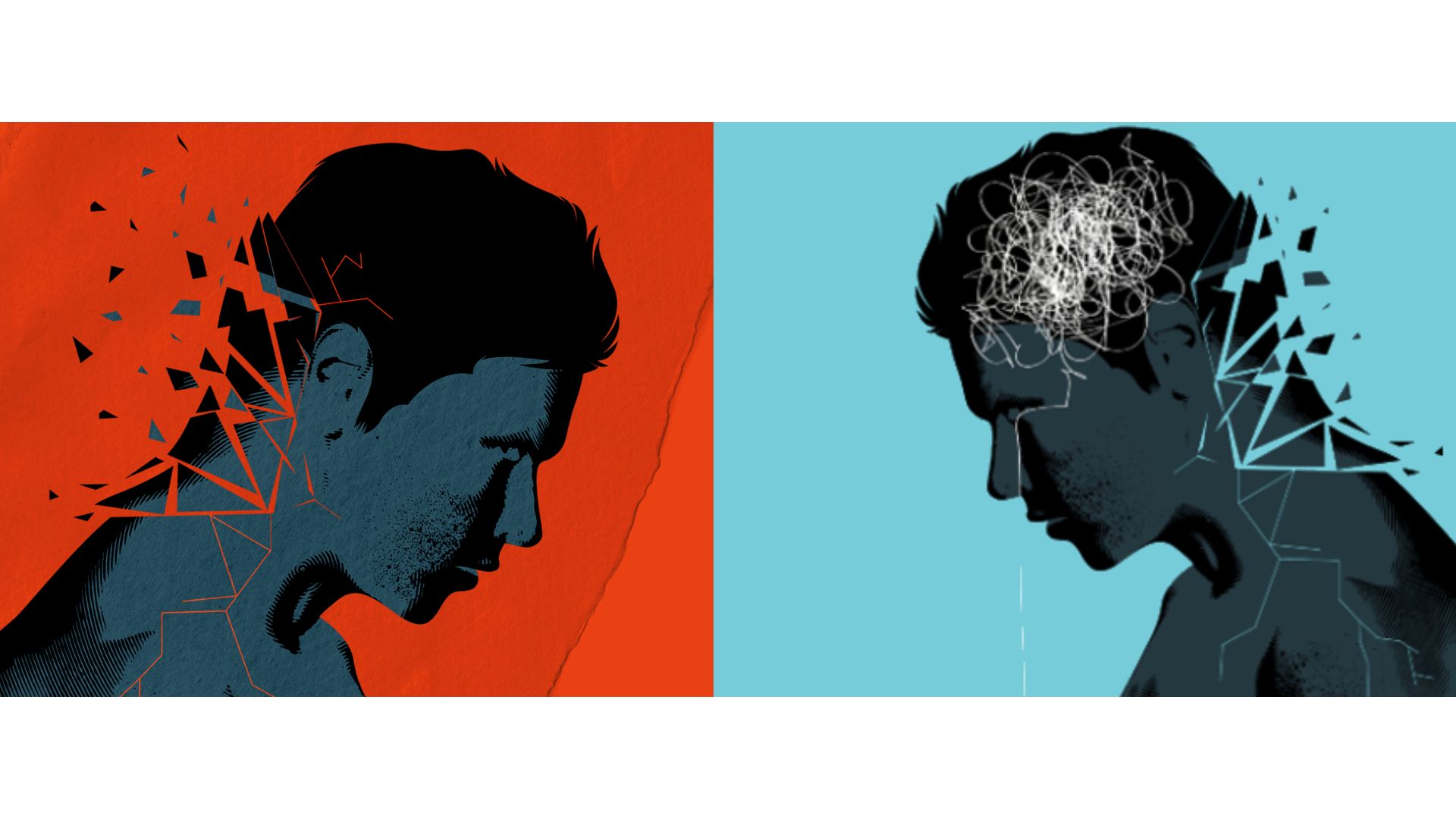
Friendships have a profound impact on our lives, and when we lose them, it feels as though a lifeline to happiness and freedom is severed. For myself, and many other men, losing those we trust can be devastating. Yet too often, men face this pain in silence, battling through it without emotional support. Each of us may have our own coping strategies to “ease” the silence, but in truth, they tend to run out sooner or later. How do I know? I’ve felt this firsthand, even to this day. In this article, I’ll explore how friendships shape men’s lives and share a personal reflection on my own journey through loss and the struggle with this silent pain.
A Silent Battle
Losing a close friend or going through a painful breakup can be an excruciating experience. For many men, this pain can feel even worse when faced alone. Mental health becomes fragile in these moments, deteriorating over time like a broken clock, endlessly ticking but never quite working right. Men in particular often face these crises in silence, driven by a social stigma that undermines the importance of their emotional struggles. There’s a pervasive idea that men should be strong, capable, and resilient, like robots immune to pain. This stereotype of masculinity encourages men to suppress their feelings, as if vulnerability is a weakness.
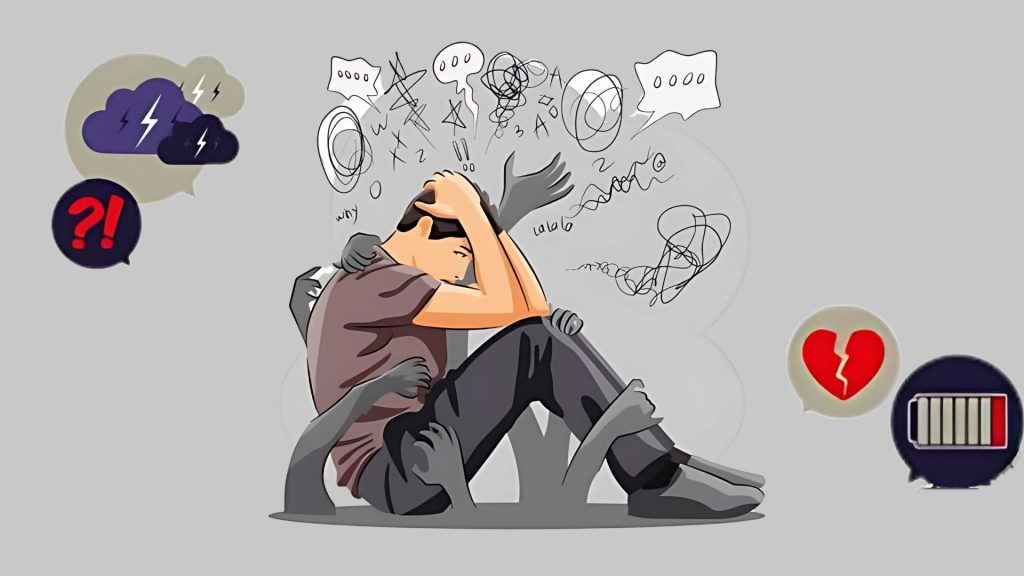
But this “tough it out” mentality is a façade — a protective shield that only hides deeper, unresolved pain. Growing up, I’d been taught to mask my emotions, to hide my struggles so others wouldn’t see my pain. I used to believe that if I kept my trauma buried, it wouldn’t affect those around me. I thought by shielding others from my own hurt, I was doing the right thing. But the truth is, repressing these emotions only leads to isolation and confusion.
I’ve tried to put others first, always striving to help those in need, but deep down, I’ve been carrying my own pain in silence. It’s a constant battle between wanting to protect others from what I’ve been through and the overwhelming need to heal. It’s a struggle many men face but rarely talk about.
The Missing Piece
Much of the mental health struggle stems from the lack of strong support networks. Many men, myself included, find it incredibly hard to lean on others for help, fearing judgment or rejection. There have been times when I felt completely broken, alone, and unsure of who to turn to, what direction to go in, or who I could trust. This inner conflict, a storm of uncertainty and isolation, tore me apart. It left me emotionally lost, questioning my worth, and sinking into a mental trap of hopelessness. In those dark moments, I lacked the one thing that could’ve made all the difference — support.
But life would’ve been so much darker without my brother. His unwavering support, guidance, and presence have pulled me from the brink more times than I can count. Whether it was after falling out with friends, losing connections, or feeling trapped in my own struggles, he’s always been there. Honestly, if he weren’t in my corner, I don’t know where I’d be today. That bond, that brotherhood, carries something deep and unspoken — a vulnerability tied to purpose. His guidance has shown me the way, turning the darkness into something I could push through. Through every trial, he’s been my anchor.
Real World Calamity
There have been countless times when, lacking that essential support network, I’ve found myself lost in despair, teetering on the edge of hopelessness. For many men, this feeling is not uncommon, yet it often goes unnoticed until it reaches a breaking point. Social media has only amplified this struggle, presenting a picture-perfect illusion of life — seemingly flawless relationships, bodies, and happiness. But behind these images lies a hollow reality, a mask for deeper, unspoken truths.
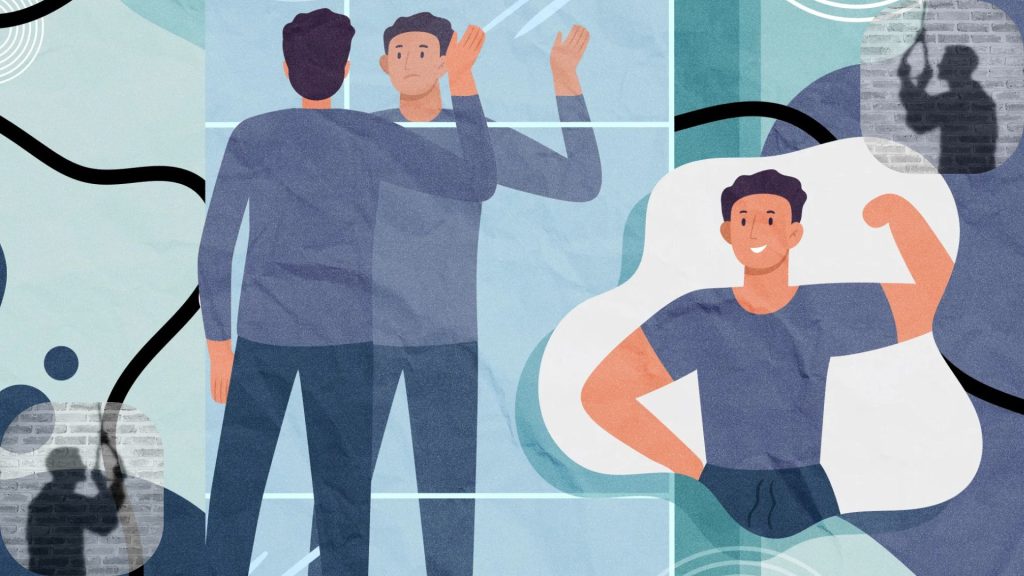
The statistics are a simple reminder of this underlying crisis. Men make up 50% of the population, yet they account for 80% of suicides. Even more so, 16% of men report feeling lonely all the time, and men today have fewer close friends than they did 30 years ago. This growing isolation can have devastating consequences, from the mental toll of feelings of worthlessness and hopelessness to physical effects like cardiovascular problems, dementia, and, tragically, suicide.
From real-world struggles to distorted perceptions shaped by social media, it’s clear how vital friendships and support networks are to our mental, emotional, and even physical well-being. Reflecting on my own journey, I’m still learning what connection truly means and how deeply its absence has shaped me.
If I could offer any advice to someone feeling alone or suicidal, it’s this: it’s okay to ask for help. Whether that’s reaching out to a therapist, messaging an old friend, or even trying something new like volunteering — you never know who you might meet or how one conversation could change everything.
But please, don’t surrender your life, and don’t try to mask the pain with destructive escapes like sex, drugs, alcohol, or crime. They don’t heal the emptiness — they deepen it, leaving behind more regret and despair. So don’t be afraid. I’m still on this path myself. Writing this and opening up was terrifying, but if it helps even one person feel seen, heard, or less alone — then it’s all been worth it.
To feel safe at all times is a basic human right; let’s work to make this world physically and mentally safe for everyone. If you or someone you know is battling with mental health-related distress, we urge you to be kind and hold space for them, and contact the 988 Suicide and Crisis Lifeline (confidential, free, available 24/7/365).
Call or text 988
Chat at 988lifeline.org
European RNCE +44 (0)141 331 4180
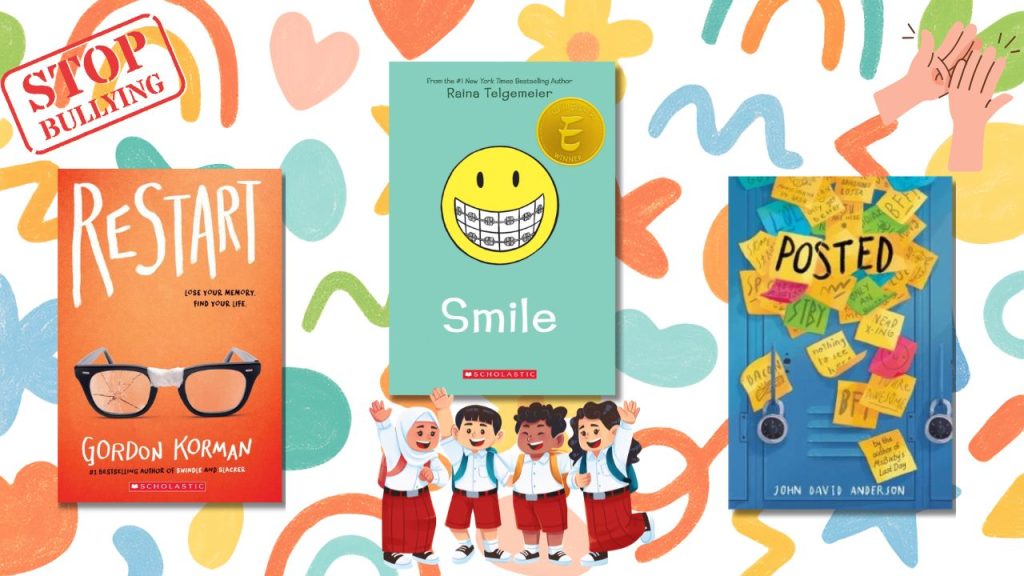
Dive into these interactive reads to better understand and explore mental health!
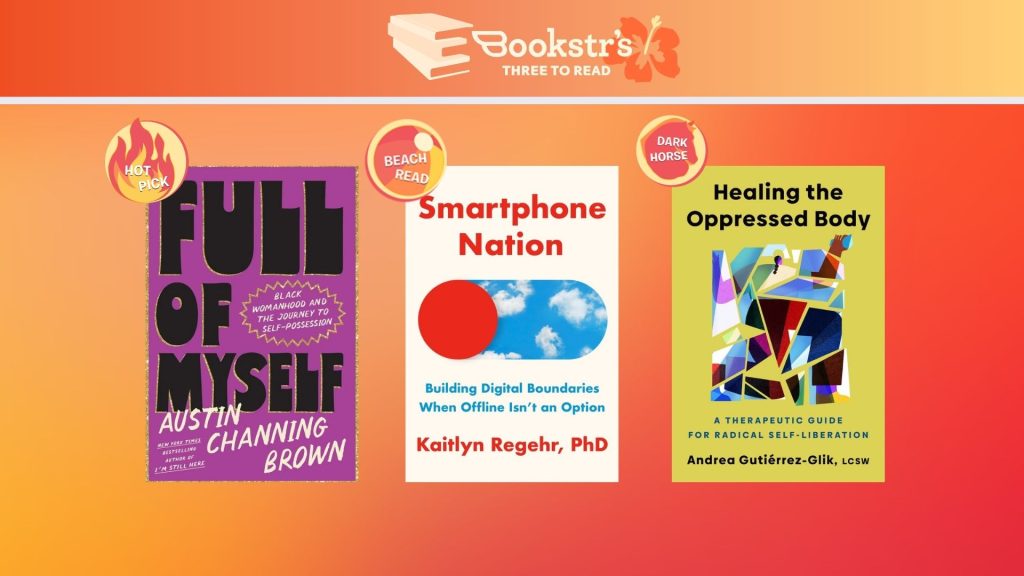
Celebrate the power of friendship — check out this recommended bookshelf, available now on Bookshop!