


















Trigger Warning: This article contains mentions of homophobia. Please exercise personal care while reading.
Perhaps no character archetype has fallen further from its original intention than the Fop. Translated to “fool,” the Fop was a popular comedic character in early English literature, arguably reaching its peak during the 1600s. In the current era, most people think of Fops in relation to gay-coded characters (mostly villains) in movies and TV. But this homophobic reskin of the Fop is a modern invention that has nothing to do with the archetype’s origins. This begs the question: how did the Fop make such an extreme leap?
What Is a Fop, Really?
The Fop began, like many archetypes do, as a form of biting social commentary. Restoration Comedy was a genre of theatre performed between 1660 and 1700, primarily in England. These plays poked fun at the materialistic bourgeois class and carried explicit sexual themes. Many of these productions revolved around rakish characters attempting to hide their sexual affairs, young women angling to take agency in their love lives, and the wacky hijinks that inevitably followed these exploits. Dialogue was fast-paced and cheeky to reflect the chaos in the characters’ lives.
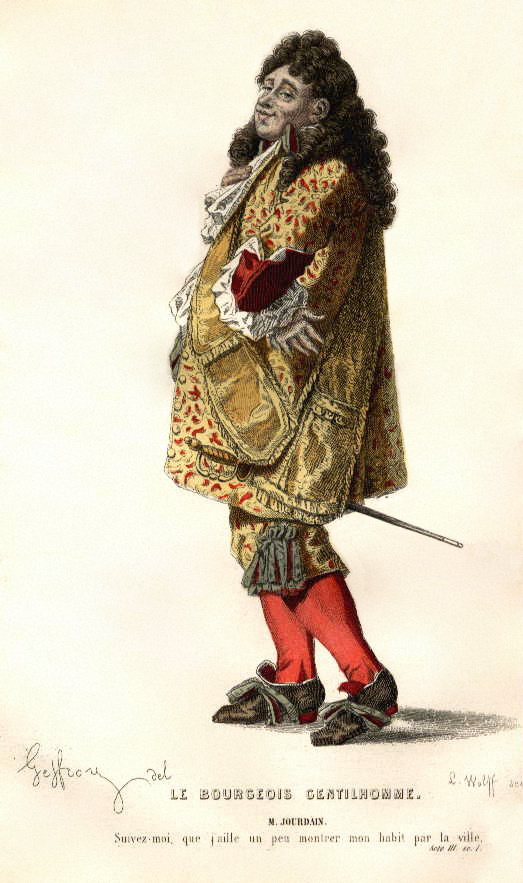
Restoration Comedies were reactionary to the Puritan era that came immediately before them. Theatre had been banned for 18 years under the Puritans, and audiences were hungry for entertainment, specifically something to laugh about. This is where the Fop comes in.
Perhaps the most comedic archetype within these plays, the Fop was a direct critique of the vanity of the upper class. Fops were men who were borderline obsessed with their appearance, taking extra care to have their coats and wigs just-so. Within the scripts, they are concerned more with adoration than they are with the important plot happening around them. As such, they are more often comic relief side characters in the story, rather than main leads.
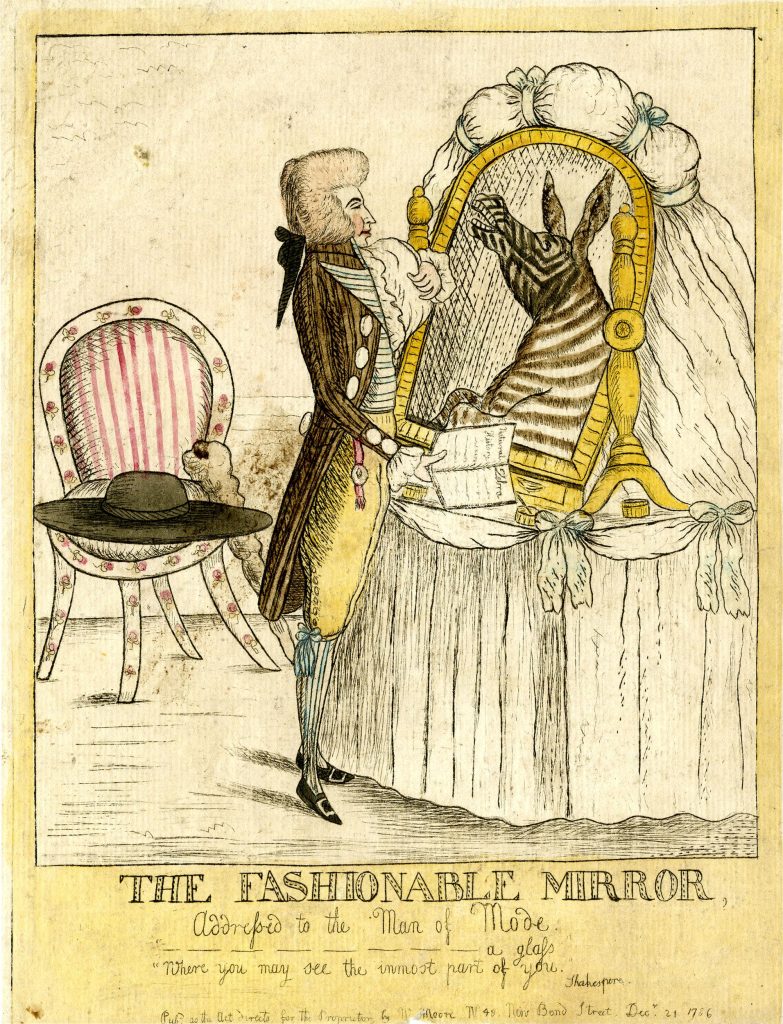
The original intention of this character was in no way an attack against the gay community. Instead, Fops have much more in common with influencer characters on screen, which are used to critique the vapid social media-obsessed crowd of today. Like influencer characters, Fops were a way to comment on the phenomenon of rewarding materialistic behavior. By casting them in an aura of ridicule, the playwrights were showing how hollow these people truly were.
The Fop as a Villain
Though the Fop was mostly used as comic relief, he was occasionally cast in the role of antagonist. The most notable example of this is the character Lord Foppington in John Vanbrugh’s play, The Relapse, or Virtue in Danger.
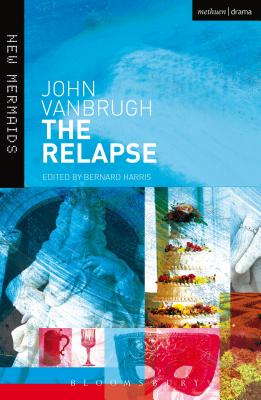
The Relapse was a sequel to Colley Cibber’s earlier play Love’s Last Shift, or the Fool in Fashion. The original play featured Lord Foppington (originally named Sir Novelty Fashion) as a minor character who flirts with the women while ultimately being more interested in his own appearance and cleverness. In The Relapse, Sir Novelty’s character is expanded to a main role. He spends the story scheming to marry a woman for her large dowry in order to fund his extravagant lifestyle. When he is tricked out of the match, Sir Novelty buys a title, becoming Lord Foppington, in order to rise to a higher status that would save him from further humiliation.
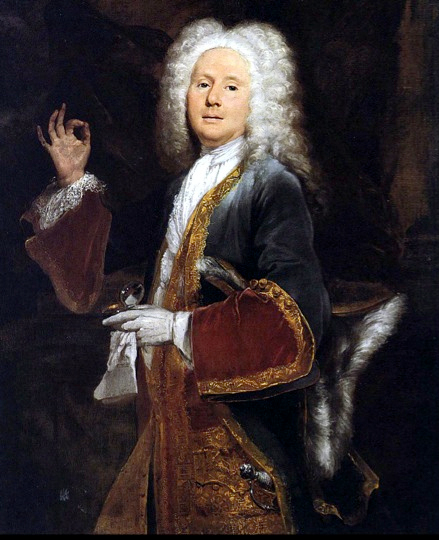
Here, the Fop is shown to be inherently selfish. Lord Foppington was only interested in marriage for how it could benefit him monetarily, and he schemed to maintain his lavish existence above all else. Ultimately, his villainy comes from his insidious manipulation of society and disregard for the lives of others. So, how did this smart critique of social mores get twisted into a form of homophobic shorthand?
Film Enters the Conversation
The gay-coded Fop villain emerged during the early days of film as a consequence of the Hays Code. In practice, between 1934 and 1968, the Hays Code was imposed by Hollywood as an attempt to regulate material being shown on screen. Among the list of outlawed content was sexual perversion, which at the time, included homosexuality. In order to get around these restrictions, filmmakers created characters with stereotypically effeminate mannerisms so they could comment on queerness without explicitly stating that the characters were gay. Unfortunately, the prejudice of the time relegated most of these characters to villain status.
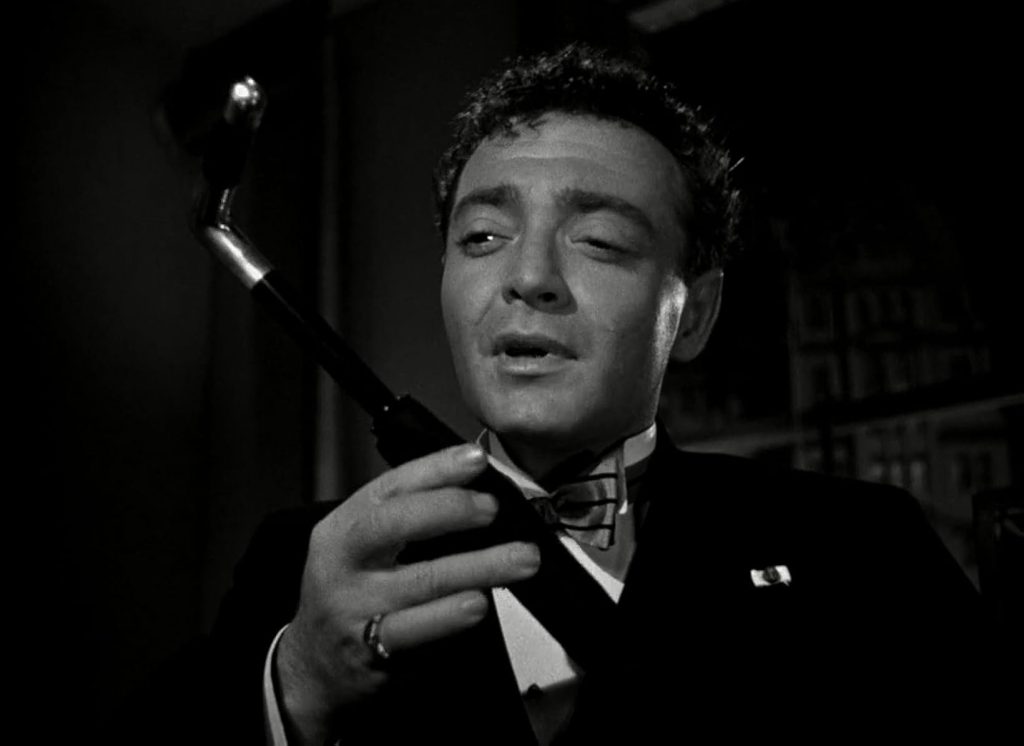
A famous character from this era was Joel Cairo from the 1941 film The Maltese Falcon. Cairo is a shady man with effeminate manners and impeccable dress. Much like the Fop, Cairo wears tailored suits and looks out for himself above all else. However, his behavior, especially when it comes to fashion, was no longer a commentary on high society. By this point in history, the stereotype of the fastidious, fashion-obsessed gay man was prevalent in culture. Audiences were meant to distrust Cairo simply because he lacked traditional markers of masculinity.
It should be noted that in the novel, Joel Cairo is referred to as queer within the text and said to be heavily perfumed. In this case, his foppish qualities and his gay identity are implied to be inseparable from one another.
Bringing the Fop Into Animation
Toward the end of the Hays Code, the gay-coded Fop villain found a home in the world of children’s animation. Disney was particularly fond of this stereotype, and we see it in many of their films.
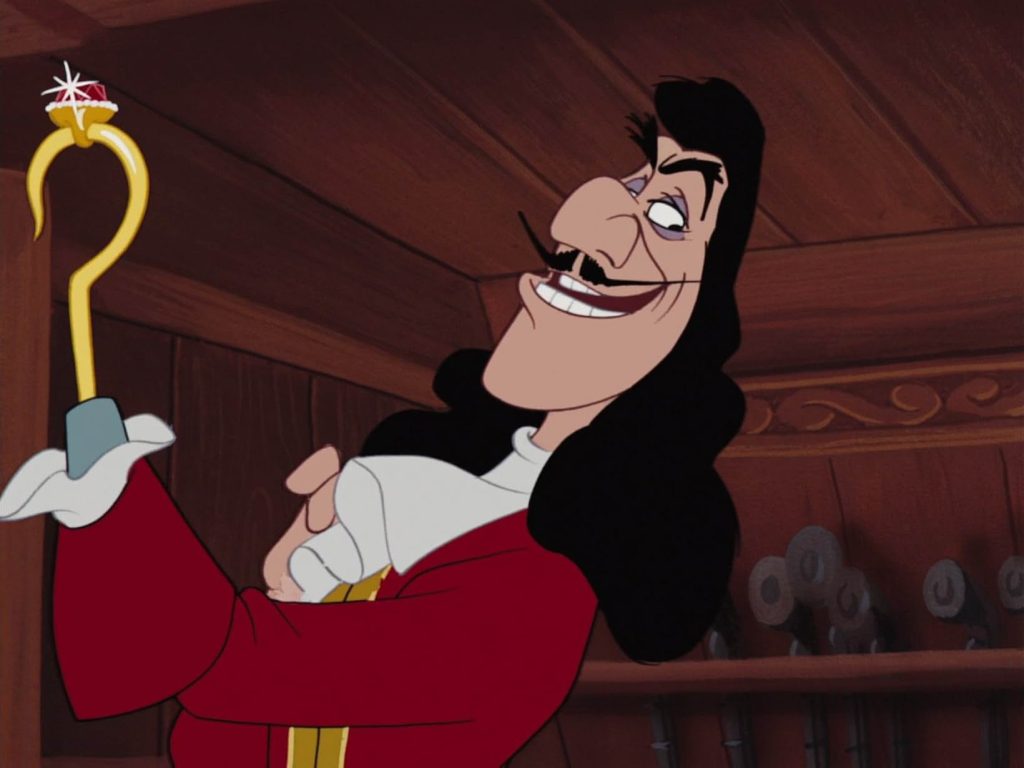
One notable example is Captain Hook from Peter Pan. Hook presents all the usual characteristics of the Fop, down to the exact dress of the men of the Restoration era. The homophobic gay stereotyping appears in other aspects of the character: Captain Hook screams in an effeminate fashion when faced with danger, and he has a quasi-sexual dynamic with his boatswain, Smee. Coupled with this is his obsession with time and aging, an inclination that is most often attributed to women, not men.
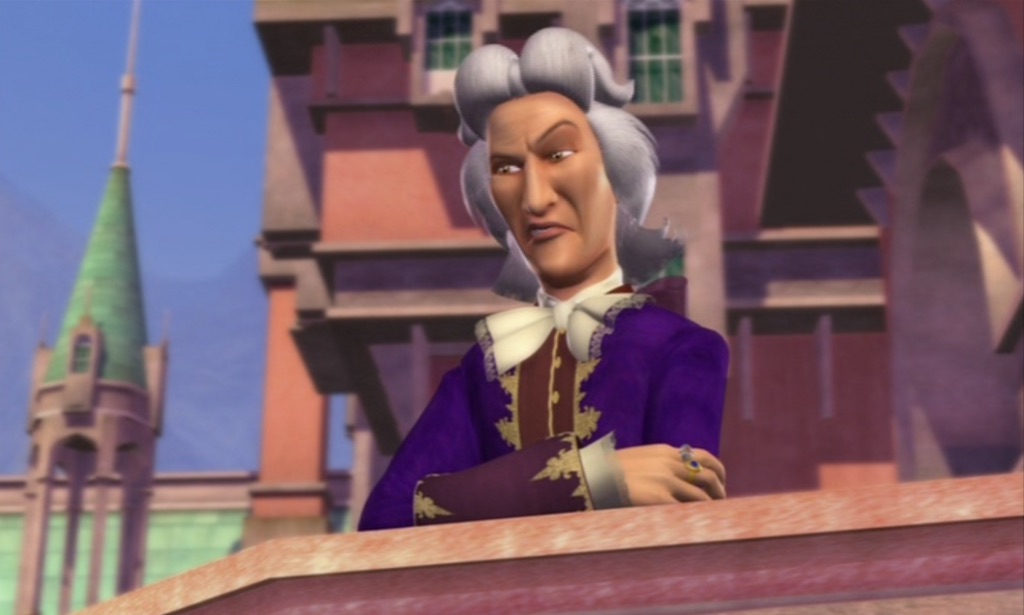
Gay-coded fop villains are also common features of early Barbie films. In Barbie as the Princess and the Pauper, the villain Preminger has a lot of parallels to the aforementioned Lord Foppington. Preminger steals money from the kingdom and plots to marry into the royal family for his own selfish gain. In him, we also see the later addition of gay stereotyping via effeminate mannerisms. The film also makes it explicitly clear that Preminger has no attraction for either of the women he attempts to marry.
Why Study the Fop?
The most concerning part of the Fop’s journey from social critique to homophobic stereotype is how this archetype invaded children’s media. Gay-coded villains are popular in children’s movies because they are perceived to be a way to make a character both non-threatening and unlikable at the same time. By perpetuating this stereotype, we are teaching children that behavior typically associated with gay men is inherently insidious and untrustworthy. This encourages that prejudice within young viewers, where overtime, it will likely manifest into targeted hatred towards the queer community. The best way to combat bigotry is to learn where it comes from.
The Fop’s fall from grace doesn’t mean we can’t enjoy its original characterization. The Fop of Restoration Comedies is witty, hilarious, and a proper clown. His appearance in the story automatically livens the plot and is a large part of why these plays are still produced today. It’s unfortunate that such a smart, captivating archetype was twisted into a tool for homophobic stereotyping.
For a look at positive LGBTQIA+ representations on the screen, click here.
Visit our Bookstr Trivia bookshelf on Bookshop to satiate your curiosity.
