













Regarding Japanese authors, the name of Haruki Murakami is on the top of the list. With his first publication released in 1979, his stories have been shared internationally while receiving critical acclaim. The common motif that resonates with his tales is an element of magical realism, blending surreal elements with the mundane reality of everyday life. Due to his popularity, a selection of his works have been translated into film.
In today’s article, I will provide you with Murakami’s film adaptions, in chronological order.
Hear the Song of the Wind (1981)
The earliest film adaptation from Murakami’s works is based off of one of his novels with a similar title, Hear the Wind Sing — which was the first in The Rat Series. The movie is classified as a Japanese-spoken drama. It depicts the main character’s journey back home for the summer, where he reunites with his old friend, Rat, and also meets a mysterious woman.

Tony Takitani (2004)
This drama was featured as a favorite at the Sundance Film Festival, as the nominee in the category of World Cinema. The film also received two wins at the Locarno Film Festival. The narrative follows the title character, Tony Takitani, who leads a mundane life focused on his studies in art school. Later as an adult, his world is turned upside down after meeting his love, Eiko, who possesses an unhealthy obsession with high fashion.

Norwegian Wood (2010)
As possibly Murakami’s most famous novel, the movie was also quite successful, earning best film at the Sydney Film Festival, along with multiple nominations at different international ceremonies. Classified as a dramatic romance, the plot revolves around Toru, who grows attached to two women, one being his late friend’s girlfriend.

Burning (2018)
Murakami has a history of writing multiple short stories, and this film is based on one of those. Inspired by “Barn Burning” from the collection The Elephant Vanishes, this dramatic mystery thriller took home the award for Best International Film at the Academy of Science Fiction, Fantasy, and Horror Films. In the film, Lee Jong-Su is cat-sitting for his secret crush, Shin Hae-mi, while she travels to Africa. But when she returns with a guy named Ben, strange things begin to transpire.

Hanalei Bay (2018)
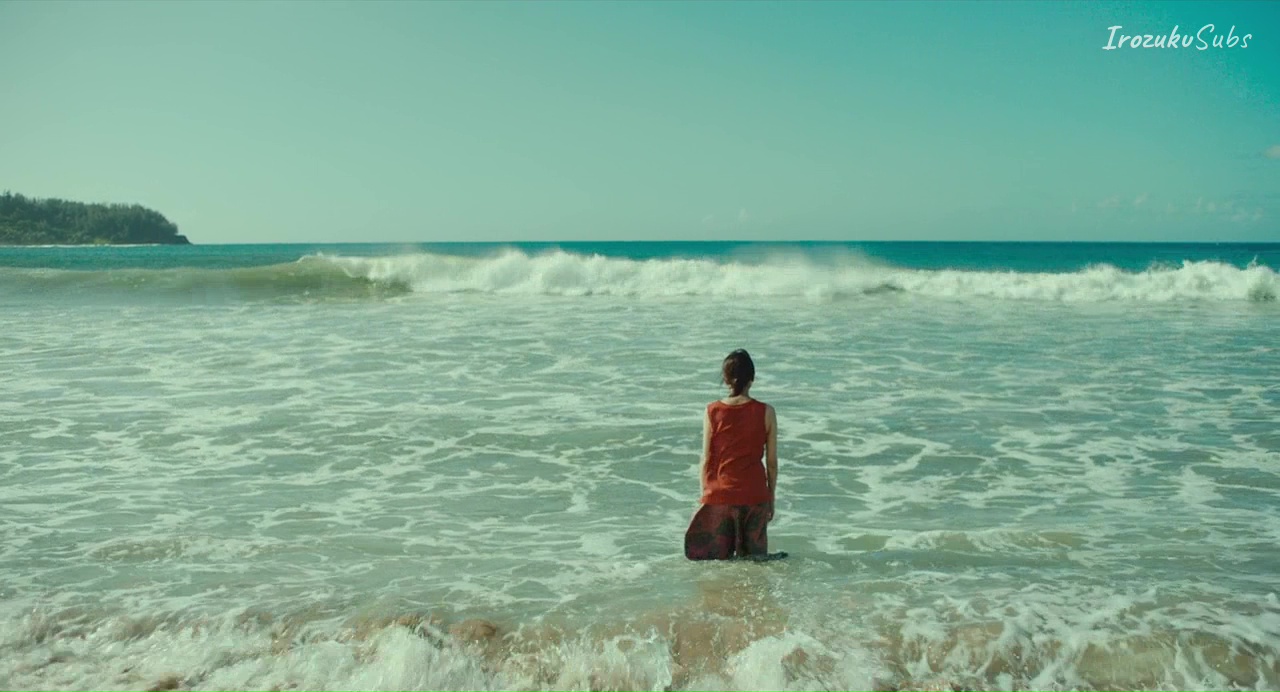
Also based on one of Murakami’s story stories, Hanalei Bay from Blind Willow, Sleeping Woman: Stories, this drama follows the tragic aftermath of the death of Sachi’s son, Takashi, after a shark attack.
Drive My Car (2021)
As the most critically acclaimed film on this list, Drive My Car was the Oscar winner for Best International Feature Film, along with 96 wins and 109 nominations from a variety of other ceremonies. This film is also based on one of Murakami’s short stories — this one in particular is inspired by Drive My Car from Men Without Women: Stories. This drama features actor and director, Yusuke Kafuku, who takes on the production of Uncle Vanya in Hiroshima, after the death of his wife.

Discovering new films is always fun and interesting! Especially with international films, movies give the audience a new perspective of the world. While reading also achieves this task, sometimes we need this visual experience to understand the narrative.
If you want to read more works from Haruki Murakami, check out our past article 7 Sensational Haruki Murakami Works that You Should Read.
For more book to film suggestions, here is our Book to Screen Adaptations for Your Viewing and Reading Pleasure bookshelf!