



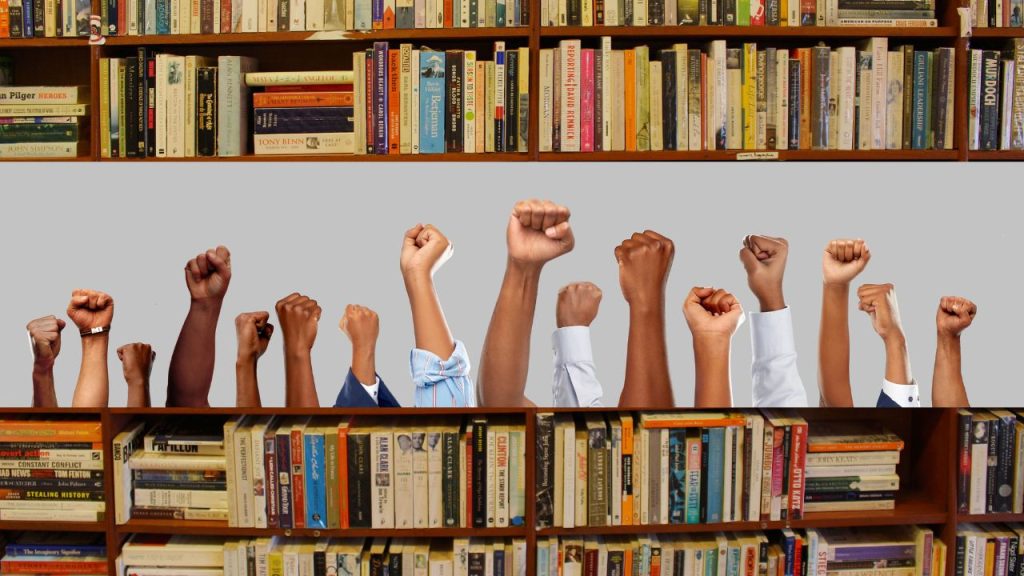












The work of librarians is overlooked. These individuals are dismissed as quiet service members of our society. Most people probably think their job is, simply put, scan books and put them away. This rhetoric has led to a universal misunderstanding of the real work of librarians. Outside of their commonly known practice of cataloging and organizing reading material, librarians are trained in archiving.
The First Librarians
For ages, libraries have been home to culturally significant history that librarians have protected and preserved. This has been an ongoing practice for centuries. At the first library, a structure in Iraq, clay tablets were used to detail the history of agriculture, civilization, and religion of the area. These clay tablets were the original way to hold history — great and significant moments in civilization captured in impressions in clay. These tablets needed protection so that generations down the line would be able to reflect on the findings of the people who had passed. Where did communities keep these tablets? In libraries.

The biggest example — and quickest to come to mind — is the Library of Alexandria. The Library of Alexandria was the greatest collection of archived materials and cultural records. At the height of the library, it is estimated that it held anywhere between 40,000 to 400,000 scrolls and materials. These records were kept and preserved by the first librarians. Thus, the start of librarians and their curation of cultural heritage and material began.
What is Cultural Heritage?
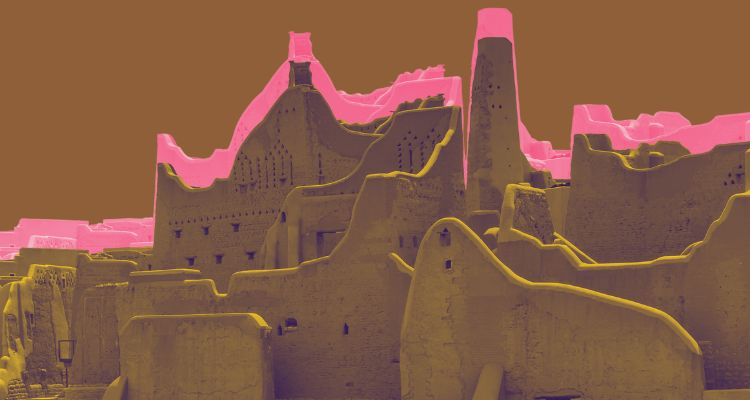
As defined by UNESCO, cultural heritage “includes artifacts, monuments, a group of buildings and sites, museums that have a diversity of values including symbolic, historic, artistic, aesthetic, ethnological or anthropological, scientific, and social significance.” This heritage can be both tangible and intangible artifacts that relate to or are significant in a specific culture.
Continuing Work Outside of the Library

Just as the role of librarians expanded to preserve this type of history, their role broadened outside of libraries as well. When we think of modern-day librarians, we think of our local public library or possibly even present-day all-encompassing libraries, like The Library of Congress or the New York Public Library. These monoliths of knowledge have long been pillars of incredible education and cataloged materials. They boast huge archives of great stories and digests. However, librarians now work outside of libraries, continuing their roles as quiet protectors.
Types of Librarians
Like societal misconceptions surrounding the role of librarians, there is also a misunderstanding of the singularity in librarian titles. Librarians work in more than just libraries themselves. In addition to the traditional image of a librarian that comes to mind — public librarians, school librarians, college librarians — there are many more that act outside of these environments.

There are technical librarians, research librarians, law librarians, film librarians, and special librarians — all with the same intention of aiding information, protecting archives, and encouraging education. This all boils down to the conservation, and oftentimes, protection of information: history.
Librarians now also work in museums. Beyond books and writings that need preservation, librarians may also now protect physical artifacts that hold cultural significance. This act requires that librarians be knowledgeable about the building and material altogether. Rooms for preservation must be kept at a certain temperature, certain page material has to be handled differently than others, records must be digitized, records must be maintained. All of this is to preserve history for the people of today and tomorrow.

Culture doesn’t hold a one-time usage; it’s a continuous act of education for those involved and those that seek to learn more about others around them. Culture holds tradition, hope, and love for communities. Cultural heritage is essential to continued practices, education, and recognition of the past. Librarians hold these truths to better their work and continue their efforts to bring forth the memories of the past that inform the traditions of the present.
Want to read more about history? Read Bookstr’s article The Romantic History of the Fascinating Qixi Festival.
Need a new addition to your bookshelf? Check out our bookshelf Thoughtprovoking Novels About Womanhood.