
















The Qixi festival is all about romantic love, and it’s celebrated in China and other east Asian countries like Japan, Vietnam, and Korea. It’s an ancient festival that has still upheld some of its traditions and popularity, both among couples and single people. Read on to learn about this sweet holiday.
What is the Qixi Festival?
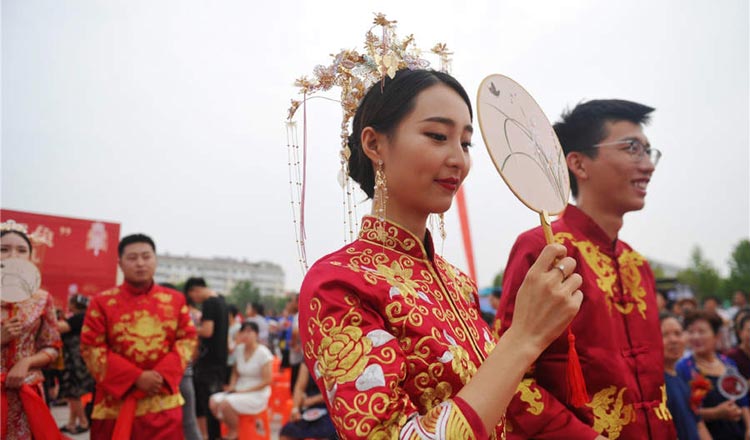
The festival is celebrated on the seventh day of the seventh lunar month in the Chinese calendar. It has also spawned festivals in other countries, like Tanabata in Japan and Chilseok in Korea. It’s based on the Chinese myth of Zhinü and Niulang, the cowherd and weaver girl. This day also goes by other names, such as Chinese Valentine’s Day, the Double Seventh Festival, and Seventh Sunset Festival.
The Cowherd and the Weaver Girl
There are variations of this tale, but the basics remain the same. Niulang, a young cowherd, stole the clothes of seven fairy sisters, who were bathing in a lake. The fairies then sent Zhinü, the youngest and most beautiful, to retrieve them. Niulang asked Zhinü to marry him, and as he had already seen her naked, she agreed. They were happily married with two children, until the Goddess of Heaven discovered their union. She forced Zhinü to return, leaving her husband and children behind.
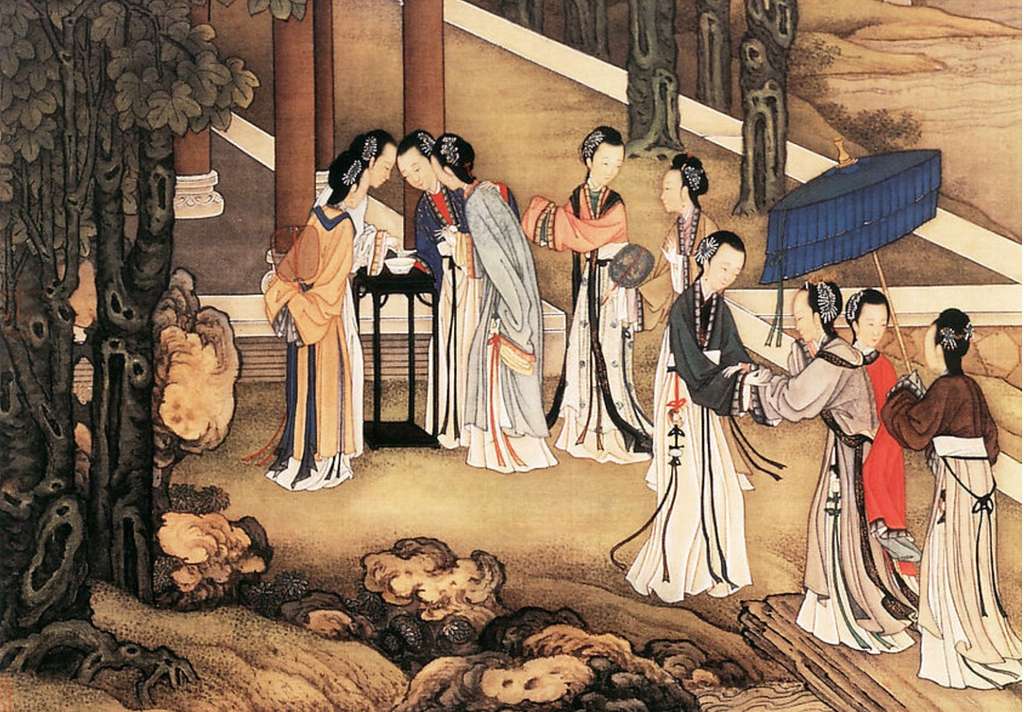
Niulang’s ox told him that if he killed him and wore his hide, he would be allowed to go to heaven. Nulang did so, taking their children along with him, but the goddess was furious when she discovered him. She took out her hairpin and scratched a river between the lovers, forming the Milky Way. Now, Zhinü has to sit on one side and weave her loom, while Niulang sits on the other, caring for their children. But, once every year, all the magpies in the world take pity on them and come together to form a bridge so that the lovers can be together again, if only for one night, on the seventh night of the seventh moon.
To learn more about the legend in more detail, read The Qixi Festival – The Cowherd and the Weaver Girl.
Traditions
This holiday isn’t an official one in China anymore, but couples still celebrate it. Some of the traditions include women wearing the hanfu — traditional clothes worn by Han Chinese people — and praying to Zhinu. Single women usually prayed for a good spouse, and newly married women prayed to have children. Traditions vary depending on region, but these seem to be common across the country.
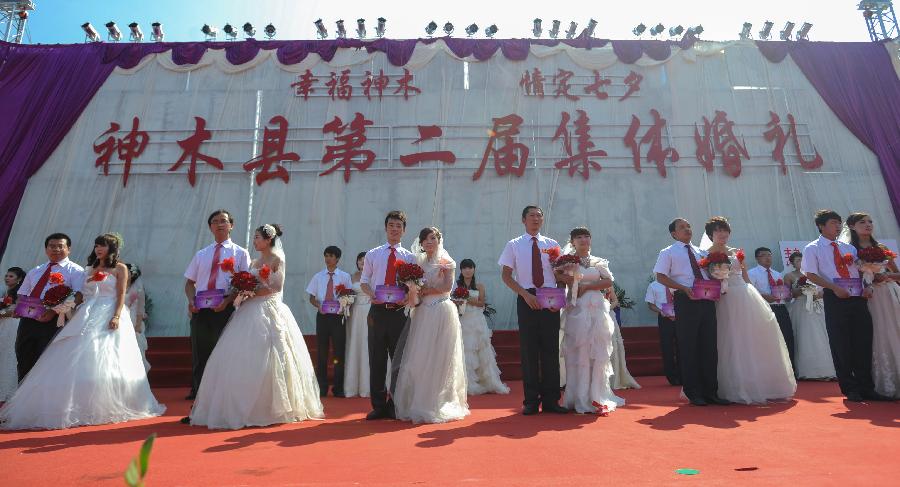
Only a few traditions remain now. The holiday has become commercialized, and there is more emphasis on couples spending time together rather than old traditions. Regardless of how it’s celebrated — both by couples and by singletons — it’s a day to celebrate love, particularly romantic love.
This festival has been around for more than 2,000 years, and despite all the changes it has undergone, it shows no signs of stopping.
Click here for an article on the traditional Chinese Dragon Boat Festival.
Check out our Bookstr Team Recs shelf on Bookstr’s Bookshop page.