








We all know the 1937 Disney version of Snow White and everyone likely knows that it was based on a tale by the Brothers Grimm. The tales are actually quite similar, though it’s understandable that Disney changed parts of it to be more child-friendly. The Brothers Grimm wrote many dark tales and you can learn more about this one below.
The Brothers Grimm
Clemens Brentano was a famous German folklorist and he was introduced to Jacob and Wilhelm Grimm in 1806. He wanted them to help him gather stories from other Germans and publish them. They asked all kinds of people, from poor soldiers to lower-class aristocracy, to write down their stories. In 1810, they had forty-nine stories, including “Snow White” and “Sleeping Beauty,” and sent them to Brentano.
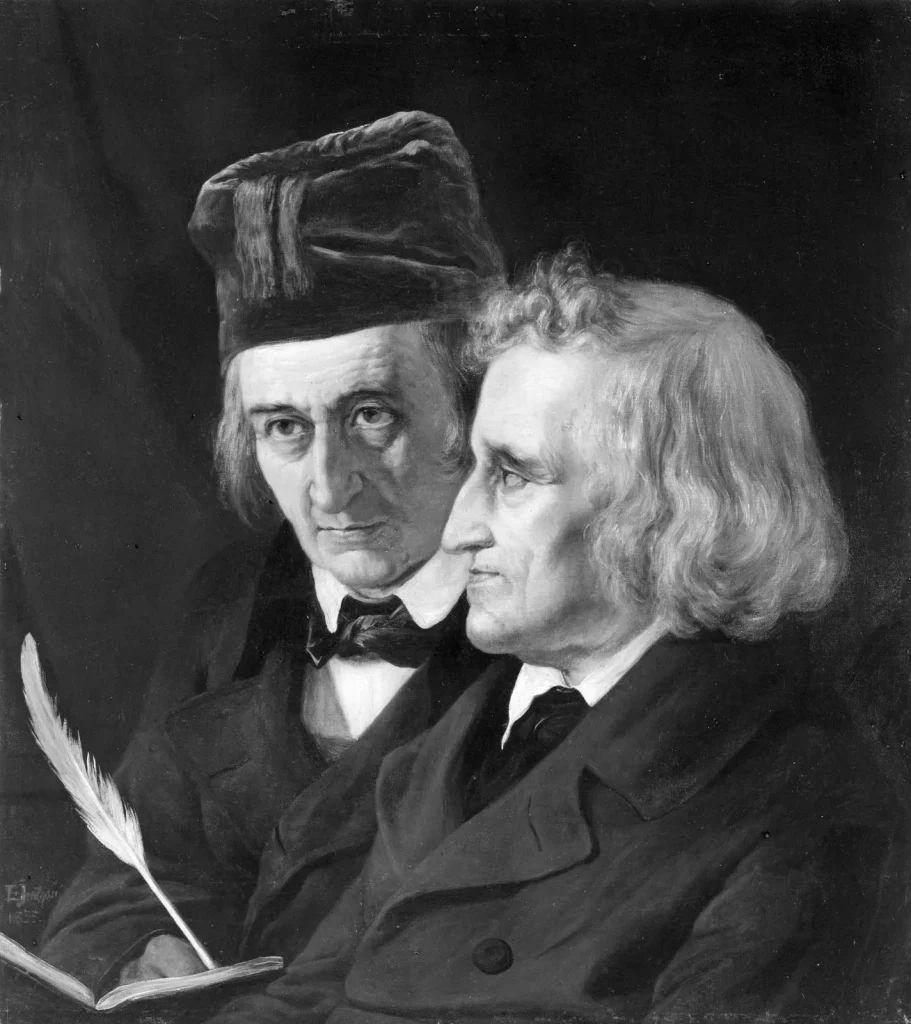
By 1812, Brentano hadn’t published them. The brothers were scholars as well as writers. They also made copies of the stories and then published them. They didn’t call them fairy tales, but Kinder- und Hausmärchen which translates to Children’s and Household Tales. They continued to adjust and tweak their stories over a few decades based on different versions of the tales they got from strangers, acquaintances, and others.
Possible Inspiration
It’s possible that the story was based on a real woman, Countess Margarete von Waldeck of Bavaria, who died in 1554. Philip II of Spain had pursued her for her famous beauty, but their relationship was rocky, and it’s suspected that she died from poisoning at 21. She also had a poor relationship with her stepmother, though it’s unclear if she had anything to do with the countess’ death.
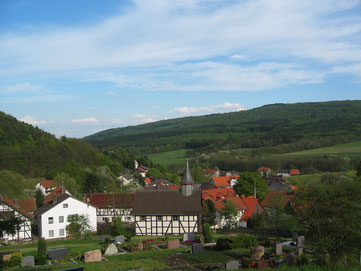
The dwarves may also have real-life inspiration from children who worked in copper mines that the countess’ father owned in the village of Bergfreiheit. They suffered from malnutrition and had terrible working conditions, which also stunted their growth. Also, much like the dwarves, the children shared single-room houses. Villagers believe this is true and they even call their village Schneewittchendorf, which means Snow White Village.
Little Snow-White Editions
There are several versions of this story, but the ones we’ll discuss are the first and last editions: one published in 1812, and another in 1857. There are a few big differences between the two — for example, the 1812 version has the queen as Snow White’s birth mother rather than her stepmother as in the 1857 version — but the premise remains the same.
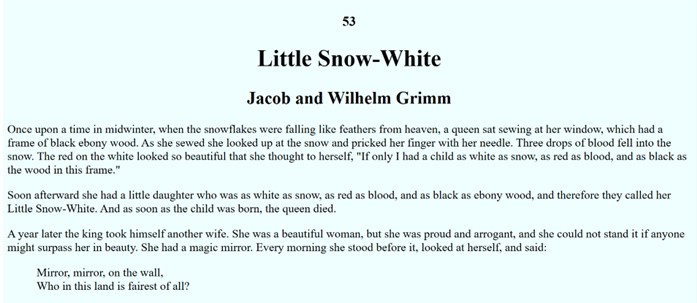
The 1857 version is also about 400 words longer. There are more descriptions and the queen’s wickedness is expanded upon. It’s unknown who sent in this version or the others, nor do we know how much the Brothers Grimm changed it before updating the story. However, we do know that it became the backbone for future adaptations, from stageplays to movies to books.
Disturbing Writing
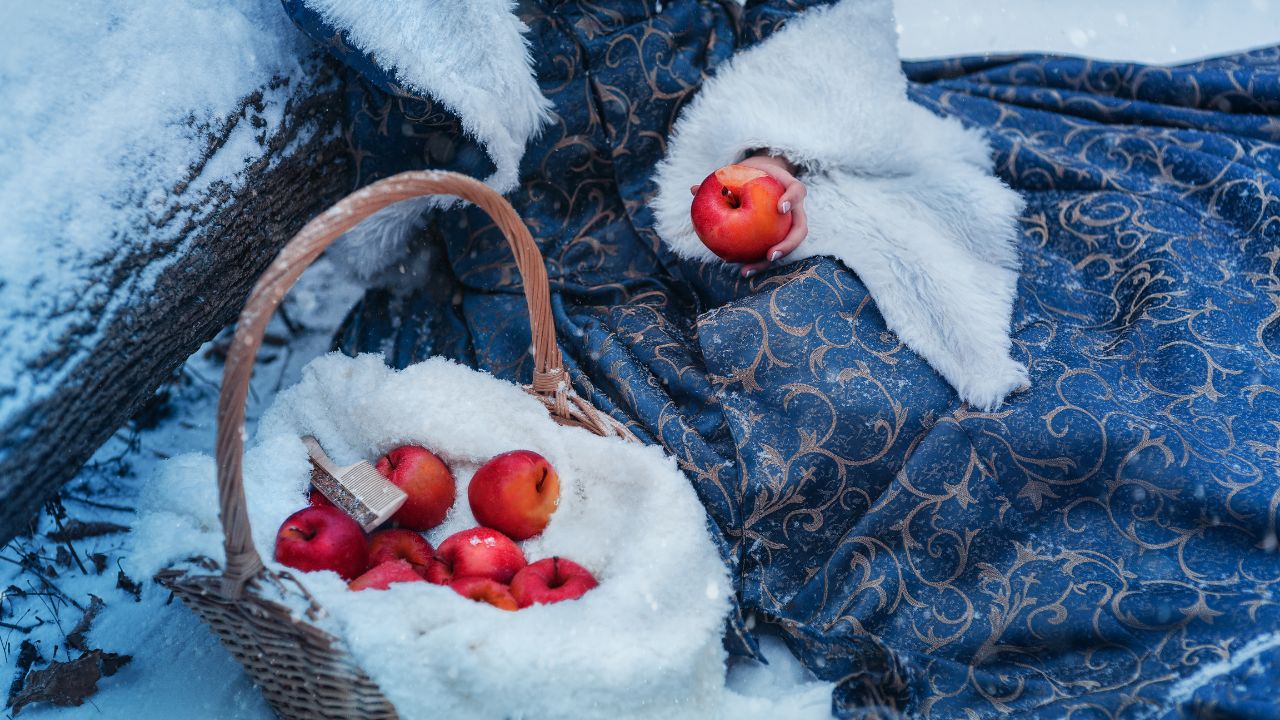
The stories have a more detailed and sinister feel than any adaptation. There are several mentions of violence: the queen tries to kill her by winding bodice lace around her tightly, using a poisoned comb, and then finally the apple, all while in disguise; she demands the huntsman stab her to death and then bring organs back as proof, and for her to eat; and in the end, the queen has to wear red-hot shoes and dance until she dies.

It’s certainly not as family-friendly as the Disney version we’re all familiar with, but its dark themes address real issues. The queen’s obsession with beauty is one, as she is willing to kill her daughter — who is still a child — because a magic mirror says she’s more beautiful. Not to mention the prince, who falls in love with her unconscious body and begs the dwarves to sell her to him so he can take her back to the palace with him. There’s no true love’s kiss here, but it’s still creepy.
Everyone, including children, should read the original versions of this tale and others — when at an appropriate age, of course.
Click here for an article about four Snow White retellings.
Check out our Classics shelf on Bookshop!