

















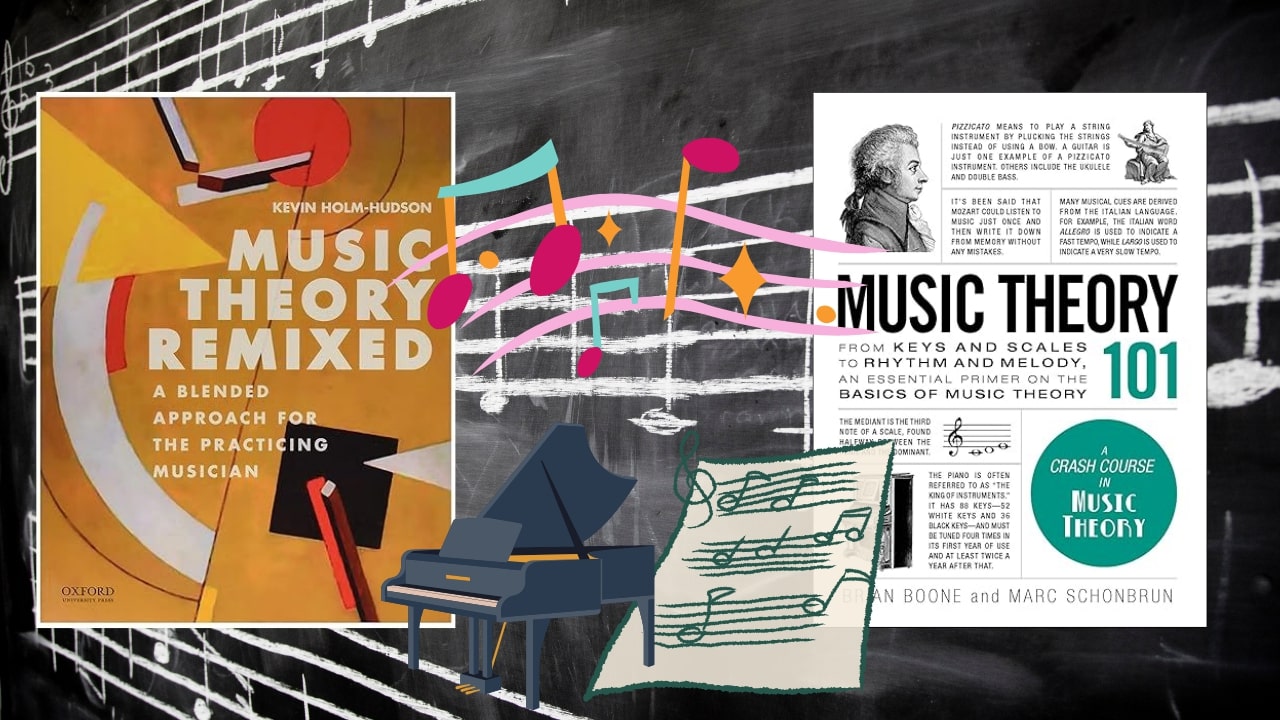
Music is a powerful force. It brings people together, forges emotional connections, and can be an outlet to explore and discover oneself. Whether you’re looking to make music yourself or simply seeking to enhance your appreciation of the art form, music theory can be a great thing to read about. These seven books will help you explore the fundamentals of music, ranging from notes, rhythm, melody, and more. I’ve sorted them by difficulty level to ensure you’ll find the perfect book for you!
For Beginners
Music Theory 101 by Brian Boone and Marc Schonbrun

Part of the Adams 101 series, this book gives you a beginner-friendly and accessible look into the fundamentals of music theory. It will teach you how to read sheet music, how scales and chords are formed, what the different time signatures are, and everything else a novice needs to know. It also provides readers with a glimpse into music history, improving your cultural understanding of the art form as a whole.
Music Theory for Dummies by Michael Pilhofer and Holly Day
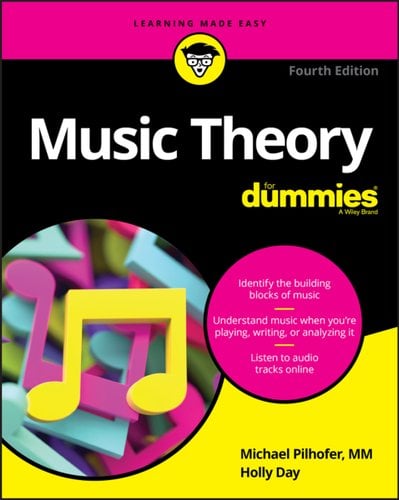
This essential and comprehensible book is perfect for complete beginners in music theory. It breaks down the language into easy-to-understand language and provides a more general overview of the key components of theory. It aims to help you understand how music works as quickly as possible, whether you want to write your own music or just further your ability to read and understand it.
For the Casual Musician
Music Theory for Non-Music Majors by Peter Spencer
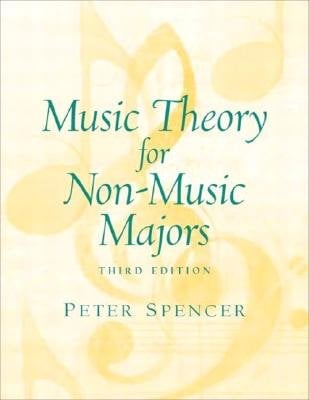
A lot of music theory books you’ll find are intended for intense study. They can be overwhelming for someone who isn’t a total newbie yet has a more casual interest in music. This guide nicely bridges that gap. It’s intended for someone who wants to deepen their understanding of music through a study of theory but isn’t seriously considering playing or making music professionally. To help you practically learn the information, each section has an exercise that will teach you to apply your newfound knowledge.
Harmony and Theory: A Comprehensive Source for All Musicians by Keith Wyatt and Carl Schroeder

This teaching text is from the Musicians Institute’s renowned Harmony and Theory class. It has comprehensive lessons on everything you need to understand music theory, from the basics to more advanced skills. It gets at the very core of how music works. The text is organized like a workbook, making it exceptional for practical application. The authors try to make it as understandable as possible, giving you a grasp of important topics in a nutshell.
For Serious Musicians
Tonal Harmony by Stefan Kostka, Dorothy Payne, and Bryan Almén

This instructive and comprehensive music theory textbook is meant for a two-year study. It has everything from voice leading to enharmonic modulations. While complete beginners may find it difficult, those with a background in music will find the guide to be a useful and in-depth text. It’s heavily focused on 20th-century music, so if you’re looking for something a bit more classical or a bit more modern, another book may be best for you. The length may be chunky and intimidating, but it will teach you everything you need to know!
Music in Theory and Practice by Bruce Benward and Marilyn Saker
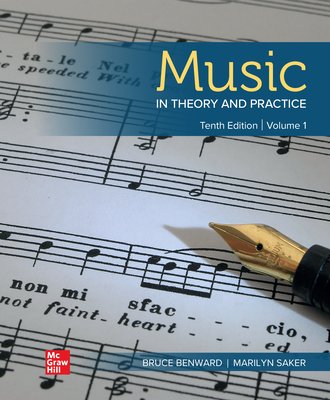
Intended for those studying music theory at the college level, this guide strives to encourage intuition, technique, and insight. The program seeks to be as practical as possible, with exercises to enhance one’s understanding. Containing two volumes, it won’t leave a single stone unturned in your study of music theory. It discusses form using musical examples from across the ages.
Music Theory Remixed by Kevin Holm-Hudson

This theory analyzes music with real-world examples. It pulls from a repertoire of popular music across many genres, ranging from pop to techno. It will help you hone all the skills you need to comprehend music, like part-writing, score analysis, and historical classification. It also has a companion website for supplementary materials to enhance your learning.
Whether you’re a seasoned musician or a complete novice, these books are sure to hone your musical technique, comprehension, and appreciation. Music theory can be intimidating to delve into, but these guides will help you work through it. From intensive college-level studies to beginner guides, there is something here for every kind of student. After studying these texts, you’ll have a newfound appreciation for music and be equipped with the chops to begin writing music yourself.
To discover some novels perfect for classical music lovers, click here!
Want to learn something new? Shop some non-fiction reads here!
