







Stories have the power to make us feel seen. For queer readers, that kind of recognition can be life-changing. Whether it’s a sci-fi tale about androids on Mars or a slow-burn bookstore romance, the books we read help us understand who we are and who we want to be. The following stories are filled with characters discovering their identities, breaking out of boxes they were never meant to fit in, and learning that being different isn’t something to hide.
Trigger Warning: The books talked about in this article discuss homophobia, racism, and bullying. Please exercise personal care when reading.
Unboxing Libby by Steph Cherrywell
Unboxing Libby is a fun, middle-grade science fiction book about androids that were sent to test out Mars for humans. Noras are artistic, Wendys are brainiacs, and Libbys are cheerful and bubbly. When Max is unboxed, readers see her struggles with thoughts that go against her programming.
When Max befriends the “mean girl” Roxanne, despite having it “hard-coded into me”, they test the limits of their perfectly programmed A.I.Cademy. As Max seeks answers about why she is different from the other Libbies, more is uncovered in the idyllic Community 14.
“Don’t let what other people say about you define what you think about yourself.”
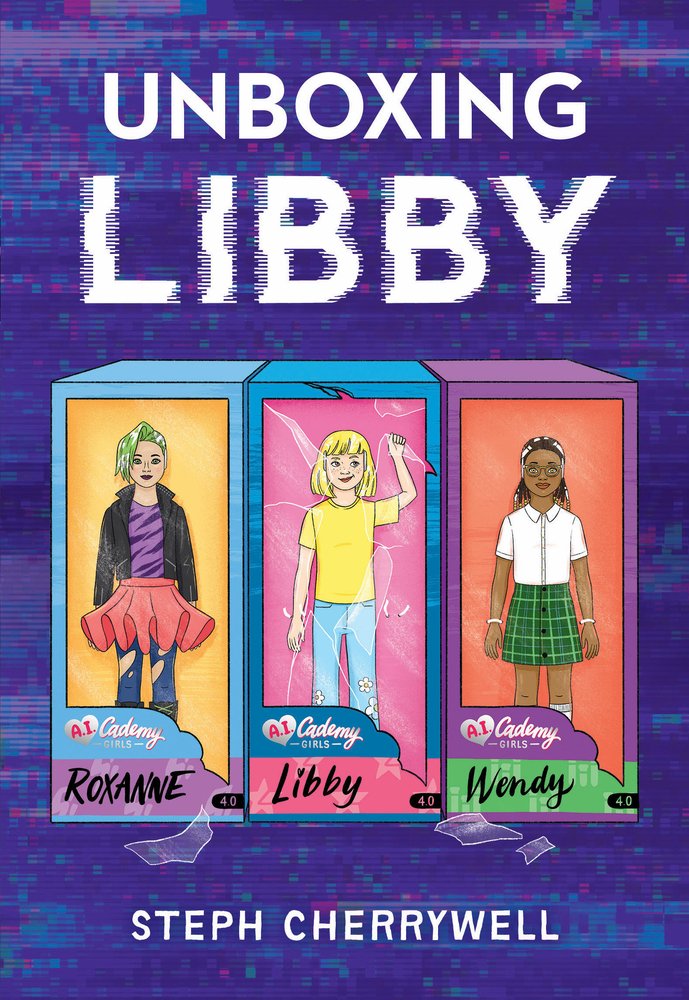
Enchantingly queer-coded, Unboxing Libby conveys that being different isn’t wrong. In an age where mass-produced individuality is common, messaging that relays it’s ok to stand out a little as long as you’re being true to yourself is always appreciated. Written by non-binary author Steph Cherrywell, readers can see the first-hand experience of finding where you belong in society shine through their book.
Traverse the Martian landscape with Max and Roxanne as they discover self-expression and learning who and what you stand for while you enjoy all the camaraderie that takes place along the way. While intended for middle-grade readers, this fun story has a unique take on identity that will make even the staunchest of readers smile a little more.
The Seven Husbands of Evelyn Hugo by Taylor Jenkins Reid
Evelyn Hugo, a movie star influenced by Marilyn Monroe and Elizabeth Taylor, comes to our main character, Monique, to have her autobiography written. As her story unfolds, readers learn a lot about her rise to fame and what she had to do to get there. Taylor Jenkins Reid does a marvelous job of showcasing this story with all the glitz and glamour I imagine old Hollywood to have.
This historical fiction book about Evelyn Hugo (and her seven husbands) is a great example of representation in many ways. Showcasing LGBTQ+ characters for the time this book retells would have been a scandalous act. It’s a story about identity, power, love, and what it costs to live your truth.
“People think that intimacy is about sex. But intimacy is about truth. When you realize you can tell someone your truth, when you can show yourself to them, when you stand in front of them bare and their response is ‘you’re safe with me’ – that’s intimacy.”

Even within the love story unfolding, there are modern elements that we, as a society, still struggle with today. Hatred and unacceptance of bisexuals within the queer community is still very real. Evelyn’s partners ignore the side of her that didn’t serve them, or even hate her for it, a painful reality that still happens in 2025.
The way I felt after reading this book was truly indescribable. I love Evelyn’s unapologetic boldness and the magnetic way she owned her story. I am heartbroken by the sacrifices she made and the love she lost. But most of all, I want to scream from the rooftops that everyone should read this book!
Giovanni’s Room by James Baldwin
This classic centers on David, a young American in Paris grappling with his expectations and desires. His father wishes he would settle down, marry, and conform, as he believes he is too old to be still searching for himself abroad. Restrained by a rigged society and engaged to Hella, readers find a deeply personal view into a man at war with his identity.
Consumed by passion and forbidden love, Giovanni’s Room provides an intimate look into the queer struggle of the 1950s. David and Giovanni’s love is real; their love is tender, electric, and heartbreaking. In Giovanni’s small room, David can be more himself than anywhere else. He is as burdened by their love as he is by the responsibilities and constraints of society. David must relinquish his true passion for Giovanni, sacrificing love to fit into the box his father made.
“The beast which Giovanni had awakened in me would never go to sleep again; but one day I would not be with Giovanni anymore, And would I then, like all the others, find myself turning and following all kinds of boys down God knows what dark avenues, into what dark places?”

As a writer, James Baldwin was advised by his publisher to “burn the book” for fear that the theme of homosexuality would alienate him from his Black audience. In many ways, this is a familiar example of racism in America. To his publisher, Baldwin was a Black man who could only tell about the Black experience. Thankfully, this book has many readers who resonate with James Baldwin, whether through their queer identity, Black identity, or intersection of the two.
Many analysts have called attention to its underlying themes of David’s closeted otherness reinterpreted from James Baldwin’s otherness of being a Black man in America. His portrayal of gay men and their desire to find love within their community connects to intersectional issues that Black men experience while navigating their identities in a world that often denies them complexity.
This is not just a gay romance, but a romance that puts the deep, complicated, and sometimes destructive force of love at the forefront. Baldwin writes with brutal honesty, capturing lust, shame, tenderness, and loneliness in ways that feel painfully human. This novel strips both its characters and its readers bare. You will find something of yourself in this book, even if it is not the part you want to hold up to a mirror. If you haven’t read it yet, Giovanni’s Room should be at the top of your TBR.
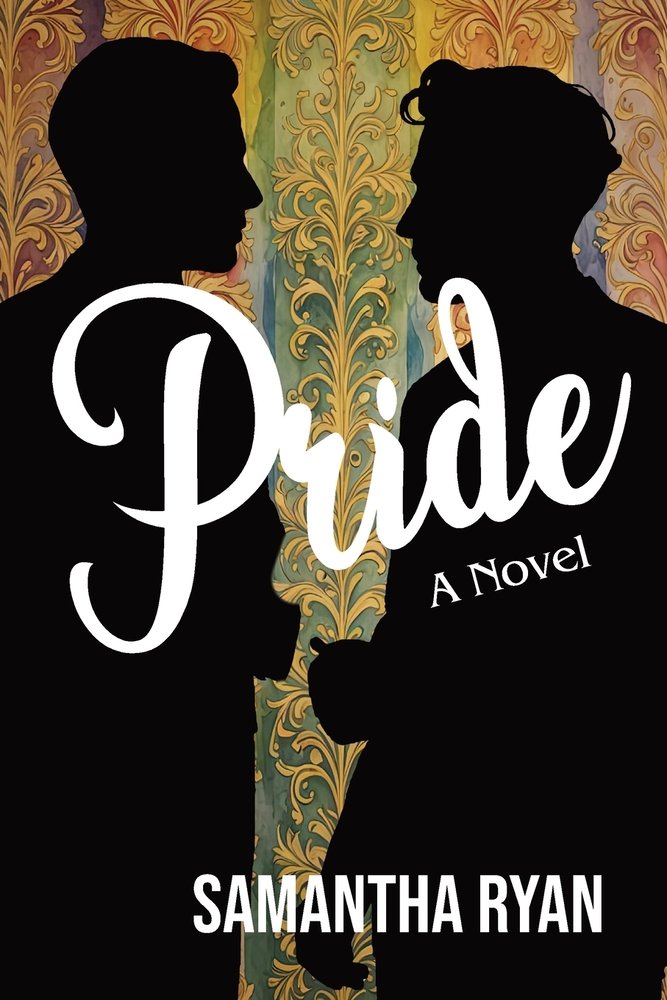
Pride by Samantha Ryan
As a queer rendition of Pride and Prejudice, this contemporary romance is a likeable read for any romance-lover. Readers follow Ben, who enjoys his simplistic life of running his bookstore and curling up with his cat. Everything changes when he meets his sister’s friend, Avery.
A wealthy businessman, Avery, purchases the building next door to Ben’s bookstore. Through a slow-burn romance, I found something rather endearing about the witty banter and heartfelt moments shared between Ben and Avery. In a world that doesn’t always make room for love, we love to see a friends-to-lovers story that takes its time.
“It turns out, letting someone in isn’t just about trust-it’s about letting yourself be seen, flaws and all, and realizing you’re still worthy of being chosen.”
This new age story brings such modern themes into the story that I found incredibly relatable. Utilizing terms such as “situationship” or bringing up Grindr brought this tale into the 21st century. Further into the story, a homophobic person proclaiming “I’m sick of this woke shit. I can’t keep track of LBGTLMNOP”. As much as I hated this person and their small mindset, seeing internet jokes in print was also entertaining.
There are still plenty of challenges for people under the queer umbrella from those who choose not to understand. Ben remains down to earth, even when his mother always finds a way to dig at his character, or he finds a bigot in the wild. Avery’s own struggle with his internalized homophobia in a late-bloomer narrative was refreshing to see highlighted in a gay romance.
Two men from two very different worlds come together in a cozy romance story. As its namesake would convey, this book celebrates who you are and who you know yourself to be. Pride is a great story to add to your ever-expanding list of books to read.
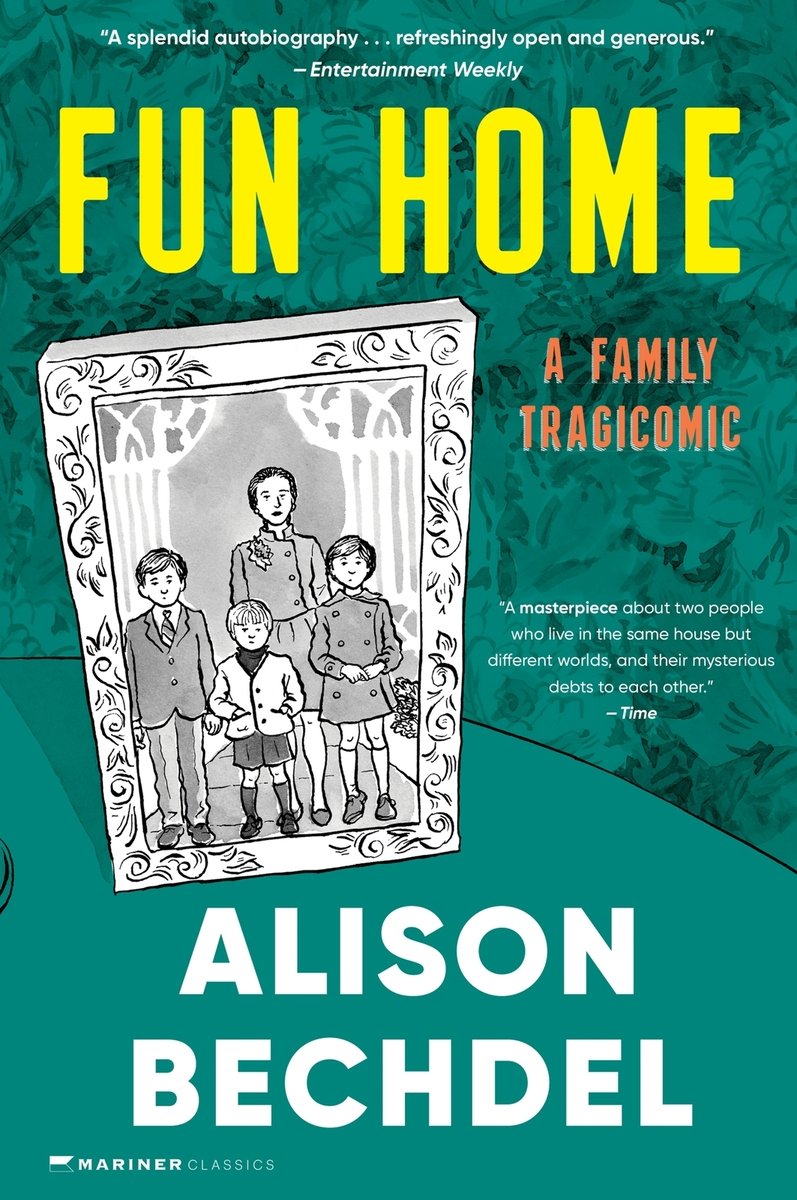
Fun Home: A Family Tragicomic by Alison Bechdel
In this graphic novel memoir, Alison Bechdel recounts her childhood through meticulously detailed illustrations. Her story centers on growing up in a small Pennsylvania town. Alison’s father, Bruce, is an English teacher, a home-renovation enthusiast, and a part-time mortician. As Alison comes out to her family, she learns of another well-kept secret about her father.
Fun Home is as much a recount of Alison’s journey to acceptance as it is an attempt to make sense of her father’s life, death, and the secret he kept. Bruce’s grappling with his public reality and his private urges is a tale as old as time. Alison is confused and resentful as she pores over old notes of his English classes, trying to glean any extra information she can.
“Sometimes, when things were going well, I think my father actually enjoyed having a family. Or at least, the air of authenticity we lent to his exhibit. Sort of like a still life with children.”
Though this book is set primarily in the 60s and 70s, the themes throughout the story continue today. The fear of living openly in a conservative town, the weight of generational silence, and the search for self within a family’s curated facade are themes readers can relate to.
Bechdel’s dark humor, literary allusion, and raw vulnerability make for a highly regarded memoir. Fun Home’s exploration of family dynamics and the struggle for self-acceptance remains as relevant today as when it was first published. It’s a beautifully crafted reminder of how our identities are shaped by the stories we inherit.
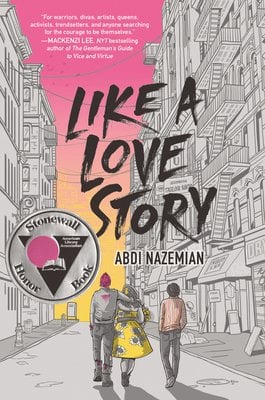
Like a Love Story by Abdi Nazemian
This young adult fiction book showcases teenager Reza during the AIDS crisis. After his family flees Iran to America, he meets soon-to-be-friends Art and Judy. His attraction to Art is immediate, but the dark images plastered across every newspaper of men dying from AIDS come to him.
In an effort to appear normal, he dates Judy, a spunky teenager who’s never quite fit the mold. Through Judy’s uncle, a gay activist, Reza finds his courage in this inspiring story.
“There may be no harder place to be queer than high school, a place of bullies and slurs, a place steeped in rituals of heterosexuality. Who’s dating who? Who kissed who? Who will be homecoming king and queen? Who will be your prom date? And you have to play along, because if you don’t, your difference has a spotlight on it.”
You can always tell when someone with lived experience writes a book, and Abdi Nazemian draws from his own — growing up as a gay, closeted Iranian teen during the height of the AIDS crisis in the U.S. This tale, filled with dark undertones, has a sense of familiarity readers can relate to. The doubting self, the desire, the hiding from your family because you don’t want to disappoint them. It’s all too familiar for many teenagers and young adults finding their way in the world.
Like a Love Story explores themes of friendship, family, fear, and love. It tells a powerful story about embracing your true self and finding acceptance among those who love you unconditionally. It serves as a tribute to those who lived boldly and loved fearlessly and honors the memories of those lost to AIDS. It is that sincere friend who sits with you in comfort, knowing they can’t change anything, reminding you that you are not alone.
From Mars to memoir, these stories remind us that identity is not something we discover all at once but something we uncover, claim, and continually fight for. There are many of us under the queer umbrella, and no matter where you are in your journey, there is something special about the narratives that explore our internal struggles and coming-out experiences. Whether you see yourself reflected in these pages or simply appreciate diverse literature, these books deserve a spot on your shelf, your reading list, and maybe even in your heart.
For more diverse reading options, look at 9 Groundbreaking Books With Non-Binary Representation You Will Love.
Check out our Hooray for Representation – LGBTQ Voices Bookshelf on bookshop.org for these books and more!