




Long before technology, imagination was a wonder. To believe the surreal, to embrace the extraordinary — it was a rare spectacle. Writers, literary artists, forged pages to enthrall readers. Classics of their time.
Now, in the modern era, words — books, rather — have taken a major redevelopment. For the better? While novels are praised as high art and literary genius, game narratives are too often dismissed as secondary. Yet they demand just as much creativity, world-building, and emotional depth. As someone who’s lived between both worlds, I believe it’s time we recognize game writers as true storytellers.
Videogames as an Artform
In a world racing ahead with technological wonders, creativity has become the silent protagonist behind all the chaos. Over the years, we’ve watched storytelling evolve — from page to screen, from written word to interactive worlds. As someone who thrives on emotionally rich, heartbreaking narratives, I’ve found videogames to be just as powerful as any novel.
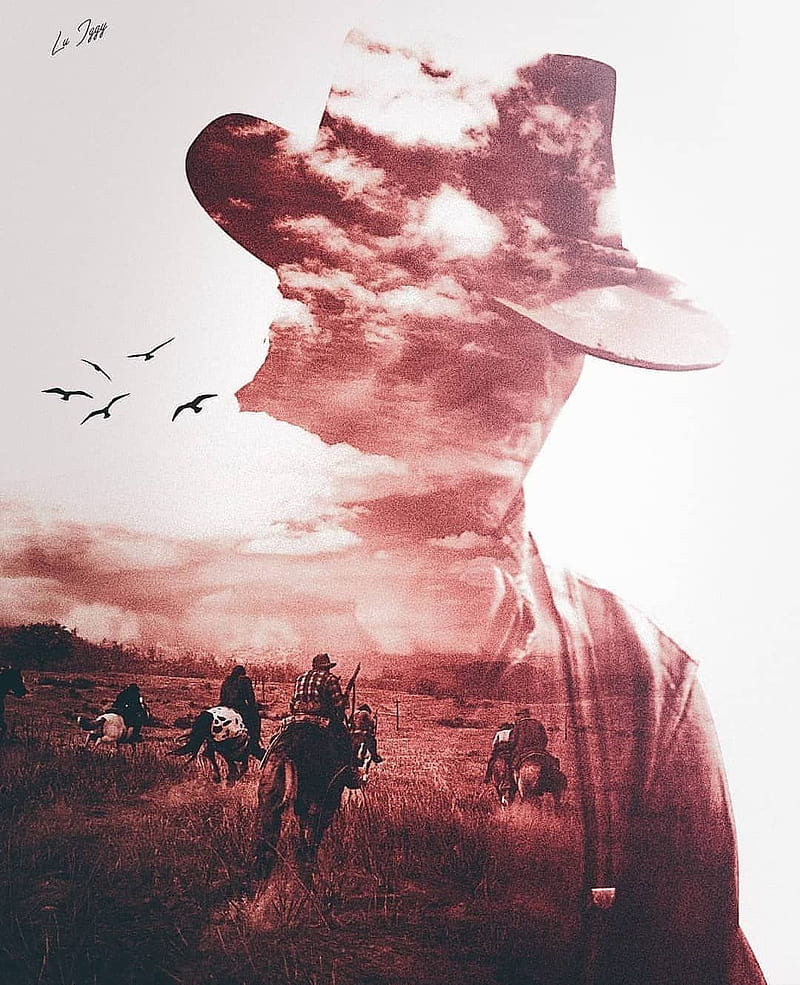
Sure, they might not be bound between two covers — unless you count the controller as part of the literary experience — but when done right, game narratives hit just as hard. They affect us mentally, figuratively, and emotionally. Titles like Red Dead Redemption 2 or Life is Strange didn’t just entertain me; they changed how I see the world, just like a truly great book does.
The videogame medium offers a playable, interactive insight into the literary and creative world of a story, redefining what we understand by reader/player engagement. Playing a game, rather than reading a page, activates more of the senses — from stimulating visuals and paradoxical sounds to the tactile feedback of haptic vibrations in the controller. With a book, the imagination can only process so much before we have to turn the page and recalibrate our minds to absorb the next wave of information.
Game writers, however, approach narrative differently — not only through cinematic-style cutscenes, but also through dialogue-driven audio delivered during gameplay. More often than not, characters speak outside of the usual unplayable cutscene format, revealing more of the context and depth of the game’s world. This creates a complex yet beautifully enriched blend of storytelling and player interaction.
Writing Across Platforms
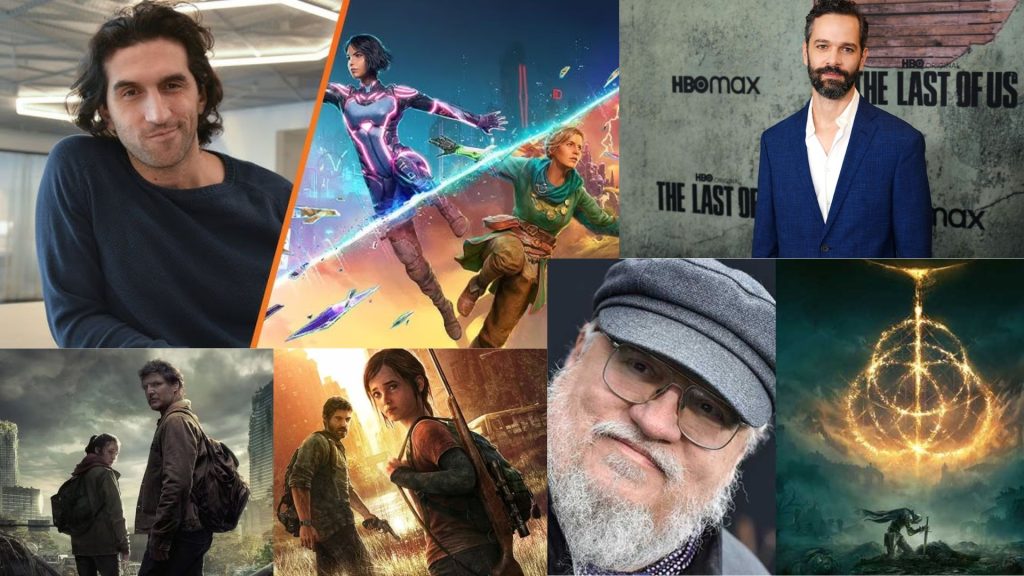
Many writers — whether novelists, screenwriters, or game directors — often channel their creativity across different mediums. Just look at names like Neil Druckmann, Josef Fares, and even George R.R. Martin, who helped craft the world of Elden Ring. Writing has become a broad platform for narrative storytelling, giving creators space to explore deeply flawed ideals, moral conflict, and personal growth through character-driven experiences. Whether it’s a game or a novel, these stories reflect real life — moments that challenge us, force reflection, and shape who we are. What makes these writers stand out is their ability to express humanity no matter the format, blending character development, emotional detail, and world-building into powerful, immersive journeys.
Popularity of Video Games vs. Controversy
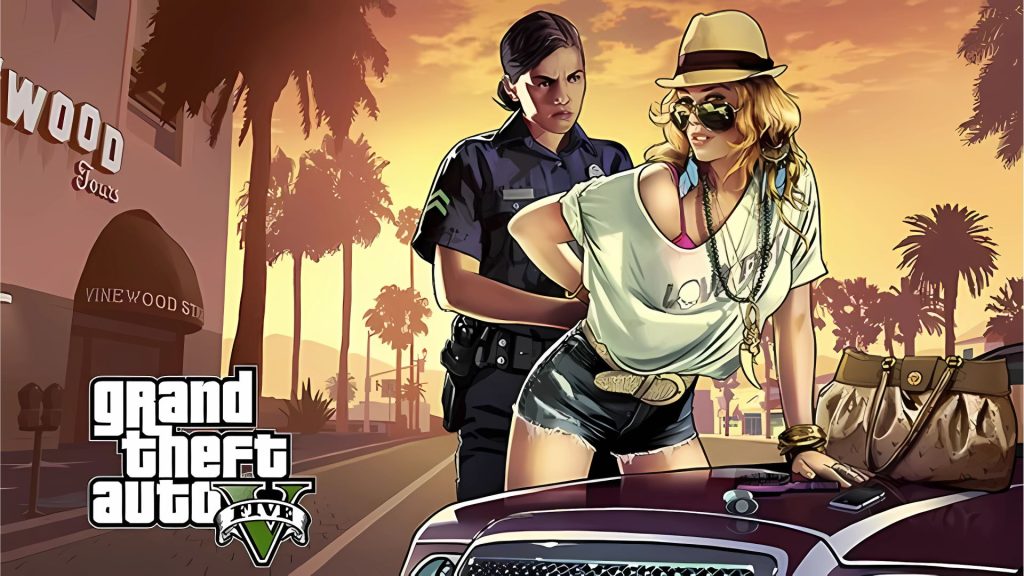
Video games today are often seen as interactive movies — blending strong narratives with the spontaneity of gameplay, whether it’s in a platformer, RPG, or open-world adventure. But with that freedom comes controversy. Some titles, like the Grand Theft Auto franchise, have sparked years of debate due to their portrayals of sex, drugs, theft, and violence. Critics argue these games influence younger audiences negatively, focusing more on chaotic gameplay than meaningful story.
While GTA thrives on its wild sandbox appeal, it’s far from the only example. Many games prioritize emotional depth, character growth, and immersive storytelling — proving that this medium isn’t just about action, but about connection. These stories are crafted to resonate, reflect, and even replay for generations.
Let’s dive into a few examples of narrative-driven games that offer the same excitement and freedom of gameplay as GTA, but deliver emotionally enriching and impactful stories. Marvel’s Spider-Man is one of the best examples of comic literature translated into interactive gameplay. It masterfully blends superhero embodiment with fluid mechanics, all while presenting a picturesque narrative centered on Peter Parker’s struggle to protect those he loves — all while wrestling with identity and purpose.
Another standout is The Witcher 3: Wild Hunt. With impeccable voice acting and a story derived from a beloved book series, the game follows Geralt of Rivia through a dark, Eastern-European-inspired fantasy world. Here, he interacts with morally complex characters and faces malevolent threats that endanger him and those he’s sworn to protect. The Witcher 3 delivers one of the finest narrative scripts in gaming, with meaningful choices, rich lore, and a deeply immersive open world.
Both titles exemplify how expert storytelling, character development, and world-building can be seamlessly woven into gameplay. They prove that video games can be as emotionally profound and literarily significant as any traditional medium.
While authors have long paved the way for creative thinkers and literary artists, video game writers have redefined that path in a completely new light. Sure, there’s a difference between turning a page and playing through a narrative — but at their core, are they really so different? Both forms tell stories filled with compelling characters, rich worlds to explore, and emotional depth that grips us. The only real difference lies in interactivity. Yet if both spark the imagination and speak to us in profound ways, isn’t the impact the same?
Writers — whether of books or games — are equally important. Each medium complements the other, shaping how we tell stories, connect with audiences, and carry creativity into the future.
Sometimes writing from books can even inspire videogame narratives. Don’t believe me? Check out this article discussing the books that built Night City!
Discover how writing transcends other forms of media with this bookshelf on comics, graphic novels, and other wonders.