

















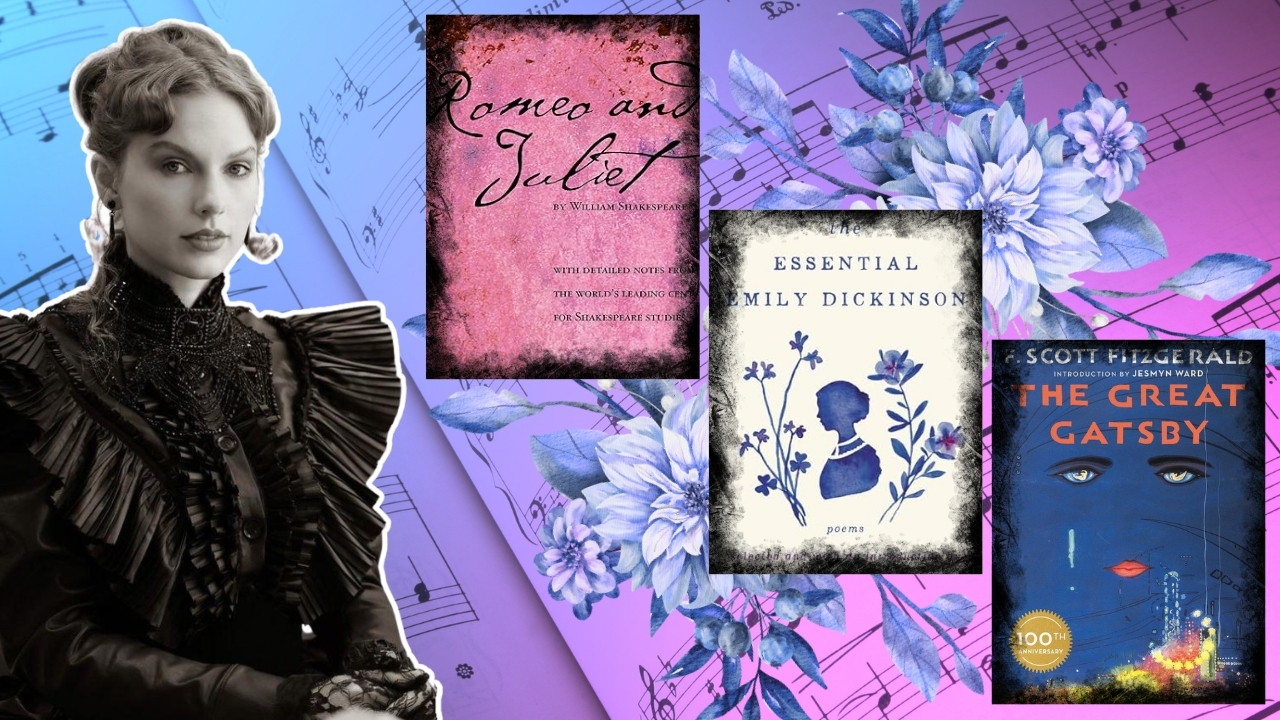
Taylor Swift’s songs are known for their numerous references and easter eggs, with countless fans cataloging all the hidden elements in her lyrics. While many of these details are specific to Swift’s personal life, some of them are found within the pages of classic literature. They say that the best artists steal, and Swift is no exception to this rule. Read on for a list of classic works referenced in Taylor Swift songs.
The Road Not Taken by Robert Frost
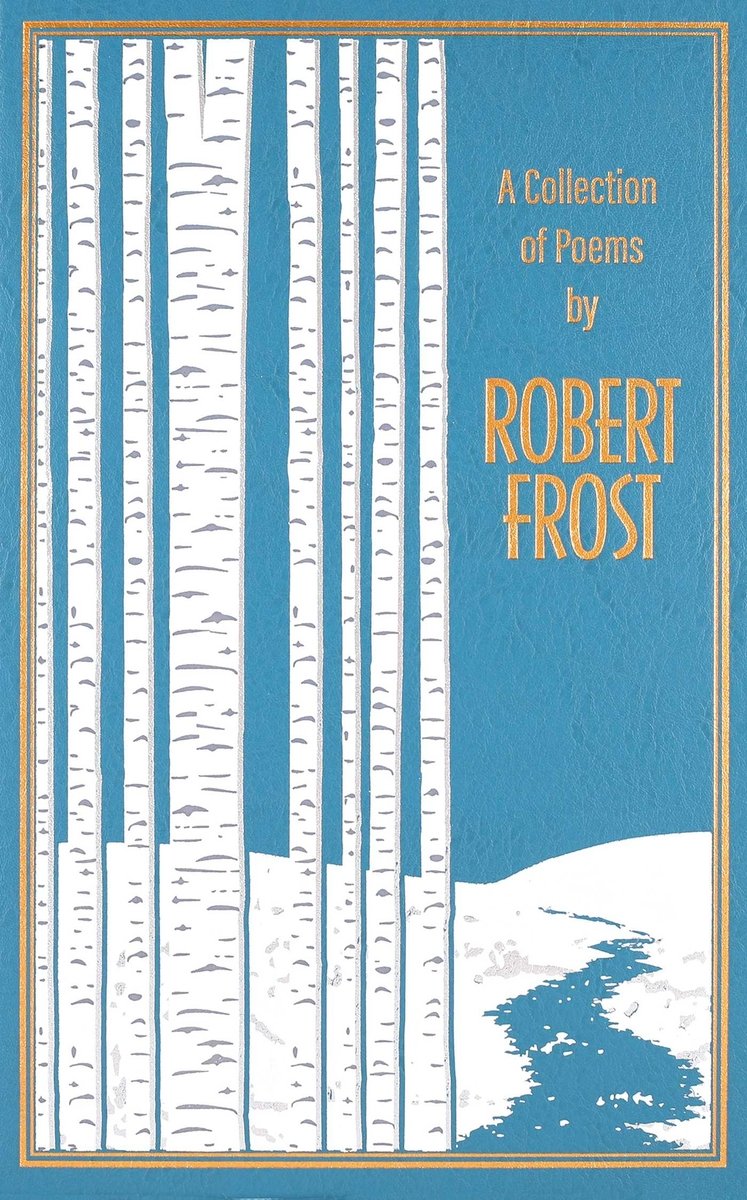
Of all the poems in Robert Frost’s illustrious collection, his most iconic work, The Road Not Taken, appears three times in Taylor Swift songs. This poem’s central image of a forked road is often used to symbolize the various choices in life, and how we misattribute importance to innocuous life decisions. The roads Frost describes are identical, and yet, the speaker in the poem insists that the path he chose was integral to the life he ended up leading.
“I tried to take the road less traveled by
But nothin’ seems to work the first few times
Am I right?”
Taylor Swift, The Outside
The Outside from Swift’s debut album references Frost’s “road less traveled by” in the opening verse. This song is written from the perspective of an individual who yearns to be accepted by the people around them. The speaker laments that the promise of change at the end of Frost’s road did not come to fruition for them. They attempted to choose an alternate course, only to find themselves unchanged at the end of it. This highlights Frost’s theme of the illusion of choice, showing us that we are often at the mercy of what fate has already dictated for us.
“Take the road less traveled by
Tell yourself you can always stop
What started in beautiful rooms
Ends with meetings in parking lots”
Taylor Swift, illicit affairs
Frost’s road appears next in illicit affairs from the album folklore. This song is about the psychological toll that an affair takes on an individual, showing that the excitement of a forbidden tryst always fades in the presence of cold reality. In this context, the “road less traveled” is darker, something that should be avoided, yet the speaker is drawn to it anyway.

“So we could call it even
You could call me babe for the weekend
‘Tis the damn season, write this down
I’m stayin’ at my parents’ house
And the road not taken looks real good now
And it always leads to you in my hometown”
Taylor Swift, ‘tis the damn season
The Road Not Taken is referenced one final time in evermore, the sister album to folklore. In the song ‘tis the damn season, Frost’s “road not taken” appears in the chorus. Unlike Swift’s former songs, this lyric instead focuses on the path the speaker did not take rather than the one that they did. The story of ‘tis the damn season is of the speaker going home for the holidays and hooking up with their former boyfriend. In Swift’s song, the speaker romanticizes the past, casting a rosy glow over the path they did not take (i.e., staying in their hometown and marrying their childhood sweetheart). Like Frost’s poem, we are left with the impression of an individual haunted by the choices they’ve made in life and obsessed with dissecting the “what if” that almost came into being.
Romeo and Juliet by William Shakespeare
Shakespeare’s famous romantic tragedy, Romeo and Juliet, has appeared twice in Taylor Swift songs. The fated figures in this play are often used in pop culture to discuss star-crossed love, feuding families, and the dangerous naïveté of youth. The ways Swift references Romeo and Juliet change markedly from one album to the next, demonstrating how our understanding of a story can evolve as we grow and mature.

“Romeo, take me somewhere we can be alone
I’ll be waiting, all there’s left to do is run
You’ll be the prince and I’ll be the princess
It’s a love story, baby, just say, ‘Yes’”
Taylor Swift, Love Story
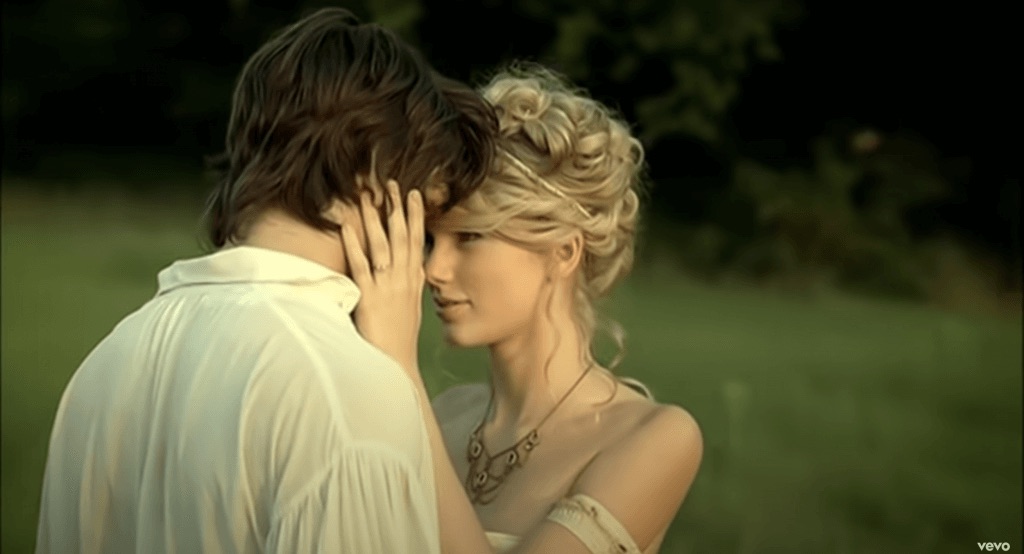
In her second album, Fearless, Taylor Swift retells the entirety of Romeo and Juliet in the song Love Story, as well as in its accompanying music video. The key difference, of course, is that Swift’s version has a happy ending, casting the young couple in the dreamy roles of prince and princess. The forbidden aspect is still present, with Juliet’s father disapproving of the match and telling Romeo to stay away from her. Both at the time of its release and again when Swift re-recorded it in 2021, Love Story was criticized for its simplistic interpretation of Romeo and Juliet. While this is understandable, an alternate reading of the song could show how it leans into youthful idealism. Just like the speaker of Swift’s song, Romeo and Juliet foolishly believed that their love would transcend the years of hate between their families and allow them to secure their happy ending.
“A rose by any other name is a scandal”
Taylor Swift, The Albatross
In Taylor Swift’s later song, The Albatross, from the Anthology section of her expansive album, The Tortured Poet’s Department, Romeo and Juliet is referenced briefly in the opening verse. Swift plays on Juliet’s iconic line from the second scene of Act II, “That which we call a rose / By any other word would smell as sweet.” As Juliet wrestles with her affection for a Montague, she reasons that the content of his character should matter more than the name he possesses. Swift shines a light on this naïve worldview by saying instead, “A rose by any other name is a scandal.” Here, she points out the fault in Juliet’s logic, positing that the label a thing is given does not remove any negative connotations from it. Romeo will always be a Montague, just as a scandal will always be something distasteful.
The Scarlet Letter by Nathaniel Hawthorne
Nathaniel Hawthorne’s classic tale, The Scarlet Letter, tells the story of Hester Prynne, a Puritan woman who becomes pregnant after an adulterous affair with a minister. As a consequence of her crime, Hester is forced to raise her illegitimate child alone and wear a scarlet “A” on her chest to brand her as an adulterer. The iconic symbol of the scarlet “A” has appeared multiple times in pop culture (Easy A, anyone?) and is used to highlight the motifs of sexual shame and social outcasts, especially in relation to women.
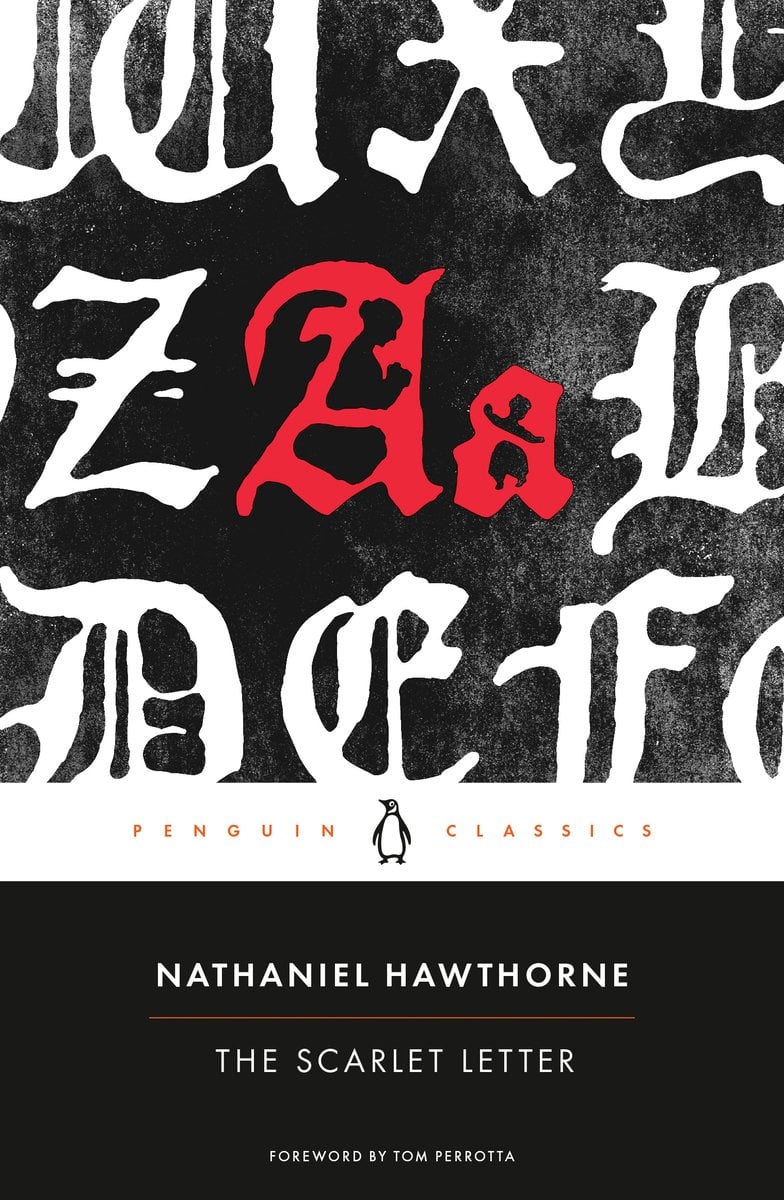
“’Cause you were Romeo, I was a scarlet letter”
Taylor Swift, Love Story
Aside from the Romeo and Juliet overtures, Love Story also contains a brief reference to Hawthorne’s novel. In this context, Swift leans into the social pariah aspect of the scarlet letter imagery. The speaker in the song may not be adulterous like Hester Prynne, but she is still a person that Romeo should avoid due to societal reputation.
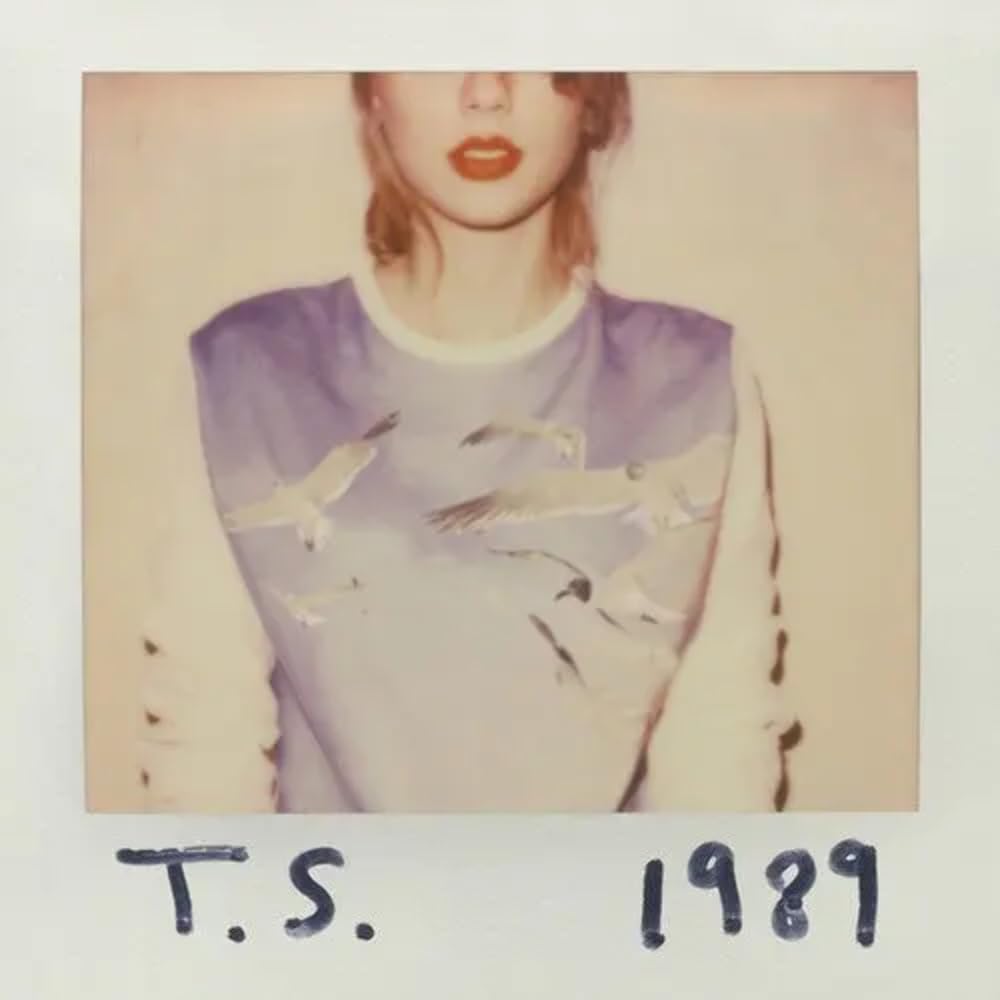
“We’re all bored
We’re all so tired of everything
We wait for trains that just aren’t coming
We show off our different scarlet letters
Trust me, mine is better”
Taylor Swift, New Romantics
New Romantics from the album 1989 continues the social pariah theme of scarlet letters, albeit with a more cheeky affect. This song is about a group of young friends who are critically attacked and judged for partying too often, having tumultuous relationships, and generally being perceived as irresponsible. As with many songs in Taylor Swift’s canon, this one pulls from her personal life. At the time of 1989’s release, Swift was newly living in New York City and often going out to clubs with her friends, for which the tabloids eviscerated her. The opening verse of New Romantics says that Swift and her friends “show off” their scarlet letters, transforming this image from a shameful branding to a proud display of imperfection.
The Achilleid by Statius, Translated by Stanley Lombardo
Roman poet Statius was one of the first writers to put the Achilles myth to paper. His version of the legend, The Achilleid, is where the famous “Achilles heel” aspect of the story was first immortalized. To make her son invincible, Achilles’ mother, Thetis, dipped him in the River Styx when he was an infant. She held him by the heel, making this the only part of his body untouched by the water’s blessing. In literature, an “Achilles heel” is now used as a metaphor for vulnerability.
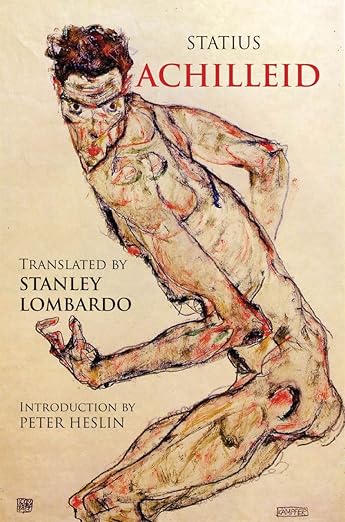
“You’re my Achilles heel”
Taylor Swift, State of Grace
Taylor Swift references this Greek myth in the bridge to State of Grace. This song details the chaos of being blindsided by love, exploring how all-consuming and surprising the emotions can be. The speaker calls her lover her “Achilles heel,” attributing her attraction to them to be a weakness that could lead to her doom.
Alice’s Adventures in Wonderland by Lewis Caroll
Lewis Carroll’s tales of Alice, the White Rabbit, the Red Queen, and all the other characters of the colorful world of Wonderland have appeared in pop culture over and over again. Madness is a key element of Wonderland, and getting lost down the rabbit hole is often used as a metaphor for having an addled mind.

“We found Wonderland
You and I got lost in it
And we pretended it could last forever”
Taylor Swift, Wonderland
Taylor Swift’s song Wonderland is full of references to Alice’s mad tale, everything from “Cheshire Cat smiles” to “curious minds.” The song details a frenzied love affair in which both parties grow mad from their attraction to one another. Wonderland, in this case, represents the imagined bliss of love, which, like the world of Carroll’s stories, is always a temporary visit.
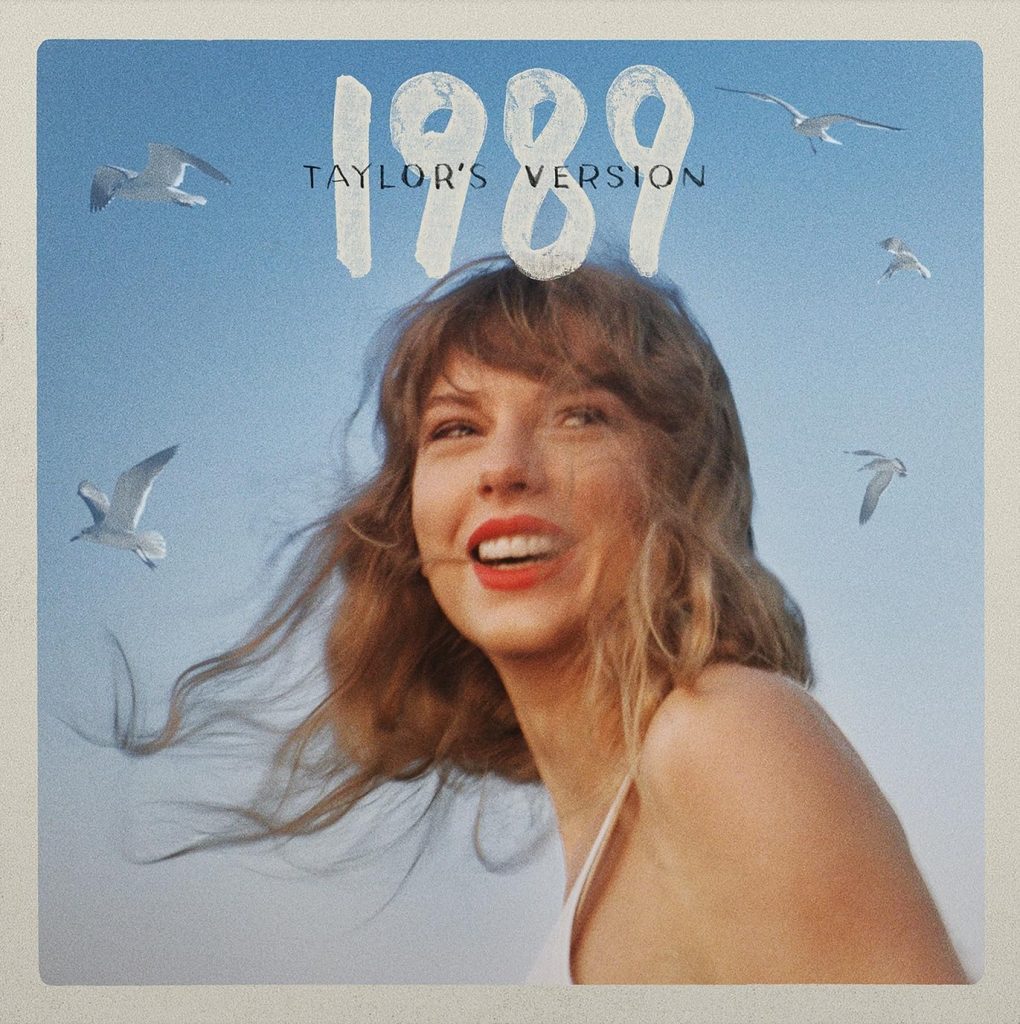
“And I fell from the pedestal
Right down the rabbit hole
Long story short, it was a bad time”
Taylor Swift, long story short
The rabbit hole to Wonderland is referenced in the chorus of long story short. In this song, the speaker reflects on their past relationships, concluding that all of them were destructive in comparison to the partner they have now. She compares the messiness of each former paramour to falling down a rabbit hole, a path that, as Carroll’s book tells us, only leads to madness.
The Iliad by Homer, Translated by E. V. Rieu
Homer’s epic poem, The Iliad, details the events of the Trojan War. In Greek mythology, the war was fought as a consequence of Paris of Troy falling in love with and kidnapping Helen, the wife of the Spartan king. Helen is often referred to as “the face that launched a thousand ships,” due to her incredible beauty.

“And you understand now why they lost their minds and fought the wars”
Taylor Swift, You Are in Love
You Are in Love, as the title suggests, describes the culmination of realizing you have fallen in love. As Swift goes over the small moments of a relationship that add up to love, she references the famous Trojan myth in the chorus. This war is often seen as a conflict of hearts, and Swift’s lyric suggests that the violence of the emotions present in the myth can only be understood when you have experienced them yourself.
A Tale of Two Cities by Charles Dickens
Charles Dickens’ classic work chronicling the tense conditions surrounding the period of the French Revolution is perhaps best known for its famous opening sentence, beginning with the phrase, “It was the best of times, it was the worst of times.” This passage goes on to set up a series of contradictory statements, showing how this period of history was both a source of enlightenment and progress, as well as an era of darkness and destruction.
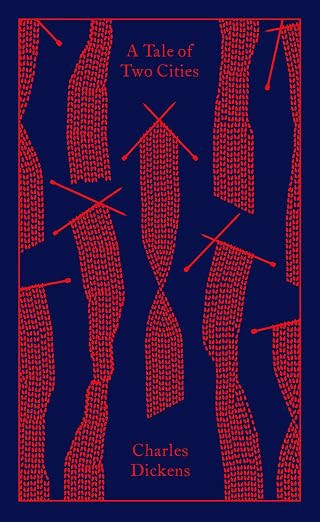
“It was the best of times, the worst of crimes”
Taylor Swift, Getaway Car
Taylor Swift parodies Dickens’ famous line in her song, Getaway Car, changing “the worst of times” to “the worst of crimes.” Getaway Car is about the recklessness of a rebound relationship, with the speaker using new boyfriends as “getaway cars” to escape from partners she’s grown dissatisfied with. In this context, the “crime” Swift refers to could be either the implied infidelity of this pattern or the flagrant happiness the speaker deigns to show with her new lovers.
The Great Gatsby by F. Scott Fitzgerald
F. Scott Fitzgerald’s most famous novel, The Great Gatsby, has become a symbol for the entirety of the 1920s. The empty splendor of Jay Gatsby’s parties, as well as the fickle nature of Daisy’s love, are illustrative of the overindulgence of the era.
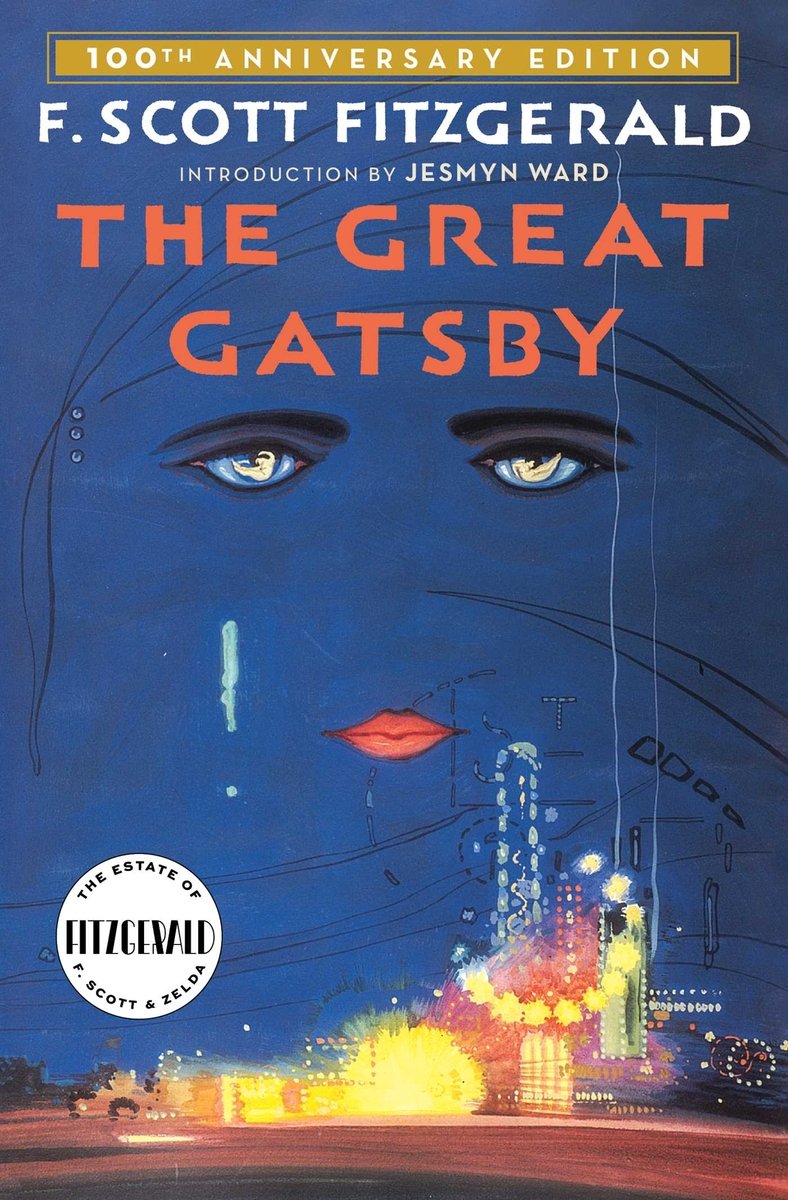
“And there are no rules when you show up here
Bass beat rattling the chandelier
Feelin’ so Gatsby for that whole year”
Taylor Swift, This Is Why We Can’t Have Nice Things
Taylor Swift’s opening lyrics to This Is Why We Can’t Have Nice Things set up the image of a raucous party, with Swift comparing herself to Jay Gatsby. The celebration is cut short by the criticism of the outside public, who shame her for such ostentatious displays. This song is a part of Taylor Swift’s album Reputation, which marked her comeback into the spotlight after a year of seclusion as a result of increased attacks against her lifestyle and career. The cheeky tone of This Is Why We Can’t Have Nice Things, as well as the reference to Gatsby, serves to mock the crowd of naysayers who sought to sully her success.
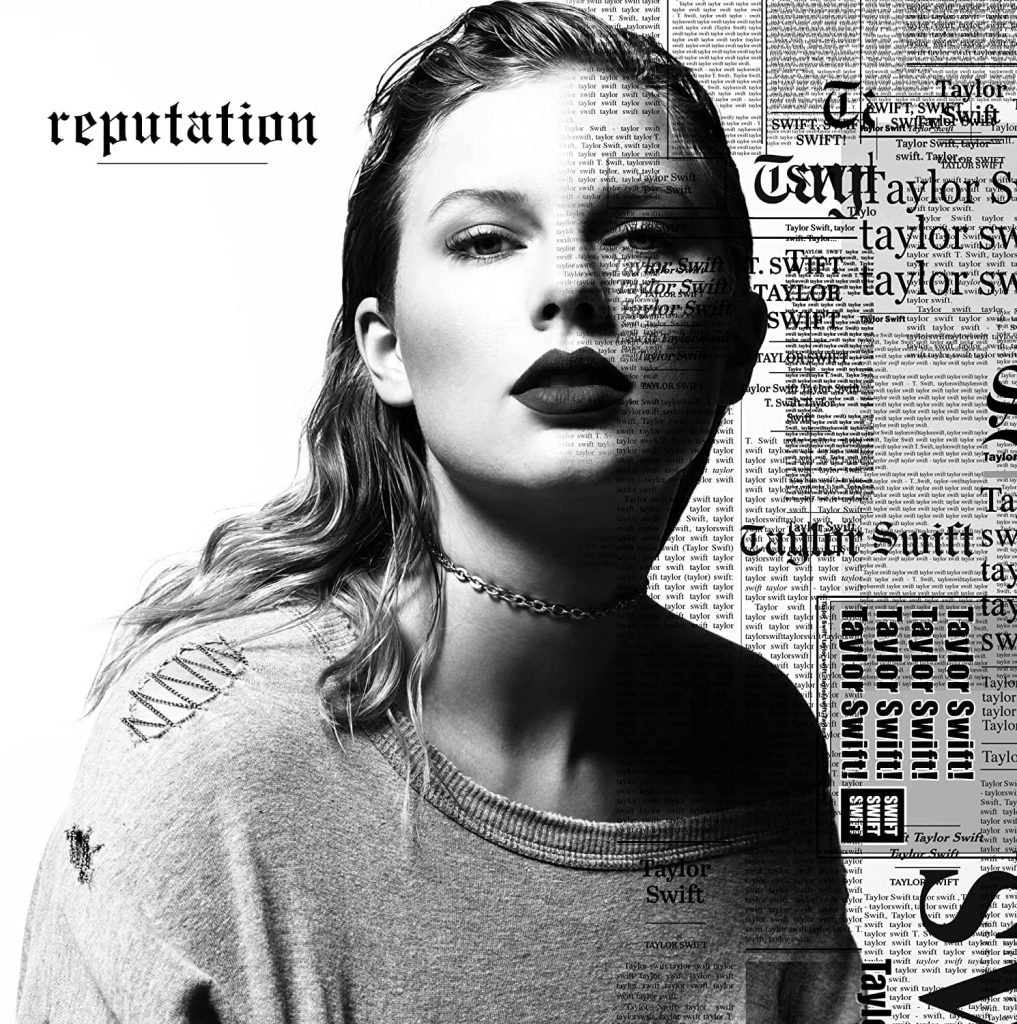
“I hope she’ll be a beautiful fool
Who takes my spot next to you”
Taylor Swift, happiness
Swift’s song happiness from the album evermore takes a softer, more solemn approach to The Great Gatsby. The lyric “I hope she’ll be a beautiful fool” is a direct reference to Daisy’s comment about her daughter in the novel. Daisy’s comment is a reflection of the poor state of women’s societal standing, saying that being wise to your mental imprisonment only leads to more misery. Swift’s song looks back on a broken relationship, tracing both the happiness the speaker has lost and the happiness they will regain in the future. The speaker bitterly wishes that their ex’s new girlfriend will be a “beautiful fool,” cursing their ex for their inability to handle the complexity of their character.
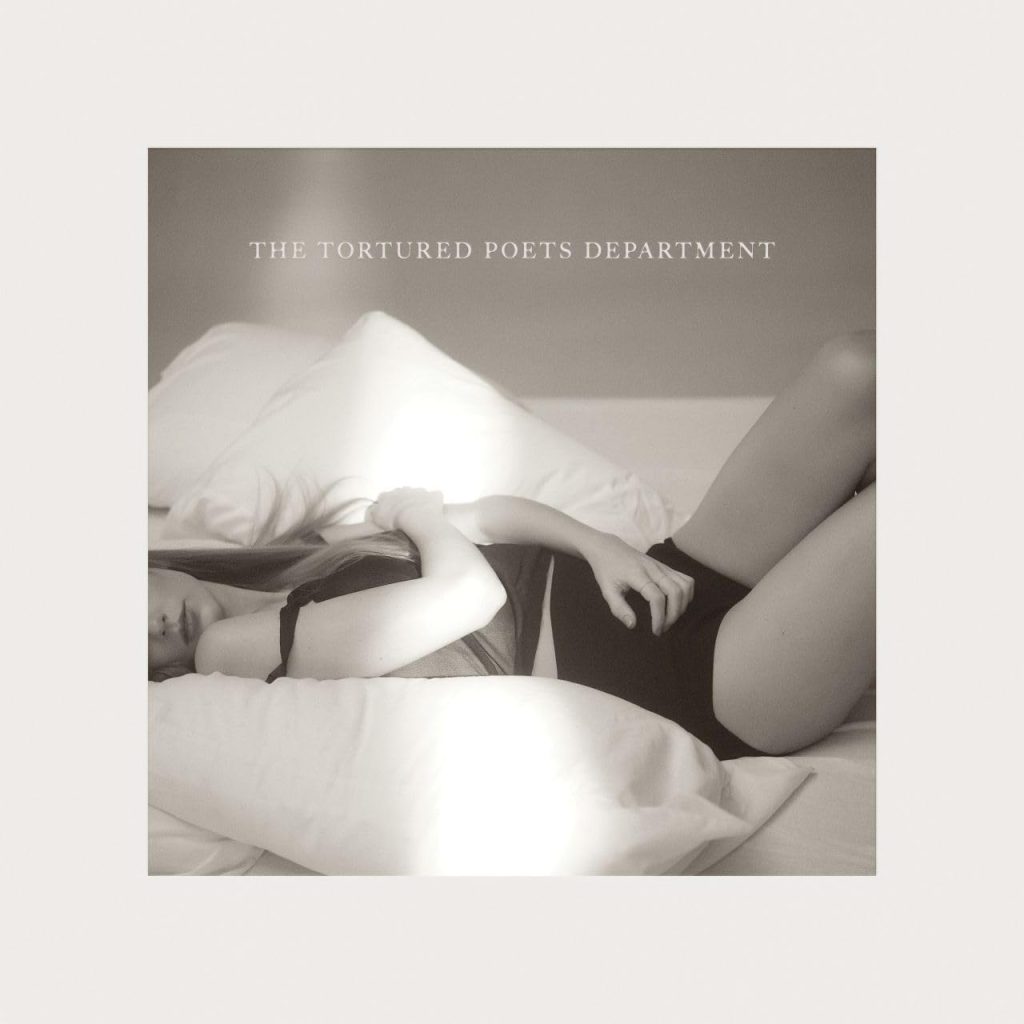
“I saw in my mind fairy lights through the mist
I kept calm and carried the weight of the rift
Pulled him in tighter each time he was drifting away”
Taylor Swift, So Long, London
So Long, London contains a brief allusion to The Great Gatsby. The opening lyric, “I saw in my mind fairy lights through the mist,” is reminiscent of the iconic green light that Jay Gatsby searches for in the misty air of the bay beside Daisy’s house. Much like Gatsby’s obsessive pining for Daisy, the speaker of So Long, London feels as if they are drifting further and further away from their lover.
All’s Well That Ends Well by William Shakespeare
William Shakespeare’s contentious play, All’s Well That Ends Well, may be listed as a comedy, but the romance at the heart of the story is far from envious. The lower-class Helena is in love with Bertram, the countess’s son, and spends the majority of the play striving to win his favor. Bertram, however, is uninterested in Helena’s advances and is generally disrespectful towards her. After a series of hijinks, Helena secures a marriage to Bertram, and though he claims he loves her by the end of the play, the suffering Helena has gone through to win him does not seem worth the trouble.
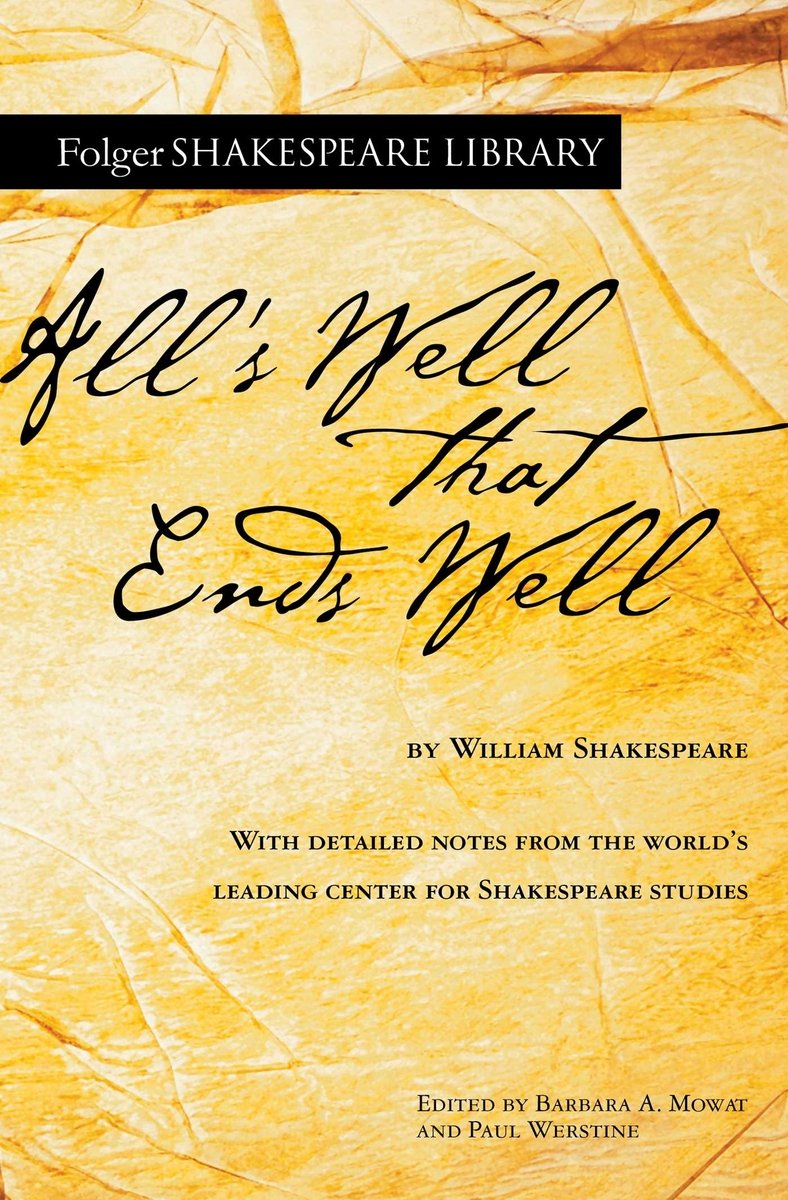
“My heart’s been borrowed and yours has been blue
All’s well that ends well to end up with you”
Taylor Swift, Lover
In the track Lover from Swift’s album of the same name, she briefly mentions the titular phrase of Shakespeare’s play. Throughout the bridge, Swift alludes to the heartbreak and despair she has faced in her personal life until the time of the song’s release. In her eyes, the pain she had experienced was all worth it if it meant she got to meet the person she is with now.
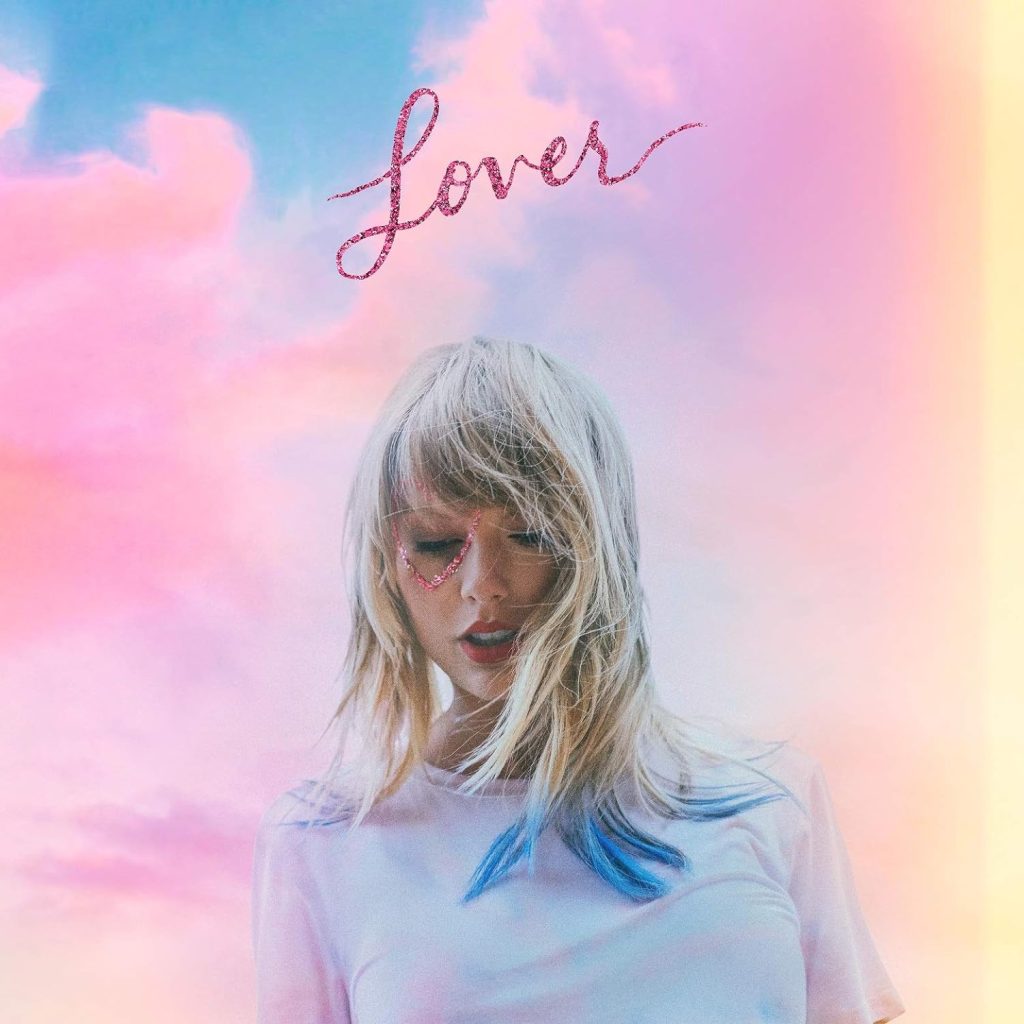
“They say all’s well that ends well, but I’m in a new hell
Every time you double-cross my mind”
Taylor Swift, All Too Well (10 Minute Version)
The ten-minute version of All Too Well is considered by many to be Taylor Swift’s magnum opus. Among the rich imagery of this song, Swift once again references the phrase, “all’s well that ends well,” but unlike Lover, the phrase is criticized for its simple point of view. All Too Well recounts the unbalanced relationship Swift had in her early twenties with the older Jake Gyllenhaal. When forced to contend with the pain she was put through, Swift disagrees that the suffering was worth it. As she explains, the mere memory of their romance is enough to send her back into the old despair.
Jane Eyre by Charlotte Brontë
Charlotte Brontë’s iconic work, Jane Eyre, is a masterful Gothic romance featuring the plain yet fierce Jane Eyre. Though Jane is met with misfortune and cruelty from a young age, her determination and strong spirit keep her heart and head steady into adulthood. When she is about 19 years old, Jane accepts a position as governess to the ward of Mr. Rochester, and the two are soon drawn to each other in a way that neither expected.

“And isn’t it just so pretty to think
All along there was some
Invisible string
Tying you to me?”
Taylor Swift, invisible string
Taylor Swift’s song invisible string directly references one of the most famous romantic lines from Brontë’s novel. When Mr. Rochester fears that Jane will leave him for a new employment, he confesses the depth of his affection toward her, saying that he feels as though the two of them were tied together by a string that would sever if she were to abandon him. In Swift’s song, the string tying the two lovers together also serves as a metaphor for fate, with the speaker recalling how many coincidences intersected throughout the lovers’ lives before they finally met.
Peter Pan by J. M. Barrie
J. M. Barrie’s Peter Pan stories tell the tale of a magical, ageless boy who can fly. In the mystical realm of Neverland, Peter Pan leads a group of ageless children called the Lost Boys as they fight pirates and go on other adventures. In pop culture, Peter Pan’s tale is often used as a metaphor for the reluctance to grow up.
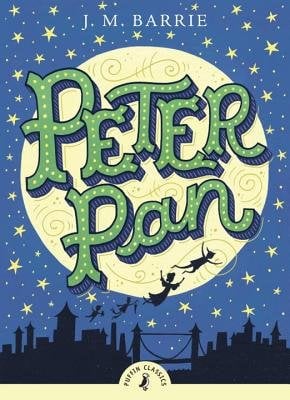
“I knew you
Tried to change the ending
Peter losing Wendy”
Taylor Swift, cardigan
In cardigan from the album folklore, Swift makes a brief reference to Peter Pan with her lyric “Tried to change the ending / Peter losing Wendy.” In the book, Peter loses Wendy when she chooses to grow and mature rather than stay in Neverland. This song is about a broken high school relationship, where the speaker laments that her partner cheated on her with another girl. In this context, the Peter Pan reference could refer to the idea that unless the speaker’s ex learns from his mistake and works toward maturity, he will lose the speaker forever. The music video for cardigan also features golden magic that is reminiscent of pixie dust.
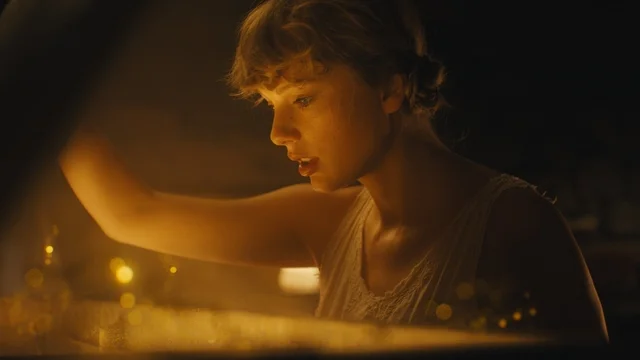
“Forgive me, Peter, please know that I tried
To hold on (hold on) to the days (to the days)
When you were mine
But the woman who sits by the window has turned out the light”
Taylor Swift, Peter
Peter Pan is more explicitly covered in Swift’s song, Peter. This track is about a young man that the speaker hopes will learn to grow up and be ready for a serious relationship. A commonly repeated lyric is “You said you were gonna grow up, then you were gonna come find me,” showing how the speaker was hurt over and over by the empty promises the young man gave her. Unlike cardigan, Peter has the speaker giving up on the young man and recognizing that he will never mature but stay a “Lost Boy” for the rest of time.
Metamorphoses by Ovid, Translated by David Raeburn
Ovid’s epic Roman poem, Metamorphoses, is part mythology and part Ancient Roman history. Interspliced with coverage of Julius Caesar’s rise to power are common tales of mythological figures, one of which is the story of King Midas. Midas was based on many real rulers of Ancient Greece, but the mythical tale he is most known for was first related by Ovid. After helping the god Dionysus, Midas is granted his wish of turning every object into gold. Midas is delighted until he realizes the power is more of a curse than a blessing, as he cannot eat food or embrace his loved ones without cursing them to turn into gold. The myth is often used as a cautionary tale for greed.

“Your Midas touch on the Chevy door”
Taylor Swift, champagne problems
In her song, champagne problems, Swift references the Midas myth in a more positive tone. The speaker of this track reflects on a relationship they lost because they weren’t ready for a commitment. Their lost lover is cast in a “golden” light, with everything in their life they touched becoming something beautiful.
The Essential Emily Dickinson by Emily Dickinson
Emily Dickinson was a remarkable poet, known for writing first-person perspective poems that leaned heavily into the escapism of expression. More than one of her poems has been referenced in Taylor Swift songs, and immediately following the release of her album, The Tortured Poets Department, it was revealed that Swift is distantly related to the poet. This ancestral twist gives every Dickinson reference an extra dose of cosmic fate.

“I had a feeling so peculiar
That this pain would be for
Evermore”
Taylor Swift, evermore
The first Emily Dickinson poem reference is in Swift’s song, evermore, from the album of the same name. The echoed lyric of “for / evermore” recalls Dickinson’s piece One Sister have I in our house, which is also sometimes titled Sue – forevermore! This poem is about the nuances present in Dickinson’s relationships with her biological sister, Lavinia, and her sister-in-law, Susan. The bond she has with Susan, affectionately called “Sue,” is shown to be deep and everlasting, something that, as Dickinson says at the end of the poem, will exist “forevermore.” In Taylor Swift’s evermore, the lasting power of love is shown in a darker way, exploring how devastating and all-consuming a breakup can be, with the pain lasting “for / evermore.”
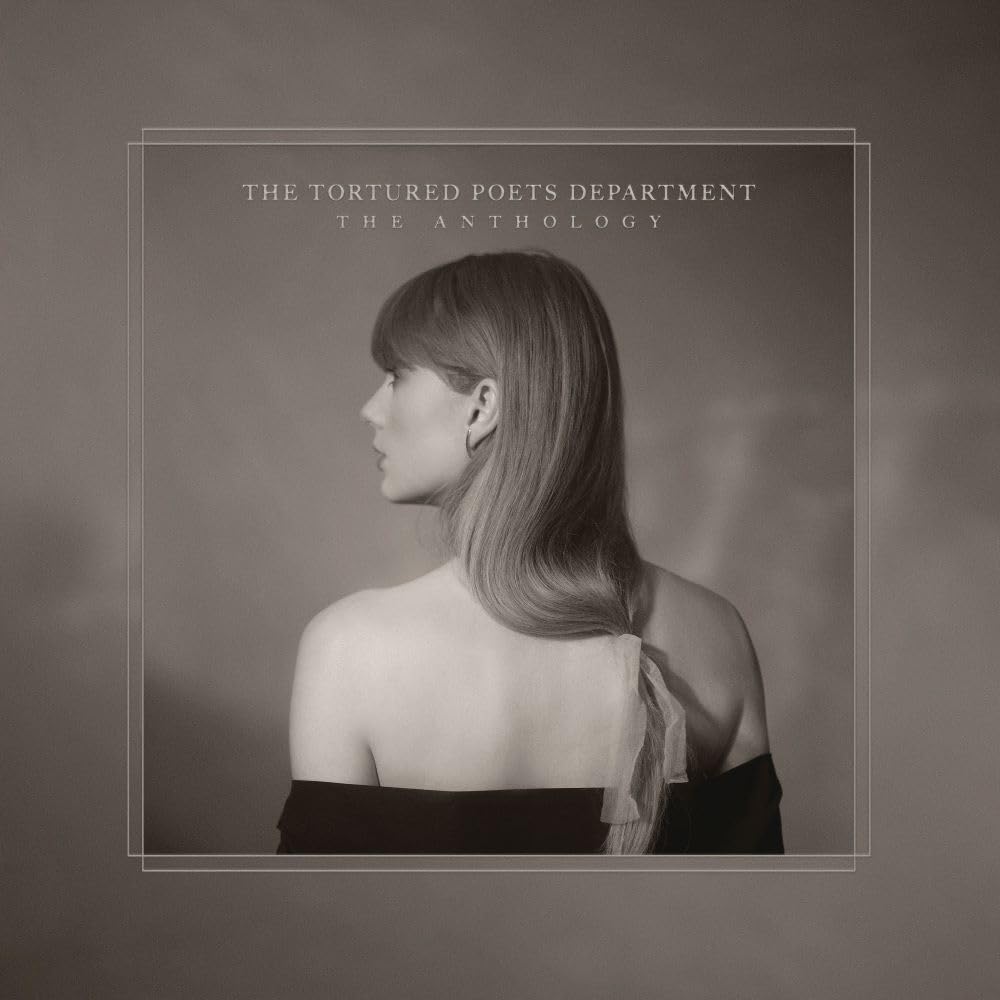
“Oh, here we go again.
The voices in his head
Called the rain to end our days of wild”
Taylor Swift, My Boy Only Breaks His Favorite Toys
Emily Dickinson’s poetry is aptly referenced again in Swift’s album, The Tortured Poets Department. In her song, My Boy Only Breaks His Favorite Toys, the speaker is obsessed with dissecting how a relationship ended, with them clinging onto the idea that their ex broke their heart because he was scared of how much he loved them. The opening verse references Dickinson’s famous poem, Wild nights – Wild nights! This poem is full of desire, with the speaker longing to share “wild nights” of passion with their lover. In Swift’s song, the speaker laments that their ex ended their “days of wild,” leaving them emptier than ever before and longing to reclaim the passionate and playful time they once shared.
The Secret Garden by Frances Hodgson Burnett
Frances Hodgson Burnett’s The Secret Garden is a classic children’s novel. It tells the story of Mary Lennox, an orphaned girl who is sent to live with her widowed uncle. Her uncle’s house is dark and dreary, reflecting the incredible grief he harbors from his wife’s death. Eventually, Mary learns that her late aunt kept a beautiful garden on the estate that her uncle has locked away. Mary becomes determined to find and revitalize the garden, a quest that ultimately brings joy and beauty back into the lives of everyone living in the manse.
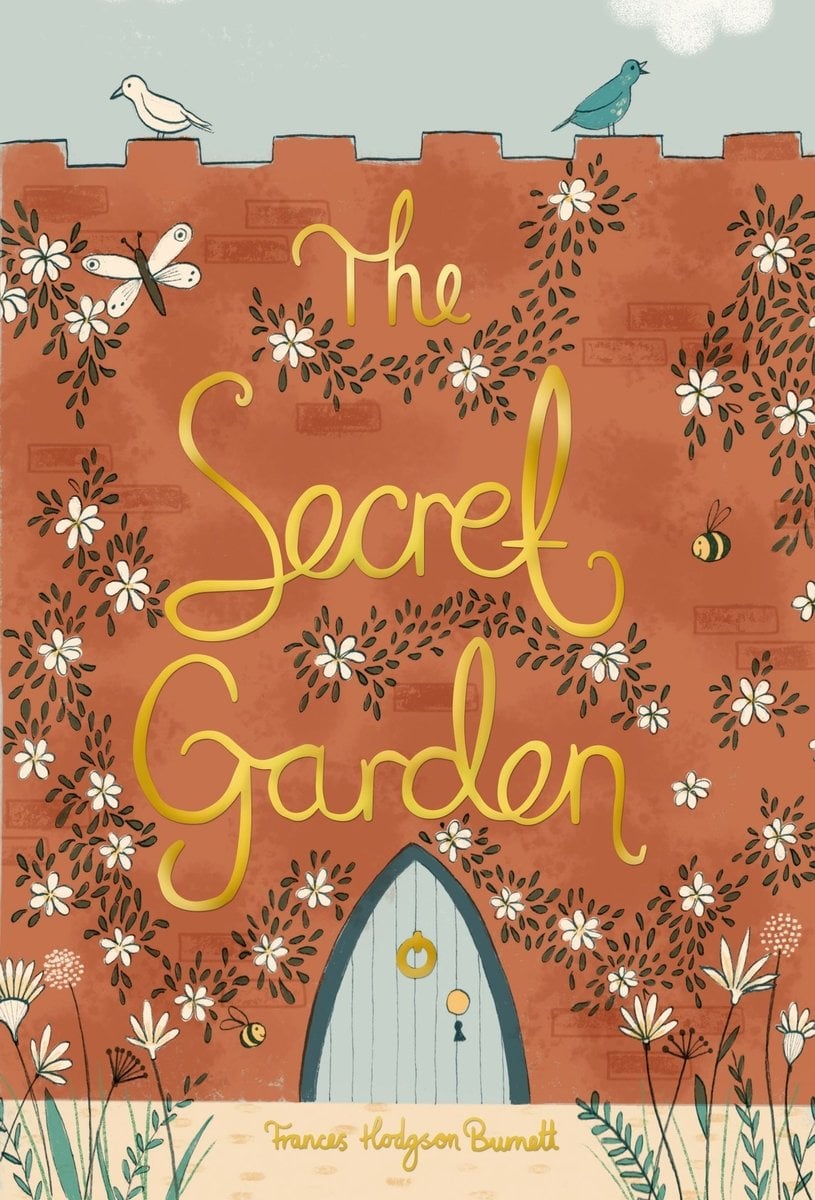
“I hate it here so I will go to
secret gardens in my mind
People need a key to get to
The only one is mine
I read about it in a book when I was a precocious child”
Taylor Swift, I Hate It Here
While gardens are a common motif in many Taylor Swift songs, the only time The Secret Garden has been explicitly mentioned is in her piece I Hate It Here. This song recounts Swift’s struggle with belonging, showing how the fickle nature of modern life often sends her escaping into her mind and the imagined bliss of her favorite childhood stories, including The Secret Garden. As the song goes on, Swift’s escapism is cast in more and more of a sorrowful light, implying that romanticizing a distant time period is just as harmful as shutting yourself away from real life.
The Pursuit of Love by Nancy Mitford
Nancy Mitford’s most famous novel, The Pursuit of Love, follows a young woman named Fanny who goes to stay with her eccentric relatives, the Radletts, in Gloucestershire. Through Fanny’s eyes, we see the romantic exploits of her cousin, Linda, who flits from man to man, growing bored with love affairs easily. To Linda’s consternation, her behavior is compared to Fanny’s mother, who was nicknamed “The Bolter” on account of all the husbands, partners, and even children she abandoned over the years.
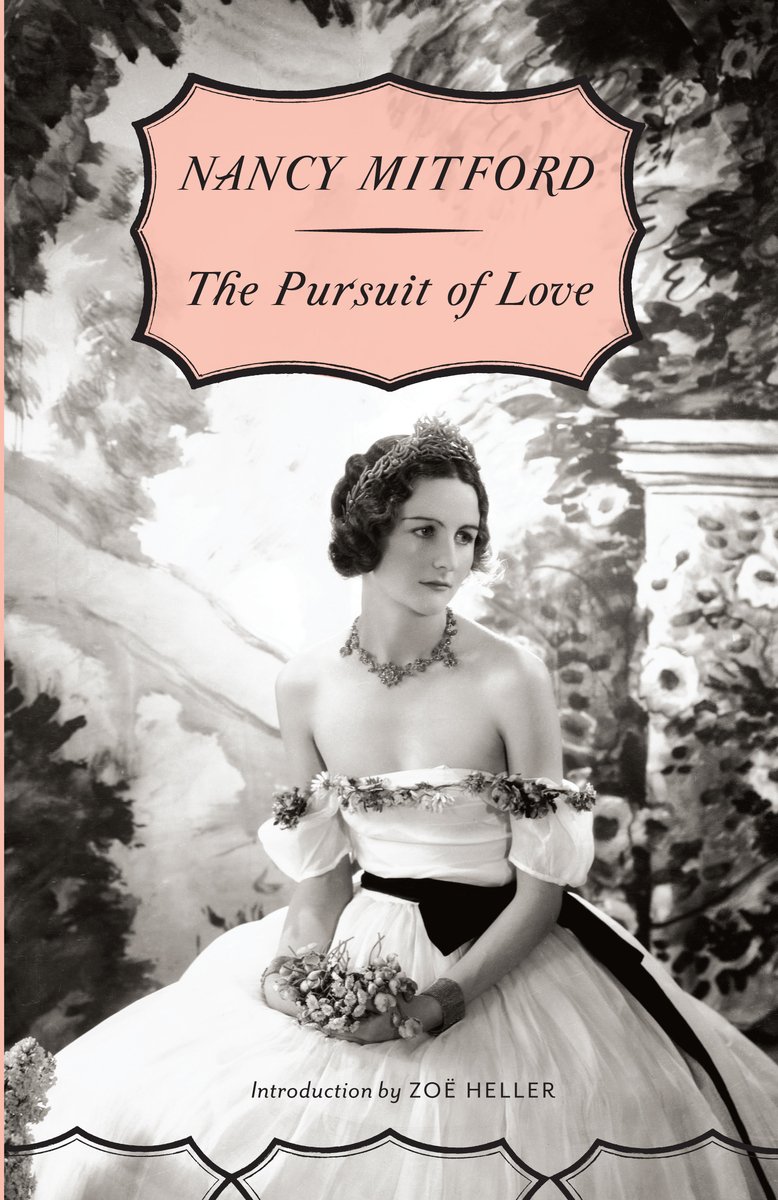
“Splendidly selfish, charmingly helpless
Excellent fun ’til you get to know her
Then she runs like it’s a race
Behind her back, her best mates laughed
And they nicknamed her ‘The Bolter’”
Taylor Swift, The Bolter
Taylor Swift fixates on these characters in her poignantly titled song, The Bolter. The speaker of this song tells the tale of a young woman also nicknamed “The Bolter” who runs from relationships and is mocked for her fickle sensibilities. Much of The Tortured Poets Department is incredibly personal, with The Bolter in particular possibly alluding to the judgment Swift has faced regarding her romantic life.
Little Women by Louisa May Alcott
Louisa May Alcott’s cozy and insightful novel, Little Women, follows the four March sisters as they mature and navigate love, loss, and career dreams against the backdrop of the American Civil War. As may be expected of a lyricist, Taylor Swift specifically fixates on the character Jo, the second-oldest daughter, who dreams of becoming a great writer.

“And the years passed
Like scenes of a show
The Professor said to write what you know”
Taylor Swift, The Manuscript
The final track of the Anthology section of The Tortured Poets Department, titled The Manuscript, is one of the rawest, most intimate songs Swift has ever written. In a soft and haunting tone, Swift traces her entire dating history, touching on the differences between the partners she’s had, especially the pain resulting from her famous age gap relationships she had when she was only 19 and 20. In the bridge, Swift says, “The Professor said to write what you know,” referencing Professor Bhaer in Little Women, who encourages Jo to stop writing her empty fairy and pirate tales and instead focus on material more personal to herself. Taylor Swift has received an exorbitant amount of criticism for unabashedly writing about her personal life, but in The Manuscript, she contends that “Lookin’ backwards / Might be the only way to move forward.”
The Rime of the Ancient Mariner and Other Poems by Samuel Taylor Coleridge
Samuel Taylor Coleridge is perhaps best known for his lengthy ballad, The Rime of the Ancient Mariner, which recounts the tale of a sailor who killed an innocent albatross and suffered because of it. Coleridge was a member of the famous Lake Poets, a group of English poets who all resided in the Lake District during the early 19th century. Swift references this group of literary greats in the lakes, a bonus track from the album folklore.
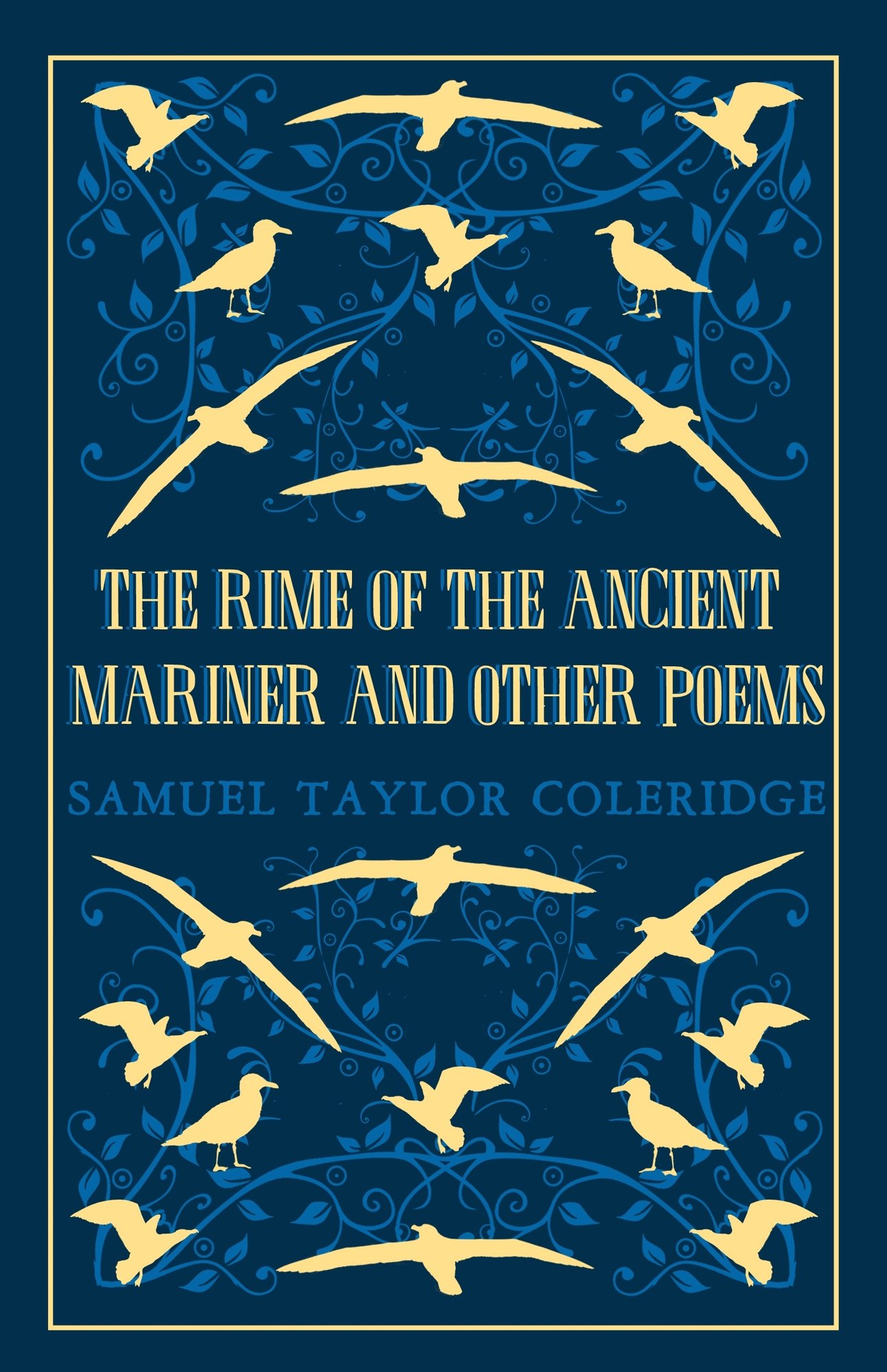
“Cross your thoughtless heart
Only liquor anoints you
She’s the albatross
She is here to destroy you”
Taylor Swift, The Albatross
In The Albatross, Swift fixates on the central image of Coleridge’s poem. The sailor in The Rime of the Ancient Mariner killed the albatross because he believed it to be a bad omen. The men in Swift’s song warn others about women (or, albatrosses) like herself, saying that they lead to destruction. As the song progresses, Swift hints at the flaws in their logic, namely that the men seek to place blame on an innocuous source (such as the albatross) rather than acknowledging that their crime of killing the innocent creature is actually what led to their misery.
A Wrinkle in Time by Madeleine L’Engle
Madeleine L’Engle’s classic fantasy novel, A Wrinkle in Time, follows the adventures of three children who are spirited away by mystical creatures in order to rescue a man named Mr. Murray. In order to save Mr. Murray and the universe itself, the children travel through rips (or “wrinkles”) in space and time, a system known as a tesseract.
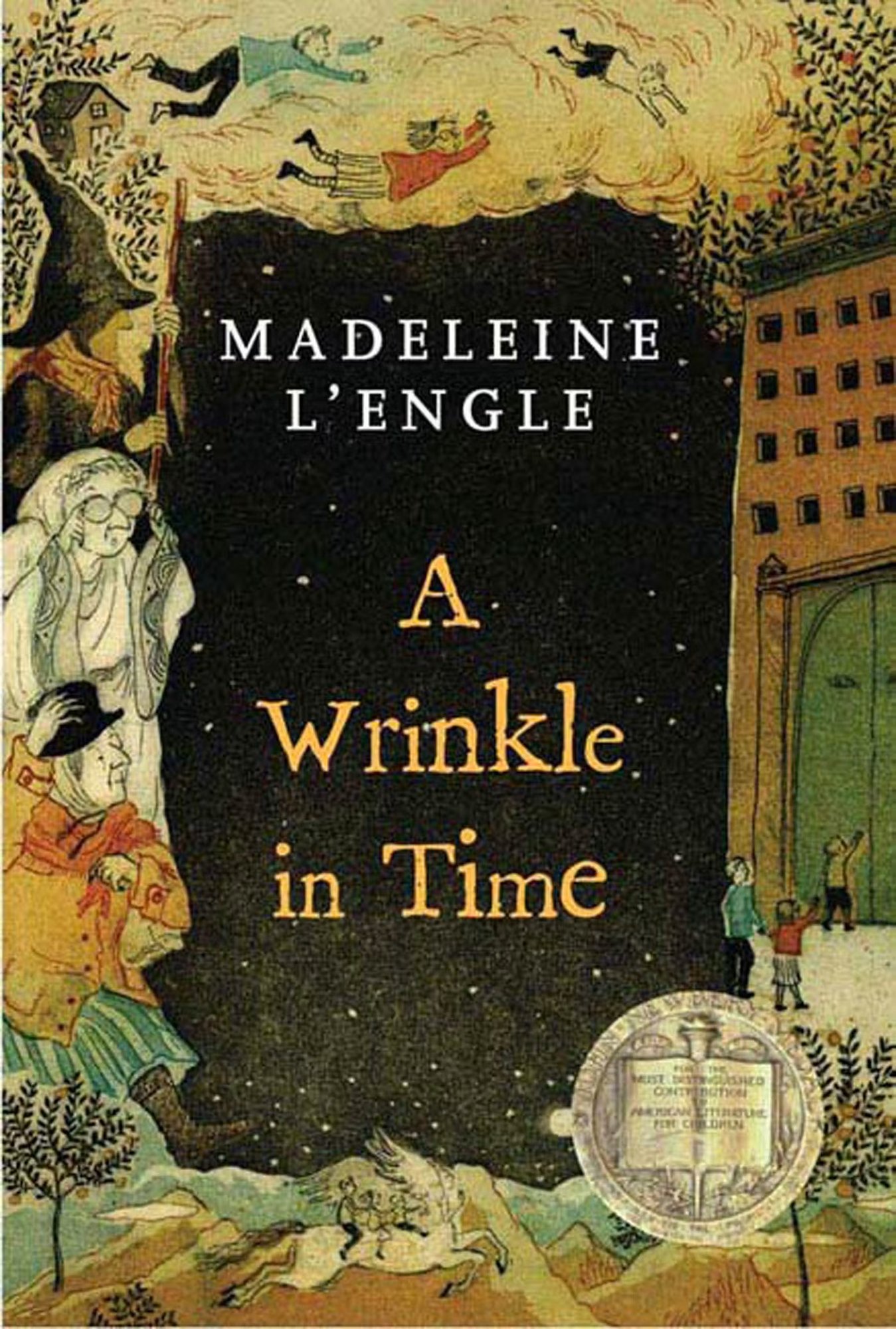
“I’ll drink what you think, and I’m high
From smoking your jokes all damn night
The brink of a wrinkle in time
Bittersweet sixteen suddenly”
Taylor Swift, So High School
In Swift’s song, So High School, she playfully describes her burgeoning relationship with football player Travis Kelce as full of the same excitement and nerves as her early high school dating years. Swift says her new youthful outlook has set her on “the brink of a wrinkle in time,” implying that her relationship is so purely fun and sweet that it feels as though she traveled back in time to being 16 again.
The Aeneid by Virgil, Translated by David West
Much like Homer’s The Iliad, Virgil’s epic Roman poem, The Aeneid, also tells the tale of the Trojan War. Yet, Virgil’s version of the story also incorporates the mythological figure Cassandra, a priestess who, after rejecting Apollo’s advances, is cursed to have accurate prophecies that will never be believed. In the case of the Trojan War, Cassandra foresaw the soldiers hiding within the wooden horse, but everyone attributed her pleas to madness, leading to the downfall of Troy.

“So, they killed Cassandra first ’cause she feared the worst
And tried to tell the town
So, they filled my cell with snakes, I regret to say
Do you believe me now?”
Taylor Swift, Cassandra
In Cassandra, Swift compares herself to the ill-fated mythological figure. The song focuses on her infamous feud with Kanye West and Kim Kardashian, which escalated in 2016 when West released a song with the lyric “I made that b*tch famous,” referencing the time he went viral for stealing the mic from Swift at the 2009 VMAs and disparaging her win. When Swift made a public statement saying that she had never approved of being referred to as “a b*tch” in the song, West and Kardashian released doctored videos and campaigned to make people believe that Swift was a liar and a “snake.” The intensity of the hate Swift faced at the time caused her to retreat from the public eye for a year. Like Cassandra, Swift was telling the truth throughout the whole ordeal, but wasn’t believed until many years later.
Hamlet by William Shakespeare
William Shakespeare’s sorrowful tale of the Prince of Denmark, Hamlet, is a pop culture staple, especially regarding the character Ophelia. Ophelia’s tragic ending is a common fixture in songs, with many lyricists focusing on the way she is mistreated by the men in her life.
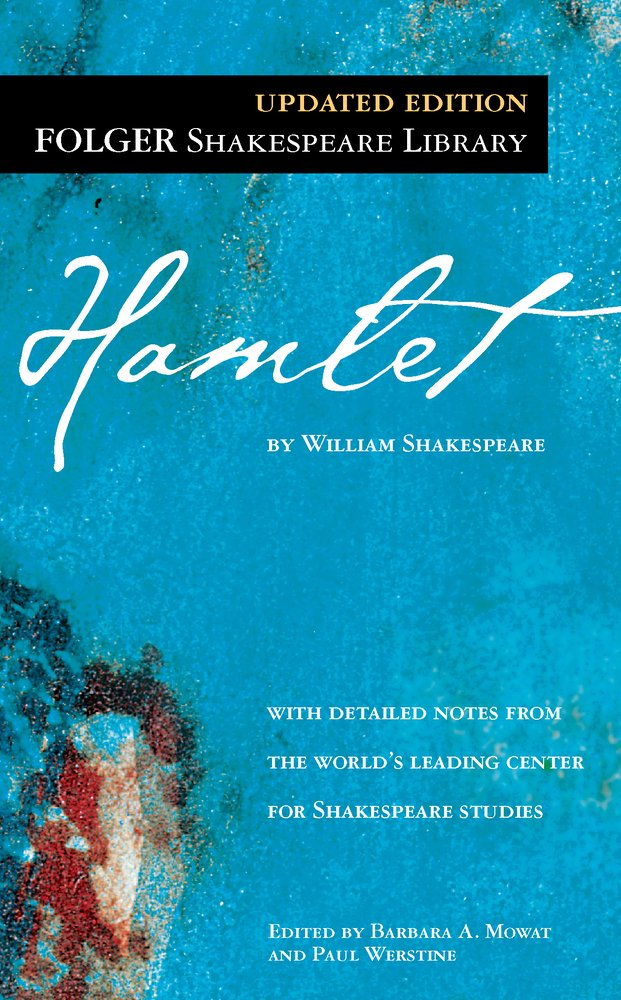
“You dug me out of my grave and
Saved my heart from the fate of
Ophelia”
Taylor Swift, The Fate of Ophelia
Much like Love Story, Taylor Swift’s song, The Fate of Ophelia, gives this Shakespearean tragedy a happy ending. The speaker in this song details how she could have met the same miserable end as Ophelia, but she was “saved” by meeting the caring partner she has now.
Macbeth by William Shakespeare
The final Shakespearean reference in Taylor Swift’s songs comes from his play Macbeth. Rather than referencing the Scottish king, Swift instead puts focus on the “weird sisters,” a trio of witches that Macbeth visits at the beginning of the play.

“Come with me, when they see us, they’ll run
Something wicked this way comes”
Taylor Swift, CANCELLED!
Swift’s song, CANCELLED!, from her latest album, The Life of a Showgirl, pokes at the vitriol Swift and her friends have faced in the media. The lyric “something wicked this way comes” is a direct reference to the Second Witch’s line in the first scene of Act IV. In the play, the irony of the line is that the scary, mystical witch is referring to Macbeth as the “wicked” thing. In CANCELLED!, much like the handling of “scarlet letter” in New Romantics, Swift embraces the “wicked” moniker.
From Taylor Swift to The Life of a Showgirl, Taylor Swift’s discography is chock-full of references to classic literature. The next time you’re listening to a Swift song, consider picking up the book that helped it come to life.
Searching for a book similar to your favorite Taylor Swift era? Click here.
Take a page from Taylor Swift and ignite your own creative inspiration with our Classics bookshelf on Bookshop.
