

















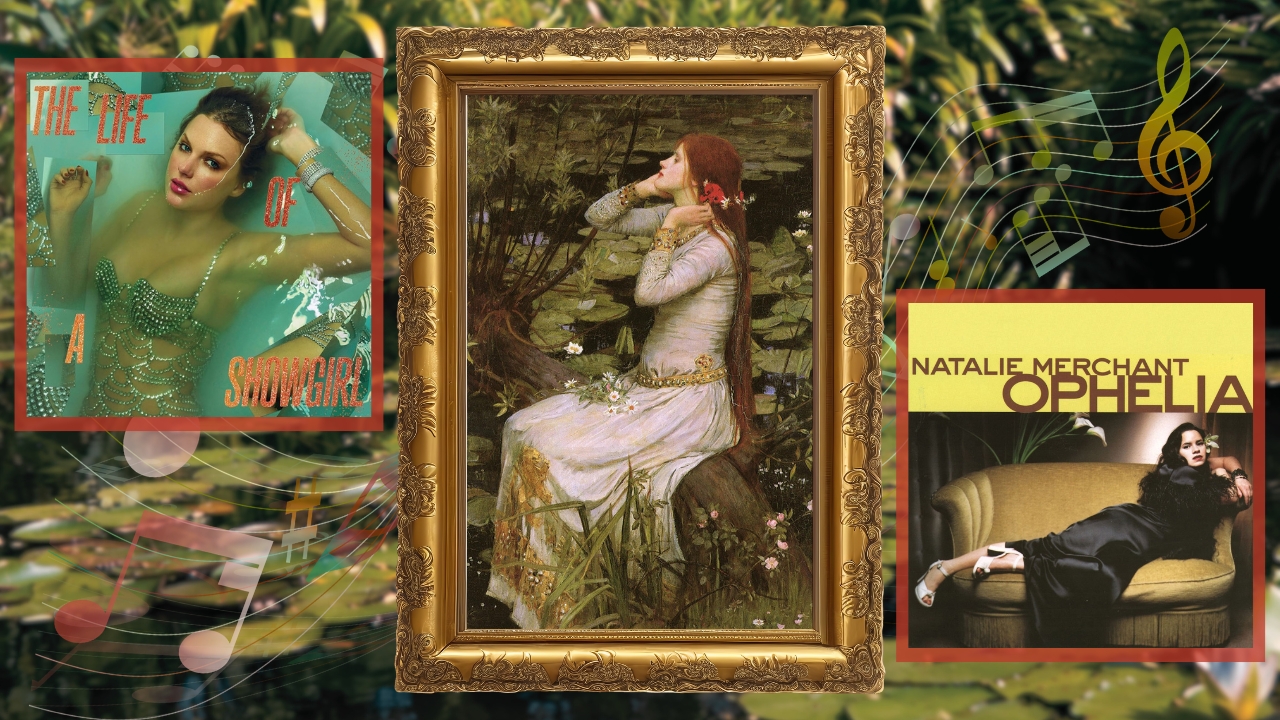
Ever since Taylor Swift dropped her album, The Life of a Showgirl, on October 3, 2025, everyone has been talking about the Ophelia imagery within it. From the content of the first track to the partially submerged cover art to the references within the music video, Ophelia’s presence in this otherwise glittery album is undeniable.
Dropping Shakespearean references in music is nothing new. For example, Romeo and Juliet are perhaps the most prolific Shakespearean characters in pop culture, providing countless inspiration for artists both old and new. Even Swift referenced these fated lovers in her hit song, Love Story. But the pull to Ophelia’s tragedy and madness is unique and nearly as powerful. Join us as we dive deeper into Ophelia’s presence in music and discover why her story has maintained cultural relevance for hundreds of years.
Trigger Warning: This article contains references to suicide and emotional abuse. Please exercise personal care while reading.
Content Warning: This article contains spoilers for the play Hamlet by William Shakespeare.
Understanding Ophelia’s Mystique
Ophelia appears in Shakespeare’s play, Hamlet, as the only daughter of King Claudius’s advisor, Polonius, as well as Hamlet’s girlfriend. While she begins as a virtuous, kind-hearted young woman, she slowly descends into madness as a consequence of Hamlet’s quest for vengeance. She is treated as a pawn in both Hamlet’s and Polonius’s schemes, yet remains unaware of their mutual manipulation of her. Hamlet disparages Ophelia’s character when she attempts to remind him of the love they once shared, throwing her into despair. Her despair then reaches unfathomable heights when Hamlet accidentally murders her father, mistaking him for the king. Ophelia is driven to insanity by her grief, which ultimately leads to her death.
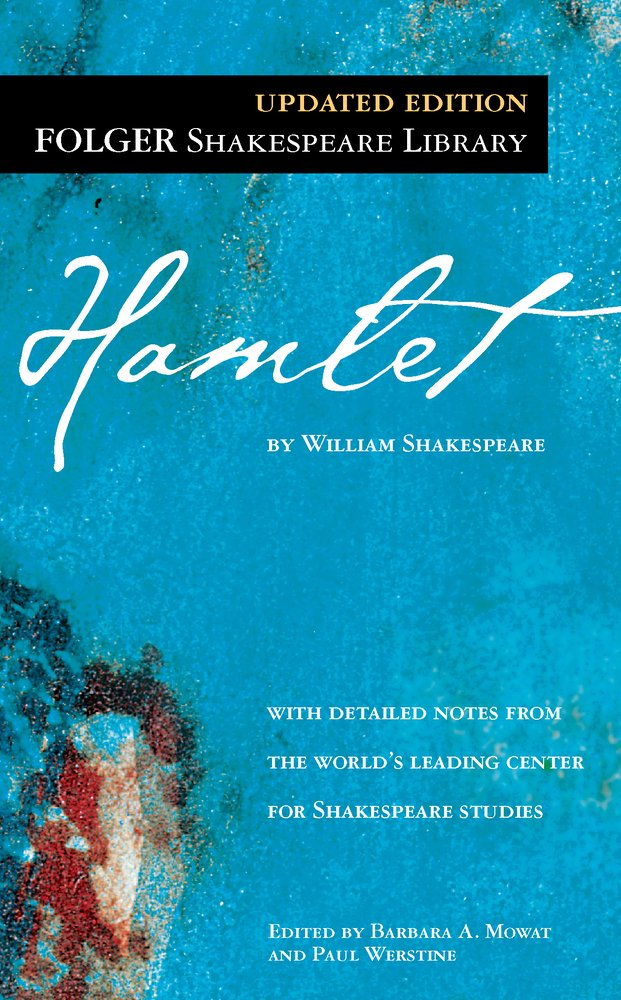
These later events of the play, namely Ophelia’s madness and her mysterious demise, are the aspects that have caused her character to leave a lasting impression on the script. When Ophelia wanders into the royal chambers near the end of Act Four, Hamlet’s mistreatment and her father’s murder have thrown her into complete turmoil. She appears not to be entirely aware of anyone else’s presence and sings a series of songs about jilted lovers and mourning the dead.
“He is gone, he is gone,
And we cast away moan:
God ha’ mercy on his soul!
And of all Christian souls, I pray God. God be wi’ ye.”
William Shakespeare, Hamlet, Act IV Scene v
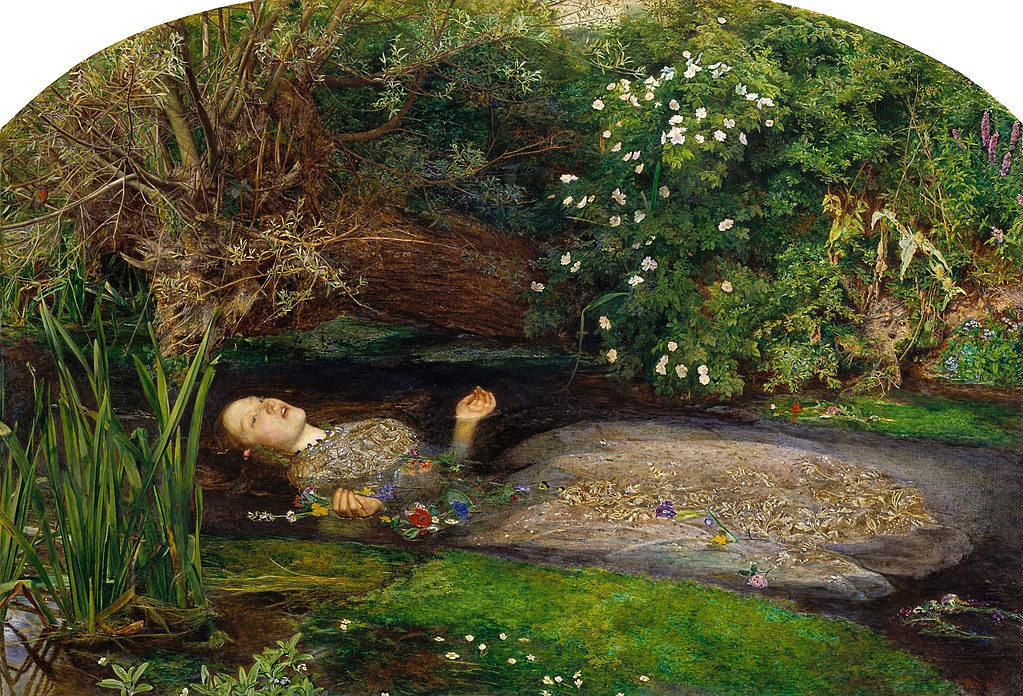
Ophelia exits in a feverish haze, and it is revealed two scenes later that she has drowned. The true circumstances of her death are never fully answered, but many believe it to be a suicide.
“Her clothes spread wide;
And, mermaid-like, awhile they bore her up:
Which time she chanted snatches of old tunes;
As one incapable of her own distress,
Or like a creature native and indued
Unto that element: but long it could not be
Till that her garments, heavy with their drink,
Pull’d the poor wretch from her melodious lay
To muddy death.”
William Shakespeare, Hamlet Act IV Scene vii
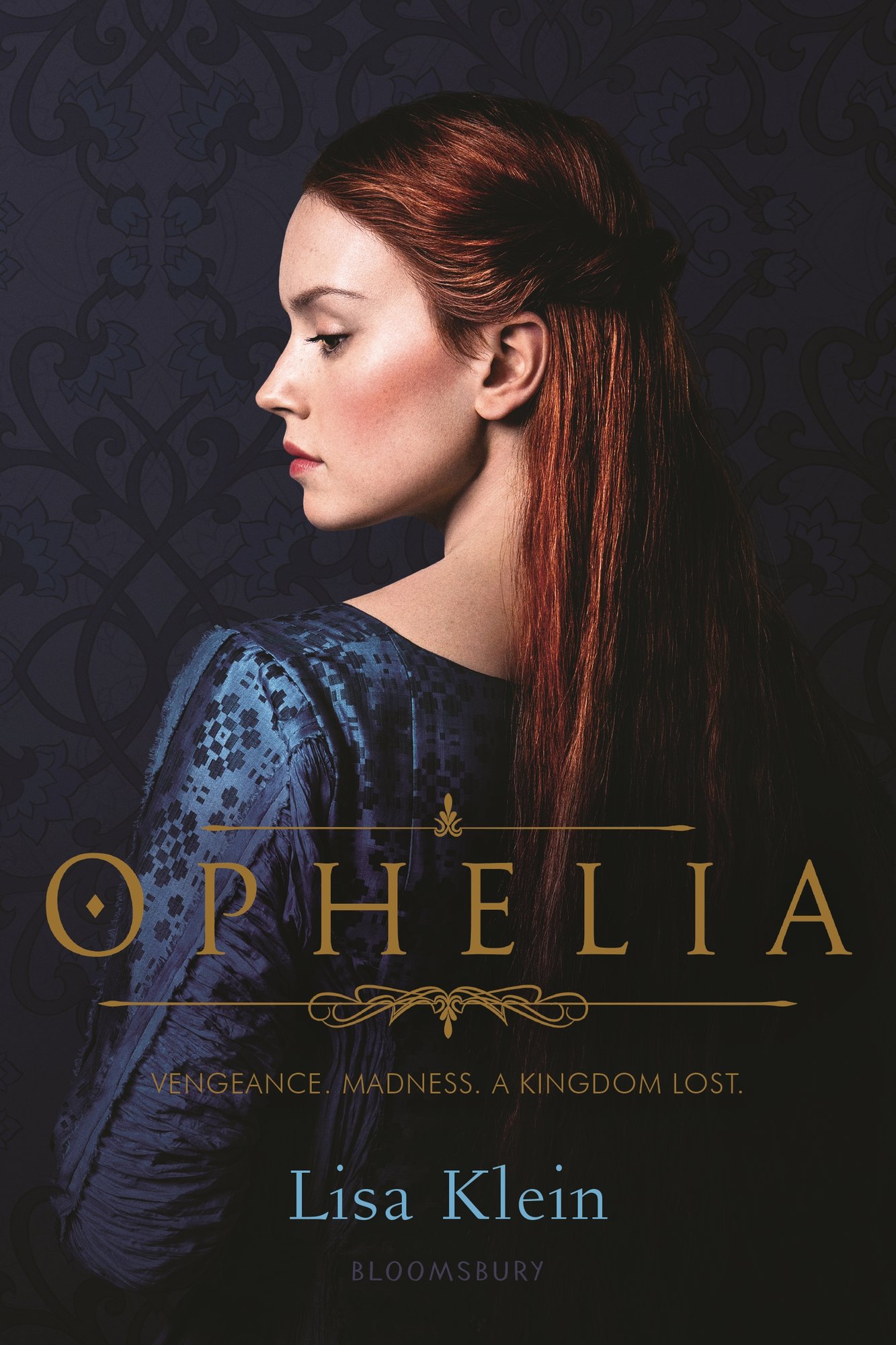
This iconic image of Ophelia in the water has appeared again and again, from classical paintings to modern album covers. Regardless of whether her death was by suicide or accidental, Ophelia’s untimely demise is one of the main draws to her tragic tale. Artists of all types have sought to capture and explore the nuances of her story. For example, Lisa Klein’s acclaimed novel, Ophelia, retells Shakespeare’s play through Ophelia’s perspective. Klein’s interpretation accentuates the cruelty that is visited upon Ophelia by the men in her life. This idea of centering Ophelia’s perspective in a male-dominated story, as well as challenging the why of her madness, has also been explored by many musicians.
Desolation Row by Bob Dylan (1965)
Genre: Folk, Classic Rock
“Ophelia, she’s ‘neath the window
For her I feel so afraid
On her twenty-second birthday
She already is an old maid
To her, death is quite romantic
She wears an iron vest
Her profession’s her religion
Her sin is her lifelessness”
Bob Dylan, Desolation Row
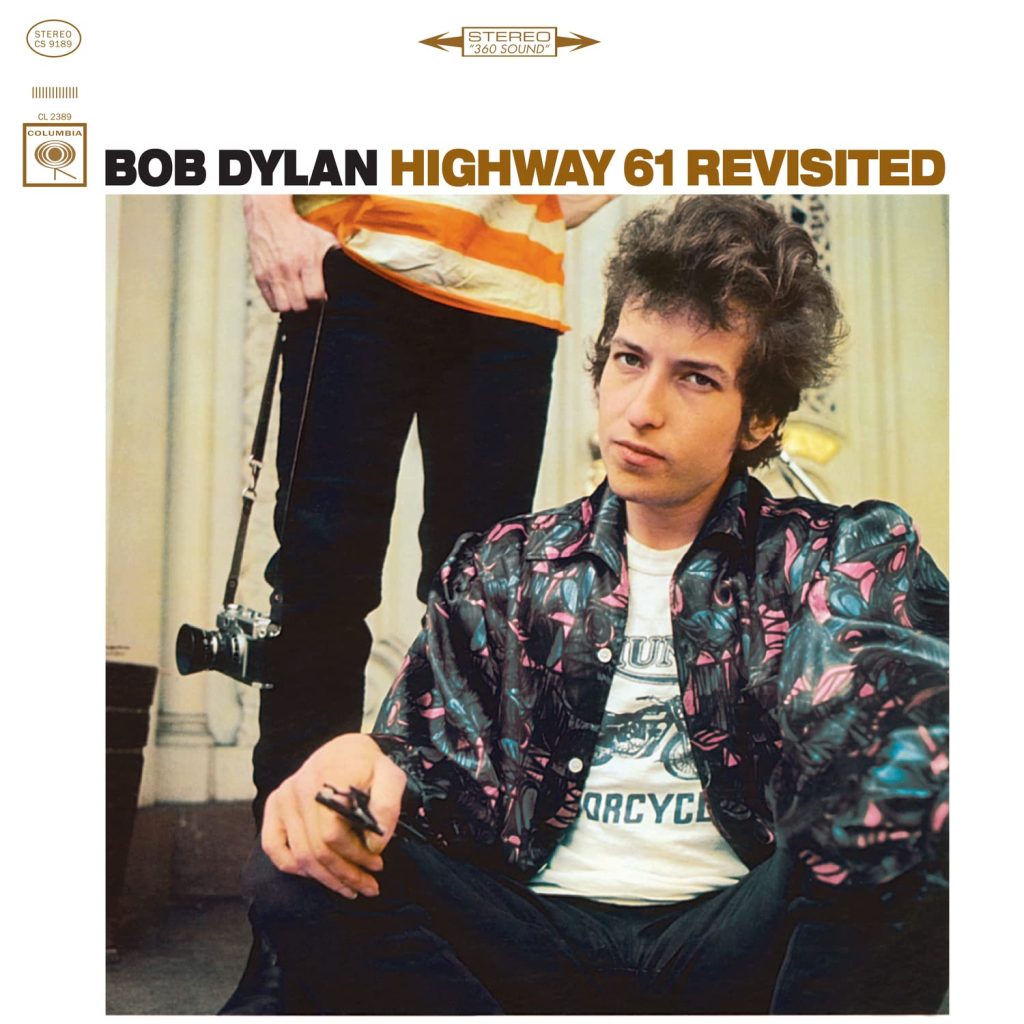
Bob Dylan’s folk epic, Desolation Row, is a play on “Skid Row,” a rundown neighborhood in Los Angeles, and a term that has now become synonymous with seedy, unkempt city streets. Each of the song’s ten verses is populated with different tragic characters desperately soul-searching within the fictional Desolation Row. One of these characters is Ophelia, and her verse focuses on how she was ill-used by her lover, Hamlet. The narrator fears for her life because they believe her obsession with death and suffering will lead her to die by suicide. And though she was deeply devoted to her religion in her lifetime, God will turn his back on her in death because suicide is a sin. This verse harkens back to the gravedigger scene in Hamlet, wherein the gravediggers preparing for Ophelia’s funeral debate over whether or not she should be allowed a Christian burial, given the circumstances of her passing.
Ophelia by The Band (1975)
Genre: Classic Rock
“Ashes of laughter, the ghost is clear
Why do the best things always disappear
Like Ophelia”
The Band, Ophelia
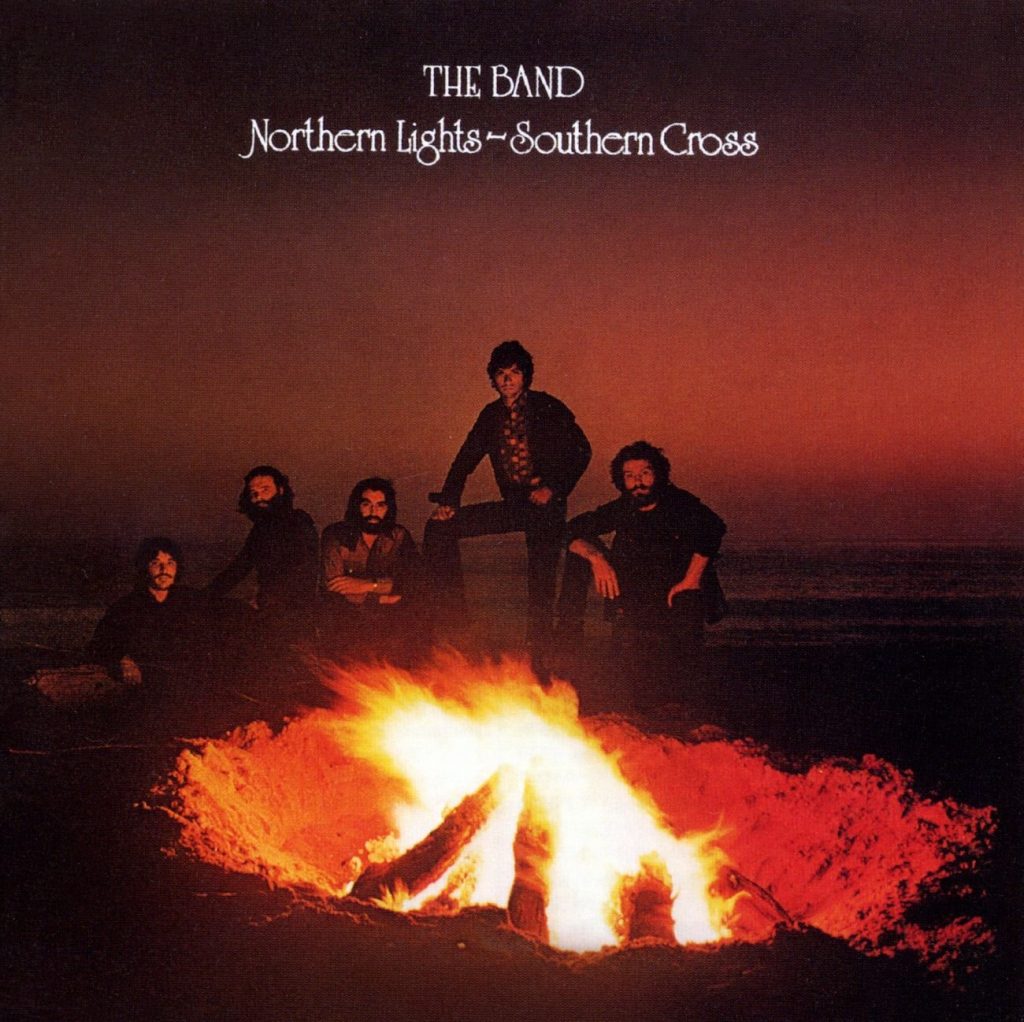
In a departure from Dylan’s song, Ophelia by The Band is a more metaphorical reference to the character. In this rock number, Ophelia is the narrator’s lover who has vanished with no explanation. While this song does not contain as many explicit homages to Hamlet, the fixation on death is still alluded to in the lyrics, with phrases like “the ghost is clear” or “Honey, you know I’d die for you.” This may speak to Hamlet’s devotion to Ophelia. Though he manipulates her for personal gain, when he discovers that she has died, he leaps into her casket and wails that no one’s sorrow could outweigh his — not even that of her brother, Laertes.
Touch Me Fall by Indigo Girls (1994)
Genre: Folk Rock
“Touch me, I’m so beautiful
Rub your hands across my head, just like this
Come with me now, it’s not worth it if you don’t
Are you hiding? I am hiding”
Indigo Girls, Touch Me Fall
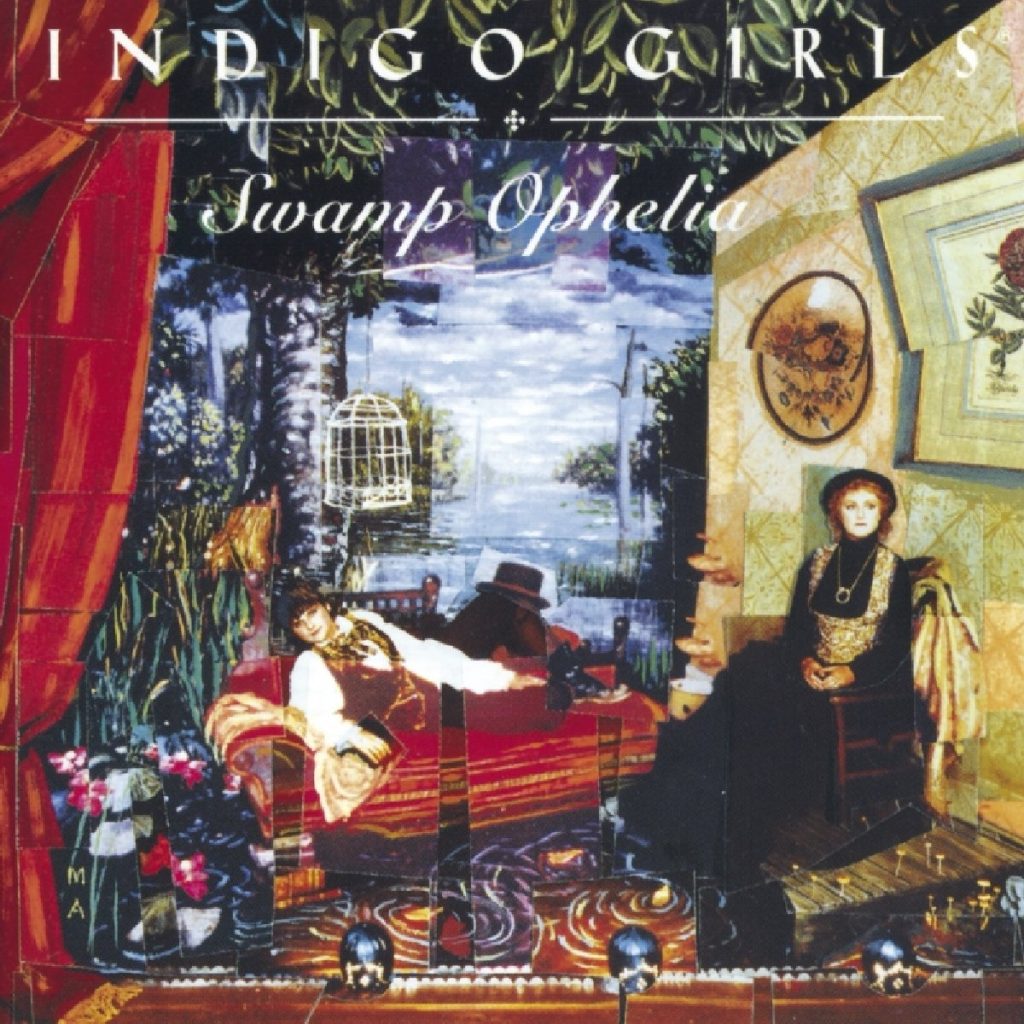
The haunting folk ballad Touch Me Fall by the Indigo Girls, unlike the first songs on this list, is from Ophelia’s perspective. The lyrics are dripping with desperation, and the instrumentals grow increasingly chaotic as Ophelia feels more and more powerless to stop the destruction around her. The fixation on her beauty in the chorus and her desire to be held is heartbreaking and recalls the early scene in the play where Hamlet asks if he may “lie in her lap,” alluding to sexual matters. The repetition of “come with me” speaks to Ophelia’s wish to save Hamlet from his madness, again echoing when Ophelia tells her father she fears for Hamlet’s safety and begs Polonius to help her mend her love.
Ophelia by Natalie Merchant (1998)
Genre: Pop, Folk
“Ophelia’d know your ev’ry woe
And ev’ry pain you’d ever had
She’d sympathize, dry your eyes
And help you to forget”
Natalie Merchant, Ophelia
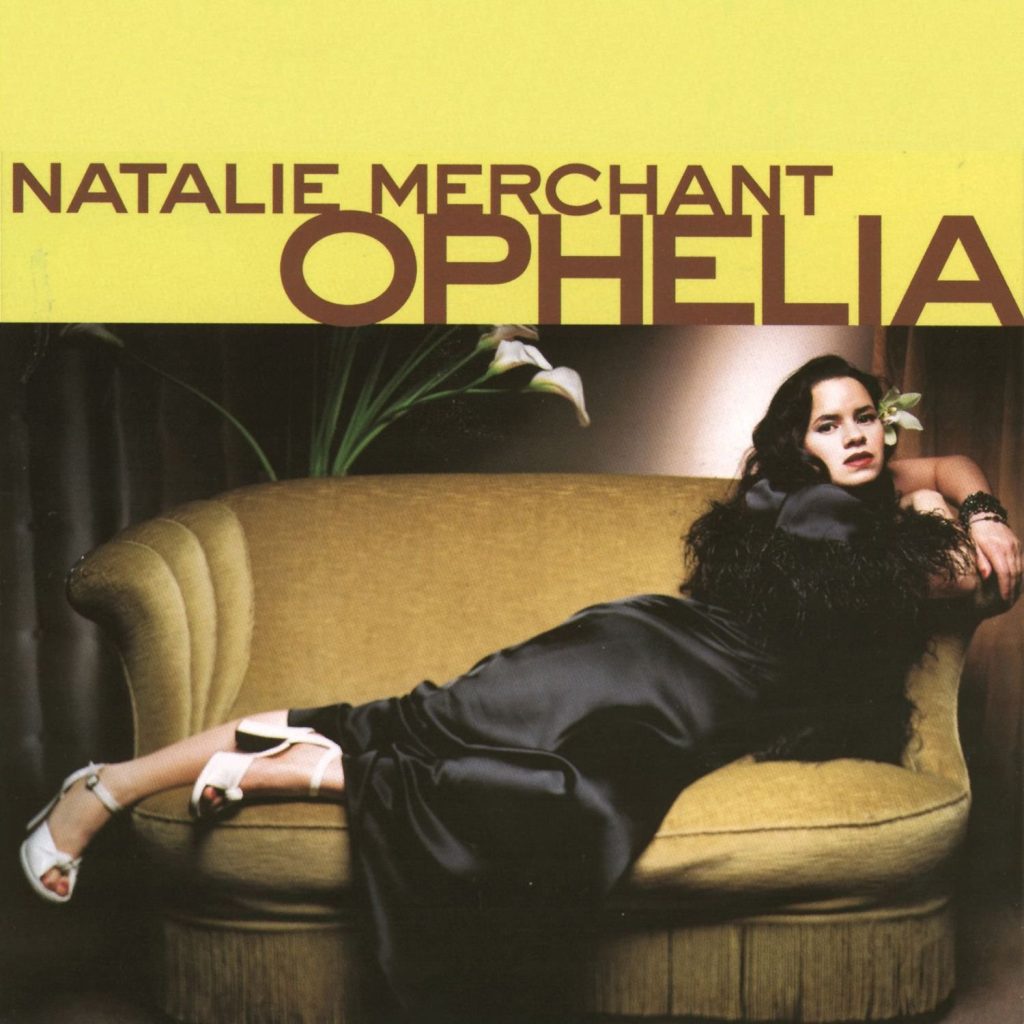
Natalie Merchant’s Ophelia is an ode to the contradictory roles women are expected to play in society. Each line names Ophelia as a different type of disenfranchised woman, such as a suffragist or a prostitute. She morphs into each new role, always isolated, objectified, and suffering. This interpretation of the Ophelia story dips into the feminist conversations surrounding this character’s role in recent years. Simply put, Ophelia’s death could have been prevented if it were not for the cruelty of the men in her life.
Cry Ophelia by Adam Cohen (1998)
Genre: Pop
“You say you wanna learn how to live your life without tears
But we’ve been trying to do that for thousands of years
So go on and cry Ophelia
It’s the only thing to do sometimes”
Adam Cohen, Cry Ophelia
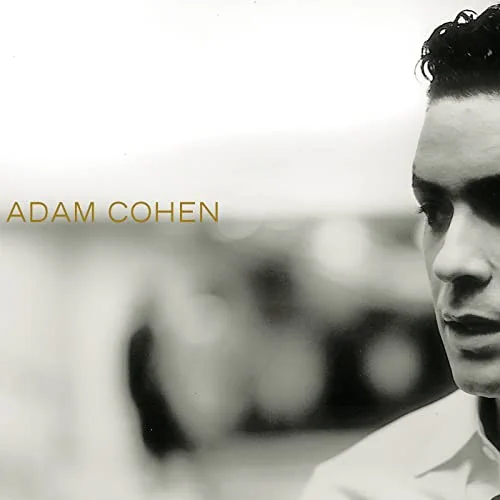
Cry Ophelia by Adam Cohen, as the title suggests, focuses on Ophelia’s depression. In this song, the narrator laments that Ophelia has changed, no longer smiling or laughing as she used to. When Ophelia descends into madness in the play, the characters are similarly shocked and disturbed by her shift in character, and are unsure how to help her. The line in the song “Tryin’ to draw the line between who you are and who you invent,” is comparable to Ophelia’s own line, “Lord, we know what we are, but not what we may be.” In other words, we are blind to our fates. Cohen’s interpretation is slightly less dark, instead commenting on the idea of our outward appearance versus our internal truth.
Opheliac by Emilie Autumn (2006)
Genre: EDM, Classical
“When everything and everyone
Becomes my enemy and when
There’s nothing more you can do
I’m gonna blame it on you
It’s not the way I want to be
I only hope that in the end you will see
It’s the Opheliac in me”
Emilie Autumn, Opheliac
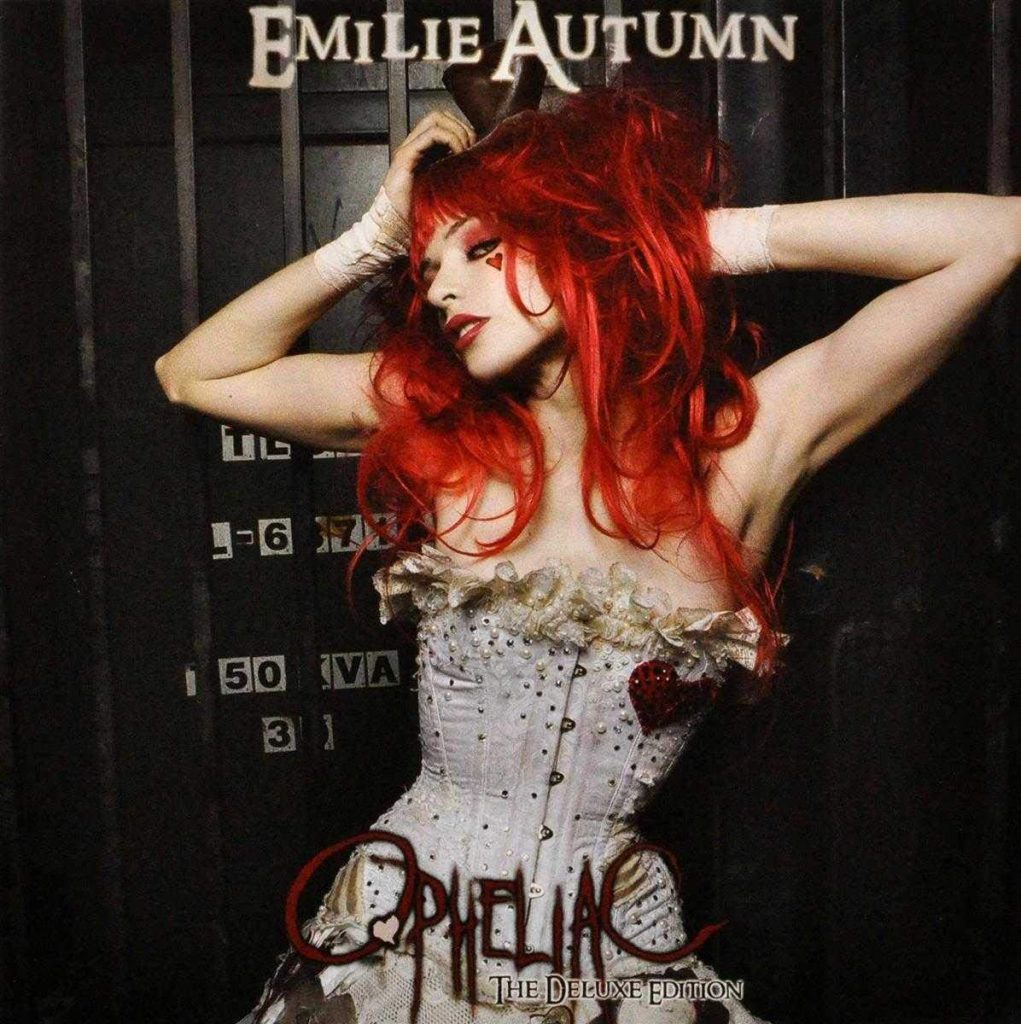
Similar to Natalie Merchant, Emilie Autumn’s song, Opheliac, comments on the disparity women face in the world. Being an “Opheliac” is drawn from Ophelia’s reputation as a “mad woman.” Autumn questions Ophelia’s agency in her insanity, pointing the blame at the men who drove her to the point of no return. The song switches between an even classical tone and a chaotic EDM beat, speaking to the disconnect in Ophelia’s mind. Autumn even quotes one of Hamlet’s famed love poems in the song, reminding the listener that his careless manipulations of Ophelia’s heart and feelings are the true culprit.
Ophelia by The Lumineers (2016)
Genre: Folk Rock, Indie
“Oh, Ophelia
You’ve been on my mind, girl, since the flood
Oh, Ophelia
Heaven help the fool who falls in love”
The Lumineers, Ophelia
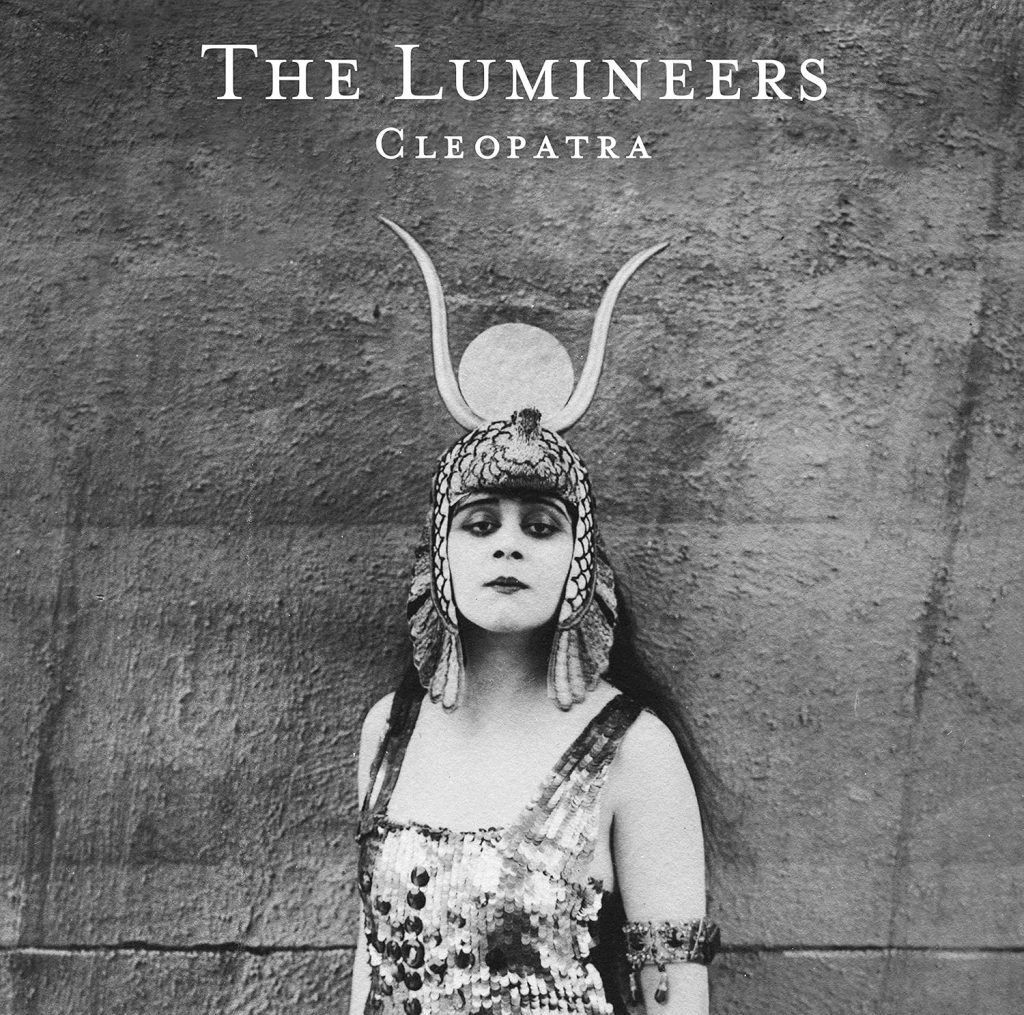
In Ophelia, The Lumineers use this tragic figure as a touchstone for the madness of fame. The narrator collects things in life that society says should be enough for him (i.e., money and a girlfriend), yet feels numb to the attention they provide. This is reminiscent of Hamlet’s perspective in the play. His pursuit of revenge blinds him from the good he still has around him. Ophelia’s love and his status as Prince of Denmark are enviable achievements, yet Hamlet is ignorant of the good they can provide him.
The narrator of Ophelia eventually loses his girlfriend, and the only thing she bothers to write in her breakup letter is “Honey, I love you.” Upon reading her note, the only thing the narrator can then think of is Ophelia, speaking to the tragedy of a fickle lover who takes his good fortune for granted.
The Fate of Ophelia by Taylor Swift (2025)
Genre: Pop, Synth-pop
“The eldest daughter of a nobleman
Ophelia lived in fantasy
But love was a cold bed full of scorpions
The venom stole her sanity”
Taylor Swift, The Fate of Ophelia
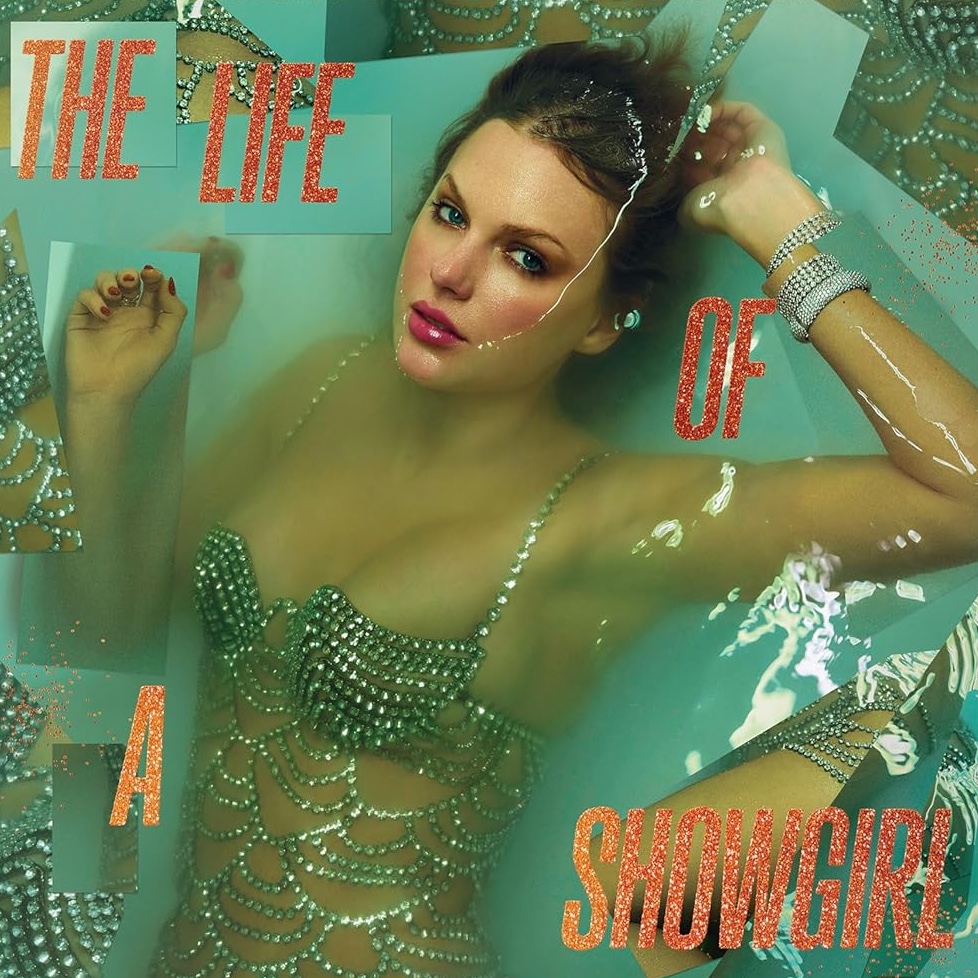
Rather than a dark dirge on succumbing to despair, Taylor Swift’s The Fate of Ophelia is instead the story of escaping from her tragic destiny. Like the artists before her, Swift touches on Ophelia’s heartbreak, signaling to the listener that her madness is merely a byproduct of being mishandled by her feckless lover. Without a romantic hero to rescue her, Swift may have “drowned in the melancholy,” like Ophelia. The music video is full of rich Ophelia imagery, as well as polished showgirl splendor, implying that, like The Lumineers, Swift’s madness may not be entirely at the fault of a jilted lover but also the cruelty of show business itself. The Fate of Ophelia takes this classic tragedy and flips it on its head, turning it into a fairytale-like narrative of survival.
Ophelia’s appeal to artists spans decades, mediums, and genres. Her story retains significance due to the helplessness of her fate; Ophelia is robbed of the life she could have lived by outside forces beyond her awareness and control. Her sorrow, while devastating, is sadly relatable. How many of us have been misused by society and driven to the brink by the heartlessness of others? Revisiting Ophelia’s tale helps us to contextualize our pain and find our voice and power when she could not.
Interested in another intersection of music and books? Click here.
Find other stories as timeless as Ophelia’s on our Classics bookshelf on Bookshop.
