

















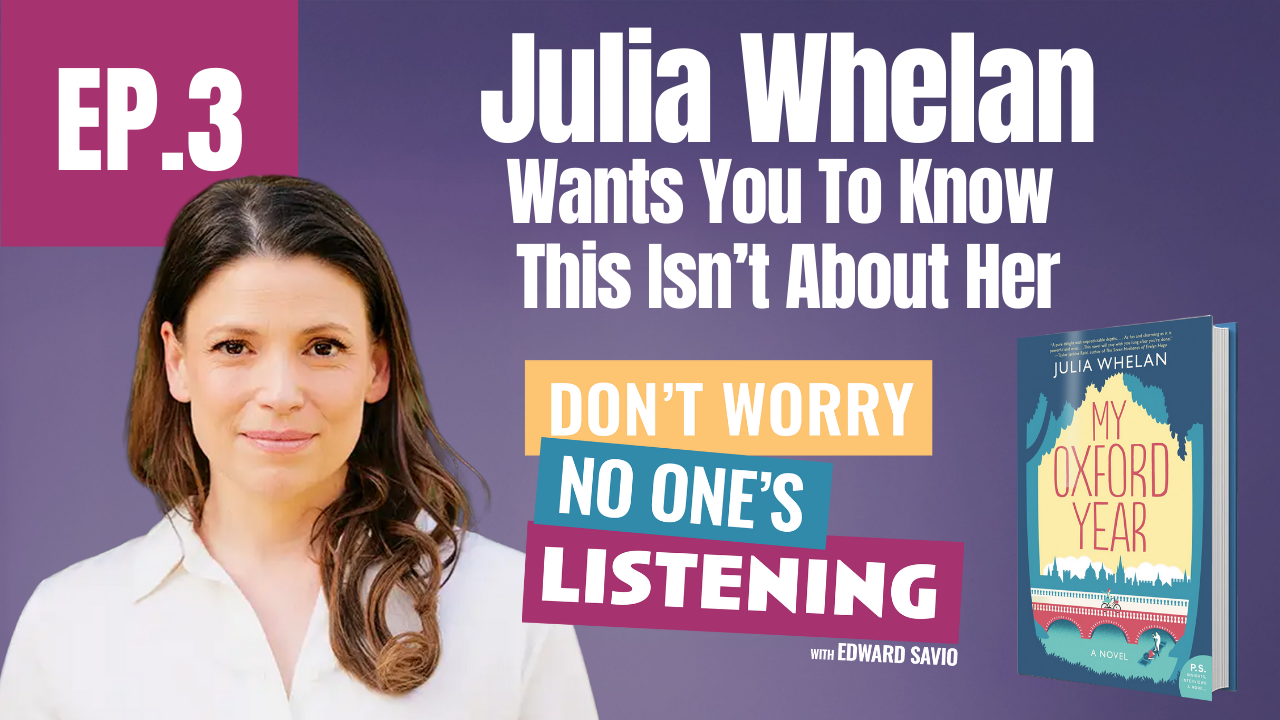
Julia Whelan has made a career out of guiding readers into other people’s worlds—sometimes dozens of them in the span of a single audiobook. But in this episode of Don’t Worry, No One’s Listening, she turns that skill inward, tracing the winding and improbably interconnected path from child actor to award-winning audiobook narrator to bestselling novelist. What emerges is a portrait of someone who has spent her entire creative life reinventing what a voice can do.
The conversation with host Edward Savio begins with self-deprecating humor—Whelan jokes she’s “much funnier on the page”—and quickly opens into something deeper: a story about learning to trust the instincts that shaped her, long before she knew she’d be writing novels of her own.
The Improv Trauma That Never Left
One of the early anecdotes sets the tone. When she was eight, performing in a kids’ improv group, she begged her dad to come watch. His response lodged in her mind for decades:
“Why would you want someone to hear your first draft?”
That became, unintentionally, the beginning of her writing philosophy. First drafts, she insists in this episode, aren’t meant for audiences.
From Child Actor to Literary Discovery
Whelan’s journey into storytelling started early. She worked steadily as a teenager, especially during her years on Once and Again, the ABC series that she describes as “prestige TV before prestige TV.”
But the work also spoiled her. After collaborating with creators like Winnie Holzman, she found it hard to get excited about anything else. She left Hollywood to study writing, not expecting a second act behind the microphone.
When she graduated from Middlebury with a creative writing degree—and no clear career path—an unexpected door opened. A family friend suggested audiobooks, a medium she “knew nothing about,” and one that, at the time, barely resembled the booming industry it would become.
It was supposed to be a stopgap. Instead, it became a vocation.
Building a Career in an Industry That Didn’t Yet Exist
Whelan remembers when audiobooks were mostly a library market, not a global cultural engine.
“This was not a viable career 15 years ago.”
— Julia Whelan
She has watched the medium expand into something that demands artistry as much as stamina. Acting skills matter. Vocal dexterity matters. But so does the ability to understand a story from the inside out. When Whelan starts a new title, she narrates scenes straight through, flipping between characters in real time, and that internal fluency carries into her writing.
On Dialogue Tags
While many writers still add “she said” and “he said” after dialogue, in her writing, Whelan avoids most dialogue tags properly, and she explains why:
“It was written specifically with audio in mind… I got rid of all the dialogue tags, and it was so freeing.”
Her dual careers speak to the same instinct—honor the sound of a voice, whether spoken or written.
Her Approach to Writing — Anti-Prescription, Pro-Why
Whelan is skeptical of prescriptive writing advice.
“The advice ‘Write every day’ is actually kind of harmful.”
— Julia Whelan
She argues that much of writing happens away from the keyboard—while walking, thinking, processing. Savio agrees that most of writing is thinking.
What Julia does believe in is clarity of purpose. When asked if she gets writer’s block, she says. “Never.”
“I always have a why for why I’m writing something… I’m never sitting there being like, ‘Why should this exist?’”
— Julia Whelan
It’s the kind of craft insight that hides under the breezy charm of her novels—revealing itself completely in a long conversation like this one.
Looking Back, Looking Forward
As the conversation widens, Whelan reflects on the constellation of influences that shaped her—some direct, some aspirational, all meaningful. Among them is Ray Porter, whose performances she calls foundational. “Ray Porter is the reason I’m an actor,” she shares, describing listening to him long before she ever imagined narrating herself. She hasn’t worked with him yet, but the admiration remains a creative north star, a reminder of how a voice, used well, can expand the emotional bandwidth of a story.
That sense of artistic lineage threads naturally into her thoughts about the DWNOL format itself. Off-camera, she shared how rare it is to have an extended, pressure-free conversation with another writer—something that isn’t built like an interview but more like two craftspeople comparing notes in an empty room. On air, she gestures toward this freedom in her own way:
“It’s so much better when no one’s listening.”
— Julia Whelan
It’s not an empty line. It’s the philosophy behind her work. Whelan thrives in the space where performance and privacy intersect—where a voice can carry someone else’s story but still remain rooted in an interior world of her own making. In DWNOL, she finds a version of that space in conversation: slower, more honest, more curious, and—like her fiction and narration— built on the intimate act of paying close attention.
You can listen and/or watch Episode 3—Julia Whelan: Wants You To Know This Isn’t About Her—on Spotify, Apple Podcasts, YouTube, and most likely wherever you get your podcasts. Come for the laughs; stay for the craft. And don’t worry… no one’s listening.
About Julia Whelan
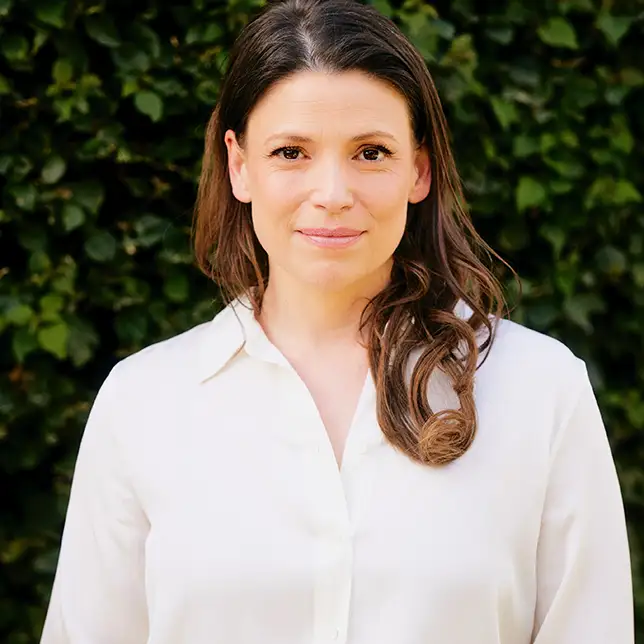
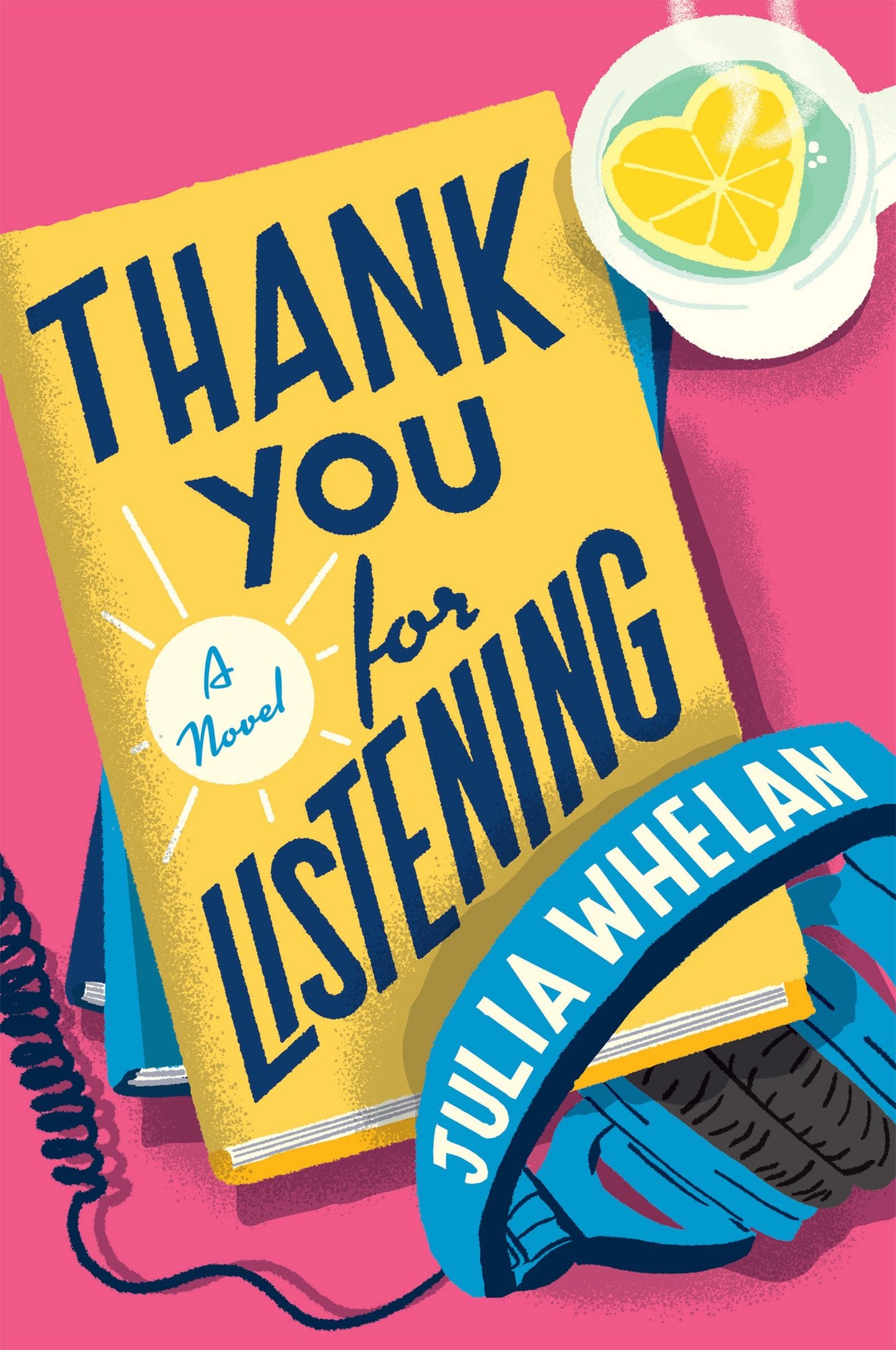
An award-winning child actor from ABC’s cult classic Once and Again, and costar of Secret Life of Zoey, Julia Whelan went on to star in a number of TV movies, and guest-starred on shows like NCIS, The Closer, and Castle. As a writer, Julia Whelan is an award-winning author of the international best seller My Oxford Year—now a Netflix film—the critical darling Thank You For Listening, and her latest Audie-nominated Casanova, LLC. As a narrator, Julia Whelan’s been aptly dubbed “The Adele of Audiobooks” by The New Yorker. She’s performed over 700 audio titles, including Gone Girl, People You Meet On Vacation, Atmosphere, and won the Gracies Award for Fiction Audiobook Narrator for her work on The Women. Whelan’s been named Audible’s Narrator of the Year, has won multiple Audie Awards, including Best Fiction Narrator of 2025, and been crowned 2025’s Top Narrator of the Year by Spotify Wrapped. She’s also narrated long-form journalism for the NY Times and is the founder of her own audio publishing company, Audiobrary.
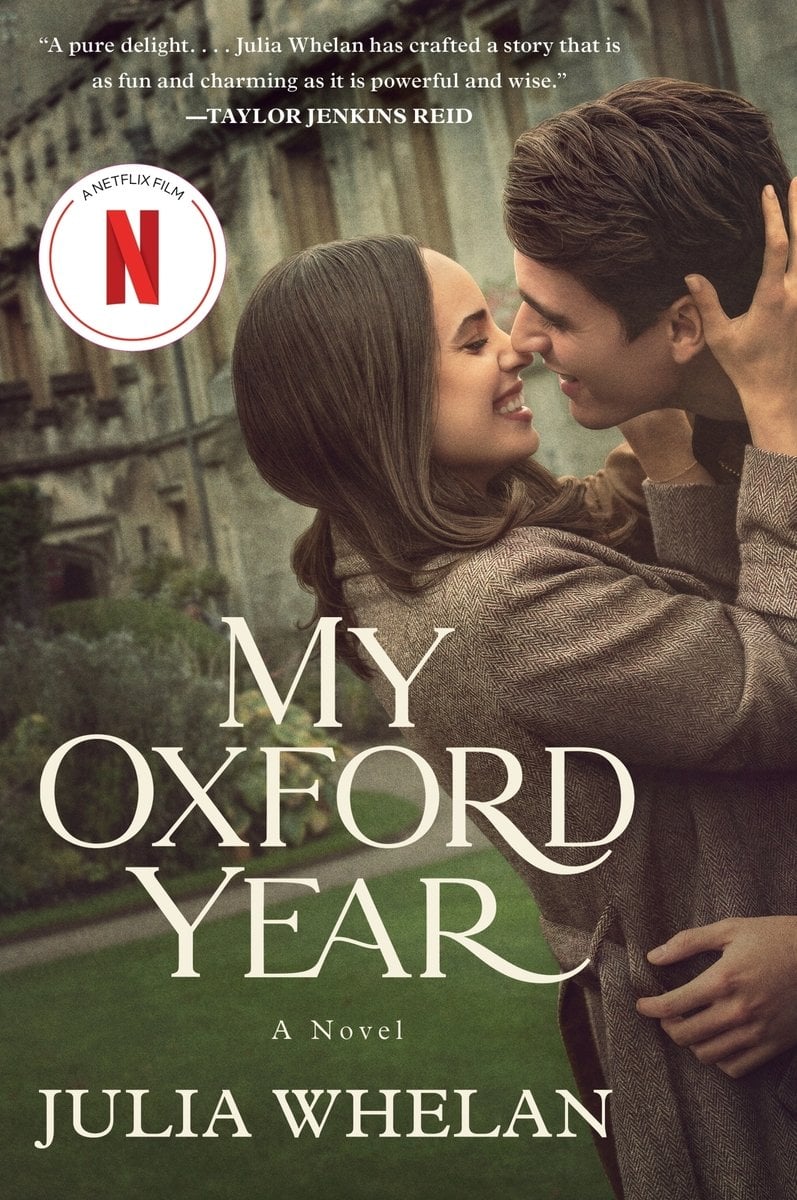
Want to learn more about Julia and her book-to-streaming adaptation My Oxford Year? Check out our one-on-one interview with the voice of audiobooks here.
About Edward Savio

Wil Wheaton narrated the first two books in his humorous Science Fiction series, The Battle For Forever (Alexander X, Ancient Among Us), with the third of four planned books, League of Auld, narrated by Ray Porter. His latest novel, The Velvet Sledgehammer, is definitely NOT sci-fi and NOT safe for work, but IS funny and poignant, and he performed the narration himself because he couldn’t in good conscience ask anyone else to read what’s in it out loud.
He divides his time between the East and West Coasts. He once nearly drove Val Kilmer over a cliff.
You can find his latest releases on his website and follow along with his witty takes and posts on his socials: Instagram, Facebook, X, LinkedIn, TikTok, YouTube, and Mastodon.
Want to read more from Edward Savio? Check out his articles here.
Pick up Greg’s book from our Don’t Worry, No One’s Listening Bookshop shelf.
