

















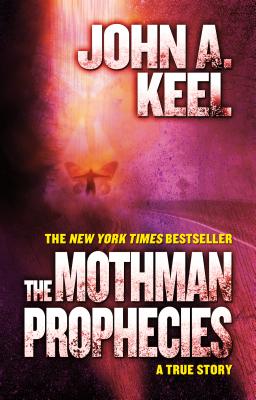
Mothman, an elusive figure of West Virginian folklore, first emerged in the 1960s, captivating the public with its eerie presence. The legend began on November 12, 1966, when gravediggers reported a shadowy, winged figure in the skies. Although initially dismissed as a misidentified sandhill crane, the legend of Mothman gained traction, especially after the Silver Bridge collapse in 1967, which some believed Mothman had ominously foretold. John Keel’s 1975 book, The Mothman Prophecies, and its 2002 film adaptation (starring Richard Gere!) further cemented Mothman’s status in modern American pop culture.
The fuzzy cryptid’s association with the hazardous TNT Area adds an eerie layer to its mythos, suggesting that Mothman might embody a blend of environmental transformation and human emotion. Beyond the chilling military mystery, Mothman resonates with social outcasts and acceptance, striking a deep chord with those who see parallels between the cryptid and marginalized groups. Mothman’s story has evolved into a symbol of misunderstood and vilified creatures, mirroring the struggles of those who face societal prejudice. As a figure of both fear and fascination, Mothman has become a modern myth that offers a unique lens through which to explore themes of identity, love, and acceptance.
Who Is Mothman?
Mothman, a figure deeply rooted in West Virginian folklore, first gained prominence in the 1960s when gravediggers reported seeing a shadowy figure flying overhead. This initial sighting set off a wave of reports, with the most notable instance occurring just a few days later. On November 15, 1966, two couples, the Scarberrys and the Mallettes, claimed to have encountered a seven-foot-tall, slender, winged figure near Point Pleasant. According to their accounts, the entity followed their car out of town, intensifying the mystery and fear surrounding the sightings.
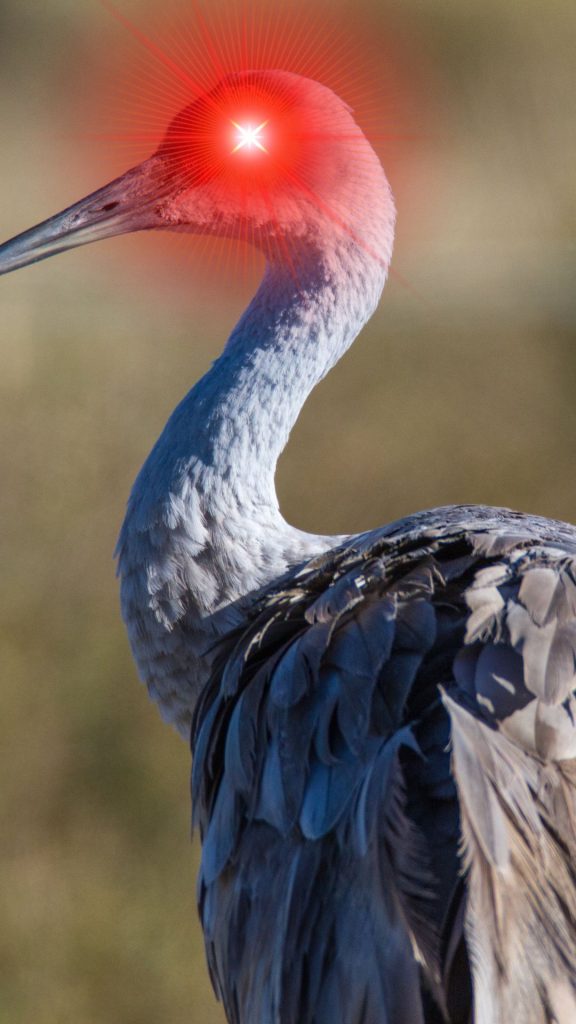
The local media initially speculated that the mysterious figure might have been a crane, as suggested by a headline in the Gettysburg Times, which read, “Monster Bird With Red Eyes May Be Crane.” However, this theory faced skepticism as sandhill cranes are not native to West Virginia and would be far beyond their usual migration path during that time of year. Typically, sandhill cranes migrate south through the mid-US, with their closest migratory route crossing from Tennessee into Georgia, which is 426 miles from Charleston, West Virginia (estimated from Chattanooga, TN).
Despite several more sightings in the days that followed, Mothman quickly became a piece of local folklore rather than a widely accepted phenomenon. The initial reports described a “large white apparition, flying at high speed with 10-foot wings,” which fueled the public’s imagination. The legend took on a darker tone after the collapse of the Silver Bridge over the Ohio River, leading many to view Mothman as a harbinger of doom.
From First Sighting to Legend
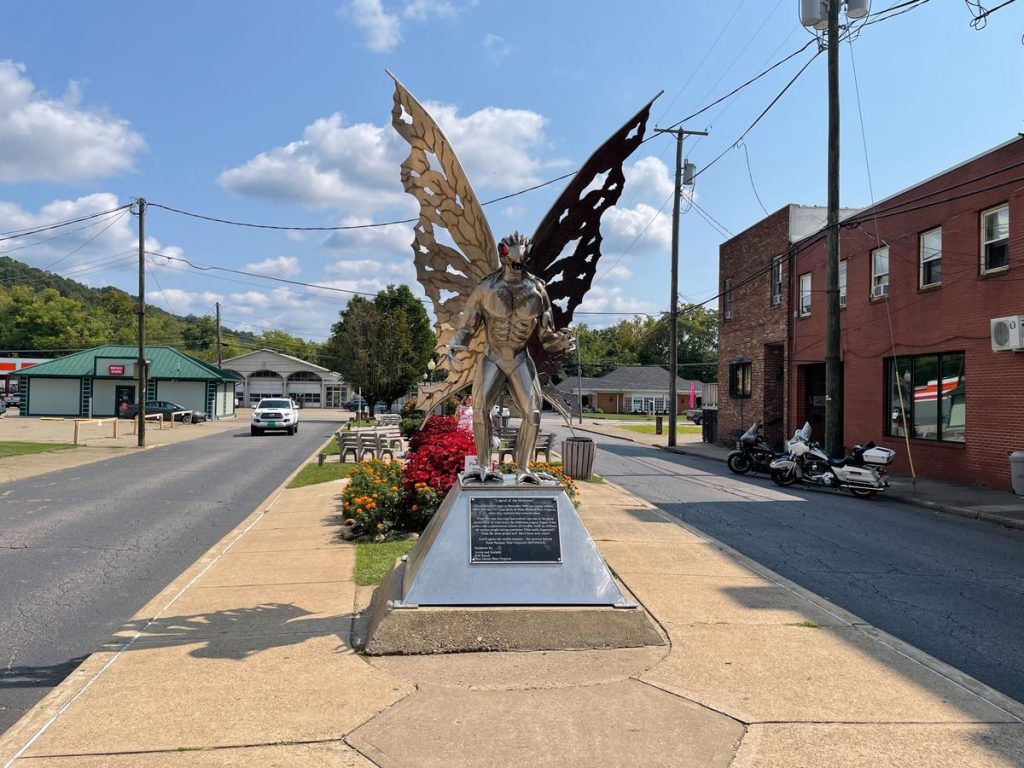
The story of Mothman gained national attention with the publication of John Keel’s book, The Mothman Prophecies, in 1975. This book and its subsequent film adaptation expanded the cryptid’s legacy far beyond its West Virginian roots, cementing Mothman’s place in modern American culture. The modern cryptid’s legacy lives on through its statue in Point Pleasant, WV (pictured below), and Mothman romance novels, of course!
As a modern myth or cryptid, Mothman’s origins are relatively recent, but his presence has ignited intriguing speculation. One prominent theory ties Mothman to the TNT Area, a former World War II munitions site once known as the West Virginia Ordnance Works. This 8,000-acre area, initially used for ammunition manufacturing, was notorious for storing their product in “igloos” to keep them away from nearby communities. After the war, the site fell into disarray, transitioning to a wildlife refuge and landfill before being revealed in the 1980s to be severely contaminated with hazardous byproducts.
The TNT Area was officially labeled a Superfund Site in 1983 and is still undergoing decontamination. This hazardous environment has led locals to speculate that Mothman might have risen and resided within one of these old igloos or some other part of the contaminated wasteland. Could Mothman really be the West Virginian version of Spiderman exposed to radioactive material and transformed into a cryptid of mystery? We may never know.
Why We Love Mothman
Mothman and other misunderstood, vilified creatures have curiously evolved into queer icons, reflecting a deep connection to outcasts and the “imperfections” that make them relatable. Throughout history, members of the queer community have faced ostracism similar to the mythical fiends of fairytale lore, often being pushed to the margins of society with prejudice as severe as the literal torch-wielding mobs that chased these fictional monsters.
The portrayal of Mothman in John Keel’s The Mothman Prophecies further solidified this outcast association, showcasing a satisfying subversion of the negative rhetoric historically used against marginalized groups, and elaborated on the humanity within the monsters. This reclamation and re-appropriation of the monster archetype have turned the narrative into a critique of societal norms, reflecting “otherness” as a mirror held up to mainstream culture to expose its absurdities and oppressive tendencies.
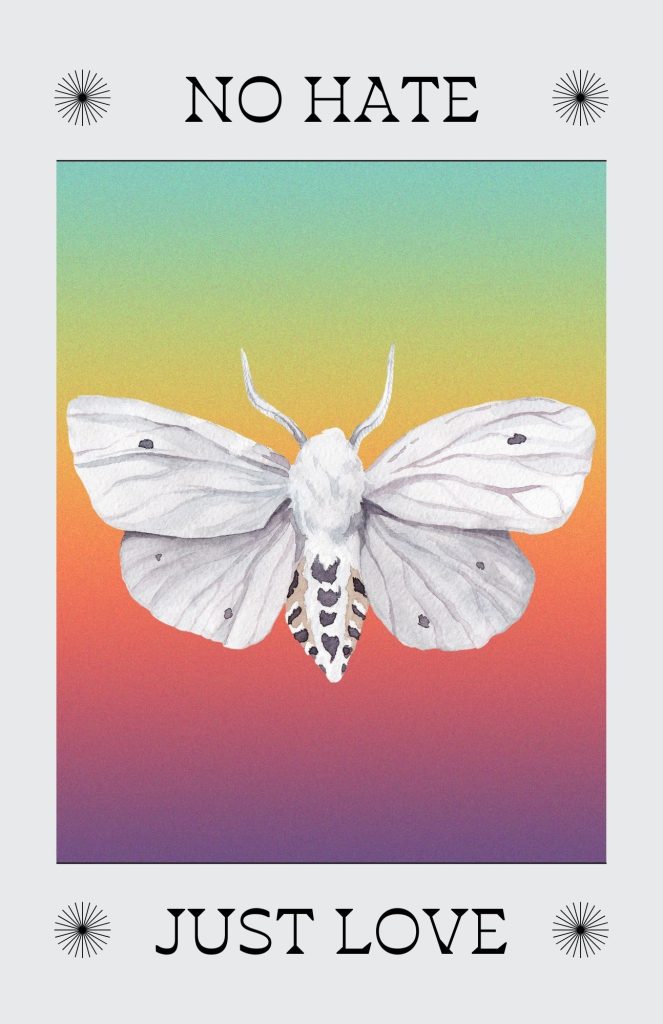
Monster romances have surged in popularity for several additional reasons, too. They offer a way for individuals to explore and identify hidden aspects of themselves–most often gender identity and sexuality–without being constrained by traditional gender identity roles and stereotypes. Such stories provide a unique space where potential vulnerabilities can be addressed within romantic contexts, offering both validation and human connection. The appeal of dating the “undateable” often lies in the acceptance of one’s own perceived flaws and the desire for a relationship that transcends conventional boundaries. Monsters in fiction (typically) don’t judge based on societal norms, class, body shape, or quirks — they embrace and cherish their partners as they are. This non-judgmental acceptance allows readers to envision and reflect on their own romantic desires and identities, creating a spectrum of sexuality within the story that aligns with their personal experiences and aspirations.
Fiery Mothman Fiction
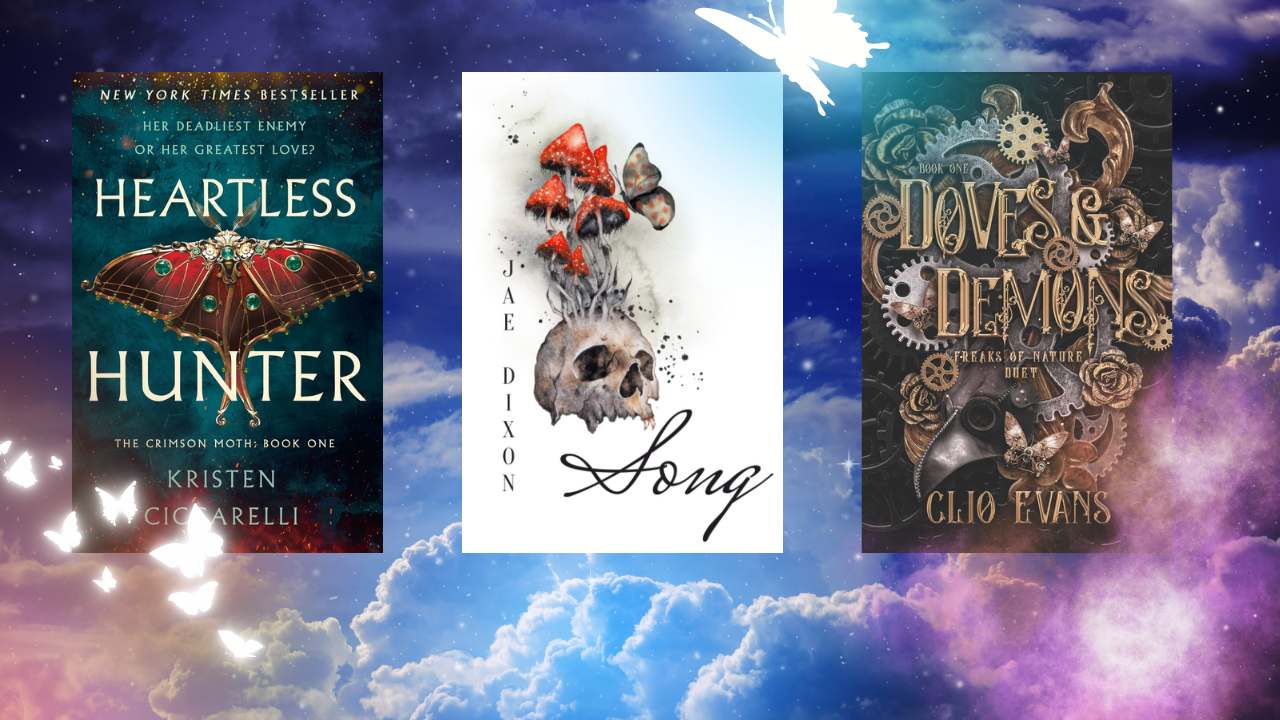
Heartless Hunter by Kristen Ciccarelli
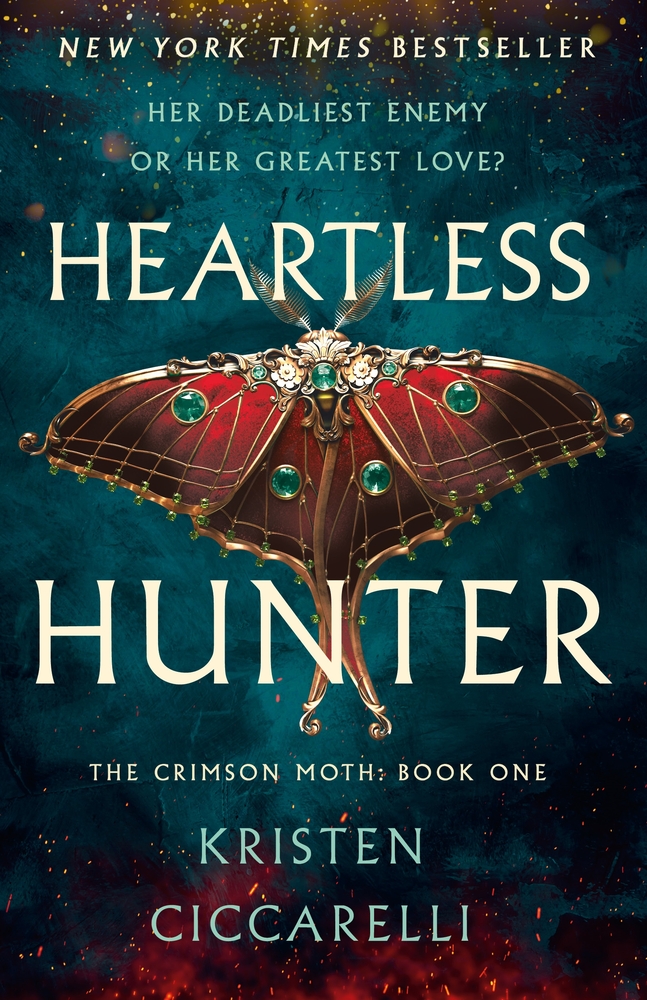
YA Romantasy. The night Rune’s life changed forever, blood ran through the streets, leaving witches hunted and reduced to outcasts. Now, Rune hides her true identity as a witch by day, posing as a vapid socialite, while by night, she becomes the Crimson Moth, a vigilante rescuing her kind from persecution. When a rescue mission fails, she seeks to gather crucial intelligence by courting Gideon Sharpe, a notorious witch hunter loyal to the revolution. Despite Gideon’s disdain for Rune’s superficial persona, he soon discovers her true nature — an intelligent and tender soul who feels like his perfect match. Yet, as he becomes entangled in her world, he faces the harrowing possibility that she might be the villain he has sworn to destroy.
Song by Jae Dixon
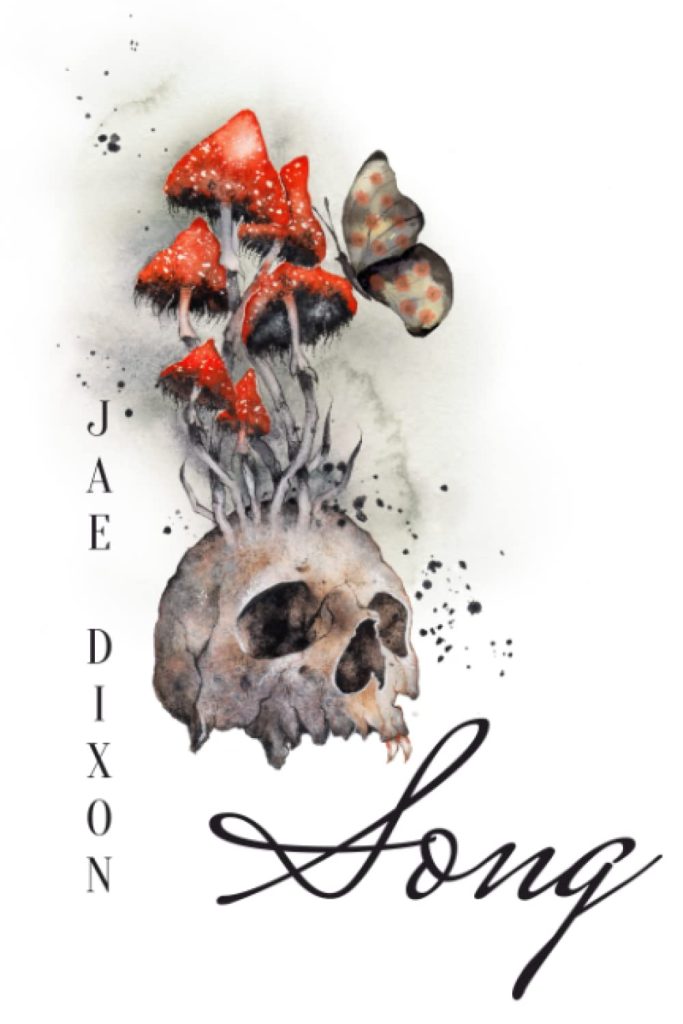
Queer Romantasy. The stories of Mothman are true, but this version is unlike any you’ve heard before. Ezra, trapped in a dreary rural Ohio college town with little to live for, encounters Gray, a winged creature enchanted by Ezra’s singing, one evening near a haunted cemetery. After a passionate night together, Ezra’s world is transformed as he discovers magic is real and that evil threatens their small Appalachian town. Gray needs Ezra’s help, and Ezra finds himself relying on Gray more than he ever imagined.
[This Queer Dark Romance features MM relationships and a spectrum of gender identities. It includes adult themes and situations not suitable for readers under 18; full content details are available at the beginning of the book or on the publisher’s website.]
Quiver & Quill by A.M. Kore
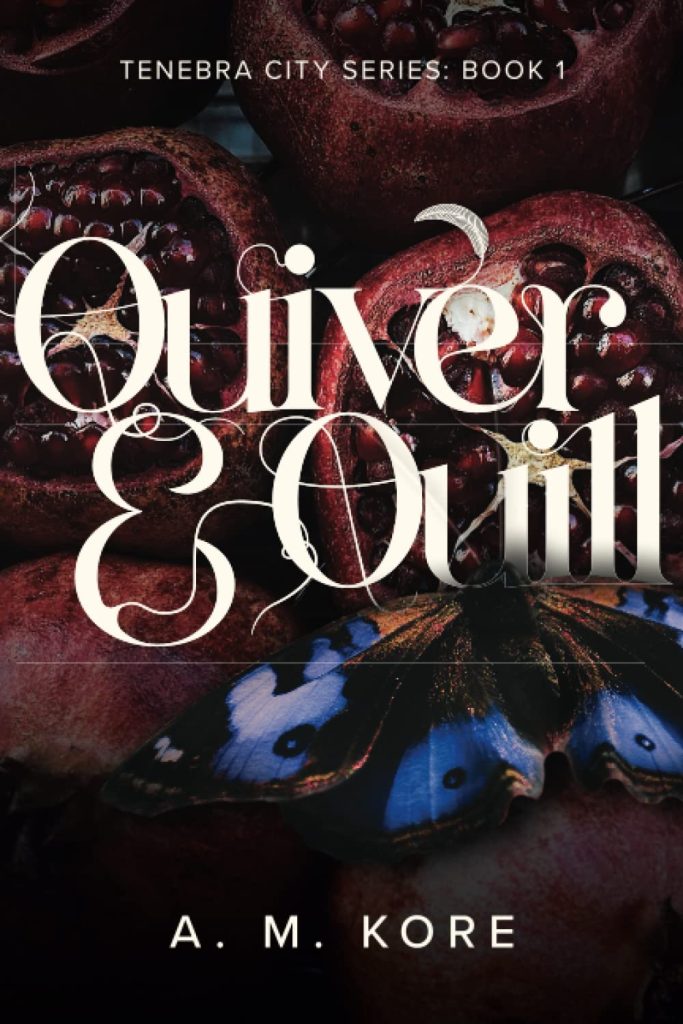
Romantasy. Welcome to Eventide Falls University, where the student body is as monstrous as its unusual emu mascot. As an ambitious human graduate student at EFU, you’re eager to embrace the university’s celebrated liberal arts programs and its fantastical students — including vampires, orcs, minotaurs, and fairies. However, maintaining your full-ride scholarship requires keeping your GPA high, a challenge complicated by Professor Gideon M. Dulcis, a half-moth-half-fae with silvery wings and a penchant for making your academic life difficult. Despite his infuriating arrogance, his smoldering red eyes spark a forbidden desire within you.
Run & Hide by Beatrix Hollow
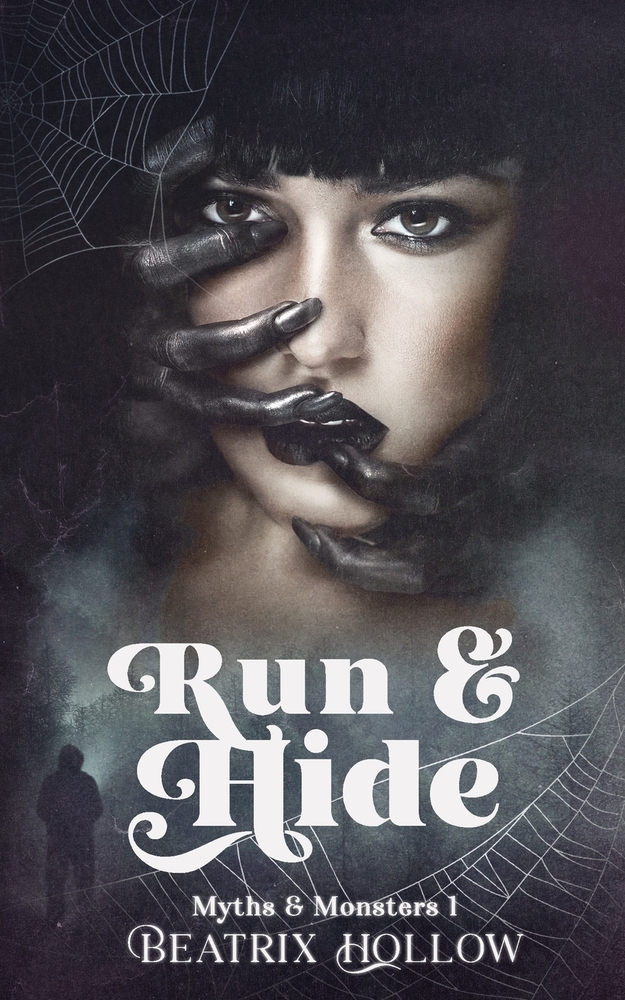
Reverse Harem. Monsters — shadows, gills, wings, and more — lurk in the shadows, craving Ava despite her efforts to escape the supernatural clinging to her family. She seeks refuge in a cross-country camping trip, hoping to distance herself from the ghosts and hauntings that define the family’s infamous reputation. However, the trip takes a dark turn with the arrival of an old friend with dangerous secrets. As the legend of a West Virginia cryptid gains traction, some are willing to use humans, including Ava, as bait to capture this elusive monster.
[This monster romance features multiple love interests for the female lead, slow-burn development, and graphic content including violence, supernatural elements, and explicit scenes.]
Doves & Demons by Clio Evans
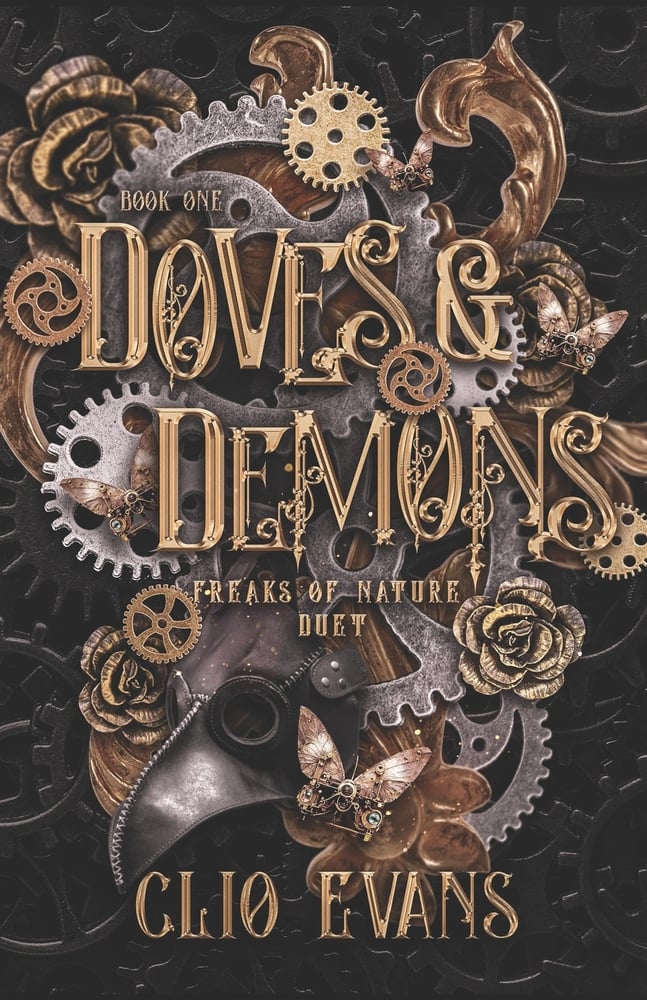
Reverse Harem. In the roaring twenties of New York City, Florence returns home haunted by her tormentors and pursued by a Vampire, a Shapeshifter, and a Demonic Jester. The Rippers, driven by revenge for their losses at Florence’s hands, are determined to drag her into their dark world, but as they pull her deeper, they discover that fate itself is more malevolent than any monster. In a world where love is seen as a weakness and trust a weapon, Florence and her tormentors must confront their pasts and face the question of whether demons can truly love the human they are fated to despise — and if she can ever reciprocate.
I’m in Love with Mothman by Paige Lavoie
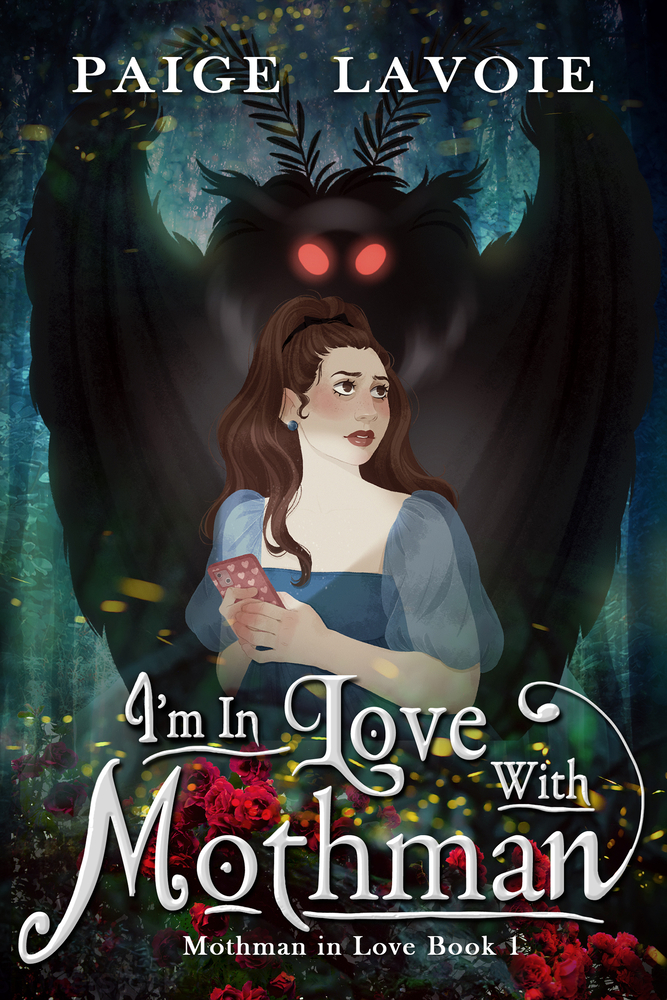
Romantasy. 22-year-old Heather, burned out from her influencer life, retreats to a remote cabin with dreams of a peaceful, unplugged existence surrounded by nature. However, her cottagecore fantasy is disrupted when a wounded cryptid crashes through her roof, stirring unexpected feelings. With no social media support and a local monster-hunter growing suspicious, Heather’s quiet retreat becomes increasingly complicated, especially as she starts to fall for the brooding, winged man now residing in her living room.
How I Met Your Moth-er by Miranda Sapphire
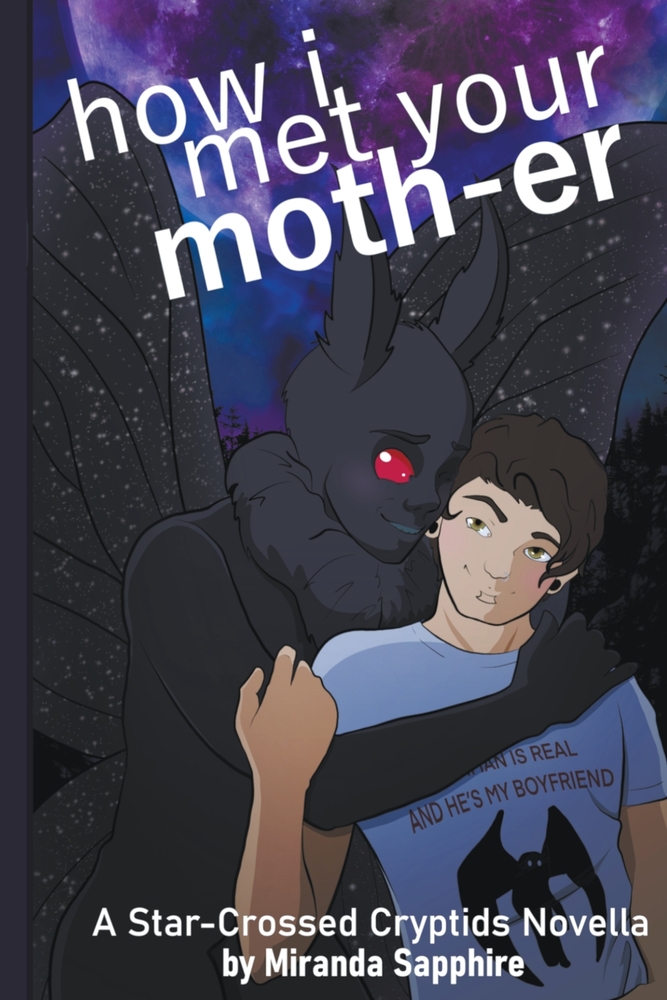
Queer Romantasy. Elliot is struggling to maintain his composure when a legendary creature crashes into his life one stormy night. Despite the creature’s intimidating size, Elliot finds him unexpectedly kind and gentle, but he grapples with whether he can trust and desire him.
[Content warnings include graphic sex scenes, mentions of transphobia, homophobia, drug abuse, and estranged family issues, as well as mild depictions of anxiety and depression.]
East Coast by Vera Valentine
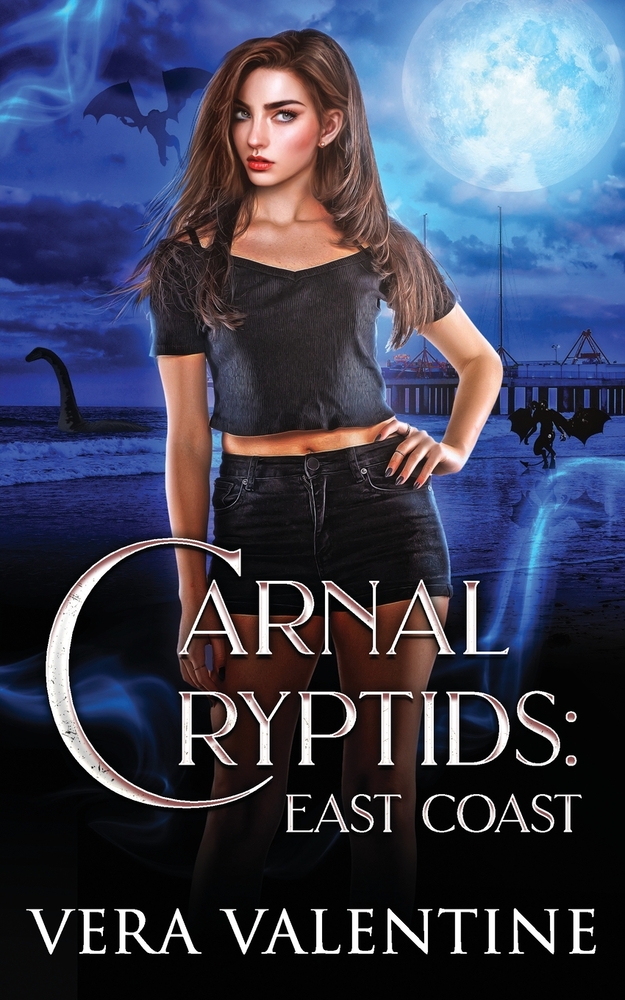
Reverse Harem & Queer Romantasy. Desiderata, exhausted from a grueling day at her boardwalk booth, seeks a reprieve with a drink, only to find herself enchanted by a charming substitute bartender — until she catches him kissing a college guy. Trying to move on, she agrees to a date with a handsome stranger who turns out to be involved with the same men from the bar. Meanwhile, JD, a bartender bored with his routine, is captivated by Desi and sees a chance for a fresh start for himself, Penn, and Will, who have been struggling for over a century. JD is determined to make Desi’s night unforgettable and persuade her to join them in their quest.
Ultimately, the legend of Mothman, which began with eerie sightings in 1960s West Virginia, has evolved into a rich tapestry of folklore and modern mythology. Initially dismissed as a mere misidentification, Mothman gained notoriety through its association with the tragic Silver Bridge collapse and the following exploration of its enigmatic nature in The Mothman Prophecies. As the cryptid’s legend expanded, so did its symbolic resonance, representing themes of outcast and acceptance that echo the struggles faced by marginalized groups. By embracing Mothman, audiences engage with a narrative that celebrates acceptance beyond societal norms, turning the cryptid into a powerful icon of resilience and love in the face of prejudice.
Now it’s time to Spruce Up Your Book Nook and read your mothman romances in complete comfort.
Got Cryptid Fever? Check out these other Mythos and Legends.
