







Trigger Warning: This article references mental health issues, racism, and genocide against American Indians and Alaska Natives. Please exercise care while reading.
In April 2024, a pink truck stocked with 10,000 books embarked on a week-long journey through the Navajo and Hopi nations. Its goal? To give away each book to a community member — for free.
But these were no ordinary books. Every book on that truck — nicknamed Pinky the Rezmobile by its passengers — was written by Native authors, for Native readers. Organized by literary nonprofit NDN Girls Book Club, the inaugural Yiłta! Book Drop aimed to provide American Indians — particularly youth — with the literary representation they deserve.
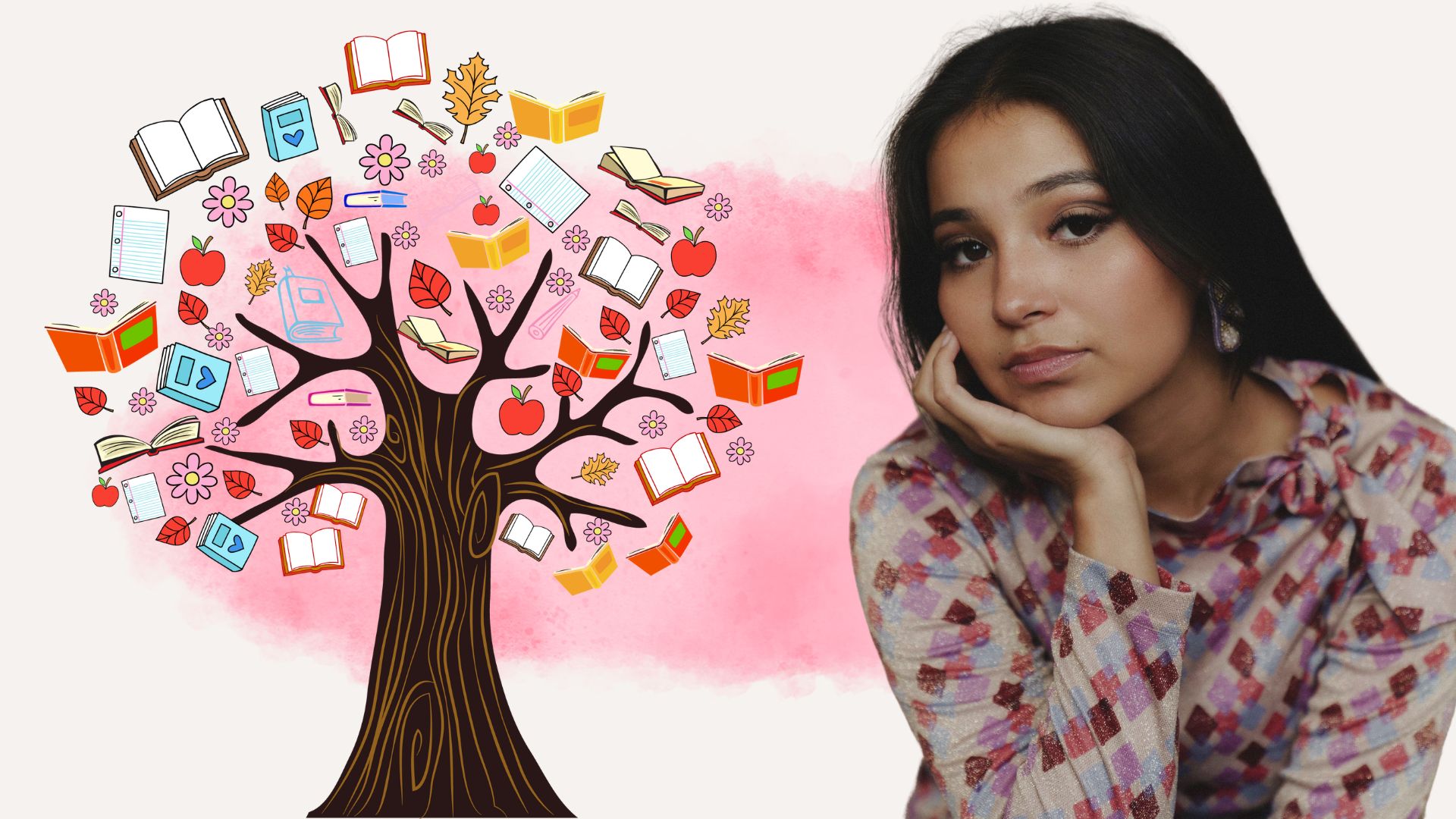
Kinsale Drake: A Poetic Force
Launched in April 2023, NDN Girls Book Club was founded by Kinsale Drake (she/they), a Diné poet, editor, and playwright. From an early age, Drake was immersed in stories: both the oral family history her mother passed down and the books she read (and wrote!). But Drake also felt isolated, often the only Brown kid in her class, and forced to learn about her own people’s extermination. Her love of poetry blossomed in high school, as she used it to understand her place in the world and in the history of her people. When Drake was 17, the Library of Congress selected her as a National Student Poet.
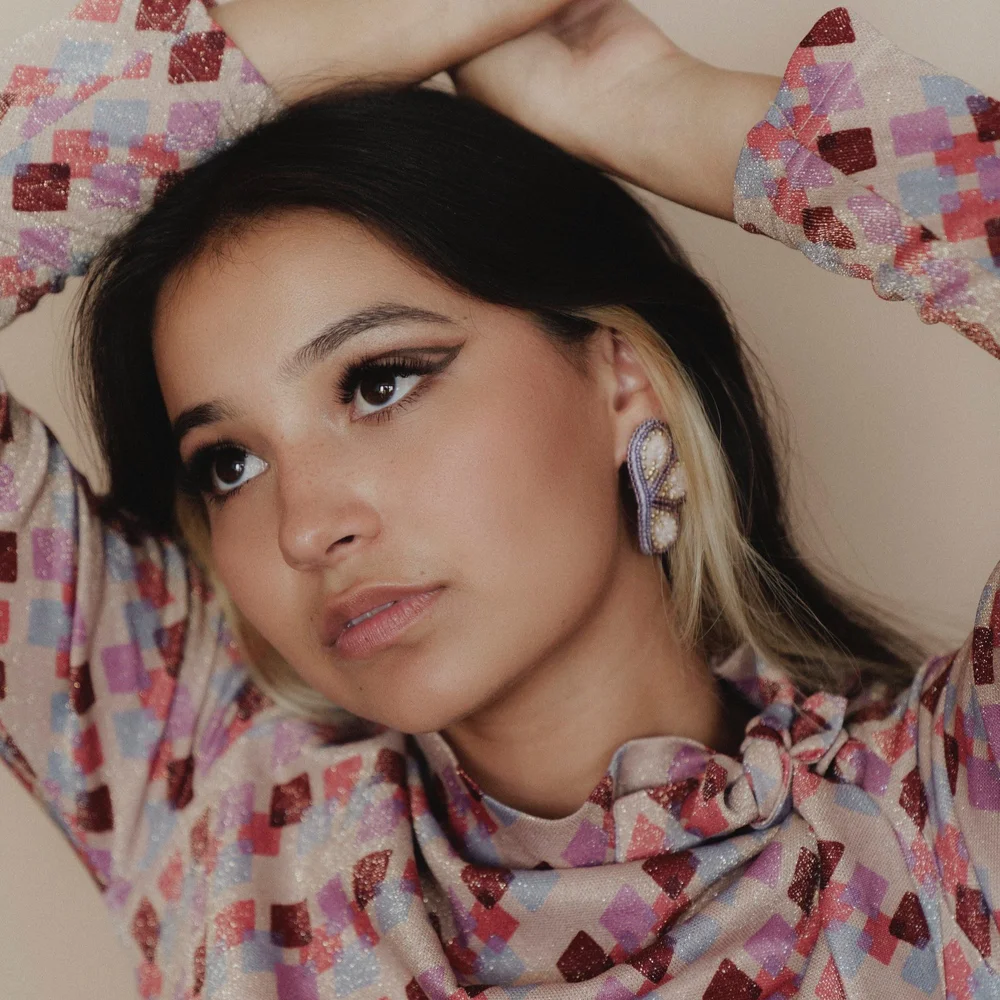
Drake went on to attend Yale University, where they earned bachelor’s degrees in Ethnicity, Race, and Migration and English. For their senior thesis, they investigated the low retention rates among Native students in higher education. Drake’s research highlighted a number of systemic obstacles that hinder Native students’ success: a lack of local resources and mentorship, financial difficulties, and a lack of representation within institutions of higher learning. Drake themself also felt the pressure, tokenization, and exhaustion that came from navigating these elite, majority-White academic spaces. They were the only Native student in an English department whose curricula consisted almost entirely of White authors, and White faculty would not always engage with their writing in good faith.
Spurred by their lifelong love of stories, Drake recognized an opportunity to address these issues — to build a community that would uplift and support Indigenous students and creatives, providing them with the tools to succeed. Thus, NDN Girls Book Club was born.
“The Indian girl we talk about in NDN Girl Book Club, it’s me: I’m the little Indian girl.”
— Kinsale Drake, High Country News
Community and Canon: The Work of NDN Girls Book Club
NDN Girls Book Club aims to promote Native stories and storytelling through a variety of initiatives and programming. Their Book Drops, supported by donations and a grant from the First Peoples Fund, supply Indigenous literature to reservation schools, libraries, and communities that cannot easily access it themselves. These “book deserts” are all too common in the United States, but particularly on reservations. Through partnerships with publishers, presses, and booksellers, NDN Girls Book Club has distributed books to Native communities across Arizona and Southeast Alaska. They also send free personalized care packages to queer and two-spirit Indigenous youth.
The nonprofit also plays an active role in fostering the next generation of Native writers. According to the Lee and Low Diversity Baseline Survey, fewer than 1% of publishing professionals in the US and Canada are Indigenous — a number that has remained consistently low for years. NDN Girls Book Club hosts monthly workshops, author talks, readings, and other events that platform Native authors and help emerging young writers hone their craft.
NDN Girls Book Club’s website acts as a resource hub connecting Indigenous writers to fellowships, grants, writing programs, and Native-run publications to support their work. The site also features a poet map — a curated list of Indigenous poets organized by region — and toolkits, reading lists, and lesson plans for educators to cultivate their own literary traditions. Several of these lesson and workshop plans were developed by Drake herself.
Some of the other incredible events the organization has hosted include festivals such as the Blue Corn Festival and the Poetry Lounge and Land Back Fundraiser. They’ve also collaborated with Native artists and writers for pop-ups and merch. Recently, they worked with Abalone Mountain Press to publish Beauty All Around Us, a zine on food sovereignty featuring work from 15 Indigenous youth contributors.
Changing the Narrative: Misrepresentation and Erasure
Media does more than entertain us; it opens a window into the world around us. It shows us whose stories matter and shapes not only how we see each other, but ourselves. The people in charge of creating and distributing media hold immense power. They can reinforce — or disrupt — everything we know.
Part of the legacy of colonialism and the genocide of Indigenous peoples in America is the prevailing narrative that American Indians and Alaska Natives no longer exist. Historically, much of mainstream media and pop culture has reduced them to stereotypes used to support the stories of their White colonizers. Many depictions of contemporary Indigenous people emphasize their poverty, lack of education, and susceptibility to addiction. The stock Native character is not only a caricature, but a relic of a bygone age, unsuited for modern life.
Research has shown that these narrow depictions of American Indians negatively impact their self-perceptions. The limited representation of Indigenous characters, known as “relative invisibility,” reinforces negative stereotypes and narrows the possibilities Indigenous viewers can imagine for themselves. For Native youth, who are particularly impressionable, this can be immensely damaging.
“NDN” is an Indigenous slang term with two meanings. First, the letters phonetically form the word “Indian” (this is called a “grammagram,” if you’re curious). Second, and more poignantly, “NDN” also stands for “non-dead Native” — pushing back against this colonial narrative. NDN Girls Book Club embodies what Anishinaabe scholar Gerald Vizenor calls “survivance”: a declaration of presence, a reclamation of power, and a refusal to let Indigenous peoples or culture be erased.
“[Stories] are what brought us into the world; they tell us where we come from; they have enabled our survival. Books are stories, but at the same time, the English language has been weaponized against us…So much of the narrative has been written about us instead of by us. Sharing literature by and for Native people feels like an act to combat those wounds. Creating accurate representation has a beneficial impact on our communities’ mental health, and building new, sustainable relationships with literature feels like a first step in a lot of healing that needs to be done.”
— Kinsale Drake, High Country News
In just two years, NDN Girls Book Club has become an incredible pillar, bringing together Indigenous readers and creatives from all over North America. To support their work, you can shop at their merch store, make a donation, or follow their Instagram for updates.
Click here to check out our feature on Hollay Ghadery, another writer of color tackling mental health.
Find reading recs that discuss BIPOC mental health at our Bookshop.