
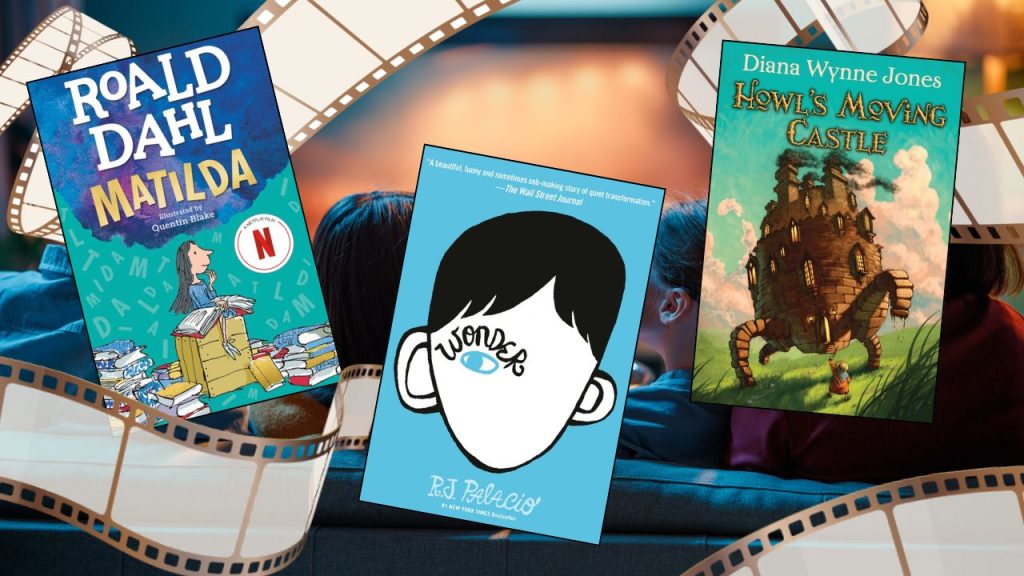
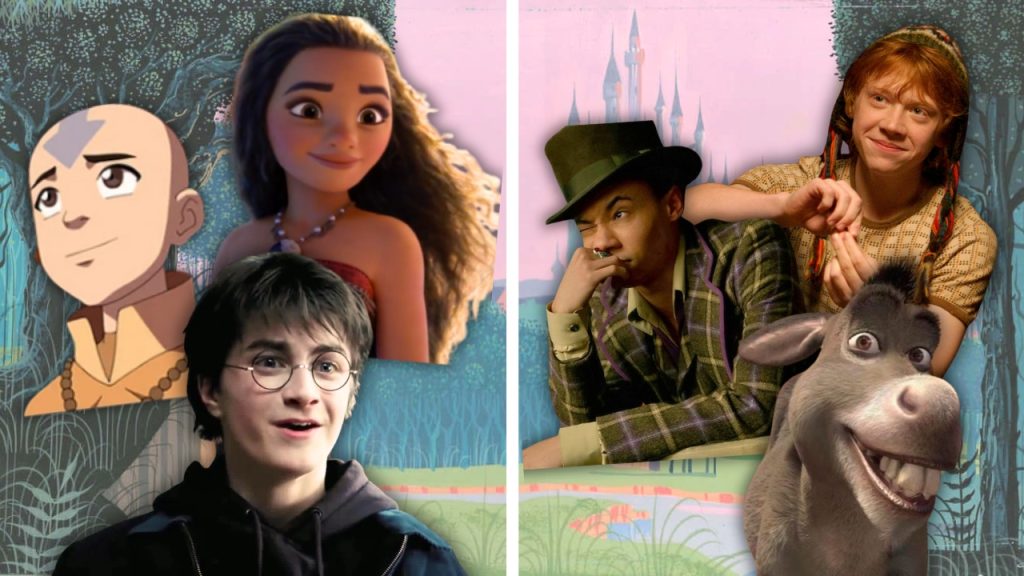
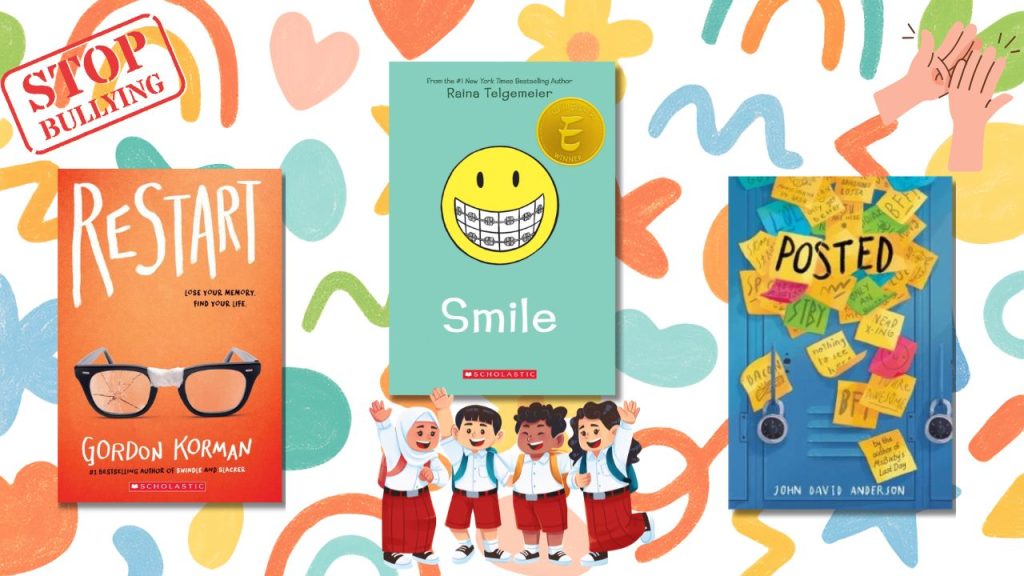


There’s nothing wrong with visualizing a character. Sometimes, we just can’t help it. When I was in eighth grade and reading The Outsiders for the first time, I imagined Justin Bieber as Ponyboy just to give me the motivation to flip through another page and write a character analysis essay worth half my English grade. You can imagine my excitement when my teacher put on the 1983 movie, and I saw Matt Dillon, Rob Lowe, and Tom Cruise sharing a 32-inch screen on our class smartboard. It was like looking at three Biebers at the same time — they all had the look, the charm, the sparkling, teen idol, goo-goo eyes. It felt like my imagination had cast the perfect lead.
Back then, it was a quiet thrill for a book to have a perfect on-screen cast that came straight out of your wildest fantasies. At best, it was only a private daydream. Now, these pipe dreams are becoming more public, performative, and algorithm-driven.
Trigger Warning: This article contains references to racism. Please exercise personal care while reading.
Our Digital Dilemma
In today’s age, where actors, casting directors, writers, and movie producers all have TikTok and Instagram accounts, readers don’t only imagine characters — they can cast them, frame them, and share them. Now more than ever, book fans are turning reading into a visual experience from their fingertips, where curating Pinterest mood boards and Spotify playlists becomes equivalent to shooting a full feature film.
Together, fans have the power to attach their favorite celebrity or influencer’s face to a character, making the books they read come to life instantaneously, building up hype and excitement around a character as they post their fantasies without the need of an author’s — or executive producer’s — stamp of Hollywood approval. But the question remains: is that always a good thing?
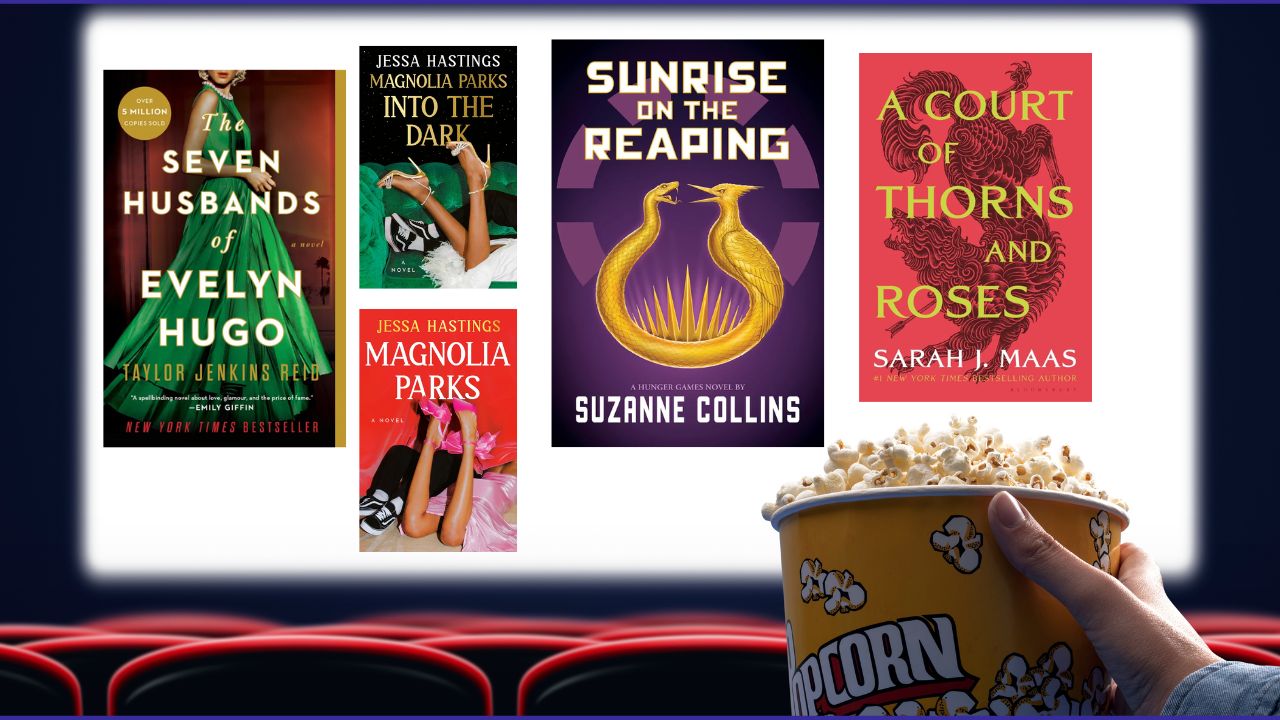
Here’s the undeniable truth: The fan casting trend is leading the charge in transforming how we engage with books. Every major novel, from Sunrise on the Reaping to The Seven Husbands of Evelyn Hugo, has inspired TikTok slideshows, Instagram reels, and Reddit threads filled with dream casts and comparison headshots. While this cultural shift seems like innocent fun and imagination on the surface, it often falls into the habit of replacing critical engagement with the book’s actual text with self-indulgent aesthetics and celebrity fantasy. More worrisome, fan casting fosters a toxic atmosphere in the literary world, falling into a pattern of classic Hollywood racial erasure, beauty standards, and the dominance of money-making spectacle over the actual story at hand.
From Pinterest to Casting Call
The current wave of fan casting is especially intense in series with major adaptation buzz. TikTok’s imagining of “perfect” actors for Suzanne Collins’ Sunrise on the Reaping racked up millions of views, searching for the perfect shade of blonde actors to play young Haymitch and Effie before the book was even released. Fans of Jessa Hastings’ Magnolia Parks series are constantly shopping for their perfect rich, thin, and glamorous influencer or model on Pinterest, putting more importance on real-life positions and appearances, with the actual text as an afterthought.
Even books that haven’t officially been optioned for film, like Sarah J. Maas’ A Court of Thorns and Roses, inspire constant reels of cast predictions — often preferring a biased type: White, conventionally attractive, and celebrity-adjacent. Any creative idea outside of these boundary lines is met with collective frustration and backlash by book fans, as though the hypothetical movie they’re building through CapCut edits and curated mood boards could somehow diminish a writer’s already-published work.
And now, with the upcoming Seven Husbands of Evelyn Hugo Netflix adaptation, fans argue over who “fits” Evelyn’s Cuban-American identity, as many push for White Latina actresses whose looks would be more pleasing to look at on their television screen. The debate raises ambiguous concerns: Do fans want a Cuban Evelyn, or just someone who looks good in a 1950s green ball gown with matching silk gloves? When casting speculation dominates the conversation, readers lose sight of Evelyn’s identity as a woman of color passing in a racist industry and allow Netflix, not the novel, to define her legacy.
Because readers prioritize their aesthetic expectations with their fantasy cast over the character’s internal complexity, growth, or contradictions, the novels of the new age are becoming nothing more than casting prompts and model headshots.
Losing the Reader’s Imagination
In our visual-first culture, imagination often takes a backseat — and so does the reader. Picturing a character used to be a deeply personal exchange between the reader and the text, full of personality, intimacy, and freedom, shaped by each reader’s unique perspective and life experience. But now, fan casting culture interrupts that internal world with ready-made, curated images. Readers are allowing themselves to be told what to see as part of a fandom, instead of being encouraged to dream as individuals.
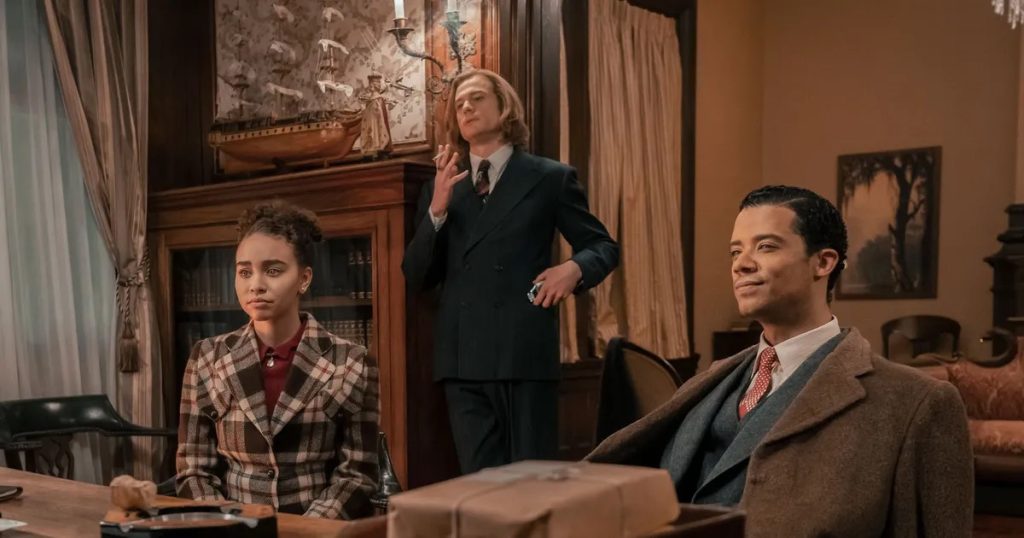
When AMC’s 2022 adaptation of Anne Rice’s Interview with the Vampire reimagined Louis and Claudia as Black characters in the Jim Crow South while explicitly showcasing Louis’ gay relationship and struggle with Lestat, it was a radical shift from the novel and the 1994 film with Brad Pitt, Tom Cruise, and Kirsten Dunst. This new version of the classic vampire tale sparked heated online debates but also introduced layers of racial context, power dynamics, and homosexual tension that the original didn’t fully explore. But of course, no fandom — or fan casting — could have predicted this rendition of Interview with the Vampire.
Fan casts are ultimately based on novel accuracy and conventional approaches to faces, eliminating any room for bold shifts and new perspectives. The very existence, success, and shock of AMC’s adaptation proves that there are many routes of imagination that novels can take on screen without being defined and compacted into one, set visual identity expected by the majority.
The fan casting craze reflects how fandom absorbed Hollywood’s priorities. Rather than sitting with a character’s flaws, we rush to imagine them on a Times Square ad. Of course, it’s not that fan casting is inherently bad — it’s fun to collaborate with people who went on the same literary experience as you and attach familiar faces to characters you grew to love. But when fan casting favors trends over the complexity of reader interpretation, it doesn’t just dilute books — it dilutes the emotional and political power of literature. After all, in a cultural climate where everyone and everything insist on doing the thinking for you, reading should never be reduced to pre-production.
Interested in more opinion pieces on book trends and culture? Click here.
Check out our Bookshop shelf to find real book-to-screen adaptations that’ll satisfy your literary and cinematic needs.