






Disclaimer: The views expressed in this article are the writer’s own and not necessarily those of Bookstr.
I think we, as a society, have a cancer problem. Specifically, we have a problem with romanticizing cancer in young adult literature. When I was young, it seemed like every bestselling YA book was about a teenage girl with cancer or a chronic illness. All my peers were eager to head to the movie theater to cry about ill-fated teen romances. And the whole affair always felt…well…icky.
So, what is sick lit? Why did it dominate the 2010s, and what troubling lessons lie within these narratives?
Trigger Warning: This article contains references to ableism. Please exercise personal care while reading.
How the ‘Terminal Girl’ Became the New ‘It Girl’
While sick lit — literature focusing on characters with serious illnesses — has been around since the 1980s, the trend as we know it today arguably started with John Green’s 2012 novel, The Fault in Our Stars. This is the story of Hazel, a 16-year-old girl with terminal thyroid cancer who meets and falls in love with Augustus, a 17-year-old boy who survived bone cancer. John Green based his novel on his time spent as a chaplain in a children’s hospital, and the story was dedicated to Esther Earl, a fan and friend of Green, who died from cancer at 16. It is important to note that Green was working on the novel before he met Earl, and has gone on record to say that while elements of her personality made their way into the text, the character of Hazel is in no way an exact copy of her.
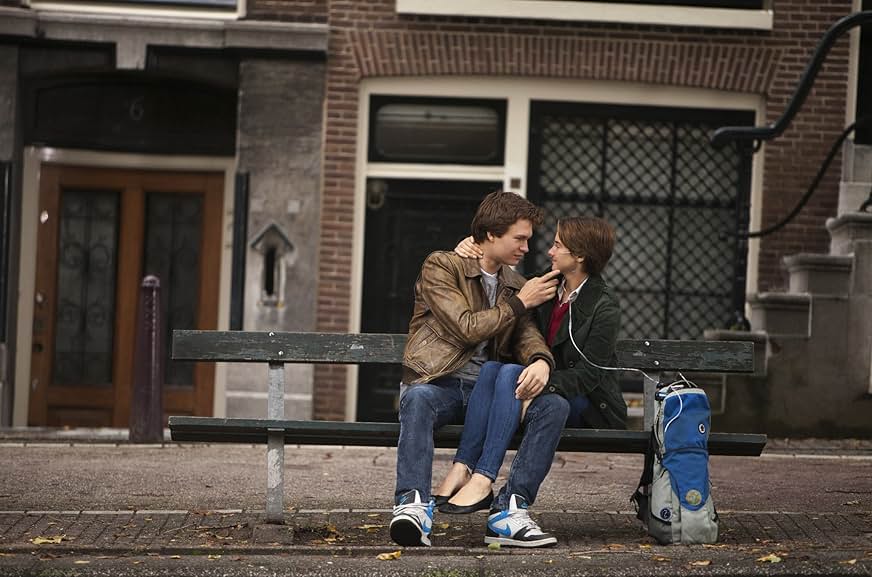
I think everyone except me loved this book. Now, before I lose you, let me make a point of saying that I did not hate it. For the most part, I think that John Green’s handling of the material was well-intentioned, if somewhat misguided. (He did explicitly state that he ignored medical accuracy whenever it “suited his whims.”) I mostly took issue with the “welcome to my quirky, cancerous life” persona of the narrative — a concept that was played up even more in the 2014 film adaptation.
The protagonists in this wave of sick lit often overlapped with the manic pixie dream girl trope. These characters are obsessed with “living life to the fullest,” which, in the case of teenagedom, often means falling in love. While exploring this idea is by no means a bad thing, it is the characters’ approach to the matter that I personally find grating.
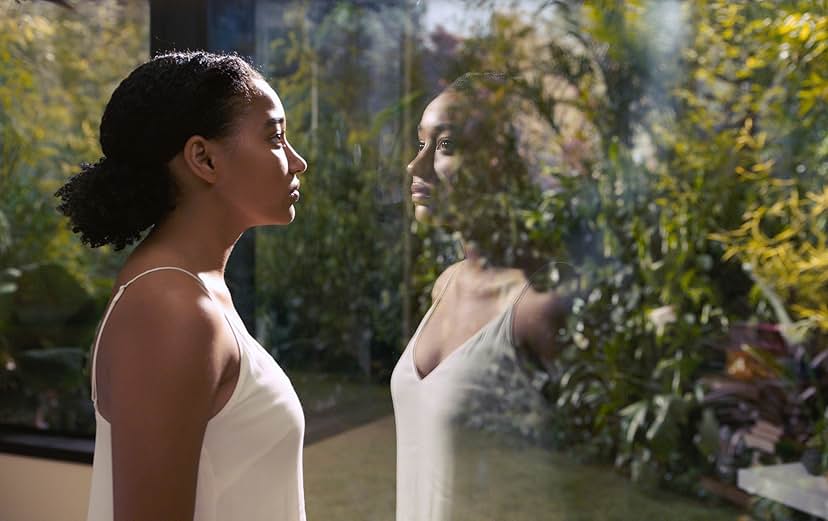
Take, for example, Everything, Everything by Nicola Yoon. This 2015 novel follows Maddy, a teen diagnosed with severe combined immunodeficiency, also known as the “bubble disease,” which forces her to live a confined existence in her perfectly sanitized home. The book and its 2017 movie adaptation received considerable criticism from immune deficiency groups for the blatantly inaccurate portrayal of the disease. Another troubling element of the plot is Maddy’s love story with her neighbor, Olly. Maddy literally puts her life at risk just so she can spend time outside the house with her new boyfriend, and the script implies that chronically ill individuals are simply “too afraid” to actually live their lives. Yikes.
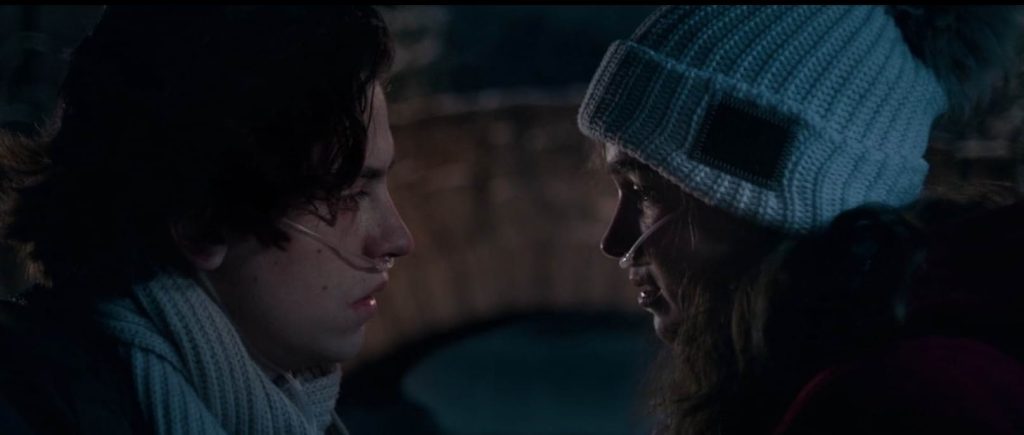
The 2018 novel Five Feet Apart by Rachael Lippincott, Mikki Daughtry, and Tobias Iaconis has a similar premise. In this story, two teens with cystic fibrosis (CF) fall in love but are forced to stay six feet apart from each other for the sake of their health. They decide to “steal one foot back” in order to reclaim agency over their lives. The premise alone already slides into dicey territory, and the optics only get worse with the knowledge that the CF community criticized both the book and the 2019 movie for inaccuracies and romanticizing self-harm. Just like Everything, Everything, the narrative in Five Feet Apart pities the lives of the CF characters, implying that their health-mandated restrictions are merely obstacles to overcome in order to live a “real life.” Again — yikes.
Prioritizing Hotness — Even on Her Deathbed
In these narratives, the sick character is more often than not a young woman who either dies within the novel or is implied to pass away shortly after the conclusion. Her penance, it seems, is to teach us about life. All while staying flawlessly attractive, of course.
Lauren Sczudlo, a cancer survivor, criticized this phenomenon in The Fault in Our Stars. In her movie review, Sczudlo posits that “the movie romanticizes sex and impossible standards of beauty.” As she quips, “How did Hazel maintain that bodacious body?”
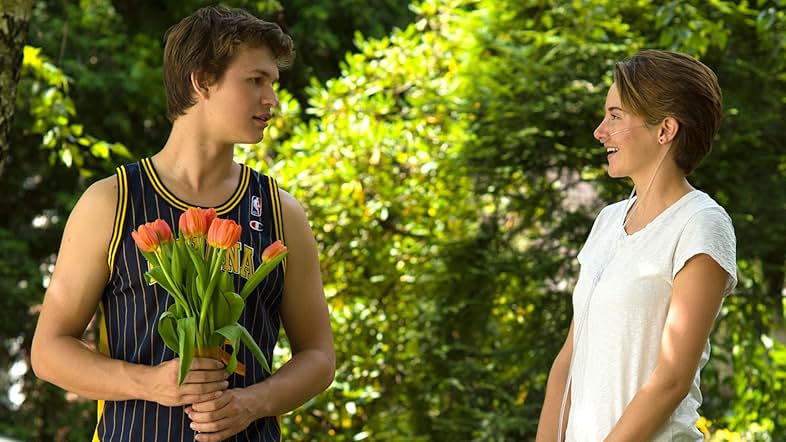
There’s an obsession with appearance in all of these stories that only amplifies when they transition to the screen. Aside from oxygen tubes or exaggerated undereye shadows, these characters look like perfectly spry and healthy teens. While an argument could be made for normalizing chronically or terminally ill people through such costuming, I don’t think we’re doing any favors here by completely erasing reality. If a character is presented without any flaws, physical or otherwise, then they’re not really a representation of anything, are they?
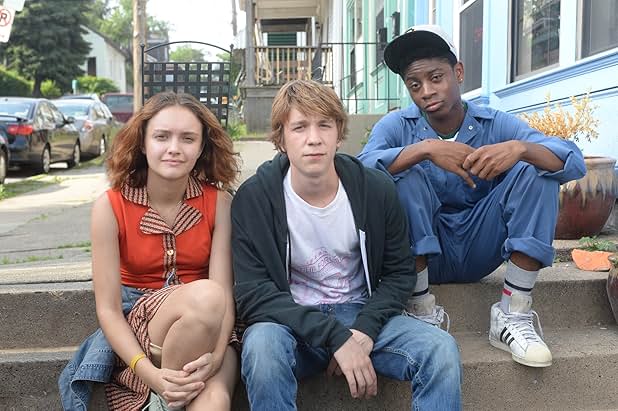
A counterpoint to this can be found in Jesse Andrews’ 2015 novel, Me and Earl and the Dying Girl. While the story is by no means perfect, I do think it handles the subject of terminal cancer more respectfully than The Fault in Our Stars. This book follows Greg, a socially isolated teen and amateur filmmaker, whose mother forces him to make friends with Rachel, a childhood acquaintance who is dying from leukemia. The novel and its movie adaptation are mostly criticized for Greg’s selfishness and the fact that the story is not really Rachel’s. But as David Ehrlich’s enthralling review points out, the story ultimately acts as a deconstruction of the predictably problematic tropes found in other sick lit.
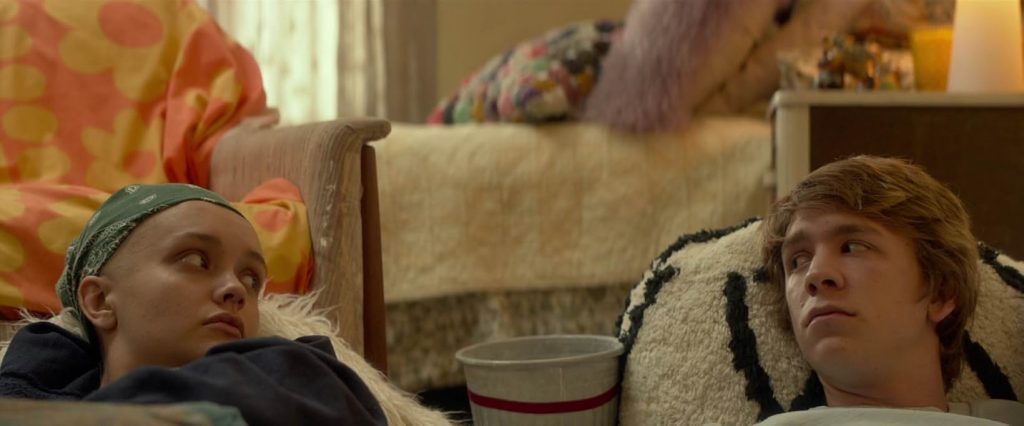
Greg’s original drive to become friends with Rachel is entirely motivated by pity, and she calls him out for this on their first meeting. When Greg and his only friend, Earl, make a movie for Rachel, it isn’t really about her at all, but more so about themselves and references to their favorite movies. Greg is horrified when he realizes how selfish his project turned out to be. Coupled with this are fourth-wall narrations where author Jesse Andrews, through Greg, pointedly criticizes sick lit. During one of Greg’s hangouts with Rachel, the two look at each other, and Greg comments that if they were in a movie, this would be the moment where they fall madly in love. Then, he turns away and wryly adds, “But this isn’t that kind of story.”
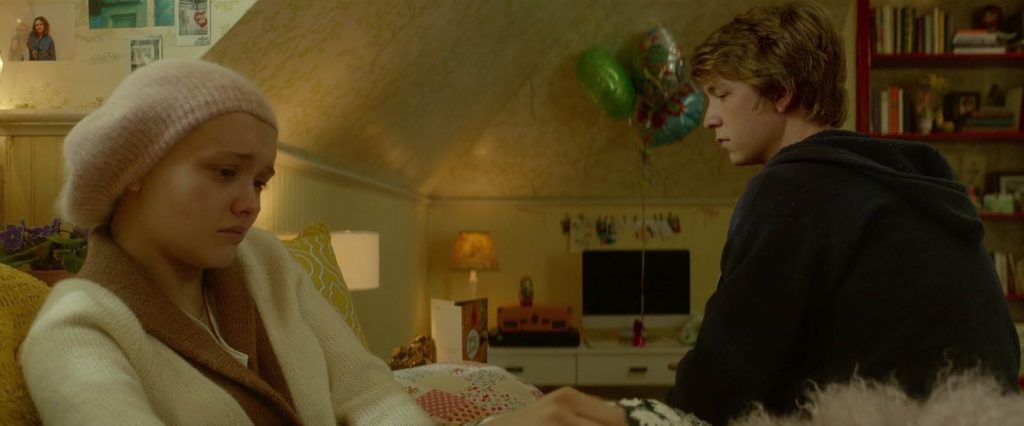
Me and Earl and the Dying Girl also, fortunately, does not fall into the “beauty above all else” trap that these other stories do. As Rachel gets sicker, her appearance reflects this, and she also grows more irritable from the pain and finality of her treatments. In one sharply emotional scene, she cries to Greg that she is “so ugly now.” She bitterly adds that she hates that everyone insists she’s beautiful because she “knows they’re lying.” These scenes don’t shy away from the difficulties of terminal illness while also not wallowing in Rachel’s pain. Rachel remains a fully dynamic character both during her illness and after her death.
Are We Afraid of Reality?
While examples of expertly handled chronically or terminally ill characters abound in adult media, the representations offered to teens are mostly shallow. YA authors tend to treat these diseases as quirky character traits rather than the life-altering circumstances they actually are. Why is this?
When I was 12 years old, a classmate of mine passed away from leukemia. Nearly the entire school, faculty included, was absent on the day of the funeral. Their death was a shockwave that reverberated through the entire student body. It was the first time in my life that I truly felt the impact of death; it wasn’t just something that happened to older people anymore.
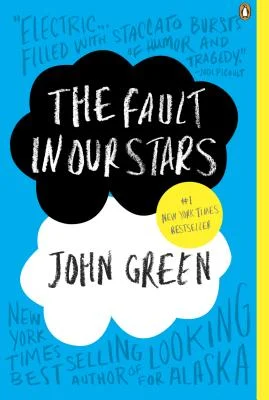
I read The Fault in Our Stars a few years after my classmate’s death, and I think knowing a teenager who died from terminal cancer colored my reading experience. I bristled at the casual attitude of the narration. To me, it felt like the characters’ strategy for embracing life with cancer was to just ignore it. I didn’t see how this was in any way helpful. Did I think they should’ve spent the whole book stewing in misery? No, of course not. But I also don’t believe that the answer is to swing to the completely opposite end of the pendulum.

My jaded opinion toward YA sick lit only worsened when my mother was diagnosed with Stage IV cancer shortly before I turned 16. Suddenly, I was seeing the reality of cancer every single day. Unsurprisingly, it was nothing like the teen romances would lead you to believe. It simply…was. There were good days and bad; we laughed and cried and sat in silence and laughed again. I saw her at her most vulnerable, and I lived in fear of her test results.
My mother’s cancer may have altered our lives, but not in the way that it does to stereotypical sick lit characters. I wasn’t suddenly invigorated with an enlightened zest for life after watching my mother suffer through her illness. The reigning emotion was powerless frustration that I couldn’t help her. The more serious everything became, the more I began to hate the performative representation within the sick lit genre. Cancer is not a gimmick, and we shouldn’t reward the publishing industry for treating it as such.
For a list of books (including YA titles) that authentically portray the cancer experience, click here.
Visit our Recommendations list on Bookshop to meet your new favorite book.